Anime fans often describe their favorite series with deep emotion. A character’s struggle can feel personal. A dramatic battle can inspire excitement. Even a quiet conversation between two characters can stay in someone’s memory for years.
This strong emotional connection is not accidental. Anime creators carefully design stories that invite viewers into imaginative worlds. Fans then build communities around these stories. Over time the relationship between audience and series becomes surprisingly powerful.
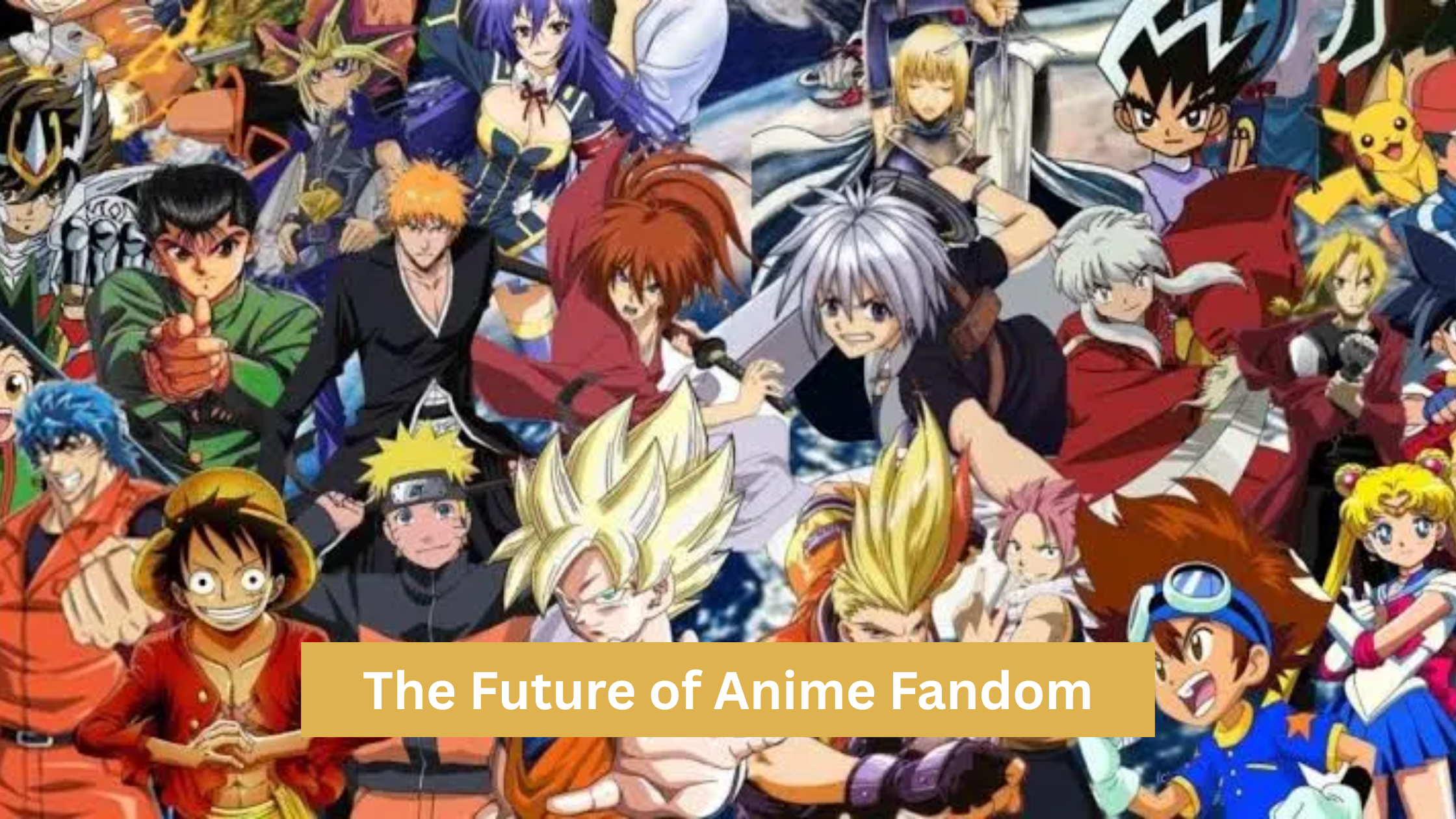
Anime fandom is more than entertainment. It blends psychology, creativity, and social interaction. People celebrate their favorite characters. They debate theories. They create art and share ideas with other fans around the world.
But why does anime create such strong attachment? Why do fans feel joy when their favorite character succeeds and frustration when a storyline disappoints them?
To answer these questions we need to explore the psychology behind anime fandom. By understanding the emotional forces involved we can see why people become deeply invested in animated stories.
Psychological Roots of Fandom
Human beings naturally seek stories. Since ancient times people have gathered around narratives that explain the world and reflect emotional struggles. Anime continues this tradition in a modern form.
Psychologists often explain fandom through the idea of parasocial relationships. A parasocial relationship occurs when a viewer feels connected to a fictional character or celebrity even though the relationship exists only on one side. The viewer knows the character but the character does not know the viewer.
Anime creates perfect conditions for these connections. Characters often display strong personalities and emotional depth. Their journeys mirror real human experiences such as friendship, fear, ambition, and loss.
Consider a long running series like Naruto. The main character begins as an outsider who struggles to gain recognition. Many viewers relate to this feeling. As Naruto grows stronger and builds friendships, fans feel that they are growing alongside him.
Psychologists also note that storytelling activates empathy. When viewers see characters face challenges their brains respond in similar ways as if those events were happening in real life. Emotional music, expressive animation, and voice acting strengthen this effect.
Another psychological factor involves identity exploration. Many fans use fictional worlds to explore different aspects of themselves. Someone may admire a character’s courage or intelligence. Over time that admiration can influence personal values and goals.
In short, anime fandom grows from natural human tendencies. People connect with stories because stories help them understand themselves and others.
Studio Strategies for Emotional Attachment
Anime studios understand that emotional engagement keeps audiences loyal. As a result creators often design narratives that encourage strong attachments to characters.
First studios invest significant effort into character development. Instead of presenting heroes who succeed easily they show growth through struggle. Characters fail. They learn lessons. They change slowly across many episodes.
A good example appears in My Hero Academia. The protagonist begins as a powerless boy who dreams of becoming a hero. Viewers watch him train and overcome obstacles step by step. Each victory feels meaningful because the audience witnessed the effort behind it.
Another strategy involves emotional backstories. Flashbacks reveal childhood memories or painful experiences that shaped the characters. These moments encourage empathy. When fans understand the reasons behind a character’s behavior they form deeper bonds.
Studios also use music and pacing to guide emotions. A quiet piano theme during a reflective scene may create a sense of intimacy. Fast paced action sequences build excitement and anticipation.
In addition creators often place characters in relatable situations. Even in fantasy settings the emotional themes remain familiar. Friendship, ambition, and personal growth resonate with audiences everywhere.
Through these techniques studios craft stories that invite viewers to care deeply about fictional lives.
Role of Online Communities
Anime fandom expanded dramatically with the rise of the internet. Online communities allow fans to share enthusiasm and discuss stories in real time.
Platforms such as forums, social media groups, and streaming comment sections provide spaces where viewers exchange opinions. Someone may finish an episode and immediately join a discussion with fans from different countries.
These interactions strengthen emotional investment. When fans analyze scenes together they notice details that might otherwise go unnoticed. Conversations about symbolism, character motivations, and hidden references deepen the viewing experience.
Online communities also support creative expression. Fans create digital art, write fan fiction, and produce video essays that explore their favorite series. This creativity transforms passive viewers into active participants.
Series like Attack on Titan demonstrate the power of community discussion. Each episode sparked intense speculation about the mysteries within the story. Fans developed complex theories and shared them across the internet.
As a result the experience of watching anime becomes social rather than solitary. Community interaction amplifies emotional reactions and keeps fans engaged between episodes.
Shipping, Debating, and Headcanons
Another fascinating aspect of anime fandom involves shipping. Shipping refers to fans imagining romantic relationships between characters. Sometimes these relationships appear in the official story. Other times they exist only in fan interpretations.
Shipping encourages creativity and discussion. Fans analyze small interactions and body language. They interpret dialogue in ways that support their favorite pairings.
For instance fans of Demon Slayer: Kimetsu no Yaiba often debate potential relationships among the characters. These discussions generate countless pieces of fan art and stories.
Headcanons represent another fan tradition. A headcanon is a personal interpretation of a character or event that may not appear directly in the official narrative. Fans share these ideas online and sometimes adopt them collectively within the community.
Debates also play an important role. Fans compare character strengths, discuss moral decisions, and analyze plot twists. These conversations create dynamic engagement.
Although debates occasionally become intense they also demonstrate how deeply fans care about the stories they follow.
Coping with Disappointment
Strong emotional investment can also lead to disappointment. When a beloved series ends poorly or takes an unexpected direction fans may feel frustration.
One well known example involves reactions to the conclusion of Neon Genesis Evangelion. The ending sparked widespread debate because it focused on psychological themes rather than traditional action resolution. Some fans admired the bold artistic choice. Others felt confused or dissatisfied.
Disappointment can also occur when favorite characters experience tragic outcomes. Fans who feel attached may struggle with these developments.
However fandom communities often help individuals process these emotions. Fans discuss alternative interpretations or create fan works that explore different endings.
In some cases creators respond to audience reactions by producing new material such as alternate films or extended versions.
Ultimately disappointment becomes part of the fandom experience. It demonstrates how strongly people care about fictional worlds.
Identification with Characters
Identification represents one of the strongest psychological drivers of fandom. When viewers see aspects of themselves reflected in characters they form lasting emotional bonds.
Anime often presents characters with clear goals and personal struggles. These elements allow audiences to imagine themselves in similar situations.
For example the hero of One Piece pursues freedom and adventure above all else. His determination inspires fans who dream of following their own paths.
Meanwhile more introspective characters appeal to viewers who value emotional depth. Someone may relate to a shy student or a thoughtful strategist.
Identification can also involve aspirational qualities. Fans admire traits they wish to develop. Courage, kindness, and perseverance become symbolic ideals represented by favorite characters.
Through identification, anime characters become emotional companions during different stages of life.
Comparative Global Fandoms
Anime fandom exists around the world. Each region develops unique traditions and cultural perspectives.
In Japan fans often attend conventions, themed cafes, and merchandise events. The country’s entertainment districts feature shops dedicated to specific franchises.
International audiences experience anime differently. Online streaming platforms introduced series to viewers in North America, Europe, and many other regions. Communities formed across language barriers through subtitles and translations.
A global phenomenon like Pokémon demonstrates how anime can unite fans across cultures. Children who grew up watching the show share nostalgia even if they live thousands of miles apart.
Global fandom encourages cross cultural understanding. Fans exchange perspectives and discover how stories resonate differently in various societies.
This diversity enriches the anime community and expands its influence worldwide.
Merchandise and Investment Cycles
Another psychological dimension of fandom involves collecting merchandise. Fans often purchase items connected to their favorite series as a way to express loyalty and preserve memories.
Figures, posters, clothing, and art books allow fans to bring pieces of fictional worlds into everyday life. These objects become symbols of emotional investment.
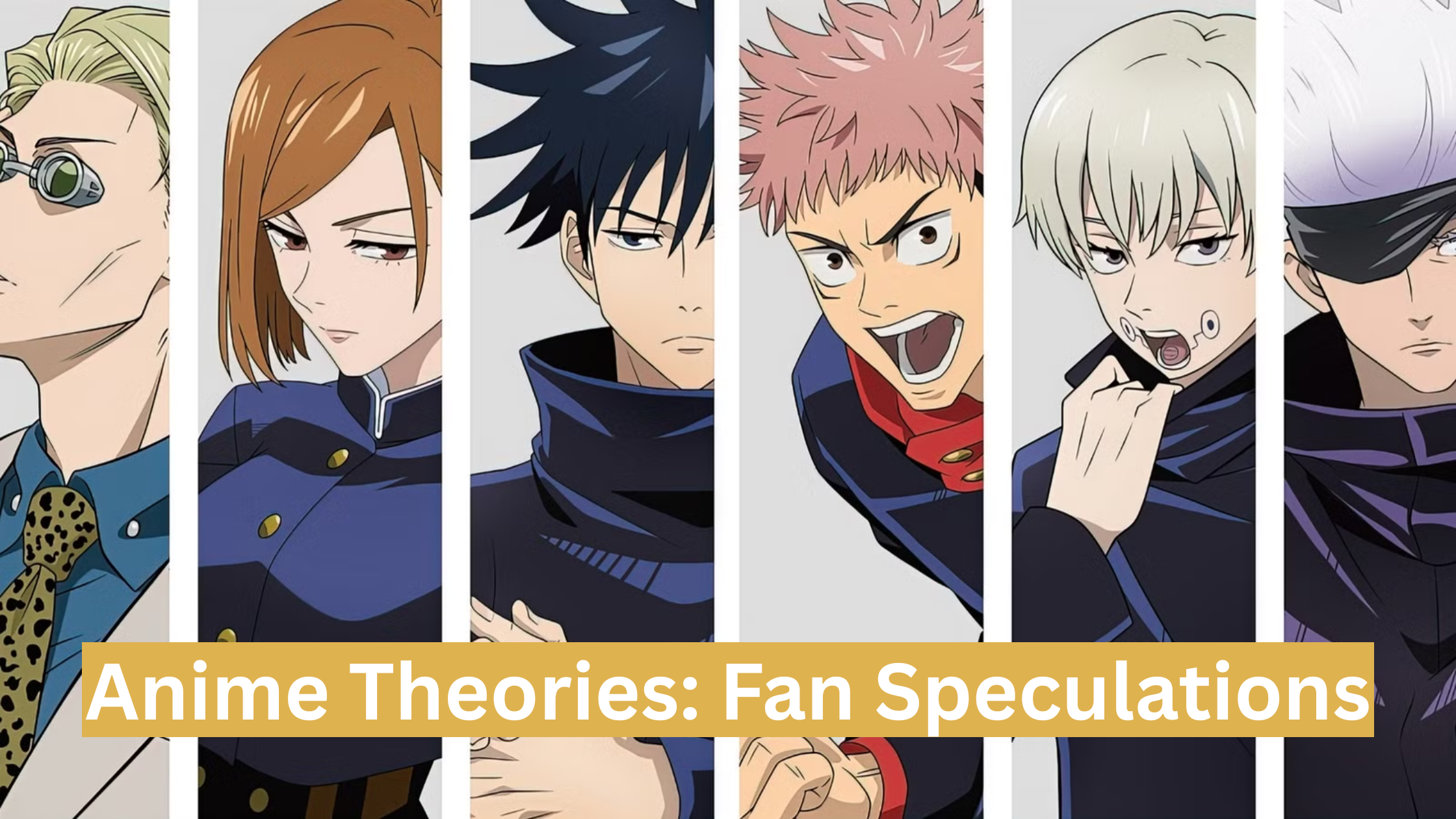
For example merchandise related to Jujutsu Kaisen appears in stores across many countries. Fans proudly display figures of their favorite characters.
Collecting also creates anticipation cycles. Limited edition releases generate excitement and encourage fans to follow franchise updates closely.
While some critics view merchandise as purely commercial, many fans appreciate it as a form of personal connection.
Adolescence and Anime Discovery
Many people discover anime during adolescence. This stage of life involves intense emotional development and identity exploration.
Teenagers often search for stories that reflect their feelings and aspirations. Anime provides a wide range of narratives that address friendship, ambition, and personal growth.
Shows like Fullmetal Alchemist: Brotherhood explore themes of responsibility and sacrifice. These themes resonate strongly with young viewers who are beginning to understand complex moral choices.
Adolescence also represents a time when social groups form around shared interests. Anime clubs, online forums, and convention gatherings help teenagers connect with peers who share similar passions.
Because these experiences occur during formative years they often leave lasting impressions. Many adult fans continue following anime because it reminds them of meaningful moments from youth.
Predictions for Future Fan Culture
Anime fandom continues evolving as technology changes the entertainment landscape. Streaming platforms make new series available instantly across the world.
Social media enables fans to share reactions within seconds of an episode’s release. Virtual conventions allow global communities to interact without geographic limits.
Future developments may include immersive digital experiences. Virtual reality environments could allow fans to explore locations from their favorite shows. Interactive storytelling might enable viewers to influence narrative choices.
Artificial intelligence tools may also support fan creativity by assisting with animation, music, or story development.
Despite these technological advances the core psychology of fandom will likely remain constant. People will continue seeking emotional connections through stories and characters.
Anime offers a powerful medium for these connections because it blends visual art with imaginative storytelling.
Conclusion
Anime fandom psychology reflects the deep human desire to connect with stories and communities. Through compelling characters, emotional narratives, and vibrant online discussions fans build relationships with fictional worlds that feel surprisingly real. Studios carefully design stories that encourage empathy and identification while communities amplify engagement through creativity and debate.
From adolescence discovery to lifelong collecting habits anime fandom becomes part of personal identity for many viewers. As technology expands access and interactive possibilities the culture surrounding anime will continue to grow. Yet the core reason behind this passion remains simple. Anime invites us to dream, to feel, and to share those feelings with others who love the same stories.