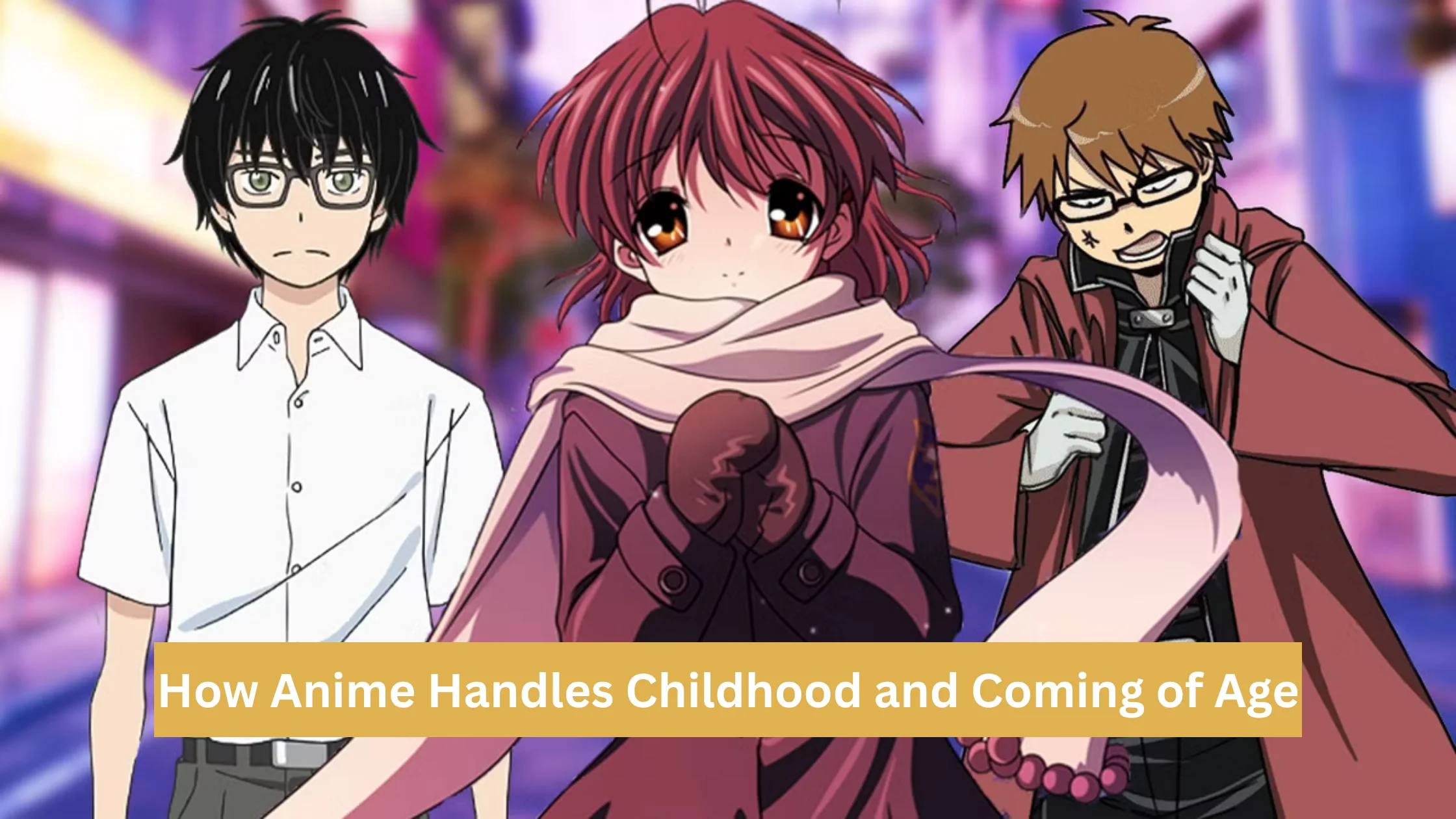
Childhood is a time filled with curiosity, confusion, and growth. It is also a phase where people begin to understand who they are and what they want from life. Anime captures this journey in a unique and powerful way.
Unlike many forms of media, anime does not rush the process of growing up. Instead, it explores small moments and emotional struggles with care. Whether it is a child learning friendship or a teenager facing identity challenges, these stories feel honest and relatable.
Coming-of-age themes appear across many genres. Even action or fantasy anime often include personal growth at their core. This balance between adventure and emotion makes the storytelling deeply engaging.
Let us explore how anime handles childhood and coming-of-age and why these stories connect with audiences across the world.
Coming-of-Age Narrative Traditions
Coming-of-age stories have always been about change. They follow characters as they move from innocence into a deeper understanding of themselves and the world around them.
In anime, this journey feels more gradual and personal. Growth does not happen in one big moment. It unfolds through small experiences like friendships, mistakes, and difficult choices.
What makes it even more engaging is the mix of internal and external conflict. A character might be fighting an enemy while also dealing with self-doubt or loneliness.
In Naruto, the story is not just about becoming strong. It is about seeking acceptance, overcoming pain, and finding one’s identity.
This layered approach makes anime coming-of-age stories feel real. They are not just about growing up, but about understanding what that growth truly means.
Representation of Different Age Groups
Anime does not treat growing up as something that only happens during the teenage years. Instead, it shows that change and self-discovery can happen at any stage of life.
With younger characters, the focus is often on small but meaningful lessons. They learn how to trust others, make friends, and understand the world around them.
Teen characters face a different kind of pressure. They struggle with identity, expectations, and the fear of choosing the wrong path. In My Hero Academia, this journey feels intense and personal as characters try to prove themselves.
Interestingly, some stories also explore growth in adulthood. These characters may feel lost or stuck, showing that maturity does not always come on time.
By covering all age groups, anime reminds us that growing up is not a fixed phase. It is a continuous journey that looks different for everyone.
Emotional Realism and Fantasy
One of anime’s greatest strengths is how it mixes imagination with real emotion. Even when the world feels magical or surreal, the feelings at its core stay honest and familiar.
Characters may face spirits, monsters, or impossible situations. Still, what they feel—fear, loneliness, hope—mirrors real life in a very natural way.
In Spirited Away, the setting is strange and dreamlike. Yet the story is really about growing up, finding courage, and learning to stand on your own.
This balance is what makes anime so powerful. It lets viewers escape into another world while quietly helping them understand their own.
Key Series and Character Studies
Some anime truly stand out because of how deeply they explore character growth. Instead of rushing development, they take time to show how change happens through experience.
In Your Lie in April, the story follows a boy who slowly learns to face his past through music and human connection. His growth feels emotional and painfully real.
March Comes in Like a Lion takes a quieter approach. It focuses on loneliness and self-worth, showing how small steps can lead to meaningful change over time.
Then there is One Piece, where growth happens through adventure. Each character carries personal struggles that shape who they become along the journey.
These series prove one thing clearly. There is no single way to tell a coming-of-age story, but when it is done right, it always feels honest and deeply human.
Cultural Values in Growing Up
Coming-of-age stories in anime often carry a strong cultural backbone. Growth is not shown as a solo journey. It is deeply connected to how a person fits into society and treats others.
Respect is one of the first lessons many characters learn. Whether it is toward elders, friends, or even rivals, understanding others becomes a key step in maturing.
Perseverance also stands at the center of many stories. Characters are not expected to win easily. Instead, they are shown struggling, failing, and still choosing to move forward.
At the same time, family and community shape the journey. Support systems give characters strength, while difficult relationships add emotional depth and realism.
Because of this, anime presents growing up as a balance. It is not just about personal dreams, but also about responsibility, connection, and understanding one’s place in the world.
Animation Style Changes Over Decades
The way anime portrays childhood and growing up has changed a lot over time. Earlier series relied on simple visuals, but they still delivered strong emotions through storytelling and symbolism.
As technology improved, animators gained more control over expressions, lighting, and movement. This allowed emotions to feel more natural and visually detailed on screen.
In Neon Genesis Evangelion, emotions are often shown through abstract imagery and symbolic scenes rather than direct action. It asks viewers to interpret what characters are feeling.
In contrast, modern anime like Demon Slayer: Kimetsu no Yaiba uses fluid animation and rich colors to express emotion clearly and powerfully. Every frame feels alive and intentional.
These changes show that while the core themes remain the same, the way stories are visually told keeps evolving with time.
Studio Focus on Family and Mentors
In many anime, growth rarely happens alone. Family members and mentors often shape the path a young character takes, sometimes quietly and sometimes in life-changing ways.
Mentors are not always perfect teachers. They can be strict, distant, or even flawed. Yet their guidance pushes characters to face reality and grow stronger through experience.
In Fullmetal Alchemist: Brotherhood, mentor figures do more than teach skills. They force the protagonists to confront responsibility, loss, and the weight of their choices.
Family plays an equally important role. A supportive home can give a character confidence, while a broken or complicated family adds emotional layers to their journey.
These relationships make growth feel real. They remind us that coming of age is not just about personal strength, but also about the people who shape us along the way.
Soundtrack’s Contribution
Music in anime does more than support a scene. It quietly shapes how we feel about it. A well-timed track can turn a simple moment into something unforgettable.
During quiet or emotional scenes, soft piano or slow melodies create a sense of closeness. They allow viewers to sit with the character’s thoughts and feel their vulnerability.
On the other hand, uplifting or intense music drives moments of change. It builds energy and makes a character’s growth feel powerful and earned.
In series like Your Lie in April, music is not just background. It becomes a voice for the characters, expressing emotions they cannot put into words.
Because of this, soundtracks often stay with fans long after the story ends. They act as emotional reminders of the journey and the moments that mattered most.
Fan Reflections and Relatability
One of the biggest reasons coming-of-age anime connects so deeply is because it feels personal. Fans don’t just watch these stories, they see parts of their own lives reflected in them.
A character’s struggle with confidence or failure often mirrors real experiences. This makes every small victory feel meaningful, almost as if the viewer is growing alongside the character.
Over time, these moments stay with people. Fans remember where they were in life when a certain scene hit them the hardest or helped them understand something about themselves.
Online communities take this connection even further. Fans openly share their thoughts, emotions, and interpretations, turning individual experiences into shared conversations.
Because of this, coming-of-age anime goes beyond simple storytelling. It becomes something viewers carry with them long after the series ends.
Future Innovations
The future of coming-of-age anime feels more personal and more experimental than ever. Creators are no longer limited by format or audience reach, which opens the door to stories that feel closer to real life.
Streaming platforms play a big role here. They give smaller and unique stories a chance to shine, which means we are starting to see more grounded and diverse coming-of-age journeys.
At the same time, storytelling is becoming more immersive. New formats and interactive ideas may allow viewers to feel like they are part of the character’s journey rather than just watching it.
Global collaboration is also changing the landscape. When creators from different cultures work together, they bring fresh perspectives on childhood, identity, and growth.
All of this points toward one thing. Coming-of-age anime will become more relatable, more diverse, and more emotionally honest in the years ahead.
Conclusion
Anime treats childhood and coming-of-age with a kind of honesty that stays with you. It does not rush growth or simplify emotions. Instead, it shows how change happens slowly, often through moments that feel small but carry real weight.
What makes these stories special is their balance. They blend imagination with relatable struggles, allowing viewers to see parts of their own journey reflected on screen.
From older classics to modern series, the core message remains the same. Growing up is not easy, but it shapes who we become in meaningful ways.
As anime continues to evolve, these stories will only become more personal and diverse. And for many viewers, they will always feel less like fiction and more like a mirror of real life.