Anime has never been just about telling a story. It is an art form that lives through motion, emotion, and visual detail. Every glance, every movement, and every quiet moment depends on the hands of skilled animators.
While directors and writers often take the spotlight, animators are the ones who truly shape what we see on screen. They give life to characters, turning simple drawings into moments that feel real and meaningful. Without their work, even the strongest story would struggle to connect.
Over time, a few animators have risen above the rest through their creativity and vision. Their work has not only impressed audiences but also influenced how anime is created today. They have set new standards and inspired generations of artists.
In this article, we will take a closer look at what makes an animator truly great and explore the legends who helped shape the anime industry into what it is now.
What Defines a Great Anime Animator
A great anime animator does far more than create clean drawings. Technical skill is important, but it is not the whole story. What truly sets an animator apart is the ability to bring emotion to life through movement. The way a character walks, reacts, or even pauses can tell more than dialogue ever could.
Timing plays a huge role in this process. Skilled animators know exactly when to hold a moment and when to push it forward. They can turn a simple action into something memorable just by controlling the rhythm of a scene. A small gesture, when handled with care, can leave a lasting impression.
Detail also matters in subtle ways. Expressions, posture, and slight movements in the background all work together to create a believable world. These elements may seem minor, yet they help viewers connect with characters on a deeper level.
Creativity is another key factor. Great animators are not afraid to try new ideas. They experiment with angles, motion, and visual flow to make scenes feel fresh. This spirit of exploration keeps anime exciting and constantly evolving.
Consistency ties everything together. Top animators deliver strong work across every scene. Whether it is a quiet moment or a high energy sequence, their quality stays steady. That reliability is what turns good animation into something truly unforgettable.
Difference Between Animators and Directors
It is easy to mix up the roles of animators and directors, but their work is quite different. Animators focus on movement. They create the frames that give life to characters and scenes. Every action, from a simple glance to a fast fight sequence, comes from their hands. They shape how a moment feels through motion and expression.
Directors take a broader view. They guide the entire project and decide how the story should unfold. They control pacing, tone, and the overall visual direction. While they work closely with animators, they do not draw every scene themselves.
A great example is Hayao Miyazaki. In films like Spirited Away, he blends both roles. He shapes the story while also influencing how it moves on screen. Still, most anime productions keep these roles separate to manage the workload.
Once you understand this difference, it becomes easier to see how much animators contribute. They are the ones who turn ideas into living moments.
Criteria for Selecting the Best Animators
Choosing the best animators takes more than just looking at talent. Skill matters, but true greatness comes from a mix of impact, creativity, and lasting influence.
Technical ability is the starting point. A strong animator understands movement and anatomy. Their work feels smooth and believable. Every action should look natural and full of life.
Originality is what sets the best apart. Great animators bring fresh ideas to the screen. They experiment with motion and visual flow. Over time, their style often inspires others and shapes new trends.
Consistency also matters. The top names in the industry deliver quality work again and again. Whether they work on films or long series, their standard stays high. This reliability builds trust and respect.
Influence is another key factor. When an animator inspires younger artists, their impact goes beyond their own work. They help guide the future of the industry.
Finally, iconic scenes carry a lot of weight. Some moments stay with fans for years. These scenes often reflect an animator’s skill and vision at its peak. By looking at all these elements together, we can better recognize the artists who truly changed anime.
Most Influential Anime Animators of All Time
A few animators have changed the course of anime through bold ideas and unforgettable work. Their influence still shapes how modern scenes look and feel.
Yoshinori Kanada stands out as a true pioneer. His style pushed motion beyond realism and into something more expressive. He used sharp angles, fast movement, and striking effects to create energy on screen. Many action sequences today still echo his approach.
Yutaka Nakamura is known for precision and flow. His scenes feel smooth and grounded at the same time. He pays close attention to timing and physics, which gives his work a strong sense of impact. Fans often recognize his touch in fast paced sequences.
Norimitsu Suzuki brought a quieter strength to animation. He focused on emotion and subtle expression. His work helped shape character driven moments that feel honest and relatable.
Shinya Ohira took a different path. He experiments with form and movement in ways that break traditional rules. His scenes feel raw and artistic. This fearless creativity has inspired many artists to think differently.
Each of these animators followed a unique style. Yet all of them helped push anime forward in their own way.
Animators Known for Iconic Scenes
Some animators become unforgettable because of a single scene that stays with you long after the credits roll. These moments often define how we remember an entire series or film.
Yutaka Nakamura has created many standout sequences in Fullmetal Alchemist: Brotherhood. His action scenes flow with precision and weight. Every movement feels purposeful, which makes each moment hit harder.
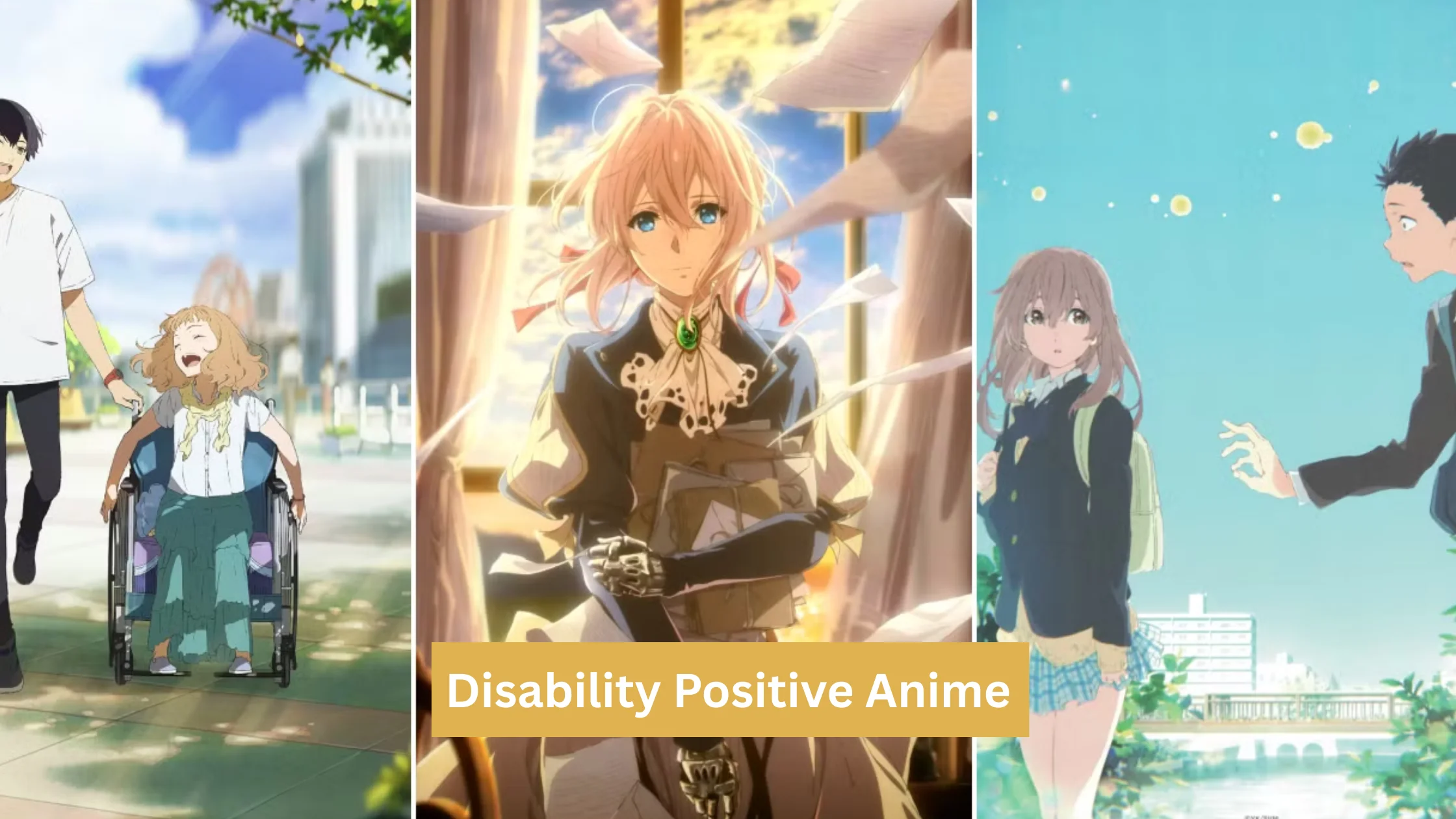
Naoko Yamada brings a softer yet powerful touch. In A Silent Voice, she focuses on small gestures and quiet pauses. A glance or a slight movement can carry deep emotion, which makes the story feel more personal.
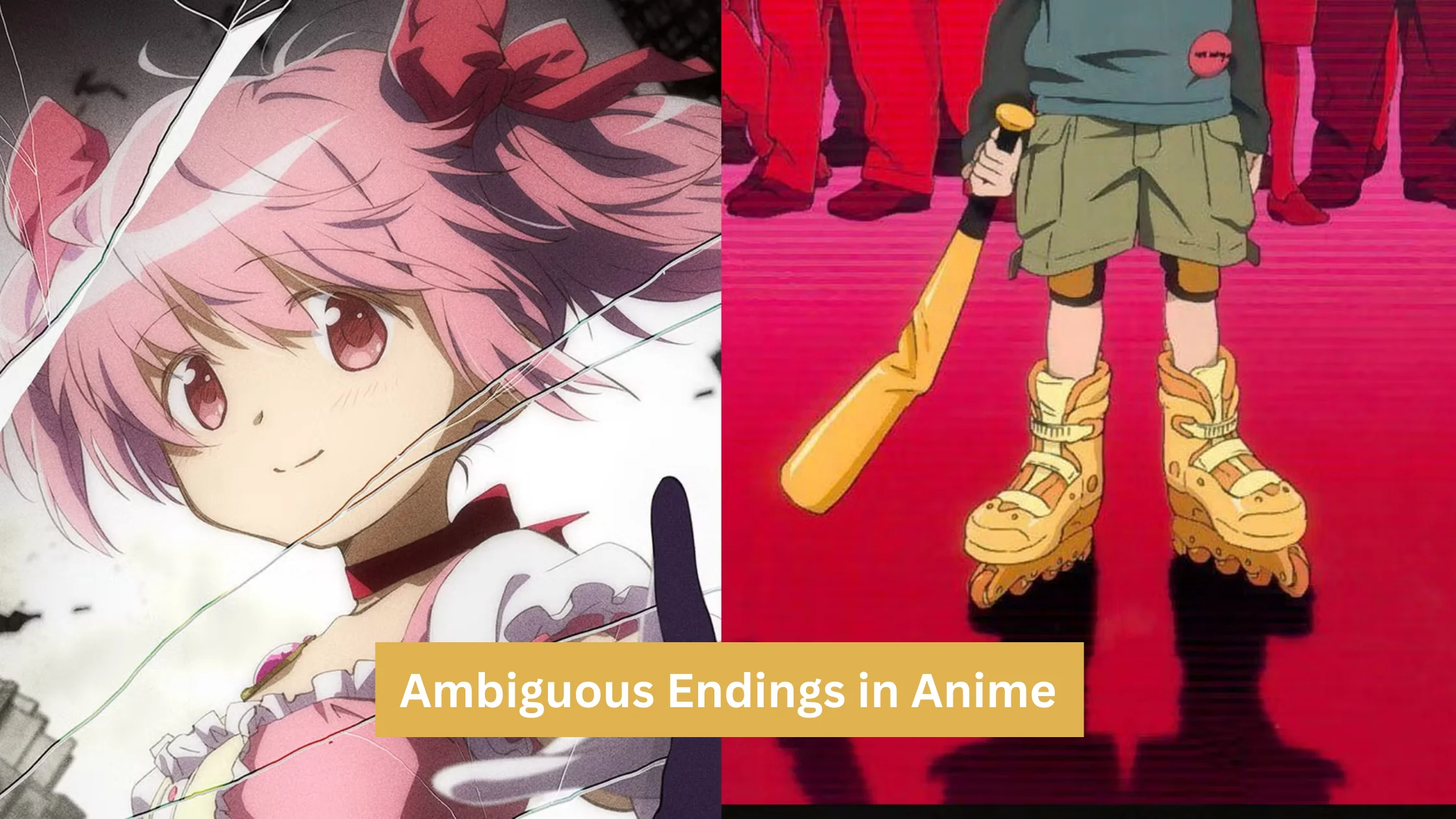
Takeshi Koike takes a bold approach in Redline. His work bursts with energy and color. The motion feels intense and almost overwhelming, yet it remains clear and engaging.
These scenes remind us that animation is not just about movement. It shapes how we feel in a moment. A well crafted sequence can turn a simple idea into something unforgettable.
Studios Associated with Top Animators
Great animators rarely grow in isolation. The studio they work with often shapes their style and gives them the space to experiment and improve. A strong studio creates an environment where creativity can thrive.
Studio Ghibli is known for its rich detail and emotional storytelling. Animators here focus on natural movement and subtle expression. Every scene feels carefully crafted, which gives their films a timeless quality.
Kyoto Animation has built a reputation for consistency and care. The studio puts strong emphasis on its artists. This support allows animators to refine their skills and deliver polished work. Their scenes often feel warm and deeply personal.
Madhouse takes a more flexible approach. It often encourages experimentation and bold ideas. This freedom leads to visually striking projects that stand out from the rest.
These studios do more than produce anime. They help shape the careers of talented artists and influence how animation evolves over time.
Signature Styles and Techniques
Every animator leaves a personal mark on their work. Over time, that approach becomes easy to recognize. It is like a signature that sets them apart from others.
Some animators focus on smooth and flowing motion. Their scenes feel natural and easy to follow. Others lean toward sharp movement and bold exaggeration. This style adds energy and intensity. A few go even further and experiment with abstract visuals that break traditional rules.
Shinya Ohira is a great example of creative freedom. He uses unusual shapes and timing that make his scenes feel almost dreamlike. His work does not follow a predictable pattern, which makes it stand out.
On the other hand, Yutaka Nakamura focuses on realism. His animation shows careful attention to physics and movement. Every action feels grounded, which makes his scenes more believable.
These different techniques bring variety to anime. They give each project its own identity and keep the medium fresh for viewers.
Contribution to Anime Evolution
Animators have always driven the growth of anime. In the early years, limited budgets meant fewer frames and simpler motion. Even so, artists found clever ways to create impact with timing and composition.
As time passed, new techniques began to lift those limits. Smoother movement and better staging made scenes feel more alive. Action gained clarity. Quiet moments gained depth.
Digital tools changed the workflow again. Today, animators blend hand drawn skills with modern software. This mix allows for richer effects, more complex shots, and greater control over detail. The result is a wider range of visual styles.
Innovators like Yoshinori Kanada pushed these changes forward. His bold approach encouraged others to take risks and try new ideas. That spirit of experimentation still guides the industry. Because of this steady progress, anime keeps evolving with each generation.
Legacy and Impact on Modern Anime
The influence of great animators never fades. It carries forward through every new artist who studies their work and learns from it. Their ideas continue to shape how scenes move and feel today.
You can see this clearly in modern series like Jujutsu Kaisen. The smooth action and sharp detail reflect techniques that earlier legends helped develop. What once felt groundbreaking has now become part of the standard.
Studios also play a role in keeping this legacy alive. They invest time in training and guiding new talent. This support allows young animators to grow while still respecting the craft that came before them.
In many ways, past animators built the foundation for everything we see now. Without their creativity and effort, modern anime would not have the same energy or visual strength.
Conclusion
Anime animators are the artists who give life to every unforgettable moment. Their skill, creativity, and dedication shape how stories feel on screen. From early pioneers who introduced bold techniques to modern artists who refine them, each generation adds something new to the craft.
Directors may guide the vision, but animators turn that vision into motion and emotion. They define how a scene moves, how a character reacts, and how a moment stays with the audience. As anime continues to reach viewers around the world, their role becomes even more important.
When you recognize their work, the experience of watching anime changes. You begin to notice the small details and the effort behind each frame. Every scene becomes more meaningful because you understand the artistry behind it.
Read More:
Why Shy Characters in Anime Are So Relatable