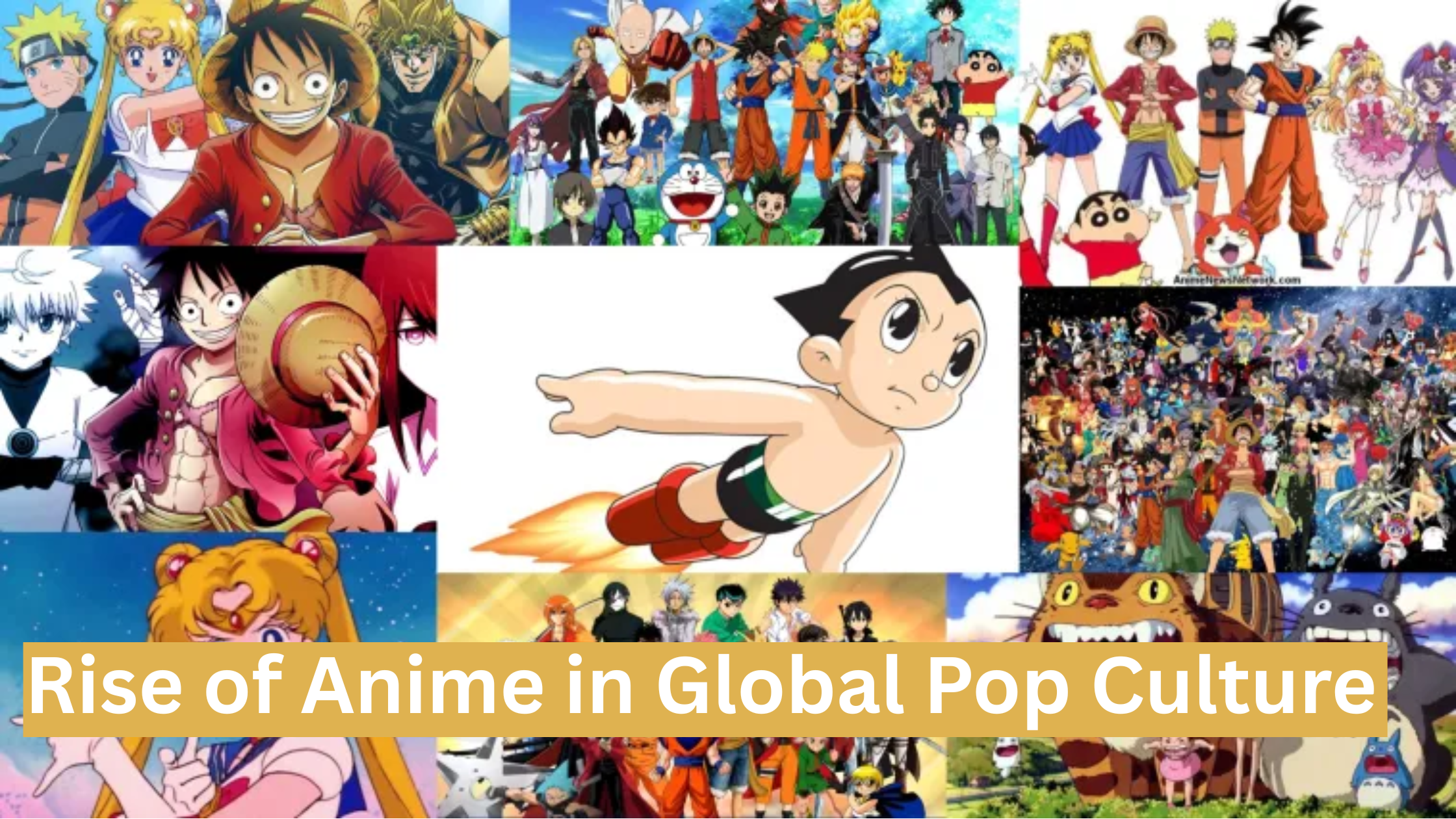
The rise of anime in global pop culture has transformed how people around the world experience entertainment, fashion, music, and social media. What was once considered a niche interest outside Japan has become a mainstream phenomenon, attracting millions of fans across different countries and generations. From streaming platforms and Hollywood adaptations to viral social media trends, anime has become an influential part of modern pop culture.
So, what makes anime so popular? One of its biggest strengths is its diversity of storytelling. Whether you enjoy action, romance, comedy, fantasy, or psychological thrillers, there’s something for everyone. Its distinctive animation styles, memorable characters, and emotionally engaging stories connect with audiences across cultures, making anime much more than just another form of entertainment.
In this article, we’ll explore how anime has become a major part of global pop culture, from international conventions and cosplay communities to celebrity fandoms, fashion collaborations, and viral social media trends. We’ll also look at how anime influences Western animation and why Gen Z and Millennials connect so strongly with it. By the end, you’ll understand why anime is no longer seen as just a niche hobby but an important part of today’s global entertainment culture.
1. From Niche Hobby to Mainstream Popularity
For many years, anime remained a niche interest outside Japan, mainly attracting fans of Japanese culture and animation. Western audiences often discovered shows like Dragon Ball Z, Pokémon, and Sailor Moon through television broadcasts, VHS tapes, and imported DVDs. Although these series developed dedicated fan communities, anime was still largely considered a subculture rather than mainstream entertainment.
The 2010s marked a major turning point in the rise of anime worldwide. Streaming platforms like Netflix, Crunchyroll, and Funimation made anime more accessible to international audiences. Popular series such as Attack on Titan, My Hero Academia, and Demon Slayer attracted massive global attention, while social media helped spread anime clips, memes, and fan art to millions of users.
Today, anime has become an influential part of global pop culture, reaching audiences across different ages and backgrounds. Its influence extends beyond television and streaming into fashion, music, social media, and mainstream entertainment. What was once a niche hobby has grown into a major cultural force with an increasingly visible presence around the world.
2. Anime Conventions and Cosplay Culture Going Global
Anime conventions are among the clearest signs of how anime has grown from a niche hobby into mainstream pop culture. Events like Anime Expo in Los Angeles, San Diego Comic-Con, and Japan Expo in Paris bring together large audiences of fans interested in Japanese animation and popular culture. These gatherings give visitors opportunities to meet voice actors, attend panels, explore exclusive merchandise, and connect with communities that share their passion for anime.
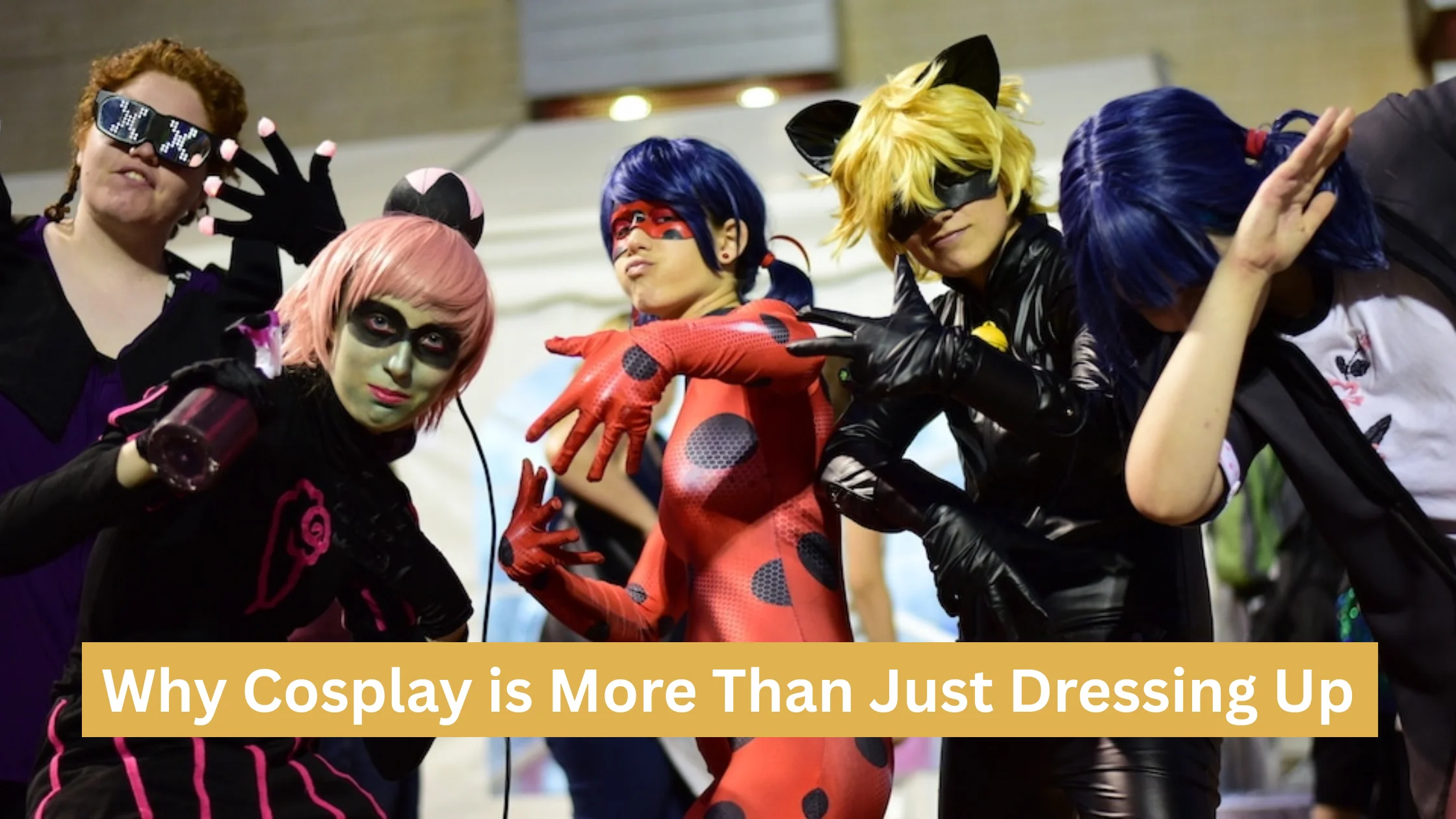
Cosplay has grown alongside this global anime convention culture. From detailed costumes inspired by characters like Naruto, Sailor Moon, and Demon Slayer to live performances and character reenactments, cosplay gives fans a creative way to express their love for anime. Platforms like Instagram, TikTok, and YouTube have expanded its reach, with cosplay tutorials, costume transformations, and competition videos attracting audiences around the world.
Anime cosplay has also made its way into mainstream fashion and entertainment. Designers have collaborated with anime franchises, while celebrities have taken part in cosplay-inspired photoshoots and events. Today, cosplay is more than dressing up as a favourite character; it has become a global creative community that connects fans across cultures and generations, further strengthening anime’s influence on worldwide pop culture.
3. Hollywood’s Attempts at Anime and Manga Adaptations
As anime and manga have gained global popularity, Hollywood studios and streaming platforms have shown growing interest in bringing popular Japanese stories to live-action audiences. Notable examples include One Piece Live Action on Netflix and Alita: Battle Angel, directed by Robert Rodriguez and produced by James Cameron and Jon Landau. These projects introduce familiar Japanese stories and characters to viewers who may not usually watch anime.
However, adapting anime and manga for live action comes with challenges. Filmmakers must translate distinctive visual styles, imaginative action sequences, character personalities, and cultural details into a different format. Netflix’s Death Note (2017) faced criticism for changing important characters and story elements, showing how difficult it can be to balance creative freedom with the expectations of longtime fans.
Despite these challenges, successful adaptations demonstrate anime and manga’s growing influence on global entertainment. Netflix’s One Piece live-action series attracted 18.5 million views within its first four days and reached the Top 10 in 93 countries. Its strong debut showed that Japanese storytelling can connect with mainstream audiences when an adaptation resonates with both existing fans and new viewers.
The growing interest in these projects highlights the connection between Japanese animation, manga, and Western live-action entertainment. As more studios explore Japanese stories, their influence on global pop culture continues to expand.
4. Anime x Fashion Collaborations
Anime’s influence extends far beyond screens, making a noticeable impact on the global fashion industry. Over the years, well-known brands like Uniqlo, Adidas, and Gucci have drawn on popular anime and manga franchises for special collections and collaborations. These partnerships bring Japanese pop culture into everyday fashion, allowing fans to express their interests through clothing, footwear, and accessories.
Uniqlo is a strong example, with its UT collections featuring popular series such as Dragon Ball, One Piece, and Neon Genesis Evangelion. Adidas has also released anime-inspired footwear, including a limited Neon Genesis Evangelion-themed unbelievable Fast sneaker design. Meanwhile, Gucci collaborated with the iconic Japanese character Doraemon on a luxury collection in 2021, bringing anime-inspired designs into high-end fashion.
These collaborations show how anime has moved beyond traditional entertainment and become part of everyday lifestyle and fashion. Fans can now celebrate their favourite series through graphic T-shirts, sneakers, accessories, and designer collections, creating a crossover between storytelling, art, and personal style.
This growing connection between anime and fashion further highlights anime’s place in global pop culture. Its distinctive characters, colours, and visual style continue to inspire designers and connect with audiences far beyond Japan.
5. K-pop & Anime Fanbase Overlaps
K-pop and anime may come from different entertainment industries, but they share many qualities that appeal to fans, particularly younger audiences. Both are known for distinctive visual styles, memorable characters and personalities, emotional storytelling, and highly engaged online communities. These similarities create natural connections between people who enjoy both forms of entertainment.
K-pop idols have also helped bring anime into conversations with their fans by sharing their personal interests. For example, BTS members have openly discussed their favourite anime, including Naruto, Dragon Ball, and One Piece. These mentions often become talking points among fans, inspiring anime recommendations, social media discussions, memes, and fan-created content.
The connection can also be seen in music and visual collaborations. K-pop performances often feature colourful costumes, expressive choreography, and cinematic concepts that anime fans may find familiar. A notable crossover is TOMORROW X TOGETHER’s collaboration with composer Hiroyuki Sawano on “LEveL,” the opening theme for the Solo Leveling anime.
Platforms like TikTok, Instagram, and YouTube make it easier for fans to discover both K-pop and anime content, share their interests, and participate in crossover trends. This growing cultural connection shows how anime has become part of a wider global entertainment landscape, reaching audiences well beyond traditional anime communities.
6. Role of TikTok & Instagram in Viral Anime Edits
Social media platforms like TikTok and Instagram have changed how anime reaches global audiences, particularly younger viewers. Short-form videos allow fans to create and share anime edits, scene compilations, and memes that can quickly gain attention. These platforms have made it easier for anime content to reach people beyond traditional fan communities.
Many viral edits feature dramatic music, trending sounds, and emotional scenes from popular titles like Demon Slayer, Attack on Titan, and Your Name. The combination of striking animation, memorable moments, and short video formats makes anime content highly shareable. These edits can also spark curiosity among new viewers, encouraging them to explore the original series or films on streaming platforms.
Content creators and influencers contribute to this growing trend by sharing anime theories, character discussions, cosplay transformations, and creative video edits. Their content gives fans new ways to engage with their favourite shows while introducing popular anime characters and storylines to wider audiences.
Platforms like TikTok, Instagram, and YouTube have become important spaces for anime fandom and discovery. They help existing fans celebrate their favourite series while giving newcomers an easy way to explore Japanese animation. This growing social media presence further strengthens anime’s influence on global pop culture.
7. Celebrities Who Love Anime
Anime’s global influence extends beyond conventions and social media, reaching some of the biggest names in entertainment. When well-known actors and musicians openly share their interest in Japanese animation, they help bring anime into mainstream conversations and show that its appeal goes far beyond traditional fan communities.
Michael B. Jordan, known for Black Panther and Creed, is a well-known anime fan who has spoken openly about his love for Naruto, Dragon Ball Z, and other series. His passion for anime even influenced the fight sequences and visual style of Creed III. He has also collaborated with fashion brand Coach on a Naruto-inspired collection, bringing his interest in anime into mainstream fashion.
Musicians have also helped make anime more visible in popular culture. Megan Thee Stallion is an outspoken anime fan who has shared her love for series like My Hero Academia, Attack on Titan, and Jujutsu Kaisen. She has appeared in anime-inspired photoshoots, worn character-inspired cosplay, collaborated with Crunchyroll, and embraced her anime-loving identity through her music and public appearances.
Billie Eilish has also been spotted wearing merchandise inspired by anime series such as Death Note, JoJo’s Bizarre Adventure, and Attack on Titan. While this demonstrates anime’s presence in celebrity fashion, it is more accurate to describe it as anime-inspired style rather than evidence of a confirmed personal fandom.
These examples show how anime has become visible across entertainment, fashion, and music. As celebrities incorporate anime references into their creative work and public appearances, they help bring Japanese animation into wider cultural conversations and strengthen its place in global pop culture.
8. Anime’s Impact on Western Animation
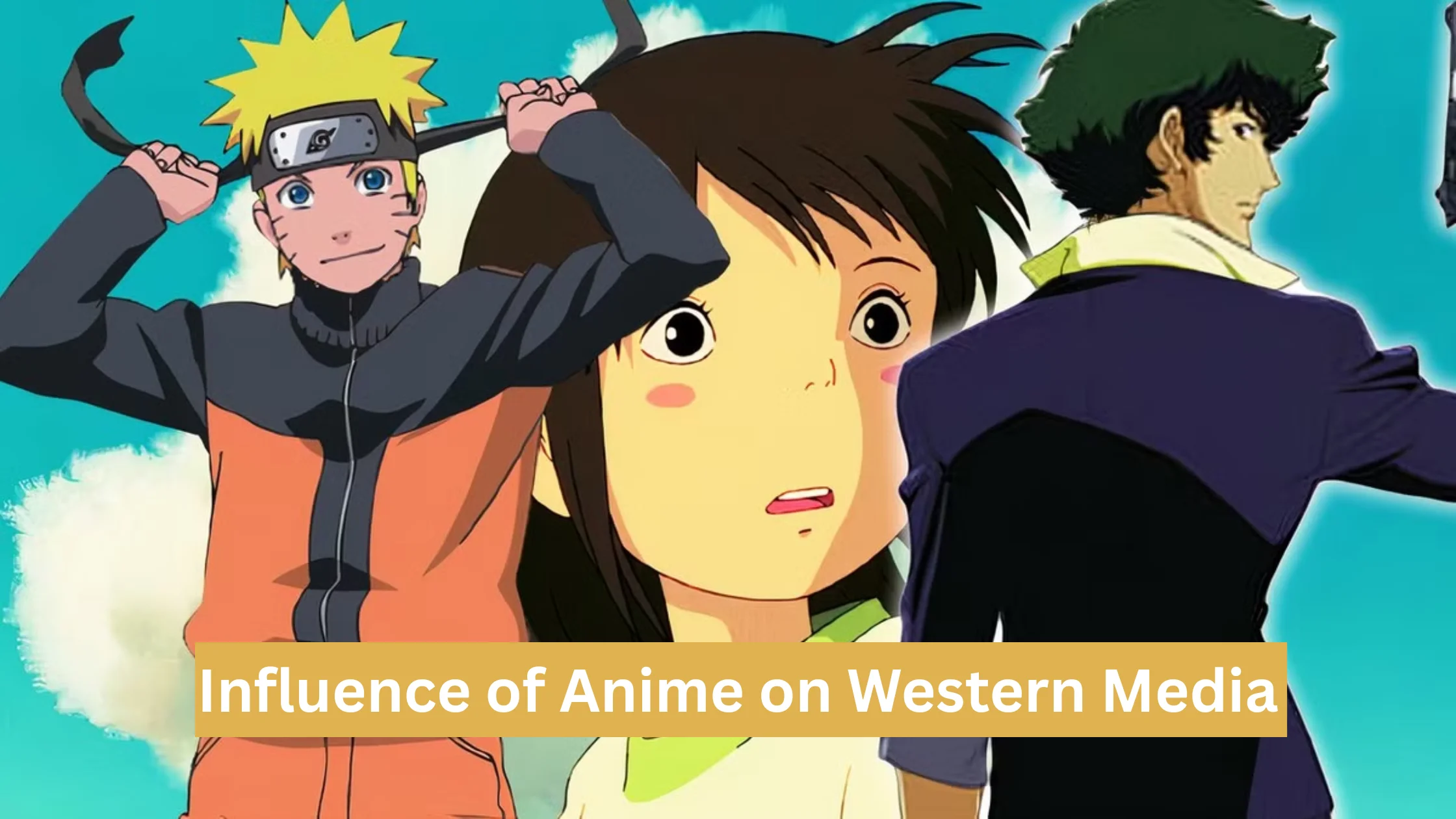
Anime has influenced global pop culture in many ways, including the development of Western animation. One notable example is Avatar: The Last Airbender (2005–2008), an American animated series that draws inspiration from anime, Asian cultures, and martial arts traditions. Although it is not technically Japanese anime, its fluid fight choreography, character-driven storytelling, and detailed worldbuilding reflect qualities that many viewers associate with anime.
Other Western animated series, including The Legend of Korra, Teen Titans, and RWBY, also showcase anime-inspired visuals, expressive characters, and serialized storytelling. These shows explore complex relationships, emotional character development, and moral conflicts, demonstrating how Western creators have embraced storytelling approaches often associated with Japanese animation.
This cultural exchange works in both directions. Japanese anime has also drawn inspiration from Western comics, superhero stories, and cinematic techniques. Over time, these influences have created a creative blend of storytelling styles that appeals to audiences across different countries and cultures.
By influencing Western animation, anime has expanded its cultural reach beyond Japan. Its storytelling techniques, visual styles, and character-driven narratives continue to inspire creators around the world, strengthening its position as an important force in the global animation industry.
9. Why Anime Resonates with Gen Z & Millennials
Anime’s growing popularity is closely connected to its appeal among Gen Z and Millennial audiences. Unlike many conventional entertainment formats, anime explores a wide range of themes, including identity, friendship, personal struggles, and moral dilemmas. Series and films like Attack on Titan, Your Name, and My Hero Academia combine action, romance, humour, and emotional storytelling, giving viewers different ways to connect with the characters and their experiences.
Social media has also helped strengthen this connection. Platforms like TikTok, Instagram, and YouTube allow fans to share anime edits, memes, reviews, and theories. Online discussions, cosplay communities, and anime clubs give viewers opportunities to connect with others who share their interests, making anime more than just something to watch.
Another reason anime appeals to younger audiences is its distinctive visual style. From expressive character designs and detailed animation to imaginative worlds, anime offers a viewing experience that works especially well in today’s visual digital culture. Many series also explore relatable subjects such as identity, friendship, mental health, and social pressure, giving viewers more to think about beyond the entertainment itself.
Ultimately, anime connects with many Gen Z and Millennial viewers through its combination of creativity, emotional storytelling, and community engagement. It offers both escapism and meaningful themes, while social media makes it easier for fans to share their favourite moments and keep anime part of everyday global pop culture.
Conclusion
Once considered a niche form of entertainment, anime has become a major part of global pop culture. From Hollywood adaptations and fashion collaborations to viral social media trends and celebrity fandoms, Japanese animation now influences how people around the world watch, share, and experience entertainment. Its imaginative worlds, memorable characters, and emotional storytelling have helped it connect with audiences across cultures and generations.
Anime’s influence can be seen in international conventions, cosplay communities, Western animation, fashion, music, and online fandoms. Streaming platforms have also made it easier for viewers worldwide to discover new series and explore different genres, helping anime reach audiences far beyond Japan.
For many Gen Z and Millennial fans, anime is more than entertainment. It is a source of inspiration, a way to connect with like-minded people, and a creative part of everyday pop culture. Whether you’re a casual viewer or a dedicated fan, anime offers stories and experiences that can stay with you long after the screen goes dark.
The idea that anime is “just for kids” no longer reflects its global influence. Anime has become an important part of modern entertainment and continues to shape worldwide pop culture. If you enjoy anime, bookmark Anime Arena X for more anime recommendations, news, insights, and updates.
Pop Culture Anime FAQs
1. Is anime considered part of pop culture?
Yes, anime is an important part of global pop culture. Its influence can be seen in fashion, music, social media, gaming, celebrity culture, and mainstream entertainment. International conventions, streaming platforms, and fan communities have also helped make anime popular worldwide.
2. Why is anime so popular worldwide?
Anime’s popularity comes from its diverse genres, creative animation, memorable characters, and emotionally engaging storytelling. From action and fantasy to romance and psychological thrillers, it offers something for different audiences. Streaming platforms and social media have also made anime easier to discover and watch.
3. Is anime mainstream now?
Yes, anime has become mainstream entertainment in many parts of the world. Major streaming platforms feature extensive anime libraries, while anime-inspired fashion, live-action adaptations, theatrical releases, and celebrity fandoms have increased its visibility beyond traditional anime communities.
4. Why is Gen Z so obsessed with anime?
Many Gen Z viewers connect with anime because of its expressive characters, imaginative storytelling, and themes such as friendship, identity, personal growth, and emotional struggles. TikTok, Instagram, and online fan communities also make it easier to share favourite scenes, discover new series, and connect with other fans.
5. How has anime influenced global fashion and entertainment?
Anime has influenced fashion through collaborations between Japanese animation franchises and international brands such as Uniqlo, Adidas, and Gucci. Its visual styles and storytelling have also inspired Western animation, music videos, merchandise, live-action adaptations, and creative projects.
6. How do TikTok and Instagram help make anime popular?
TikTok and Instagram help anime reach new audiences through short video edits, memes, cosplay transformations, fan theories, and trending sounds. These posts make popular characters and scenes more visible, often encouraging viewers to explore the original anime series.