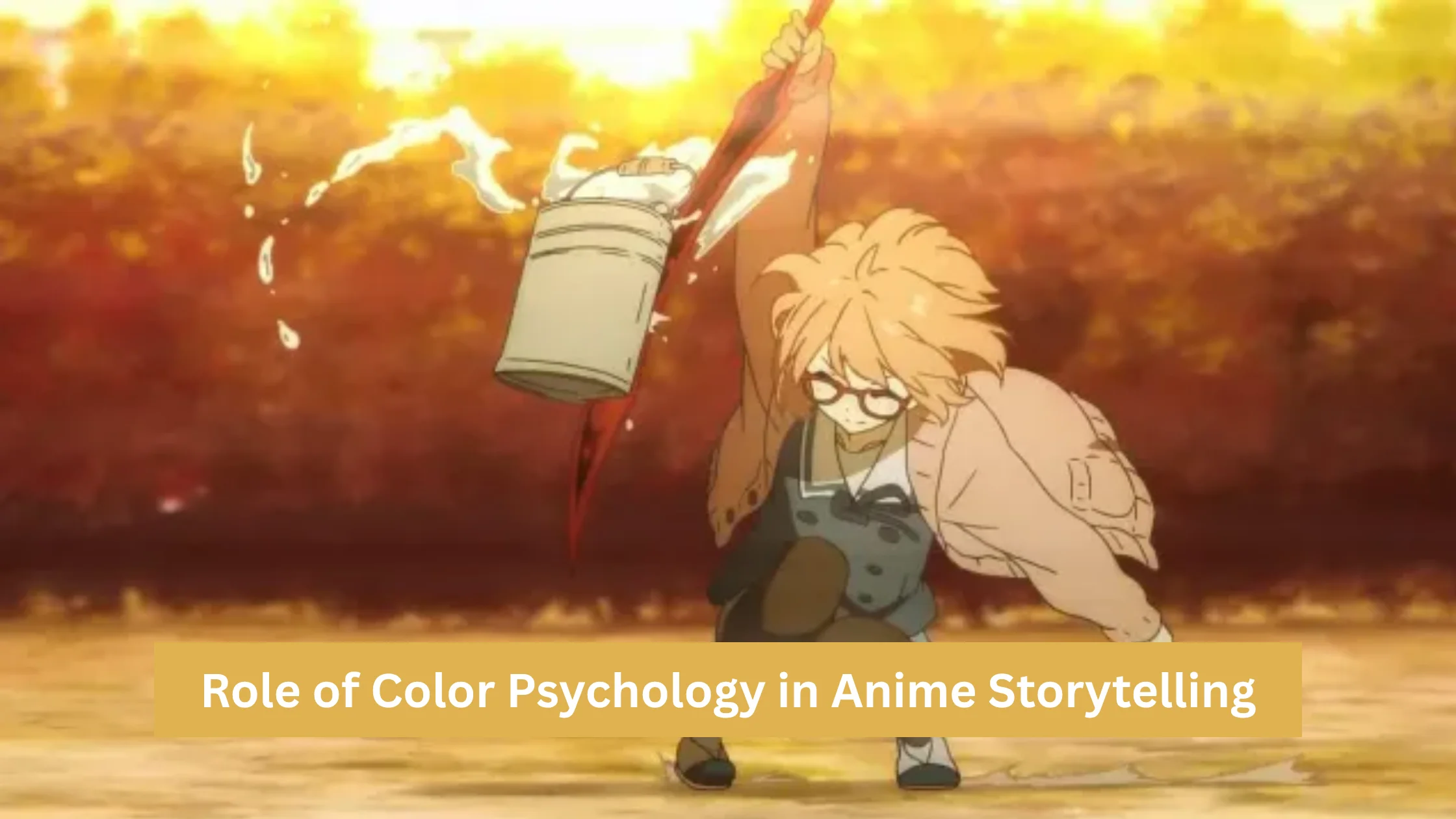
Anime is often praised for its beautiful animation and emotional storytelling. However, there is one element that quietly shapes how we feel while watching a scene. That element is color.
At first glance, colors may seem like simple visual choices. Yet in anime, they carry meaning, mood, and intention. A bright sky can signal hope. A dark red tone can create tension. Even subtle shifts in lighting can change how we interpret a moment.
Color psychology plays a powerful role in how stories are told. It influences how we connect with characters and how we understand their emotions. In many cases, viewers feel something before they even realize why.
Let us explore how anime uses color psychology to enhance storytelling and create unforgettable experiences.
Basics of Color Psychology
Color psychology studies how different colors affect human emotions and behavior. Although reactions may vary slightly across cultures, many associations remain consistent.
For example, blue often represents calmness or sadness. Red can signal passion, danger, or urgency. Yellow tends to feel warm and cheerful, while black may suggest mystery or fear.
Anime creators use these associations to guide the audience’s emotional response. Instead of explaining everything through dialogue, they let colors do part of the storytelling.
This technique works because the human brain processes color quickly. Even before we understand the scene, we react to its visual tone. As a result, color becomes a silent narrator that supports the story without words.
Studio Use of Color Symbolism
Anime studios carefully plan color schemes during production. Each project begins with concept art that defines the visual identity of the series.
Color symbolism plays a key role in this process. Artists assign specific colors to themes, locations, and characters. These choices remain consistent throughout the story.
For instance, peaceful environments often use soft blues and greens. In contrast, dangerous settings may rely on dark tones or intense reds.
Studios like Studio Ghibli are known for using natural color palettes to create emotional depth. Their films often reflect real-world lighting and seasonal changes.
Through careful planning, studios ensure that every scene supports the emotional tone of the narrative.
Trends in Character Palette
Character design is one of the most visible uses of color psychology. Each character’s color palette reflects their personality and role in the story.
Heroes often wear bright or balanced colors. These tones suggest optimism and clarity. Villains may feature darker or sharper contrasts to create a sense of threat.
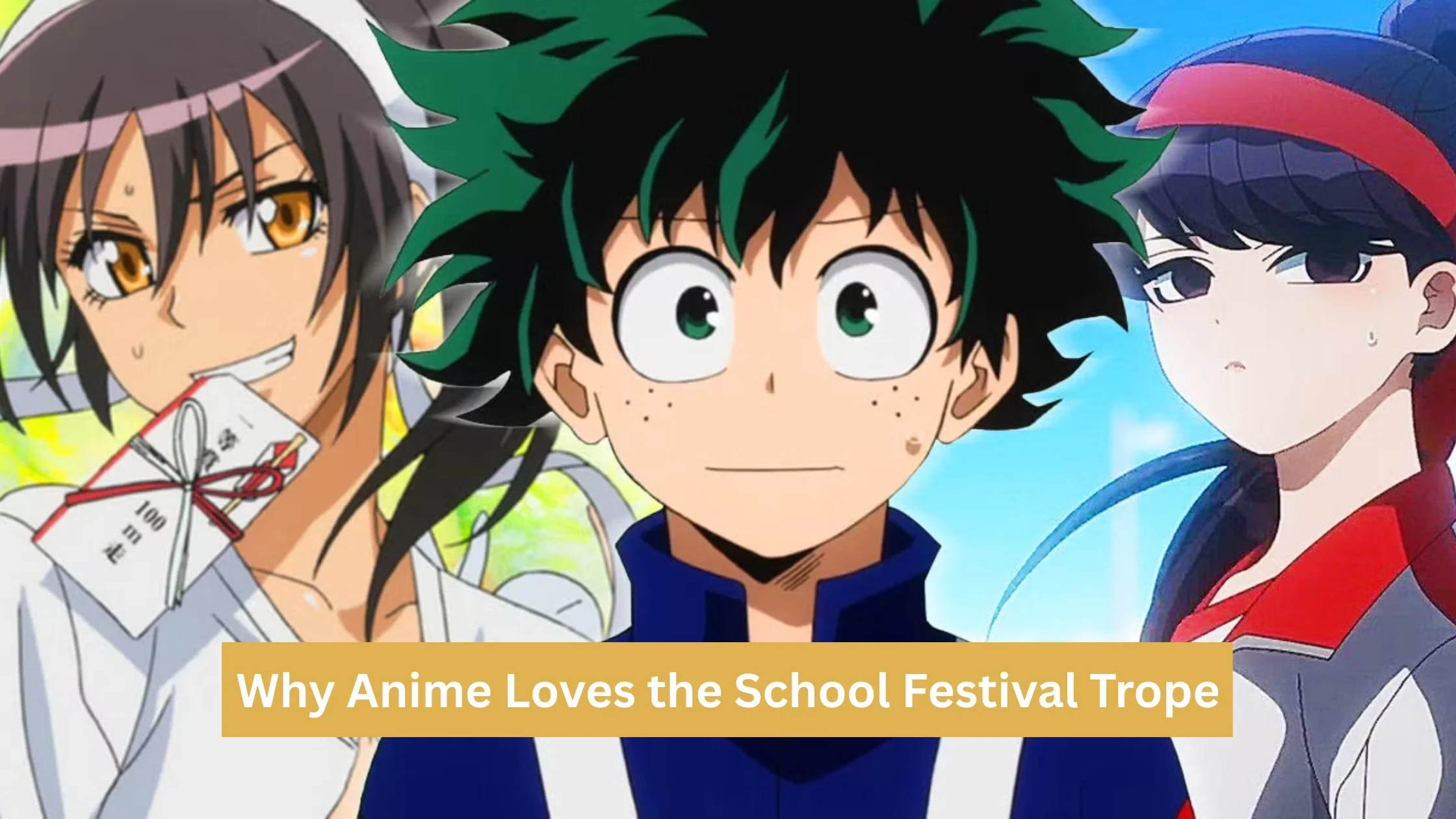
For example, in My Hero Academia, many heroes wear vibrant costumes that reflect their abilities and personalities. Each design feels distinct and memorable.
Over time, trends have shifted. Modern anime sometimes uses softer or more realistic palettes. This approach helps characters feel grounded and relatable.
Despite these changes, the goal remains the same. Colors help viewers understand characters instantly.
Contrasts for Dramatic Effects
Contrast is one of the most powerful tools in anime storytelling. By placing different colors side by side, creators highlight emotional tension and important moments.
A bright character standing in a dark environment immediately draws attention. This visual contrast emphasizes isolation or danger.
Similarly, sudden changes in color can signal a shift in tone. A peaceful scene may suddenly turn red or shadowy during a conflict. This change creates impact without needing explanation.
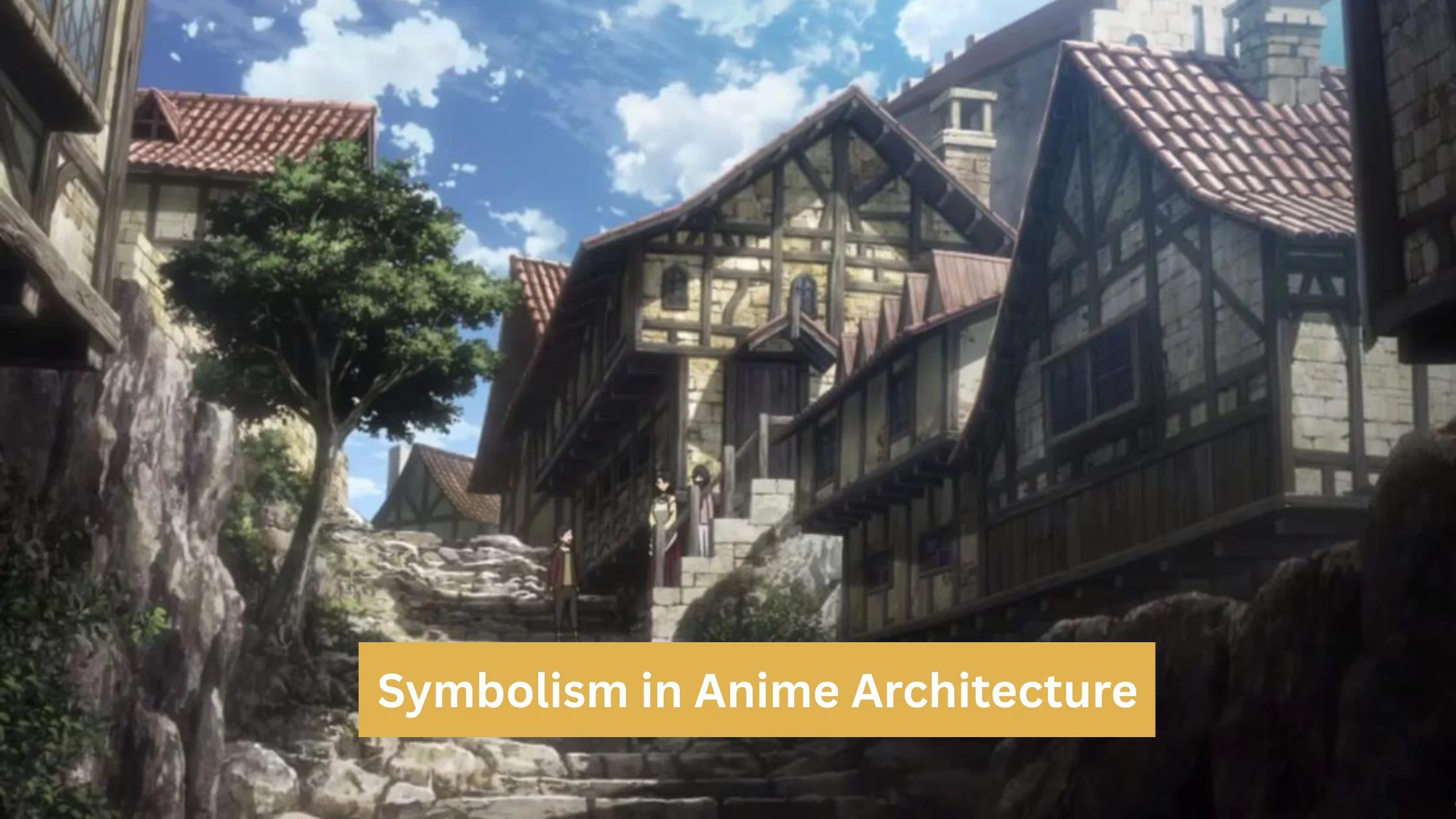
In action series like Attack on Titan, dramatic contrasts enhance the intensity of battle scenes. Light and shadow work together to create a sense of urgency. Through contrast, anime transforms simple visuals into emotional experiences.
Coloring in Genre Differentiation
Different anime genres often use distinct color styles. This helps viewers recognize the tone of a series even before the story unfolds. Romance anime tends to use soft pastels and warm lighting. These colors create a gentle and emotional atmosphere.
In contrast, horror anime often relies on dark palettes with limited brightness. Shadows and muted tones increase tension and fear.
Fantasy and adventure series usually feature rich and vibrant colors. These visuals highlight the imaginative nature of their worlds.
For example, Spirited Away uses a wide range of colors to bring its magical setting to life. Each location feels unique and memorable. Genre-based coloring helps audiences quickly understand what kind of story they are about to experience.
Emotional Evolution Through Color Scenes
One of the most interesting uses of color in anime is emotional progression. As characters grow, the color palette often changes alongside them.
Early scenes may use dull or neutral tones to reflect uncertainty. As the story develops, brighter colors may appear to show hope or transformation.
In some cases, the opposite happens. A cheerful palette may gradually darken as the story becomes more serious.
For instance, Your Lie in April uses color shifts to reflect emotional highs and lows. Bright moments feel lively, while sad scenes appear softer and more muted. These changes guide the audience through the character’s journey without direct explanation.
Examples from Classic and Modern Anime
Both classic and modern anime demonstrate the power of color psychology. Each era brings its own style while maintaining strong emotional storytelling.
Classic series like Neon Genesis Evangelion use bold contrasts and symbolic colors to explore complex themes. Red often appears during intense or unsettling moments.
Modern anime such as Demon Slayer: Kimetsu no Yaiba combines vibrant colors with fluid animation. Each attack and environment features unique visual effects that enhance storytelling.
These examples show how color continues to evolve while remaining essential to the medium.
Viewer Subconscious Reactions
One of the most fascinating aspects of color psychology is how it affects viewers subconsciously. People often feel emotions without realizing the visual cues behind them.
A warm color palette can make a scene feel comforting. A cold or desaturated tone may create distance or sadness.
Because these reactions happen quickly, they strengthen immersion. Viewers become emotionally involved without needing logical explanations.
Anime uses this effect to guide audience perception. By controlling color, creators influence how scenes are interpreted. This subtle influence makes storytelling more powerful and engaging.
Impact on Merchandising
Color psychology also plays a role beyond the screen. It influences how anime products are designed and marketed.
Characters with strong color identities are easier to recognize. This makes them ideal for merchandise such as figures, clothing, and posters.
For example, the distinctive colors in Naruto help fans instantly identify characters. These designs translate well into products.
Bright and appealing colors attract attention in stores. They encourage fans to connect with their favorite series in a tangible way. As a result, color becomes both an artistic and commercial tool.
Predictions for Future Visual Trends
As technology advances, anime color design will continue to evolve. New tools allow artists to experiment with lighting, shading, and texture.
Future series may explore more realistic color grading. Others may push toward stylized and abstract visuals.
Global influences will also shape trends. As anime reaches wider audiences, creators may blend different artistic styles and cultural color meanings.
Additionally, digital platforms support higher resolution and richer visuals. This allows for more detailed and immersive color work. The future of anime color design looks dynamic and full of possibilities.
Conclusion
Color psychology plays a vital role in anime storytelling. It shapes emotions, defines characters, and enhances visual experiences. From subtle lighting changes to bold contrasts, every color choice serves a purpose.
Anime creators use color not only as decoration but as a storytelling tool. It guides audience reactions and deepens immersion without relying on dialogue. Over time, this approach has evolved through new technologies and creative experimentation.
As anime continues to grow globally, color design will remain at the heart of its appeal. It connects viewers to stories in ways that feel natural and powerful. Ultimately, color is not just what we see in anime—it is what we feel.