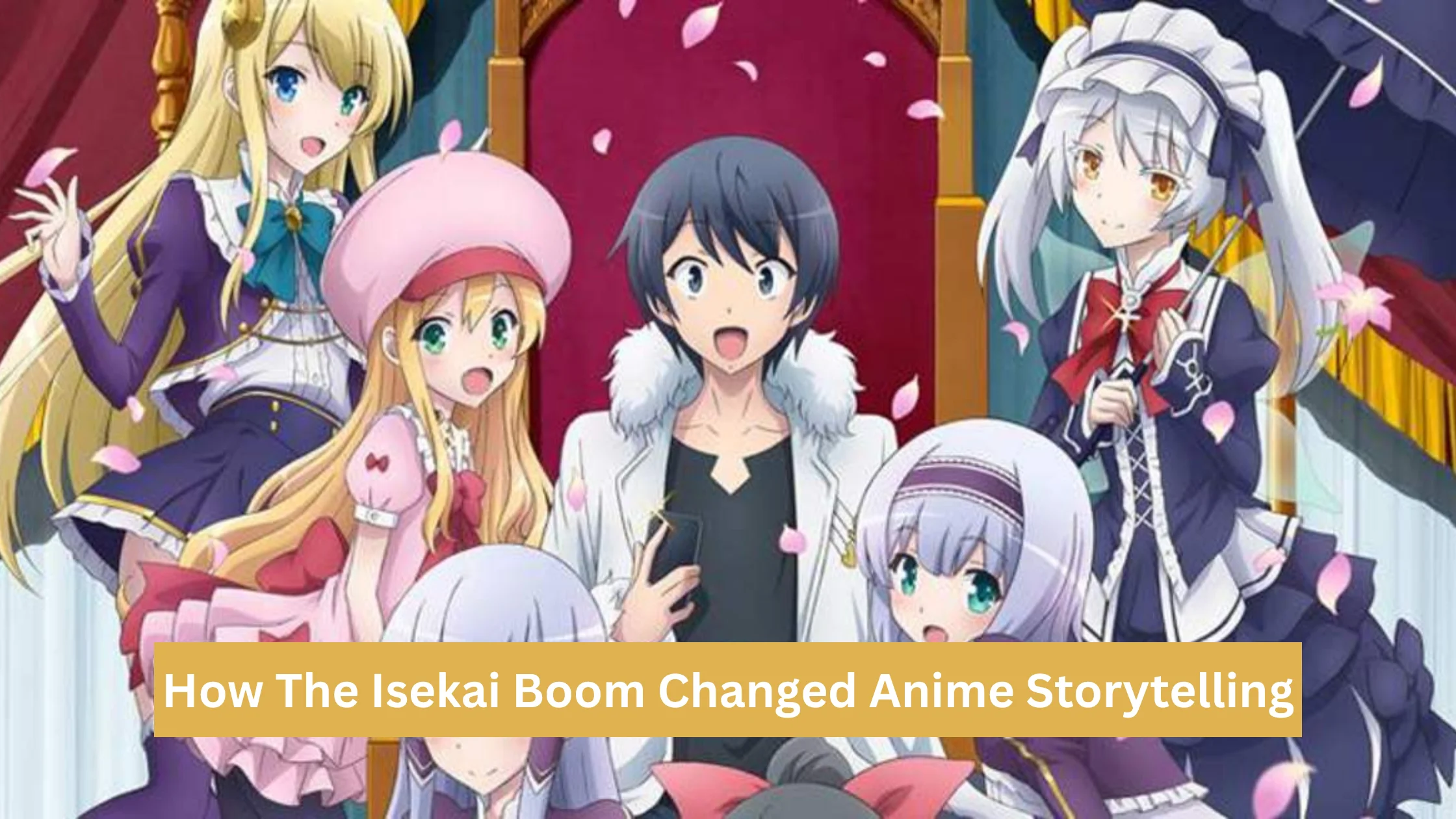
Anime has always evolved with time. New genres rise, trends shift, and audiences discover fresh ways to connect with stories. Yet in the past decade, one genre has taken center stage and reshaped how anime narratives are built. That genre is isekai.
The term “isekai” translates to “another world.” At its core, it tells stories of characters transported from their ordinary lives into fantastical realms. While the concept may sound simple, its impact on anime storytelling has been massive.
From game-like worlds to reincarnation plots, isekai has influenced pacing, character development, and even audience expectations. Some fans celebrate its creativity, while others feel overwhelmed by its popularity.
So how did this genre rise so quickly, and how exactly did it change anime storytelling? Let us explore the journey of isekai and understand why it continues to dominate screens around the world.
Origins of Isekai Genre
The idea of traveling to another world is not new. In fact, it appears in myths, novels, and folklore from many cultures. Stories about magical lands or parallel realities have existed for centuries.
In Japanese storytelling, early versions of isekai appeared in literature long before anime adopted the concept. These stories often involved characters who stumbled into spiritual realms or fantasy landscapes.
However, the defining element of modern isekai lies in its structure. The protagonist begins in a familiar setting. Then something extraordinary happens. Suddenly, they find themselves in a completely different world with new rules.
This contrast between the ordinary and the fantastical creates immediate intrigue. Viewers relate to the starting point because it mirrors real life. Then they experience wonder as the story shifts into something unexpected. Over time, this formula became a foundation for countless anime series.
Early Isekai Examples
Before the recent boom, several anime series explored isekai concepts in unique ways. These early examples helped shape the genre’s identity.
One of the most influential titles is Fushigi Yugi. The story follows a girl transported into a mystical book world inspired by ancient China. It blends romance, adventure, and fantasy.
Another classic example is Inuyasha. In this series, a modern schoolgirl travels to a feudal era filled with demons and magic. The narrative combines historical elements with supernatural action.
Meanwhile, Spirited Away presents a different take on isekai. Instead of focusing on combat or quests, it explores personal growth within a mysterious spirit world.
These early works emphasized emotional journeys and character development. They used the “another world” concept as a backdrop for meaningful storytelling.
Although they did not dominate the industry at the time, they laid the groundwork for future isekai trends.
Major Tropes Unique to Isekai
As the genre evolved, certain patterns began to appear repeatedly. These tropes became defining features of modern isekai storytelling.
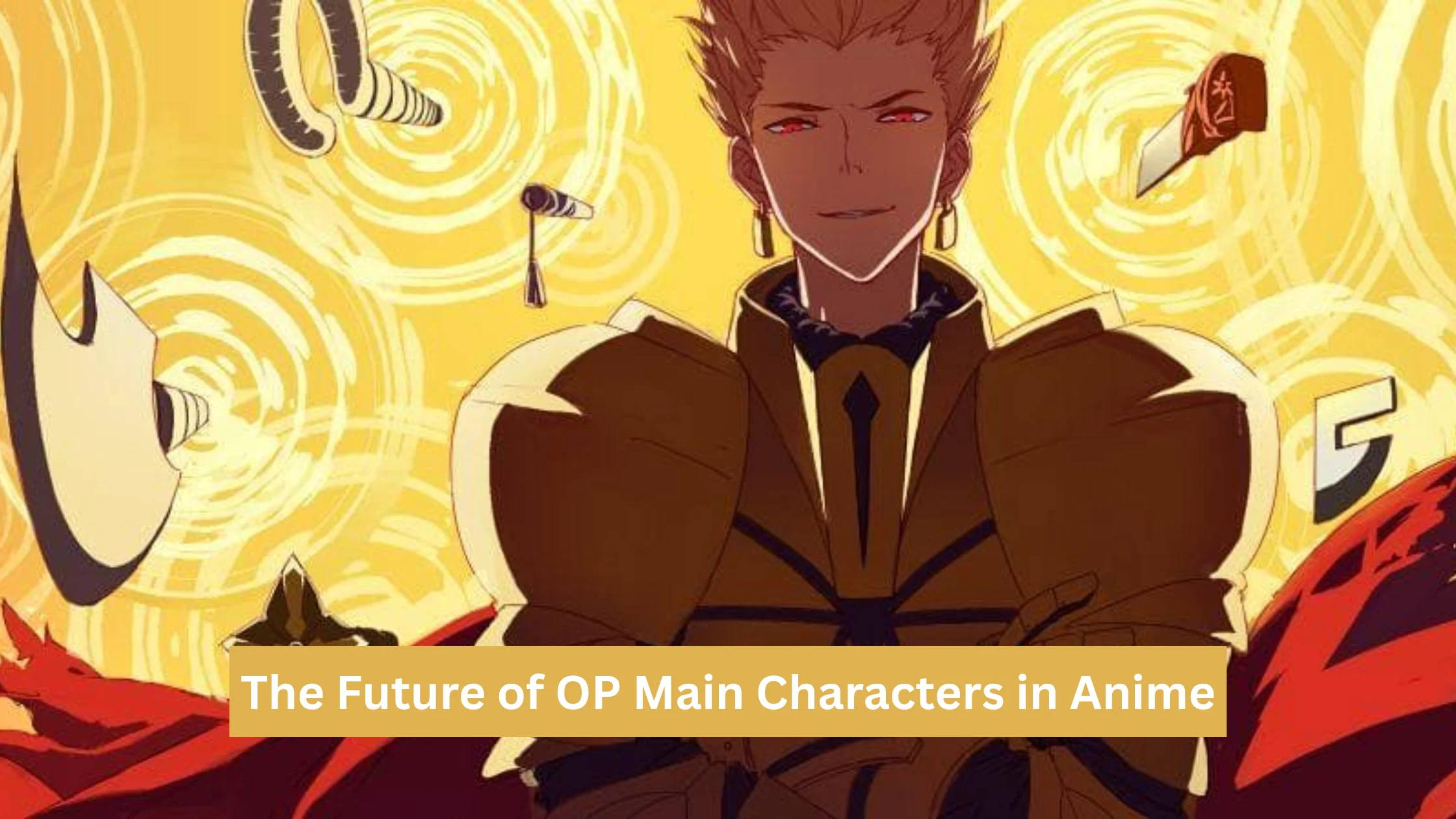
One of the most common tropes is the “overpowered protagonist.” After entering a new world, the main character gains extraordinary abilities. This allows them to overcome challenges quickly and impress other characters.
Another popular element involves game-like mechanics. Many isekai worlds operate like role-playing games. Characters have levels, skills, and status screens. This structure creates a sense of progression that viewers can easily follow.
Reincarnation is another key trope. Instead of being transported physically, the protagonist is reborn into a new world. Series like That Time I Got Reincarnated as a Slime explore this concept in creative ways.
Additionally, many isekai stories include the “fish out of water” dynamic. The protagonist must adapt to unfamiliar customs and environments. This leads to both humor and character growth.
While these tropes can feel repetitive at times, they also provide a familiar framework that audiences recognize instantly.
Evolution Post-2010
The isekai boom truly accelerated after 2010. Advances in digital publishing allowed light novels to gain popularity. Many of these novels featured isekai themes and were later adapted into anime.
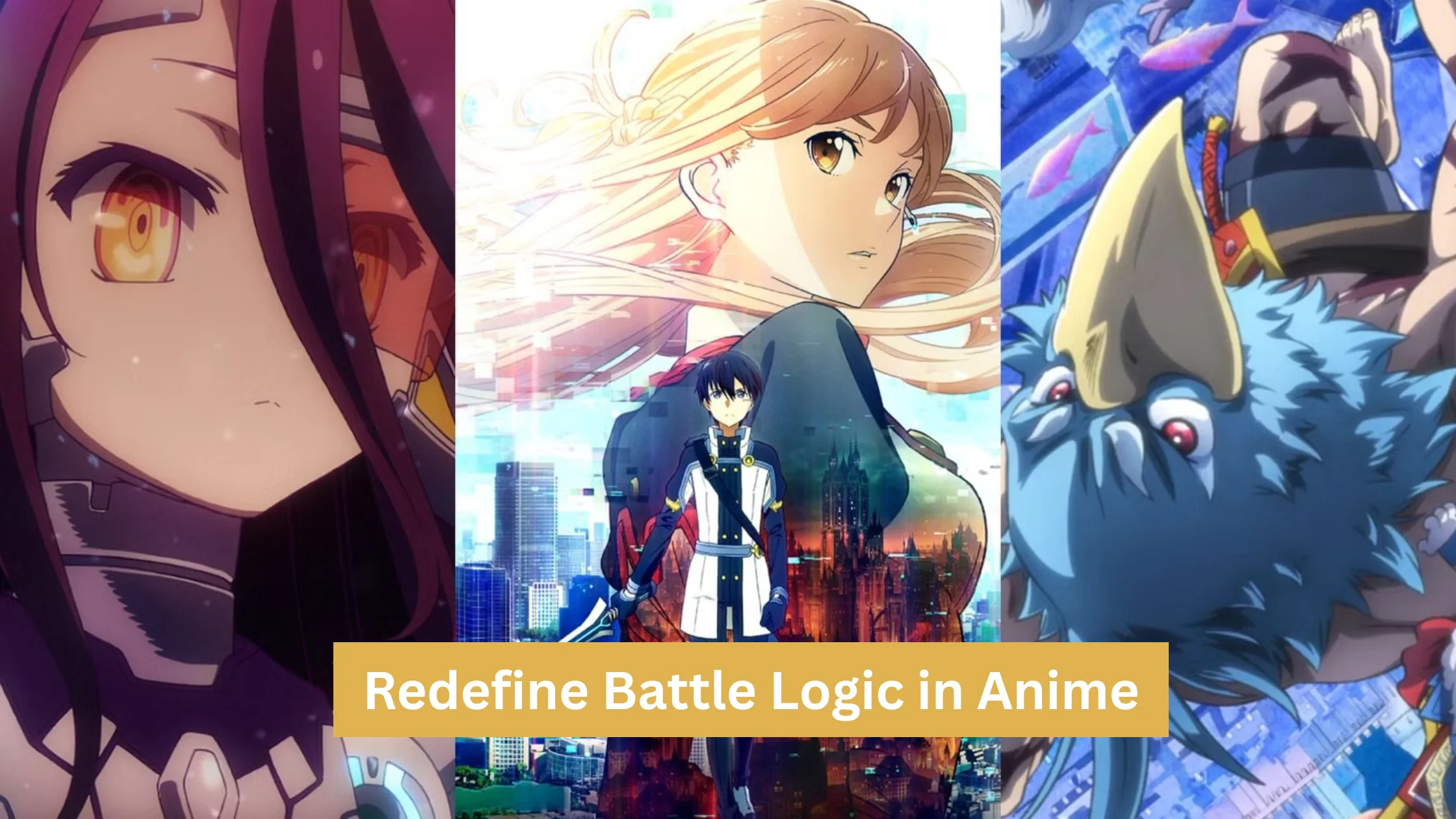
One of the most influential titles of this era is Sword Art Online. Although it blends virtual reality with isekai elements, its success sparked widespread interest in game-based worlds.
Following this trend, numerous series explored similar concepts. Re:Zero − Starting Life in Another World introduced darker storytelling by focusing on repeated death and psychological trauma.
Meanwhile, No Game No Life emphasized strategic battles and vibrant visuals. Each new series added its own twist to the formula. As more studios invested in isekai, the genre became a dominant force in seasonal anime lineups.
Criticisms and Praises
The popularity of isekai has sparked both admiration and criticism. On one hand, fans appreciate the genre’s escapism. It offers a break from reality and invites viewers into imaginative worlds. The concept of starting a new life appeals to many people.
On the other hand, critics argue that too many series follow the same formula. Overpowered protagonists, predictable plots, and similar settings can feel repetitive.
However, standout series continue to challenge these criticisms. Konosuba: God’s Blessing on This Wonderful World! uses humor to parody common tropes. It turns typical hero expectations into comedic situations.
This balance between repetition and innovation keeps the genre alive. While some shows feel familiar, others surprise audiences with fresh ideas.
Studio Strategies for Freshness
To maintain interest, studios constantly search for new ways to reinvent isekai storytelling. One strategy involves unique character perspectives. Instead of focusing on traditional heroes, some series explore side characters or unconventional roles.
Another approach emphasizes world-building. Detailed environments and complex political systems add depth to the story.
Visual style also plays a role. Distinct art direction can make a series stand out even if the premise feels familiar.
Studios sometimes combine genres as well. Mixing isekai with mystery, horror, or romance creates new storytelling possibilities. These strategies show that creativity remains essential even within a popular trend.
Western Influence on Isekai
The global reach of anime has influenced how isekai stories are created. Western audiences have embraced the genre, which in turn affects production decisions.
Fantasy elements often draw inspiration from Western role-playing games. Medieval settings, magic systems, and character classes reflect global gaming culture.
Streaming platforms also play a major role. International viewers can access new episodes almost instantly. This widespread distribution encourages studios to consider global preferences.
Series like Overlord appeal to both Japanese and international audiences through their dark fantasy themes. As anime becomes more global, isekai continues to evolve through cultural exchange.
Viewer Fatigue and Innovation
With so many isekai series released each year, some viewers experience fatigue. The abundance of similar stories can make it difficult for new shows to stand out.
However, this challenge also drives innovation. Creators experiment with unusual concepts to capture attention.
For example, some series focus on everyday life in another world rather than epic battles. Others explore emotional themes such as loneliness or identity.
These variations remind audiences that isekai is not limited to one formula. It can adapt and grow in many directions.
Sub-Genre Experimentation
As isekai evolves, it no longer sticks to one formula. The genre now explores multiple directions, driven by both audience demand and creative risk-taking.
Some series lean into comedy and satire. They play with familiar tropes and turn typical hero journeys into something funny and unexpected.
Others focus on darker themes. These stories explore trauma, survival, and identity, making the other world feel intense rather than escapist.
There is also a mix of genres happening. Many shows combine isekai with sci-fi, slice-of-life, or even mystery to keep things fresh.
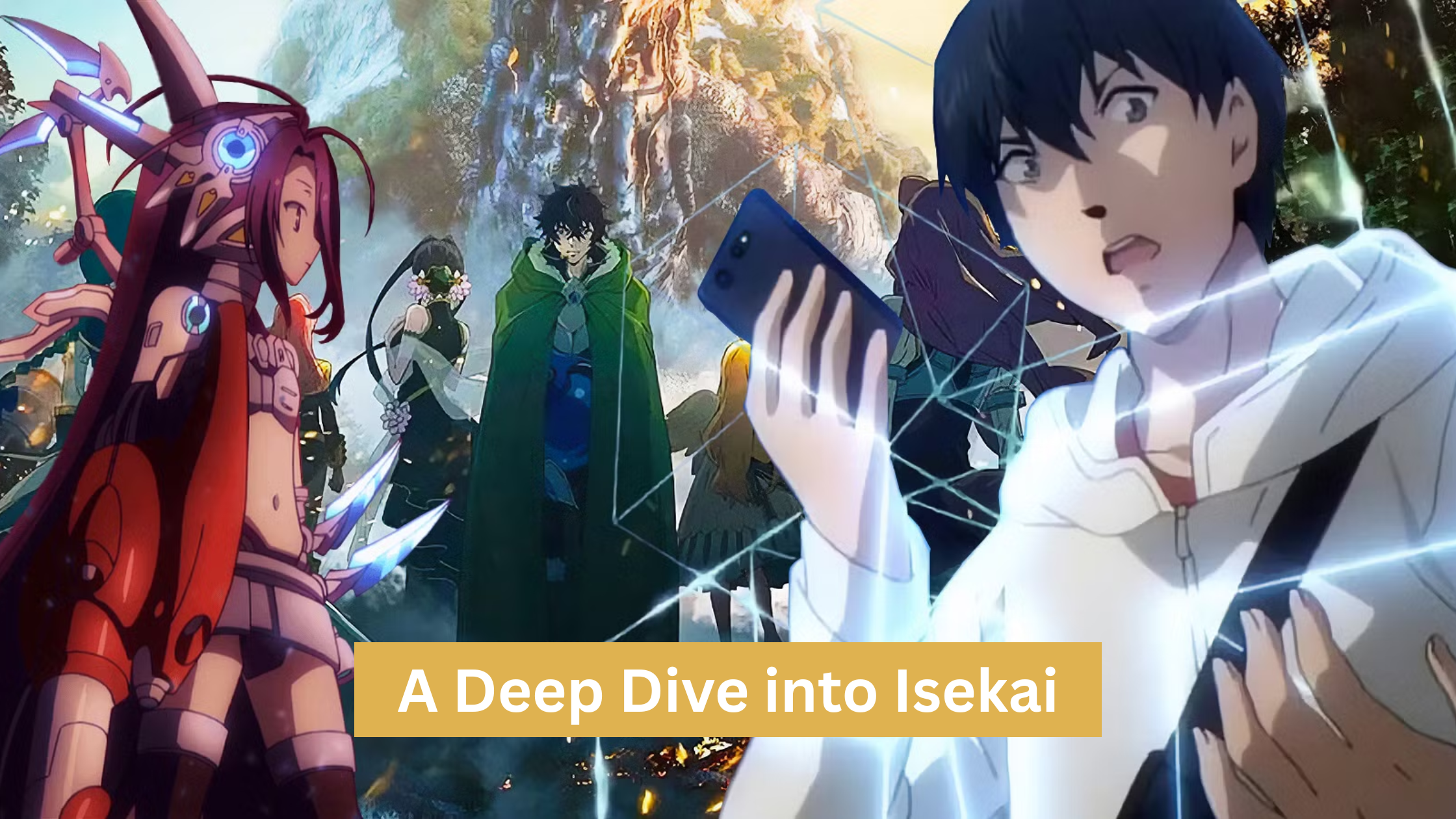
For example, The Rising of the Shield Hero highlights betrayal and slow character growth instead of instant success.
Meanwhile, Log Horizon focuses on strategy and teamwork rather than raw power. These variations show that isekai is becoming more flexible. It now offers different experiences instead of repeating the same story again and again.
Future of Isekai in Anime
Isekai is not going away anytime soon. However, its future will depend on how well creators bring fresh ideas to the table.
Today’s audience expects more than simple power fantasies. Viewers now look for deeper stories, emotional depth, and unique concepts.
New technology may also shape the genre. Tools like virtual reality and interactive storytelling could change how fans experience isekai worlds.
Global collaboration is another key factor. As creators from different cultures contribute, the genre will gain new styles and perspectives.
In the coming years, isekai will likely focus on deeper themes. More diverse storytelling will define the next phase of its evolution.
Conclusion
The isekai boom has transformed anime storytelling in powerful ways. What began as a simple concept has grown into a dominant genre that influences character design, narrative structure, and audience expectations.
While the genre faces criticism for repetition, it also demonstrates remarkable adaptability through innovation and experimentation.
From early classics to modern hits, isekai continues to capture the imagination of viewers around the world. Its appeal lies in the promise of new beginnings and limitless possibilities.
As creators explore fresh ideas and push boundaries, the genre will likely remain a central part of anime’s future. Ultimately, isekai reminds us why storytelling matters—it allows us to step into another world and see ourselves in a new light.