Op main characters in anime have always held a special place. There is something undeniably exciting about watching a protagonist who can dominate battles with ease.
At the same time, the way these characters are written has changed a lot over the years. What once relied on pure strength has slowly evolved into something more layered and thoughtful.
Today, OP characters are not just about overwhelming power. They often carry emotional depth, strategic thinking, and complex motivations.
As anime continues to grow globally, this evolution is becoming even more noticeable. Let’s explore how OP protagonists have changed and what the future might look like.
Evolution of OP Protagonists Over Time
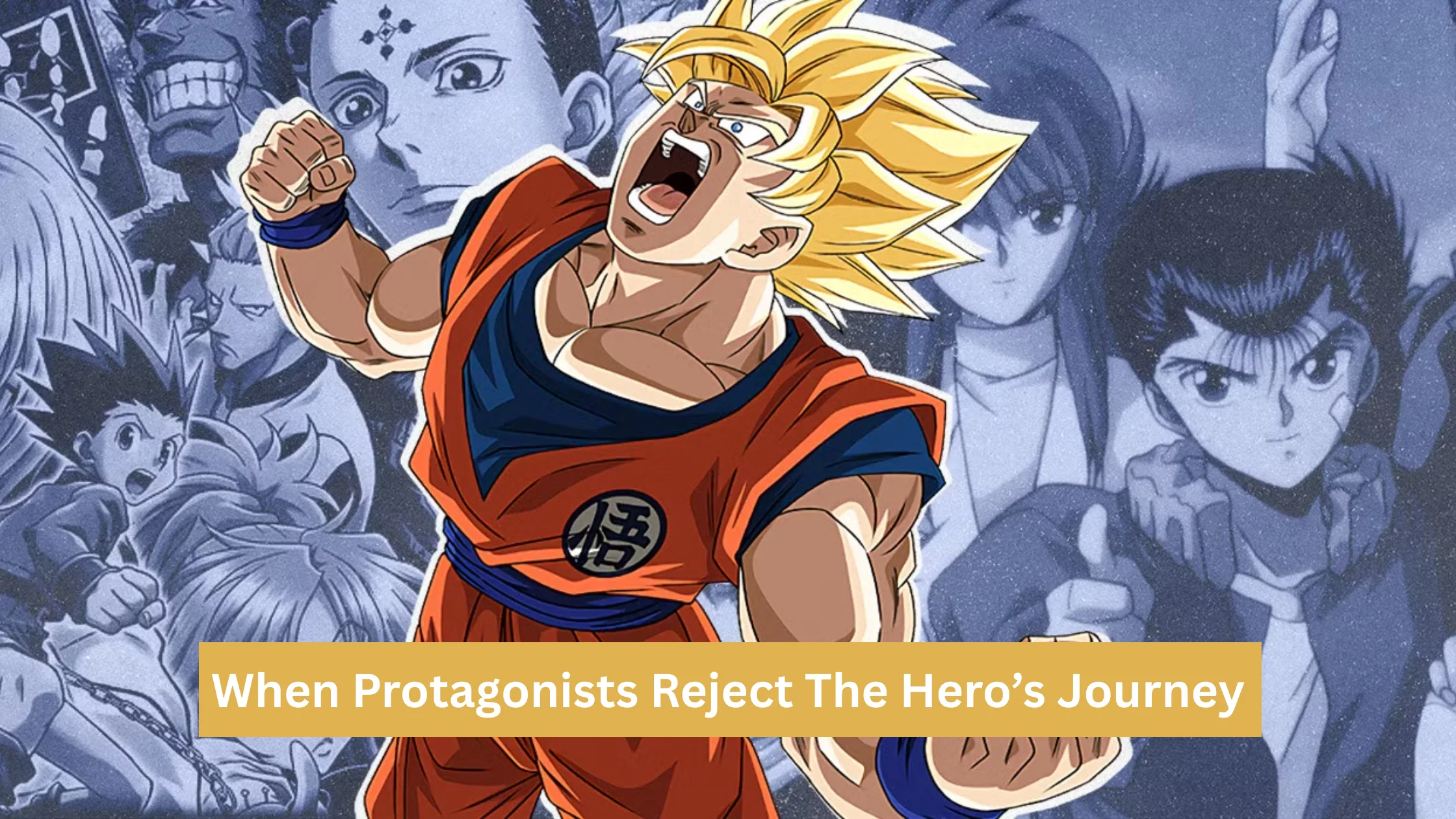
In the early days of anime, overpowered protagonists were usually straightforward. They were strong, determined, and often driven by a clear goal. Characters like Goku from Dragon Ball Z set the foundation. His strength increased over time, but his personality remained simple and focused on battle.
As the industry evolved, characters began to gain more depth. Ichigo Kurosaki from Bleach still had immense power, yet his struggles felt more personal. He fought not just for victory but for the people he cared about.
Later, anime introduced protagonists who were already powerful from the start. Saitama from One Punch Man changed the formula entirely. His overwhelming strength became a source of humor and existential boredom.
This shift shows how OP characters moved from simple power fantasies to more creative storytelling tools.
Rise of Isekai and Power Fantasy Genres
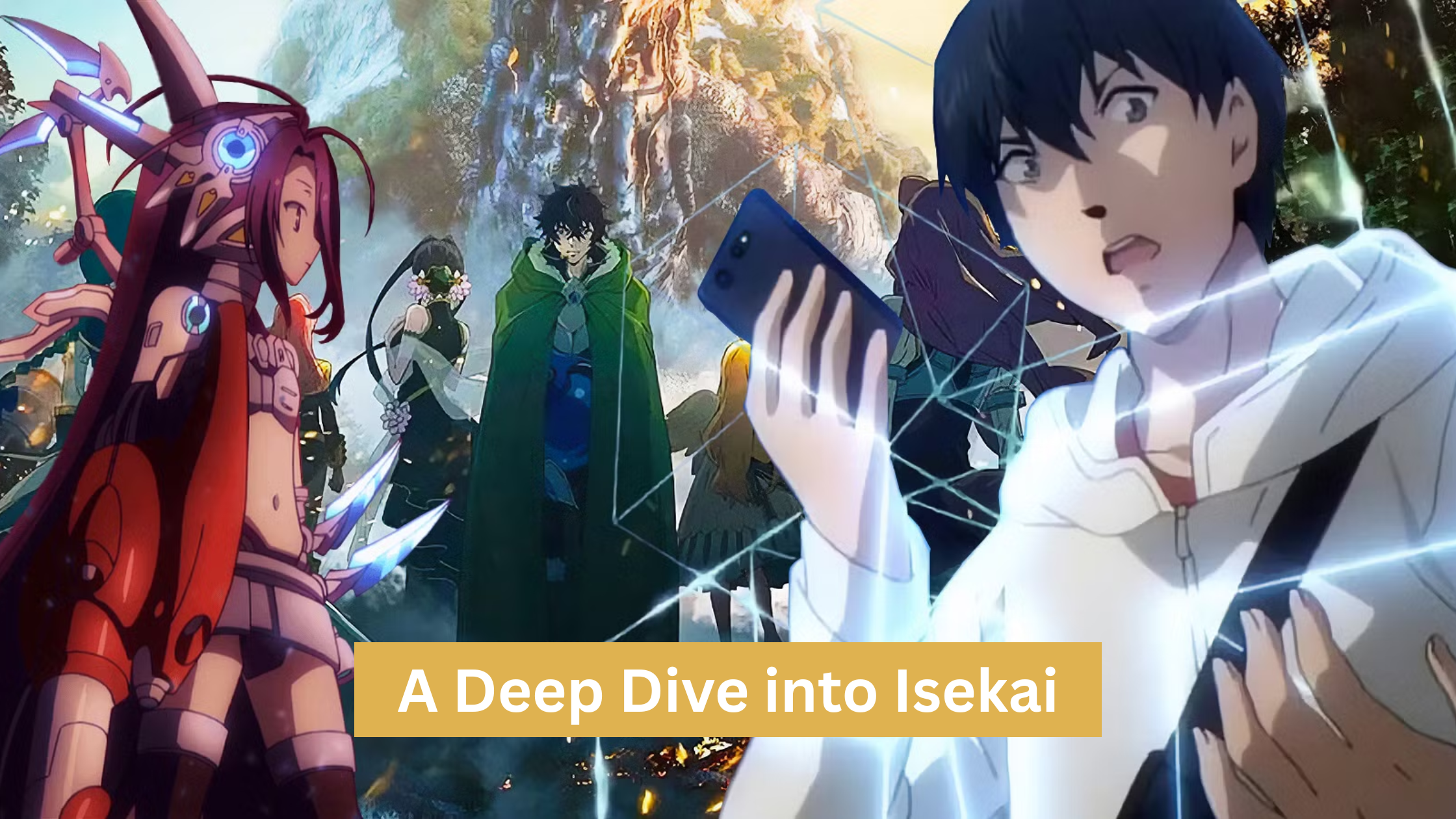
The rise of isekai anime has played a huge role in shaping modern OP protagonists. In these stories, characters are transported to another world where they often gain extraordinary abilities.
Series like That Time I Got Reincarnated as a Slime feature protagonists who quickly become dominant forces. Rimuru Tempest gains multiple abilities and builds an entire nation.
Similarly, The Rising of the Shield Hero presents a different angle. Naofumi Iwatani starts weak but becomes overpowered through strategy and persistence.
These stories appeal because they offer escapism. Viewers imagine themselves in a world where effort leads to rapid success. However, the genre has also faced criticism for becoming repetitive.
As a result, newer isekai anime are experimenting with different approaches. Some focus more on world-building, while others emphasize character relationships.
Increasing Complexity in Power Systems
Modern anime no longer relies on simple strength alone. Power systems have become more detailed and structured.
For example, Hunter x Hunter introduces Nen, a system with clear rules and limitations. Even strong characters must think carefully before acting.
Similarly, Jujutsu Kaisen uses cursed energy with defined mechanics. Satoru Gojo is incredibly powerful, yet his abilities still follow specific rules.
This complexity makes battles more engaging. Instead of relying on brute force, characters must understand their powers deeply. Strategy becomes just as important as strength. As anime continues to evolve, power systems are likely to become even more intricate.
Shift Toward Smarter OP Characters
Another noticeable trend is the shift toward intelligence. Many modern OP protagonists rely on strategy rather than raw power alone.
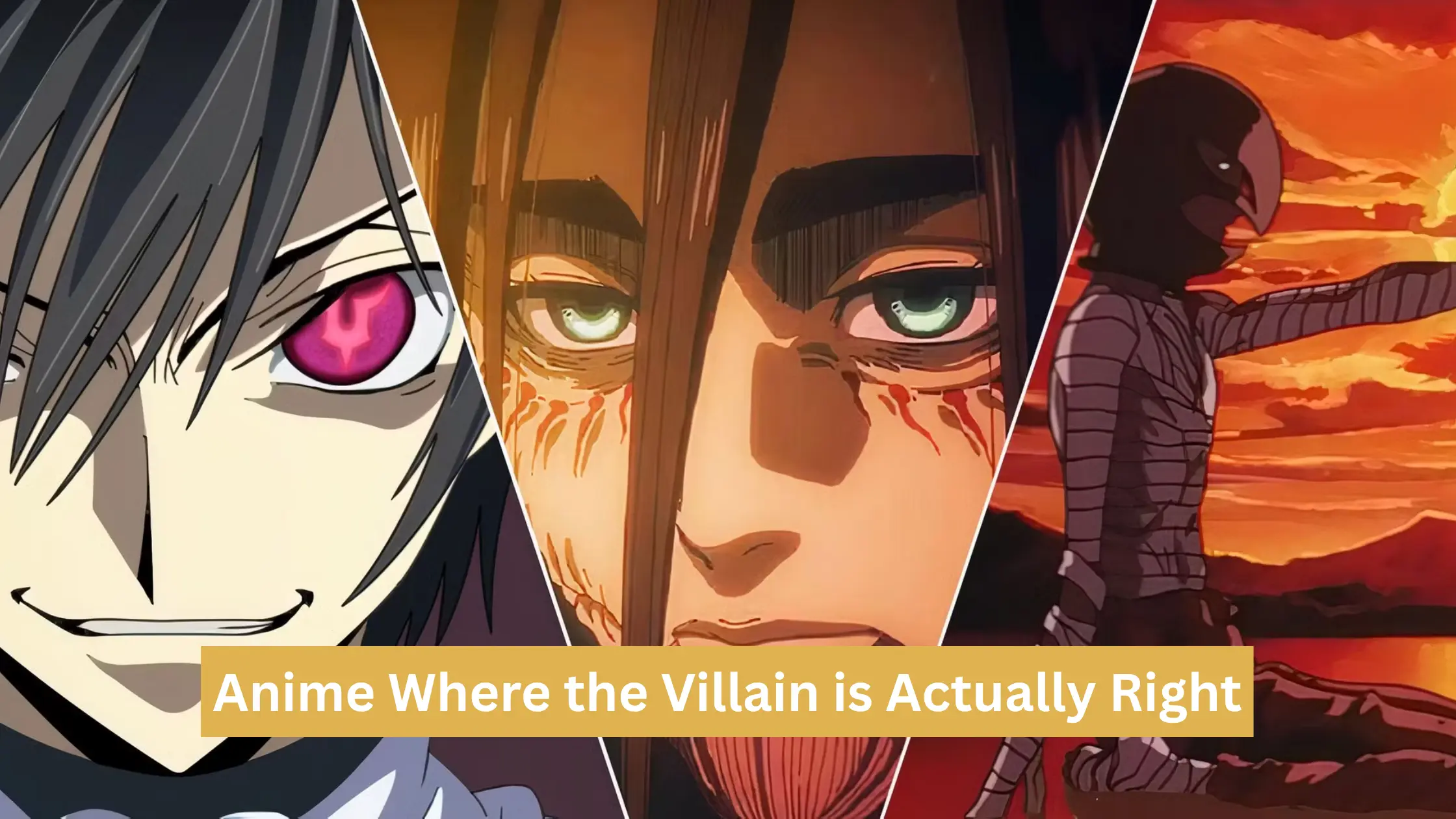
Lelouch Lamperouge from Code Geass demonstrates this perfectly. His strength lies in planning and manipulation.
Even physically powerful characters now show strategic thinking. Ainz Ooal Gown from Overlord carefully plans his moves to maintain control.
This shift keeps stories engaging. Viewers enjoy watching characters outthink their opponents. It adds tension and unpredictability.
Influence of Global Audiences
Anime is no longer limited to Japan. Global audiences now play a major role in shaping trends.
Streaming platforms have made anime accessible worldwide. As a result, creators consider diverse preferences. Some viewers prefer action, while others look for emotional depth or complex storytelling.
This influence encourages studios to experiment. OP characters now appear in different genres, from comedy to psychological drama.
International feedback also pushes for better character development. Viewers expect more than just power. They want relatable struggles and meaningful growth.
Future of Power Scaling in Anime
Power scaling has always been a major topic among fans. Who is stronger? How do abilities compare? These questions drive discussions.
In the future, power scaling may become less about numbers and more about context. Strength will depend on the situation, strategy, and limitations.
Anime like Attack on Titan already shows this approach. Power alone does not guarantee victory. Decisions and timing matter just as much.
This shift can make stories more balanced. It prevents characters from becoming too predictable.
Predictions for Upcoming Anime
Looking ahead, OP protagonists will likely continue to evolve in interesting ways. One clear direction is the blending of genres. Instead of placing overpowered characters only in action-heavy worlds, creators are beginning to explore them in unexpected settings.
For example, imagine an OP character in a mystery-driven story or a slice-of-life setting. The focus would shift from “Can they win?” to “How do they live with that power?” This change can create fresh tension without relying on constant battles.
We are also likely to see more morally complex protagonists. Characters may not always be heroes in the traditional sense. Some might question their own power or struggle with its consequences. This approach already appears in characters like Eren Yeager from Attack on Titan, where strength comes with difficult choices.
Another trend could involve limitations. Future OP characters may still be powerful, but their abilities might come with strict costs or conditions. This keeps the story balanced and avoids repetitive outcomes.
In short, upcoming anime will likely focus less on raw dominance and more on meaningful storytelling.
Blending OP with Character Depth
One of the most exciting developments in anime is the effort to combine overwhelming power with emotional depth. In the past, OP characters often felt distant because they rarely struggled. Today, creators are working to change that.
Characters like Saitama from One Punch Man highlight this shift. Despite his unmatched strength, he deals with boredom and a lack of purpose. His internal conflict becomes more important than his external battles.
Similarly, Mob from Mob Psycho 100 explores emotional growth alongside psychic power. Mob’s journey focuses on self-control and personal identity rather than domination.
This blend makes characters feel more human. Viewers connect with their struggles, even if their abilities are unrealistic. Emotional depth adds weight to every decision. As this trend continues, OP characters will become more relatable and memorable.
Role of Animation Advancements
Advancements in animation technology are also shaping the future of OP protagonists. Modern techniques allow studios to create more dynamic and visually stunning scenes.
Fight sequences now feature fluid motion, detailed effects, and cinematic camera work. This enhances the impact of powerful abilities. For example, Jujutsu Kaisen showcases high-quality animation that brings its power system to life.
At the same time, animation is not just about action. Subtle details such as facial expressions and lighting help convey emotion. This supports the trend of adding depth to OP characters.
Studios are also experimenting with different styles. Some use bold colors and abstract visuals to represent power. Others focus on realism to ground the story.
As technology improves, creators will have more tools to express both strength and emotion. This will make future anime even more immersive.
Conclusion
The future of OP main characters in anime looks more exciting than ever. What started as simple power fantasies has grown into a complex and evolving storytelling approach. Today’s protagonists are not just strong—they are thoughtful, flawed, and emotionally engaging.
As genres blend and audiences expand globally, creators continue to experiment with new ideas. Power scaling is becoming more balanced, while character depth is gaining importance. At the same time, advances in animation allow these stories to feel more vivid and impactful.
In the years ahead, OP characters will likely move beyond traditional roles. They will challenge expectations and explore new kinds of narratives. Whether through strategy, emotion, or unique settings, their journeys will remain compelling. One thing is certain—power alone will no longer define greatness.