Evolution of Traditional Merchandise
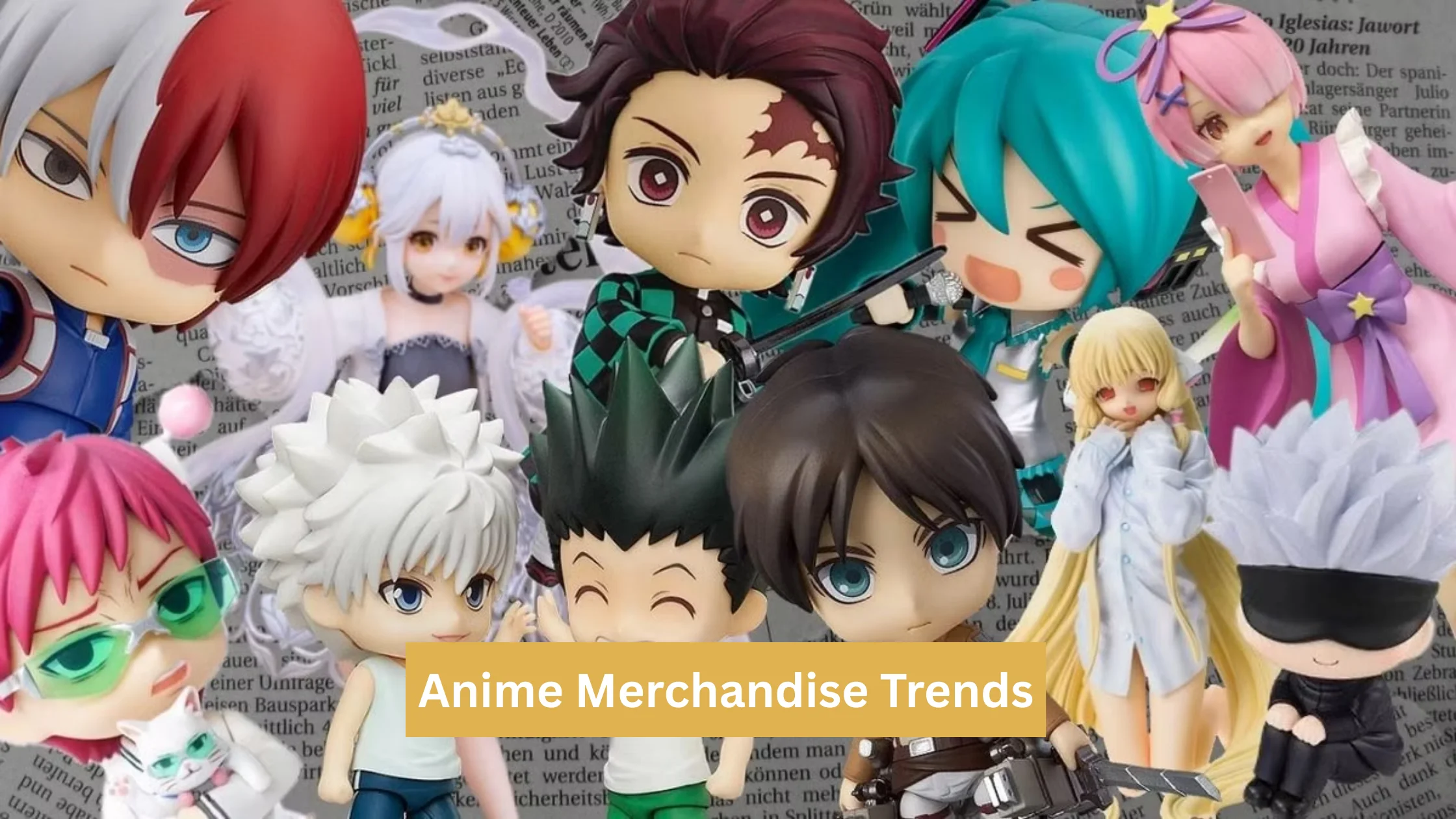
Anime merchandise trends has come a long way from humble beginnings. In the early days, fans could only find simple items like keychains, posters, and action figures sold at conventions or small shops.
These products served as tangible connections to beloved characters and stories. Over time, as anime’s popularity grew, the variety and quality of merchandise expanded significantly.
Plushies, figurines, and model kits became staples for collectors, each designed with intricate detail to match the animation style. Studios realized that high-quality merchandise could enhance fan engagement while providing a steady revenue stream. Iconic items often drew attention long after a series ended, turning characters into lasting cultural symbols.
The evolution also reflects changes in technology and consumer demand. Today, mass production allows fans worldwide to access officially licensed goods. At the same time, craftsmanship remains important. Limited edition figurines, hand-painted collectibles, and even custom clothing bring an element of artistry to anime merchandising.
Moreover, traditional merchandise laid the groundwork for future innovations. By establishing strong connections between fans and their favorite series, studios created an ecosystem where fans eagerly anticipate each new product release. From basic collectibles to intricately designed items, traditional merchandise continues to be a cornerstone of anime culture.
The Role of Limited Editions
Limited edition anime merchandise plays a unique role in fan culture. These items are not only products but also symbols of exclusivity and dedication. Studios often release special figurines, apparel, or collector’s boxes tied to anniversaries, major episodes, or collaborations with renowned artists. The scarcity creates excitement, encouraging fans to act quickly to secure their piece of the series.
Limited editions also allow studios to experiment creatively. They can explore alternative character designs, unique packaging, or premium materials that wouldn’t be feasible for mass production. For instance, glow-in-the-dark figurines, metallic prints, or intricately embroidered apparel elevate merchandise from simple collectibles to artistic statements.
This approach benefits both studios and fans. For creators, limited editions drive higher profit margins and foster brand loyalty. For fans, owning rare merchandise provides a sense of pride and community recognition. Collectors often showcase these items at conventions, online communities, or social media, reinforcing shared fandom culture.
Additionally, limited editions encourage narrative engagement. Fans may feel more connected to the story because the items commemorate specific events or milestones in the anime. By combining rarity, artistry, and emotional significance, limited edition merchandise remains one of the most compelling trends in anime culture.
Rise of Anime NFTs
In recent years, anime merchandise has expanded into the digital realm through NFTs, or non-fungible tokens. These blockchain-based collectibles provide fans with unique digital assets tied to their favorite series. Unlike traditional items, NFTs cannot be replicated, giving fans a sense of true ownership and exclusivity in the digital space.
Anime studios and independent artists have embraced NFTs to create limited digital artwork, animations, or even short clips. Some platforms allow buyers to unlock behind-the-scenes content or special interactions with the creators, adding value beyond simple visuals. This trend merges fandom with technology, appealing to collectors who are both anime enthusiasts and digital innovators.
NFTs also allow studios to experiment with global distribution. Fans from anywhere in the world can purchase these digital items without worrying about shipping or production constraints. Additionally, NFTs often include resale potential, enabling a secondary market that mirrors the scarcity-driven appeal of traditional limited editions.
Critically, while some skeptics question their long-term value, anime NFTs have already proven popular for connecting fans in new ways. They transform merchandise into interactive, collectible experiences and offer creators innovative revenue streams. As anime continues to intersect with digital culture, NFTs represent the forefront of merchandising evolution.
Studio Collaboration with Brands
Anime studios increasingly collaborate with well-known brands to create merchandise that appeals to both fans and mainstream consumers. These partnerships often go beyond traditional collectibles, resulting in clothing lines, beverages, cosmetics, and even home goods featuring beloved characters. Such collaborations benefit both parties: studios gain exposure and additional revenue, while brands tap into passionate fan communities.
For example, limited-edition sneakers or apparel featuring anime motifs can sell out within hours. Cafés and restaurants collaborate with studios to offer themed menus and exclusive merchandise, turning everyday experiences into immersive fan events. Even tech products, such as headphones or gaming peripherals, sometimes receive anime-themed editions, blending utility with fandom.
Brand collaborations also encourage creative storytelling. Merchandise often reflects key themes, visual styles, or iconic scenes from the anime. Fans appreciate these nods to their favorite series, while studios reinforce the emotional connection between audience and story.
Moreover, collaborations extend anime’s reach internationally. Global brands introduce anime designs to markets that might not engage with traditional merchandise, helping series gain a wider audience. By integrating anime into everyday products, studios and brands create a cultural bridge that strengthens fandom and opens new commercial opportunities.
International Market Trends
Anime merchandise has become a global phenomenon, with fans around the world driving demand for both physical and digital products. In regions like North America, Europe, and Southeast Asia, conventions, online stores, and specialty shops make it easier than ever to access official merchandise. This international reach has transformed anime from a niche hobby into a mainstream cultural force.
Several trends define the global market. Collectibles, including figurines, plushies, and apparel, remain highly popular, but digital merchandise such as NFTs and downloadable content is gaining traction. Limited edition releases and pre-orders are especially successful internationally, as fans seek exclusivity and early access.
Localization also plays a key role. Studios and distributors often adapt packaging, language, and marketing to suit regional tastes while maintaining authenticity. This ensures that merchandise resonates with diverse audiences and strengthens the global brand identity of anime.
Online marketplaces have further fueled growth. Fans can purchase items directly from Japan or through international resellers, often participating in bidding for rare collectibles. Social media amplifies trends, creating global hype around new releases and collaborations.
Ultimately, the international market reinforces anime’s cultural influence. Merchandise isn’t just a product—it’s a way for fans worldwide to connect with stories, characters, and communities, bridging geographic and cultural divides.
Impact of Online Conventions
Online conventions have revolutionized the way fans access anime merchandise. Especially after global events limited physical gatherings, virtual conventions became essential for connecting creators, studios, and audiences. These digital platforms allow fans from any country to explore new products, participate in exclusive events, and even interact directly with creators.
One major advantage of online conventions is accessibility. Fans no longer need to travel long distances or pay high entry fees to attend. Studios can showcase limited editions, reveal upcoming collaborations, and host live auctions, creating excitement that rivals in-person events. Digital booths often include 360-degree views of merchandise, promotional videos, and pre-order options, replicating much of the in-person experience.
Online conventions also encourage global community building. Fans share screenshots, unboxing videos, and reviews across social media, amplifying the visibility of merchandise releases. Engagement metrics help studios gauge demand, guiding production decisions for physical and digital products.
Furthermore, virtual events often feature panels, Q&A sessions, and interactive games. These experiences strengthen emotional attachment to the series and make merchandise feel more meaningful. By blending entertainment, commerce, and community, online conventions have become a cornerstone of modern anime merchandising.
Collectible Scarcity
Scarcity is a driving force in anime merchandise, turning ordinary products into highly coveted collectibles. Studios intentionally limit production runs of certain items—figurines, plushies, or special editions—to create urgency among fans. This strategy not only boosts initial sales but also adds long-term value, as rare items often increase in demand over time.
Scarcity appeals to both casual fans and hardcore collectors. Owning a limited item can bring pride, a sense of belonging, and status within the fan community. Social media amplifies this effect, as fans showcase their rare collections, further fueling desire for exclusive releases.
The strategy also intersects with online marketplaces. Resellers often capitalize on scarcity, creating secondary markets where items can sell for several times their original price. While this can frustrate some fans, it demonstrates the strength of the demand and the cultural significance of the merchandise.
Moreover, scarcity encourages anticipation and engagement. Fans actively follow release announcements, pre-orders, and countdowns, turning merchandise drops into major events. By carefully balancing supply and demand, studios maintain excitement and ensure that anime collectibles remain not only profitable but culturally iconic.
Cross-Series Merch Tie-Ins
Cross-series merchandise tie-ins have become an exciting trend in anime culture. Studios and brands often create products that feature characters from multiple franchises, appealing to fans of various series simultaneously. This strategy not only broadens the potential audience but also encourages collectors to explore new titles they might not have previously watched.
These tie-ins can take many forms. Apparel lines may feature crossover artwork, combining iconic characters in a single design. Limited edition figurines or model kits might depict characters from different series interacting in imaginative scenarios. Even digital products like NFTs or in-game items sometimes incorporate cross-series collaborations, enhancing the appeal for global audiences.
Tie-ins also benefit fan engagement. Fans enjoy the novelty of seeing beloved characters in unexpected contexts, sparking discussions and fan creations such as art and stories. Social media amplifies these moments, generating buzz that reaches beyond traditional marketing channels.
Moreover, cross-series merchandise can strengthen brand loyalty. Collectors often prioritize items that celebrate multiple fandoms, creating sustained interest in studio releases. By leveraging the popularity of multiple franchises, cross-series tie-ins transform merchandise into a dynamic, interactive experience that extends storytelling beyond the screen.
Fan Demand and Surveys
Understanding fan preferences is crucial for anime merchandise success. Studios and brands frequently use surveys, polls, and social media feedback to gauge which characters, series, or product types resonate most with audiences. This data-driven approach ensures that merchandise aligns with fan desires while minimizing production risks.
Fan demand influences everything from design to quantity. Popular characters often receive multiple iterations of figures, apparel, and digital collectibles, while less-requested items may be produced in smaller runs. Surveys also help studios identify trends, such as which art styles, color palettes, or crossover concepts are likely to succeed.
Social media plays a key role in amplifying demand. Fans share wish lists, unboxing experiences, and personal collections, providing studios with real-time insight into audience preferences. This interaction not only informs production decisions but also fosters community engagement, creating a sense of co-creation between fans and creators.
Additionally, feedback-driven merchandise often encourages repeat purchases. When fans see that their opinions influence releases, they feel a stronger connection to both the product and the series. By leveraging surveys and fan input, studios can create merchandise that is not only commercially successful but deeply satisfying for the audience.
Future Predictions for Anime Merch
The future of anime merchandise promises to be even more innovative, blending physical collectibles with digital experiences. As technology advances, studios are exploring ways to make merchandise interactive, personalized, and immersive. Here are some likely trends:
Integration of AR and VR
Augmented reality apps may bring figurines or posters to life, allowing fans to interact with characters in their own spaces. Virtual reality could create fully immersive anime-themed environments, enhancing the connection to the series.
Expansion of NFTs and digital collectibles
The rise of blockchain technology will likely lead to more exclusive digital items, complete with resale and verification systems, bridging traditional collecting with modern tech.
Sustainability and eco-conscious merchandise
Studios may introduce environmentally friendly materials and packaging, appealing to fans who value sustainability.
Global collaborations
Expect more cross-brand partnerships and international tie-ins, making anime merchandise accessible and culturally relevant worldwide.
Fan-driven customization
Personalized figurines, apparel, and digital avatars could allow fans to integrate themselves into the anime universe, deepening engagement.
Ultimately, anime merchandise will continue evolving beyond mere collectibles. By embracing technology, sustainability, and global fan culture, studios can create products that are innovative, meaningful, and highly interactive. The line between fan and creator will blur, making the future of anime merchandising more dynamic than ever.
Conclusion
Anime merchandise trends has transformed from simple collectibles to a diverse, global phenomenon that blends culture, technology, and fandom. From traditional plushies and figurines to cutting-edge NFTs, studios have continually innovated to meet the evolving desires of fans.
Limited editions, cross-series tie-ins, and international collaborations have turned merchandise into more than products—they are experiences that deepen emotional connections to beloved stories and characters.
Online conventions, fan surveys, and social media engagement have reshaped how studios understand and interact with audiences. Scarcity, exclusivity, and thoughtful design continue to drive demand while fostering vibrant communities around anime culture.
As technology advances, future merchandise will likely merge physical and digital realms, offering immersive and personalized experiences for fans worldwide.
Ultimately, anime merchandise represents the perfect intersection of art, fandom, and commerce. It celebrates storytelling beyond the screen, allowing fans to carry their favorite characters into daily life, and ensures that the anime experience continues to evolve in exciting, meaningful ways.