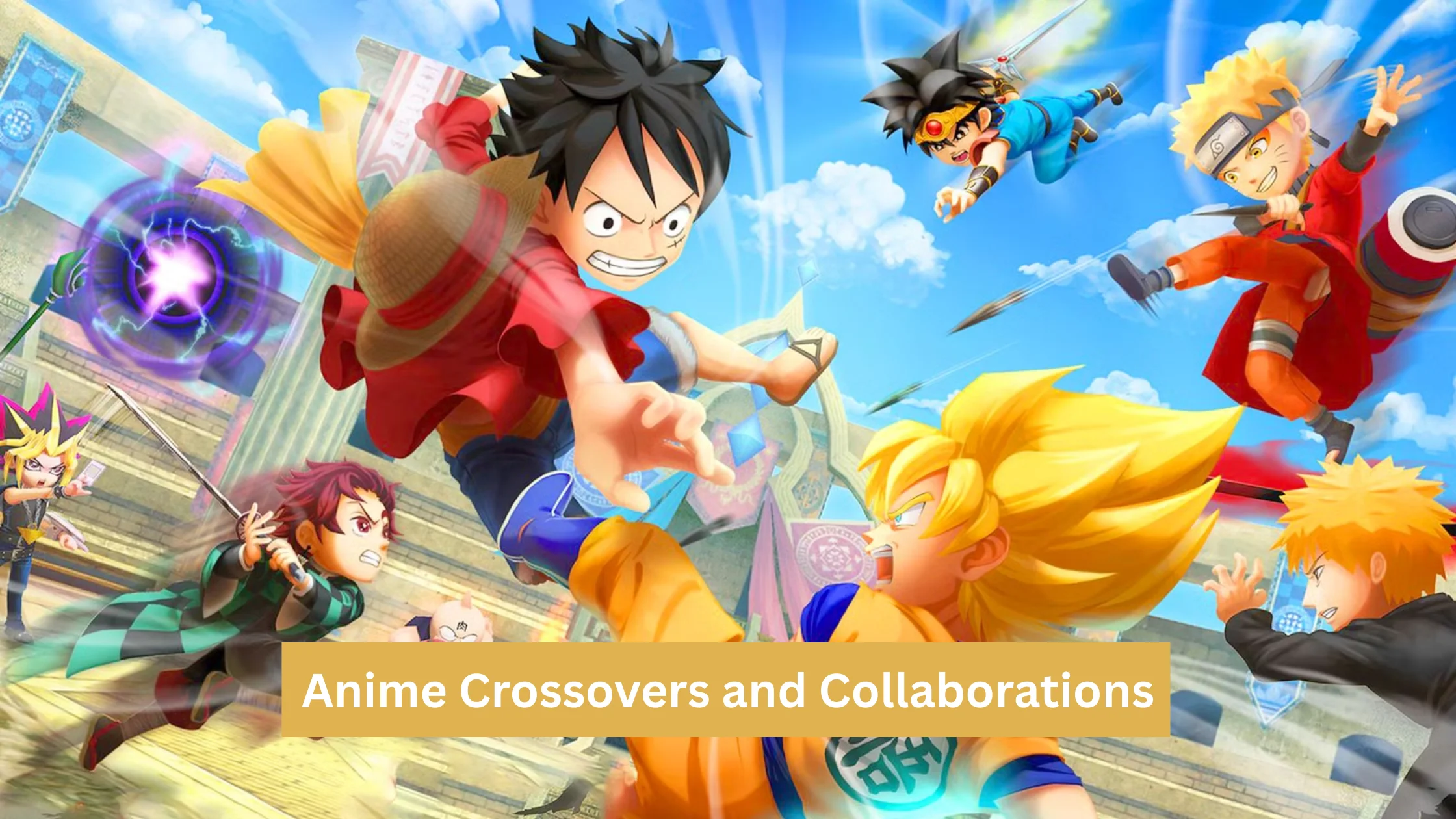
Anime has always been a creative playground. Directors experiment with storytelling. Animators push visual boundaries. Voice actors bring life to unforgettable characters. Yet one of the most exciting developments in the industry is the rise of anime crossovers and collaborations.
When two anime worlds meet, fans instantly feel the excitement. Familiar heroes interact with new allies. Unexpected rivalries appear. Storylines take fresh directions that viewers never imagined.
However, anime crossovers are not only creative experiments. They also represent strategic partnerships between studios, publishers, and brands. Behind every collaboration lies careful planning, licensing agreements, and artistic decisions.
In other words, crossovers sit at the intersection of art and business. They celebrate storytelling while expanding audiences and revenue opportunities.
Let us explore how anime crossovers began, how studios manage collaborations, and why these partnerships continue to captivate fans around the world.
Historical Origin of Anime Crossovers
The idea of crossover storytelling did not begin with modern anime. In fact, shared universes appeared in early manga publications long before animation studios adopted the concept. Manga magazines often featured characters from different series appearing in special promotional chapters.
As anime gained popularity during the 1970s and 1980s, studios began experimenting with crossover concepts in television specials and movies. These projects allowed beloved characters to appear together for limited events. The goal was simple: celebrate fan communities while introducing audiences to new franchises.
One early example came from the robot anime era. Mechanical heroes from different shows occasionally appeared together in special episodes or games. Fans loved seeing powerful machines interact in one universe.
Later, crossover culture expanded through video games and special animated projects. A well-known example is Super Robot Wars. This long-running franchise gathers mecha characters from many anime series and places them in a shared storyline. Although the original shows belong to different studios, the game unites them in one epic battle narrative.
These early experiments proved that crossover storytelling could attract massive interest. Fans enjoyed imagining how different characters might interact. The success encouraged studios to explore larger collaborations.
Over time, crossovers became an important marketing tool. They celebrated nostalgia while promoting newer series.
Notable Examples Across Studios
Anime history includes many memorable crossover projects. Each one reflects different creative goals and partnership strategies.
A popular example is the film Lupin III vs Detective Conan. This movie brought together the charming thief Lupin and the brilliant young detective Conan. At first glance the two universes seemed very different. Yet the story cleverly balanced mystery and action. Fans enjoyed watching these iconic characters test each other’s skills.
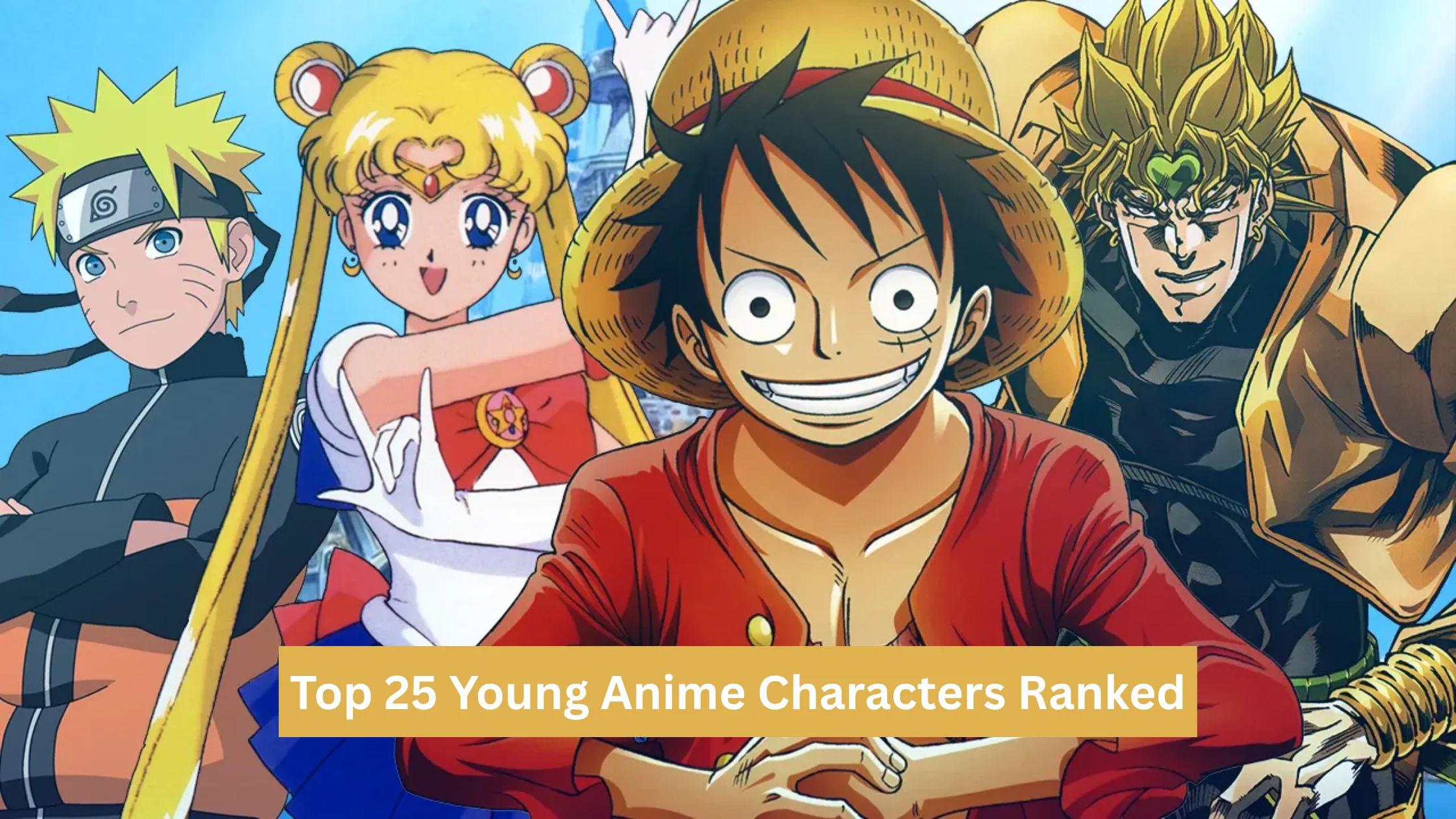
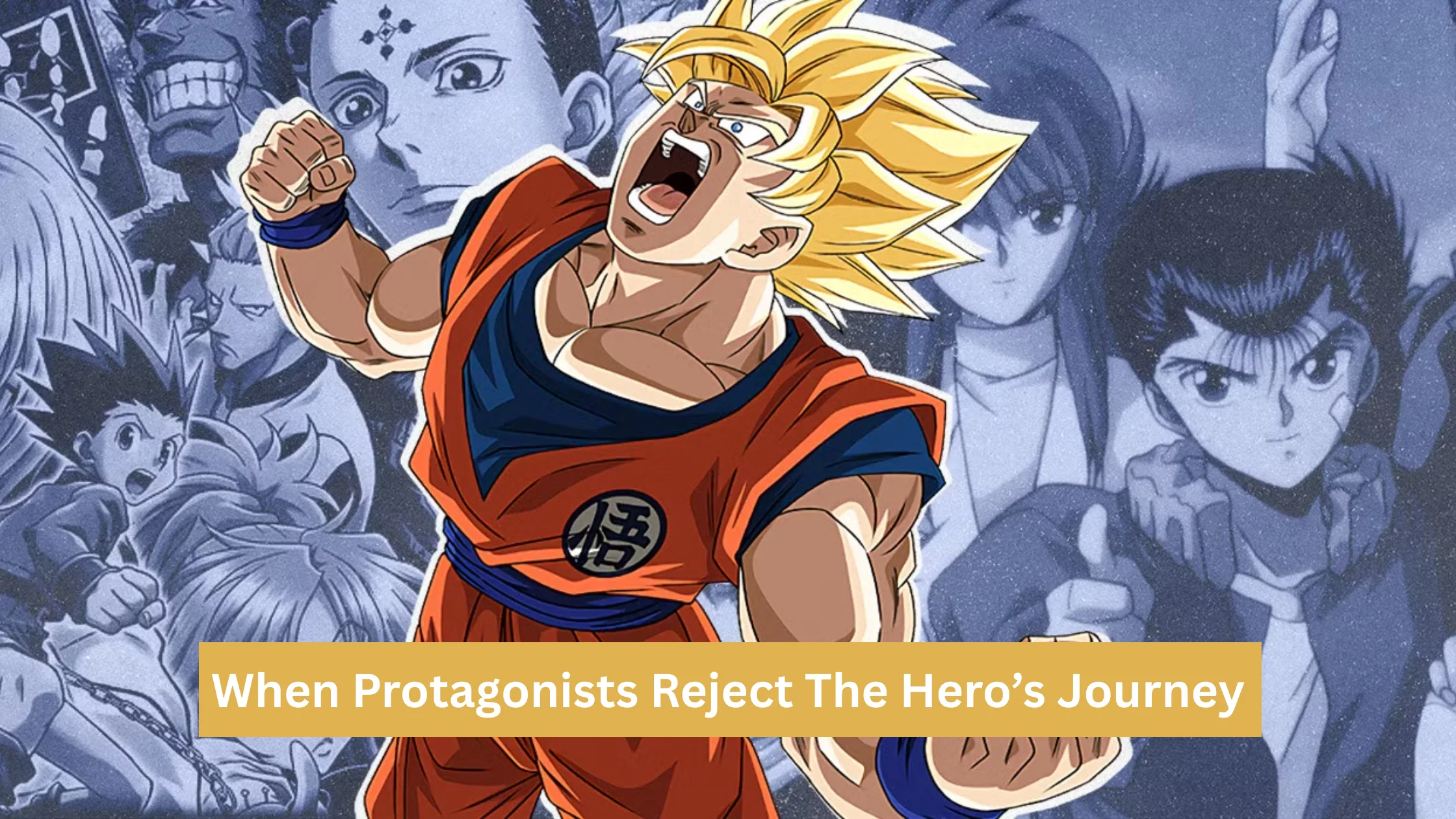
Another fascinating collaboration appeared in the crossover special Toriko x One Piece x Dragon Ball Z Special. This television event united characters from three famous franchises. Each hero kept their unique personality. The episode delivered comedy and spectacle in equal measure.
Even gaming crossovers expanded the anime collaboration trend. The mobile game Jump Force featured characters from numerous manga series published by a major magazine. Players could watch fighters from completely different stories battle on the same stage.
These examples highlight how studios use crossovers to create unforgettable moments. Fans experience something rare and exciting. Characters leave their usual environments and explore new dynamics.
At the same time, studios gain a chance to introduce audiences to unfamiliar series. Someone who loves one character might discover another franchise through the crossover.
Licensing and Legal Challenges
While crossovers appear fun on screen, they involve complex legal work behind the scenes. Each anime franchise belongs to different rights holders. These may include animation studios, manga publishers, production committees, and merchandise partners.
Before a crossover begins, all stakeholders must agree on licensing terms. Contracts define how characters will appear and how profits will be shared. These negotiations often take months or even years.
For example, character designs may require approval from original creators. Studios must respect established identities and visual standards. Writers must also ensure that crossover scripts do not harm the reputation of any franchise involved.
Another challenge involves distribution rights. Some anime series belong to different streaming platforms. When studios collaborate, they must decide where the final project will appear.
Furthermore, merchandising rights become complicated. If a toy features characters from two franchises, revenue distribution must remain fair for both sides.
Because of these challenges, successful crossovers require careful legal planning. However, when agreements work smoothly, collaborations can benefit everyone involved.
Artistic Synergy and Design Choices
Beyond legal considerations, crossovers demand thoughtful artistic decisions. Each anime franchise has its own visual style and storytelling tone. Bringing them together requires creative balance.
Artists must adapt character designs so they fit naturally within shared scenes. Sometimes this means adjusting proportions or color palettes. The goal is to maintain each character’s identity while creating visual harmony.
Consider the crossover film Mazinger Z vs Devilman. These two classic series featured very different themes. One focused on heroic robots while the other explored darker supernatural elements. Yet the film blended them through careful design choices and dramatic storytelling.
Music also plays a role in artistic synergy. Composers often mix musical styles associated with each franchise. This creates an emotional bridge between worlds.
Voice acting direction must also remain consistent. Actors deliver performances that respect their original roles while reacting to new characters.
Through thoughtful design and storytelling, crossovers transform potential chaos into engaging narratives.
Fan Excitement and Anticipation
Few announcements create as much excitement as a new anime crossover. Fans immediately begin speculating about possible interactions.
Online communities share theories about battles, friendships, and comedic moments. Social media becomes filled with fan art imagining dream matchups.
For instance, when the crossover episode featuring characters from One Piece and Dragon Ball Z was announced, fans celebrated across forums and streaming platforms. These two legendary franchises shaped entire generations of anime viewers. Seeing them share the same screen felt like a historic event.
Anticipation also drives marketing campaigns. Trailers highlight dramatic encounters between characters. Posters combine recognizable art styles.
This excitement often leads to strong viewership numbers. Even casual viewers tune in because crossover events feel special and limited.
In many ways, fan enthusiasm fuels the success of anime collaborations. Studios understand that emotional investment keeps audiences engaged.
Merchandising Trends
Anime crossovers often create powerful merchandising opportunities. When two popular franchises unite, their combined fan bases increase demand for collectible products.
Toy companies release action figures that feature characters interacting in crossover scenes. Clothing brands print designs that combine logos and character art. Limited-edition items become especially attractive for collectors.
For example, crossover merchandise linked to Attack on Titan has appeared alongside other franchises in themed campaigns. These products include posters, apparel, and collaborative artwork.
Meanwhile, cafes and pop-up events sometimes host themed menus inspired by crossover characters. Fans visit these locations to experience the collaboration in real life.
Because crossover merchandise feels rare, it often sells quickly. This scarcity encourages fans to purchase items immediately.
As a result, merchandising becomes one of the strongest financial incentives for anime partnerships.
Impact on Lore and Canon
One interesting aspect of crossovers involves their relationship with official story canon. Some crossover episodes exist purely for fun. They do not affect the main storyline of either series.
However, other collaborations explore alternate timelines or parallel universes. These narratives allow characters to interact without disrupting established lore.
For example, certain crossover games featuring heroes from multiple anime worlds present entirely new storylines. These stories remain separate from the original plots yet still feel authentic.
Fans often debate whether crossover events should count as canon. Some viewers prefer to treat them as special side adventures. Others enjoy analyzing how characters might realistically interact within shared universes.
Regardless of canon status, crossovers provide valuable opportunities for character exploration. Writers can place familiar heroes in unusual situations. These scenarios reveal new aspects of personality and humor.
Thus crossovers enrich the storytelling landscape without necessarily altering core narratives.
Collaboration with Global Brands
Anime collaborations extend beyond the animation industry. Many franchises partner with global brands in creative campaigns.
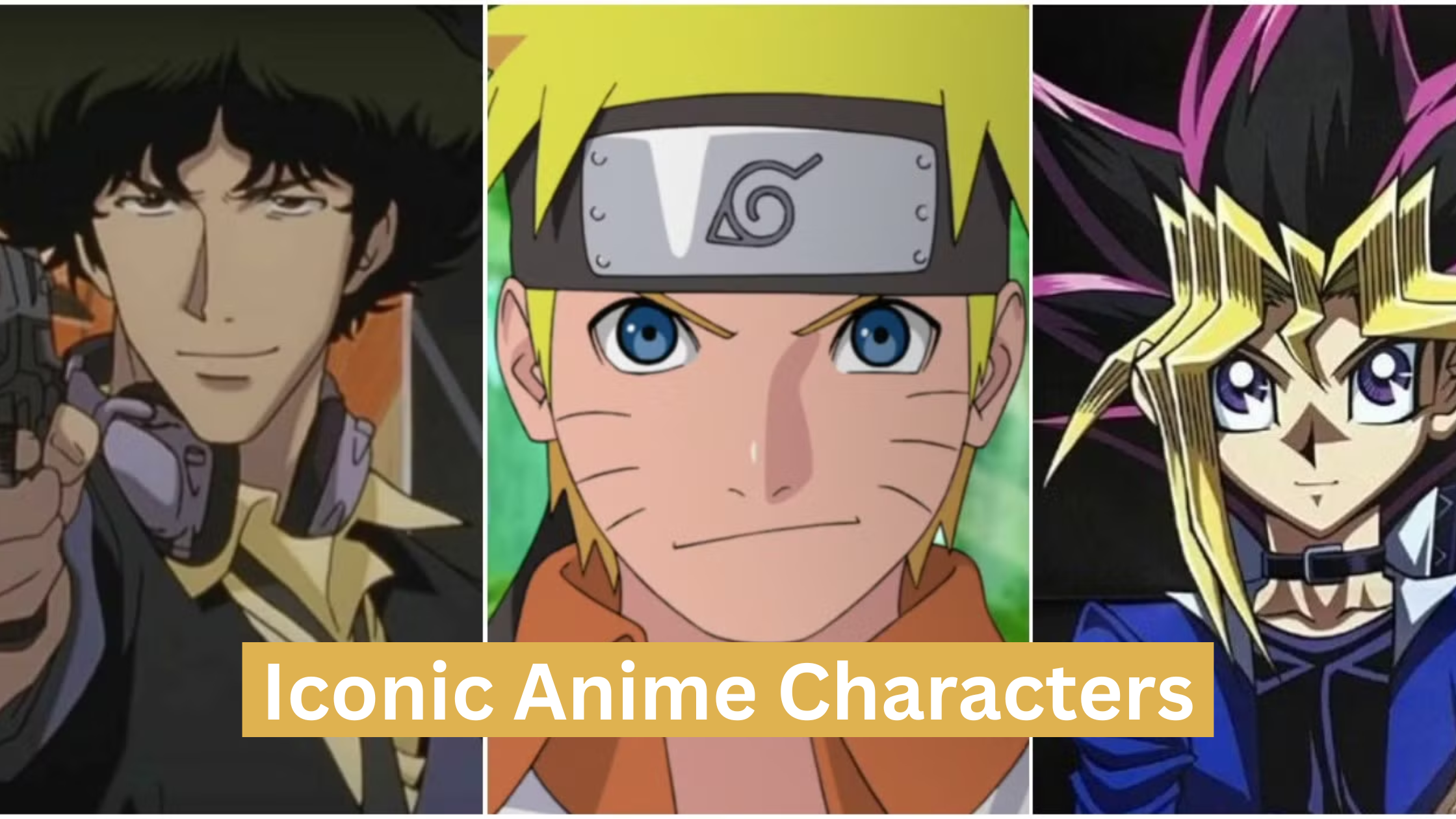
For instance, characters from Naruto have appeared in promotional collaborations with fashion companies and restaurants. These partnerships introduce anime culture to wider audiences.
Similarly, gaming franchises often work with anime studios to create limited promotional content. Characters may appear in advertisements or special animated shorts.
Such collaborations benefit both sides. Brands gain cultural relevance and storytelling appeal. Anime studios gain financial support and global visibility.
Furthermore, international collaborations highlight the global popularity of anime. What began as a niche form of entertainment now influences fashion, gaming, and advertising worldwide.
These partnerships show how anime storytelling can connect with diverse industries.
Risks and Rewards for Studios
Despite their potential, anime crossovers also involve risks. If fans feel that characters behave out of character, the collaboration may receive criticism.
Balancing different tones also proves challenging. A comedic series may struggle to integrate smoothly with a darker narrative. Writers must ensure that humor and drama complement each other.
Production schedules present another risk. Coordinating multiple studios and voice actors requires careful planning. Delays may affect release timelines.
However, when executed successfully, crossovers deliver significant rewards. They generate media attention and increase viewership. They attract fans from different communities.
Moreover, collaborations encourage creative growth. Artists experiment with fresh visual ideas. Writers explore unique story possibilities.
Ultimately, the benefits often outweigh the risks when studios plan thoughtfully.
Future Possibilities in Anime Collabs
The future of anime collaborations looks incredibly promising. As streaming platforms expand global access, more studios seek international partnerships.
Technology also supports creative experimentation. Advanced animation tools allow seamless integration of different art styles. Virtual production techniques make large-scale collaborations easier to manage.
We may also see crossovers between anime and other entertainment forms such as video games and live-action films. Hybrid storytelling could introduce characters to entirely new audiences.
Another exciting possibility involves collaborative universes where multiple creators contribute stories within shared worlds. This approach could mirror the success of interconnected franchises in other media industries.
Fans will likely continue driving demand. Their enthusiasm encourages studios to take bold risks and imagine unexpected partnerships.
If the past decade taught us anything, it is that anime crossovers can surprise and delight viewers in countless ways.
Conclusion
Anime crossovers and collaborations represent a fascinating blend of creativity and strategy. They allow beloved characters to meet in imaginative ways while opening new opportunities for studios and brands. Behind every collaboration lies complex licensing work, thoughtful design decisions, and careful storytelling. Yet when these elements align, the results feel magical for fans.
From early experiments in shared universes to modern partnerships with global brands, anime crossovers continue to evolve. They celebrate the diversity of the medium and invite audiences to explore unfamiliar worlds. As technology advances and international interest grows, future collaborations may become even more ambitious. Ultimately, these partnerships remind us that anime thrives on imagination, connection, and the joy of bringing different worlds together.