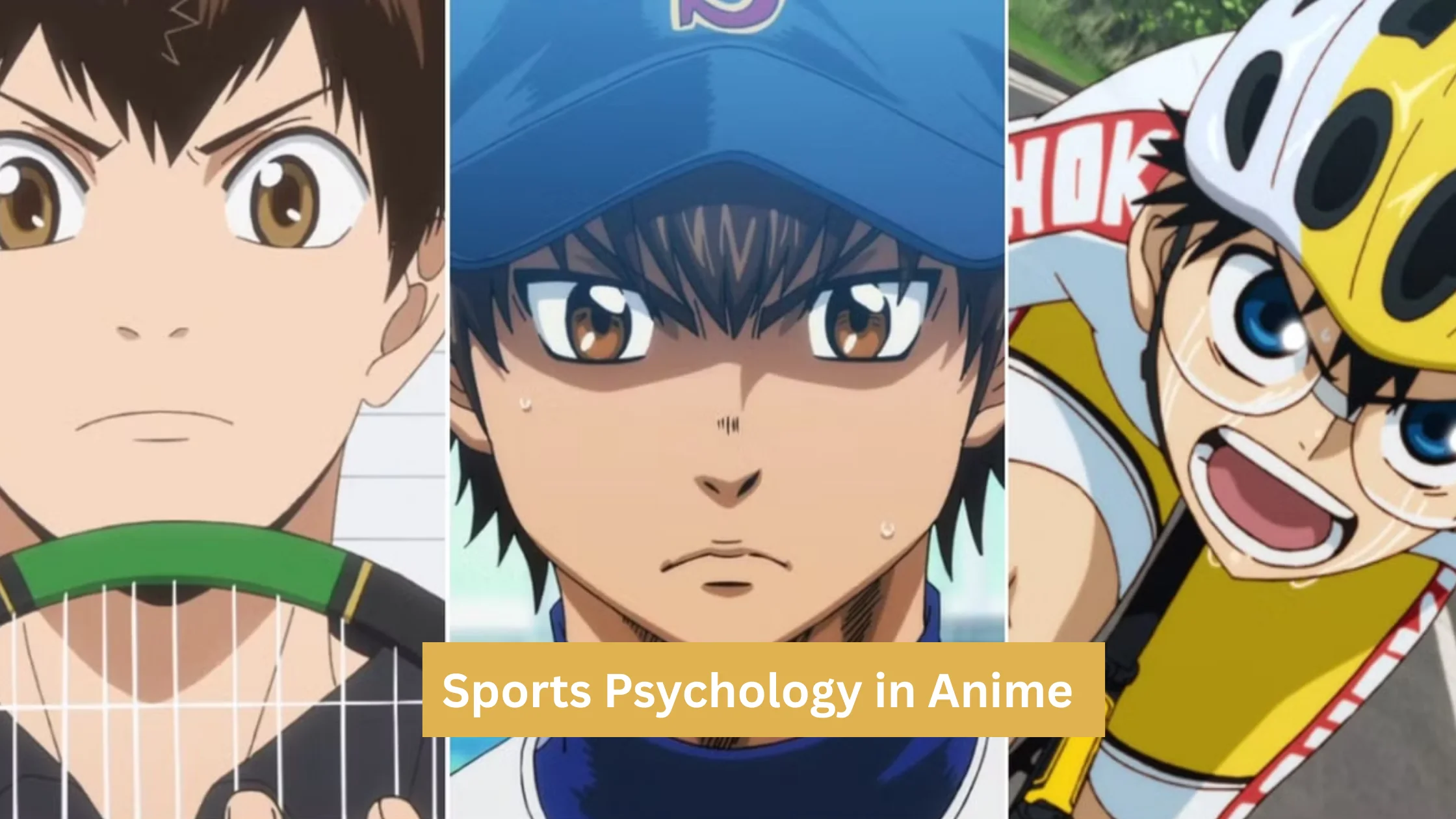
Sports Psychology in anime has always been about more than physical ability. While powerful spikes, dramatic finishes, and intense rivalries grab attention, the true heartbeat of these stories lies in the mind. Confidence, fear, motivation, burnout, and recovery often matter more than raw talent. Through emotional storytelling, anime explores sports psychology in ways that feel personal and deeply relatable.
By following athletes through victory and defeat, sports anime shows how mental strength is built, broken, and rebuilt. These stories reflect real psychological struggles faced by players at every level. As a result, sports anime does not simply entertain. It teaches viewers how growth often begins after failure.
Historical Development of Sports Anime
Sports anime has evolved alongside changing attitudes toward competition and mental health. Early titles focused heavily on perseverance and physical endurance. Winning was often portrayed as the ultimate reward for effort. Characters trained harder, endured pain, and pushed beyond limits through sheer willpower.
Over time, storytelling matured. Creators began exploring what happens inside an athlete’s mind. Anxiety before matches, fear of letting teammates down, and pressure from expectations became central themes. Rather than presenting athletes as invincible heroes, anime started showing them as vulnerable individuals.
This shift mirrored real-world changes in sports culture. Coaches and psychologists began recognizing the importance of mindset. Sports anime reflected this awareness by giving emotional weight to training arcs and competitions.
Modern sports anime balances action with introspection. Training scenes now include moments of doubt. Matches become psychological battles as much as physical ones. This evolution helped sports anime reach broader audiences who relate to emotional struggle even if they never played competitively.
Psychological Underpinning for Training
Training in sports anime is rarely just about building muscle or mastering technique. It is portrayed as a mental journey. Characters must overcome fear, self-doubt, and past trauma before improving performance.
Many series show athletes hitting mental walls. Progress stalls despite physical effort. At this point, coaches or mentors guide characters to reflect inward. They ask difficult questions. Why do you play? What are you afraid of? What does winning truly mean?
These moments highlight key psychological concepts such as intrinsic motivation and resilience. Training becomes meaningful when athletes reconnect with purpose. Improvement follows emotional clarity rather than exhaustion alone.
Anime often visualizes mental growth through symbolic imagery. Empty gyms represent isolation. Heavy rain mirrors emotional weight. Breakthroughs occur during quiet reflection rather than loud triumph.
By emphasizing mental preparation, sports anime teaches that consistency and self-belief matter as much as talent. Training succeeds when the mind and body move together.
Teamwork and Mentorship Dynamics
Sports anime places strong emphasis on interpersonal psychology. Team dynamics influence confidence, trust, and performance. Characters grow not only through individual effort but also through relationships.
Mentors play a crucial psychological role. They provide guidance without controlling outcomes. Great mentors in anime understand when to push and when to step back. They recognize emotional signals rather than focusing solely on results.
Teamwork challenges personal ego. Players must learn communication, empathy, and compromise. Conflict within teams often reflects internal struggles. Rivalries between teammates reveal insecurity or fear of replacement.
As trust develops, performance improves naturally. Anime shows how emotional safety within a team encourages risk-taking and creativity. Players perform better when they feel supported.
These dynamics mirror real sports psychology principles. Healthy environments foster growth. Toxic pressure destroys confidence. Sports anime illustrates this balance with emotional realism.
Handling Loss and Defeat
Loss is where sports anime truly shines. Defeat is not treated as a simple obstacle to overcome quickly. Instead, it becomes a defining psychological experience.
Characters react differently to loss. Some feel shame. Others feel anger or numbness. Anime allows space for grief rather than rushing recovery. This honesty helps viewers process their own failures.
Many series portray athletes questioning their identity after losing. If winning defined their self-worth, defeat creates emptiness. Through reflection and support, characters slowly rebuild confidence.
Recovery often involves reframing loss as information rather than judgment. What did this defeat teach? What can change next time? This mindset shift represents real cognitive coping strategies.
By showing emotional lows without shortcuts, sports anime normalizes struggle. It reassures viewers that setbacks do not erase value or potential.
Impact on Audience Perspective
Sports anime shapes how viewers perceive competition. Rather than glorifying victory alone, it emphasizes growth, effort, and resilience. Audiences learn that improvement is not linear.
Viewers often see their own fears reflected in characters. Performance anxiety. Fear of disappointing others. Doubt about self-worth. These shared emotions create strong emotional bonds.
For many fans, sports anime becomes motivational without being unrealistic. It inspires persistence while acknowledging mental exhaustion. This balance makes encouragement feel genuine.
Younger viewers especially benefit from these portrayals. They learn that losing does not mean failure. It means opportunity for growth.
As a result, sports anime influences mindset beyond entertainment. It changes how people approach challenges in school, work, and personal goals.
Studio Approaches to Realism
Different studios approach sports psychology with varying styles. Some focus on grounded realism. Others exaggerate emotion for dramatic effect. Both approaches can succeed when handled carefully.
Studios known for realism emphasize:
- Natural dialogue
- Subtle facial expressions
- Internal monologues
- Quiet reflective moments
Animation choices support emotional storytelling. Camera angles linger on faces. Sound design softens during introspection. These techniques allow viewers to feel rather than simply observe.
More stylized studios use heightened visuals to represent internal struggle. Explosive imagery symbolizes emotional breakthroughs. While less realistic, these moments still convey psychological truth.
Regardless of style, successful studios respect emotional authenticity. They avoid reducing growth to instant confidence boosts. Instead, they show gradual change shaped by experience.
Representation in Different Sports Genres
Sports psychology appears differently depending on the sport being portrayed. Team-based anime often emphasize collective mindset, communication, and shared responsibility. Individual sports anime focus more on internal conflict, self-discipline, and isolation.
In team sports like volleyball or football, characters struggle with trust. Players must learn to rely on others rather than carry the burden alone. Anxiety often comes from fear of failure affecting teammates. Growth happens when characters accept vulnerability and collaboration.
Individual sports anime such as cycling, running, or martial arts explore solitude. Athletes face their thoughts without distraction. Motivation becomes deeply personal. Self-doubt feels louder when there is no team to lean on.
Combat sports highlight emotional control. Anger, fear, and pride must be managed carefully. Losing composure often leads to defeat. Mental balance becomes a skill equal to physical technique.
Across genres, sports anime adapts psychology to match each discipline. This flexibility keeps stories fresh while maintaining emotional truth.
Notable Psychological Arcs
Some of the most memorable moments in sports anime come from long psychological arcs rather than single matches. These arcs often span multiple episodes, allowing viewers to witness gradual transformation.
Common arc patterns include:
- Recovering confidence after injury
- Overcoming fear of failure
- Letting go of perfectionism
- Redefining personal goals
These arcs feel impactful because progress is uneven. Characters relapse emotionally. Doubts return under pressure. Growth does not erase fear. It teaches characters how to coexist with it.
Psychological arcs often peak during critical matches. Instead of sudden power boosts, breakthroughs come from mindset shifts. A character plays freely for the first time. Another accepts loss without self-hate.
These moments resonate because they reflect real human change. Viewers recognize the emotional journey even if the sport itself is unfamiliar.
Fan Reception
Fans respond strongly to psychological depth in sports anime. Online discussions often focus less on match outcomes and more on character emotions. Viewers analyze decisions, reactions, and growth moments.
Many fans describe feeling understood through these stories. Seeing anxiety and burnout portrayed honestly reduces feelings of isolation. Sports anime becomes a source of comfort rather than pressure.
Long-running series build emotional loyalty. Fans grow alongside characters. Victories feel earned because viewers witnessed the mental struggle behind them.
Critical praise often highlights emotional realism. Reviewers appreciate when anime avoids glorifying unhealthy obsession or self-sacrifice. Balanced portrayals earn trust.
This reception proves that audiences value emotional intelligence. Sports anime succeeds when it respects psychological complexity.
Influence on Real Sports Culture
Sports anime has influenced real-world athletes and fans more than expected. Many players cite anime as motivation during training or recovery periods. The emphasis on mindset resonates across cultures.
Coaches reference anime metaphors to explain teamwork and perseverance. Mental training concepts become easier to understand through storytelling.
Anime also encourages healthier perspectives on competition. It promotes effort over perfection and resilience over constant victory.
For casual viewers, sports anime builds appreciation for athletic psychology. Fans gain respect for mental endurance behind professional performance.
This influence shows storytelling power. Anime bridges entertainment and emotional education without preaching.
Conclusion
Sports psychology in anime succeeds because it understands that winning begins in the mind. Through thoughtful storytelling, it explores confidence, fear, resilience, and recovery with honesty. Physical skill matters, but mental strength defines growth.
By portraying loss as meaningful and progress as gradual, sports anime reflects real human experience. Viewers connect not because characters always win, but because they struggle authentically.
As audiences continue to seek emotional realism, sports anime will remain relevant. Its focus on psychology ensures that stories inspire without misleading. In the end, these anime remind us that growth is not about being unstoppable. It is about continuing despite doubt.