
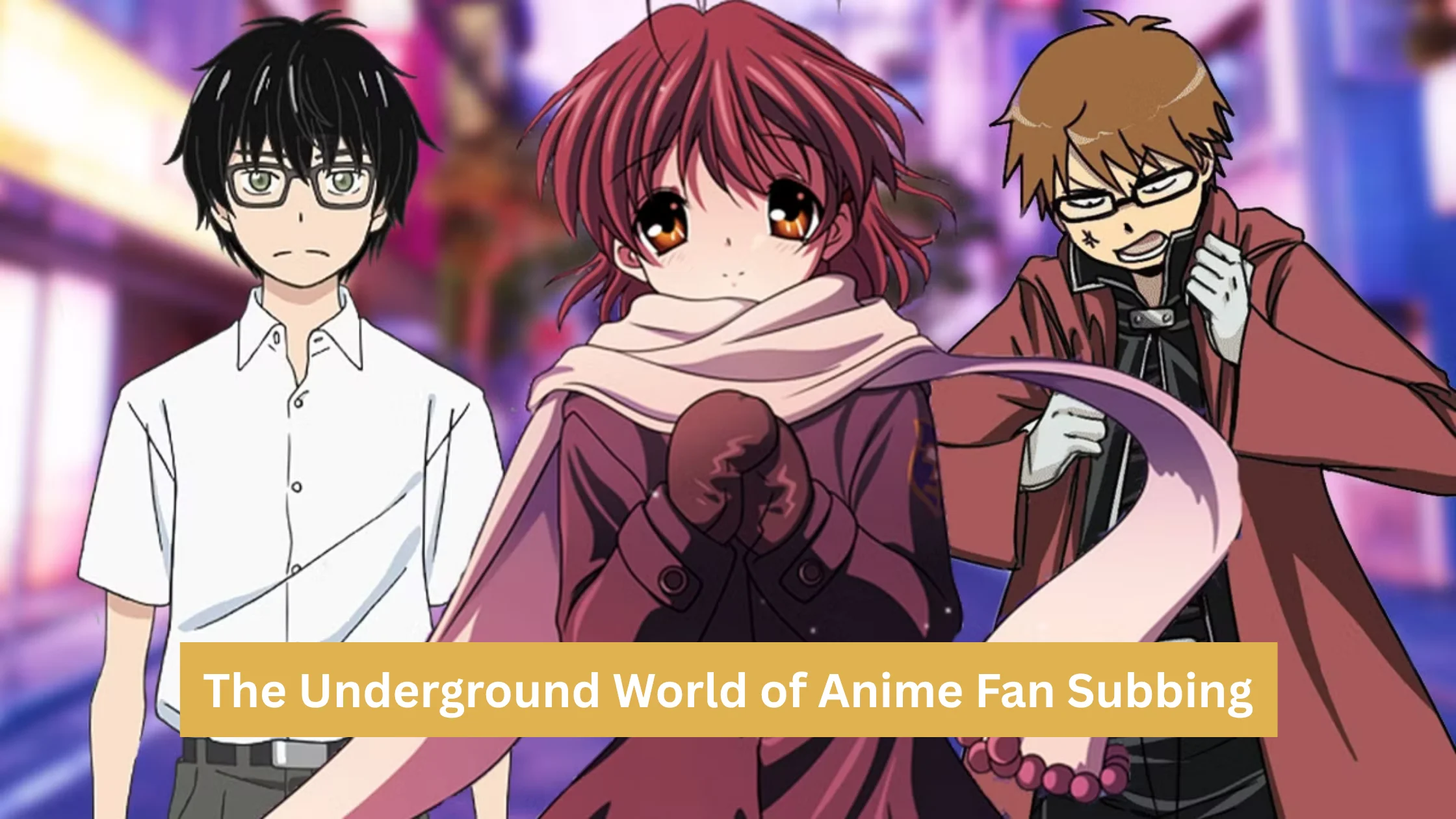
Before anime became easily available on global streaming platforms, fans had to rely on something far more grassroots. That world was built by passionate viewers who translated and shared anime on their own. This movement is known as fan subbing.
Fan subbing is not just about adding subtitles. It is about dedication, collaboration, and a deep love for storytelling. For many fans, it was the only way to access anime that was never officially released in their region.
Over time, this underground culture shaped how anime spread across the world. It connected communities, influenced translation standards, and even pushed the industry to evolve.
Let us explore how fan subbing began, how it grew, and why it still holds an important place in anime history.
History of Fan Subbing
Fan subbing began long before digital streaming existed. In the 1980s and 1990s, anime fans outside Japan had very limited access to content. Official releases were rare and often delayed by years.
To solve this problem, small groups of fans started creating their own subtitles. They used VHS tapes and basic editing tools. These tapes were copied and shared through mail or at conventions.
The process was slow and required patience. Translators would listen carefully to dialogue and write subtitles by hand. Editors would then sync the text with the video using simple equipment.
Despite these challenges, fan subbing communities grew steadily. They created networks where fans could exchange content and recommendations.
By the early 2000s, the internet changed everything. Digital files replaced physical tapes. Distribution became faster and more widespread.
Fan subbing became a global movement that introduced countless viewers to anime for the first time.
Subtitle Accuracy Debates
As fan subbing grew, debates about translation accuracy became more common. Fans wanted subtitles that stayed true to the original meaning. At the same time, they also wanted dialogue that felt natural in their own language.
This created a constant balance between literal translation and localization. Some fans preferred word-for-word accuracy. Others supported adapting phrases to fit cultural context.
For example, honorifics in Japanese language often carry social meaning. Some fan sub groups kept these terms, while others removed them for clarity.
These choices sparked discussions within the community. Viewers compared different versions and shared opinions about which approach worked best.
Over time, these debates helped improve translation standards. They pushed fan subbers to think carefully about language and cultural nuance.
Community Collaborations
Fan subbing has never been a one-person job. It thrives on teamwork, where each member brings a specific skill to the table.
A typical group includes translators, timers, editors, and quality checkers. Each role matters, and the final result only works when everyone stays in sync.
What makes this process special is the sense of connection. People from different countries and backgrounds come together, often working across time zones to finish a single episode.
Over time, it starts to feel less like a task and more like a shared creative space. Members learn from each other while improving their own skills.
Many of these collaborations turn into long-term friendships. What begins as a simple project often becomes a strong and lasting community.
Evolution of Technology for Fansubs
Technology has shaped fan subbing from the very beginning. In the early days, everything was done manually, which made the process slow and often exhausting.
As better software became available, things started to change. Fansubbers could time subtitles more accurately and edit videos with much greater control.
This also opened the door for creativity. Subtitles were no longer just plain text. Groups began experimenting with fonts, colors, and effects to match the tone of each scene.
Faster internet made an even bigger impact. Episodes that once took weeks to circulate could now be shared within hours of release.
Today, the tools are more powerful than ever. Yet the purpose remains unchanged. It is still about fans coming together to share stories they love with others around the world.
Studio Responses Over Time
In the early days, anime studios were unsure how to react to fan subbing. It clearly broke copyright rules, yet it also brought their work to audiences they could not reach on their own.
Some studios chose to look the other way. They saw fan subbing as free promotion that helped build interest in international markets.
Others took a stricter stance. As the industry grew, protecting content and revenue became more important, which led to takedowns and legal pressure.
Over time, studios began to understand the bigger picture. Global demand for anime was real, and fans were ready to support official releases if they were available.
This shift led to better distribution strategies and the rise of licensed streaming platforms. While fan subbing faded from the spotlight, its role in expanding anime worldwide is something the industry can’t ignore.
Copyright Law and Fan Activism
Fan subbing has always lived in a grey area. From a legal point of view, sharing subtitled anime without permission crosses copyright boundaries. There is no real way around that.
At the same time, many fan subbers never saw themselves as pirates. They treated their work as a way to share stories that were otherwise unavailable. Most groups followed an unspoken rule: once a show got an official release, they stepped back.
This mindset created a form of quiet activism. Fans believed they were helping anime grow beyond Japan by building interest and awareness in new regions. In many cases, they were right.
Still, the tension between access and ownership has never fully gone away. As the industry grows, that balance continues to be debated from both sides.
Quality and Creative Liberties
Fan subbing has always had a personal touch. Unlike official translations, many groups shape their subtitles based on how they interpret the story and its cultural context.
Some teams go the extra mile by adding notes. These small explanations help viewers understand jokes, honorifics, or references that might not translate directly.
Others focus on presentation. They use styled fonts, colors, or timing tricks to match the mood of a scene and make the subtitles feel more alive.
This creative freedom can make the experience richer. It allows viewers to connect more deeply with the original intent of the dialogue. At the same time, it also creates variation. Different groups may translate the same line in completely different ways.
That inconsistency is part of the charm. It shows that fan subbing is not just technical work, but a creative expression shaped by the people behind it.
The Rise of Official Simulcasts
The anime industry changed dramatically once simulcasts became the norm. Instead of waiting months or even years, fans could watch new episodes almost at the same time as viewers in Japan.
Platforms like Crunchyroll and Funimation made this possible by offering fast and legal access to a wide range of shows.
This shift reduced the reliance on fan subbing. Viewers now had a reliable option with consistent quality and professional translations.
Still, fan sub versions did not disappear completely. Some viewers continue to prefer them for their detailed notes and cultural context.
In the end, both formats reflect different needs. One offers convenience and legality, while the other keeps the creative and community-driven spirit alive.
International Fandom Impact
Fan subbing quietly built the bridge that connected anime to the rest of the world. Long before official releases were common, it gave international fans a way to discover stories that would have otherwise stayed out of reach.
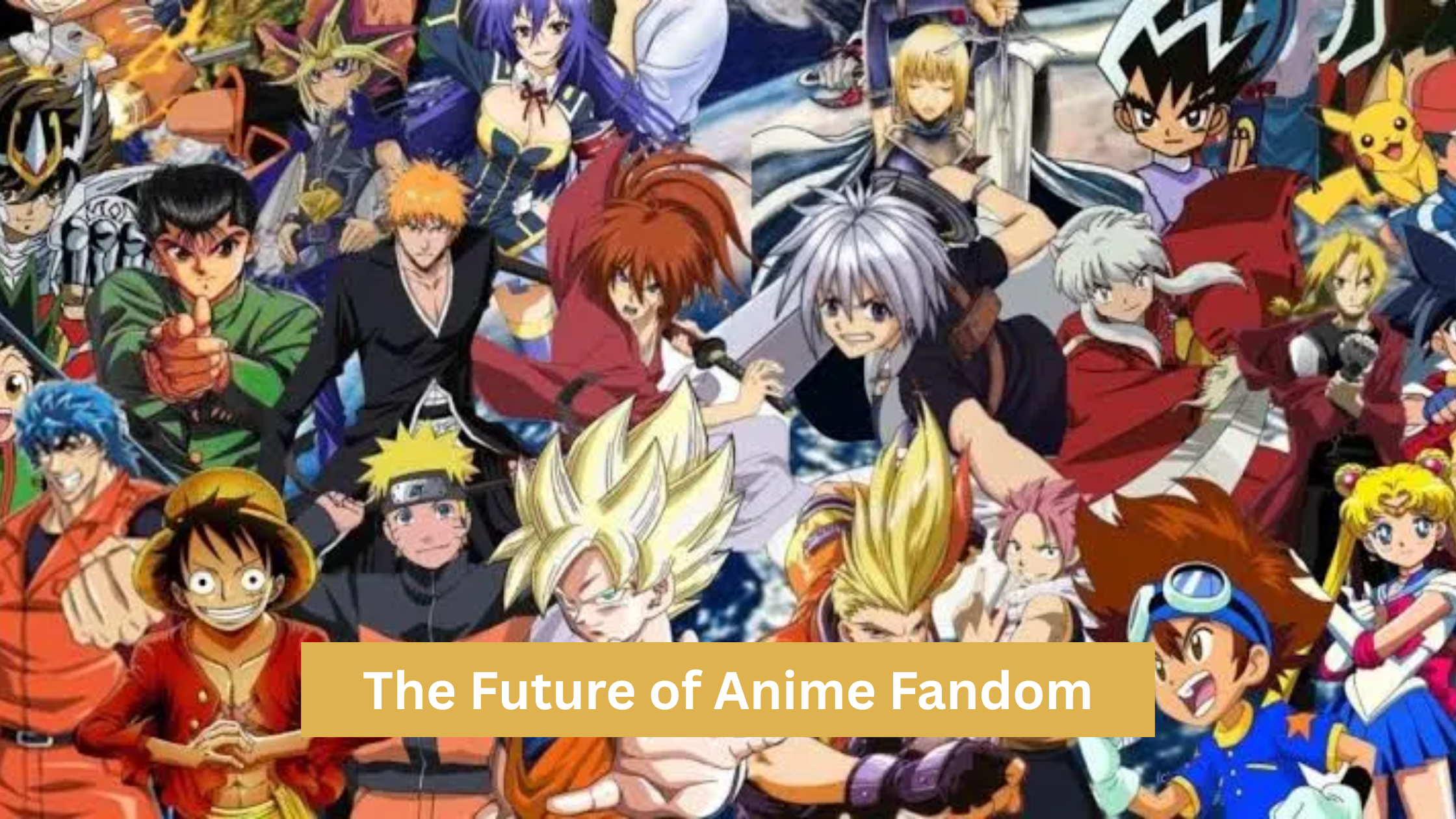
Through these translations, series like Naruto and Bleach found audiences far beyond Japan. For many viewers, this was their first real introduction to anime.
As more people started watching, communities naturally began to form. Fans gathered online to share reactions, create art, and discuss theories, turning individual viewing into a shared experience.
This sense of connection helped anime grow into something much bigger. It was no longer a niche interest, but a global culture shaped by passionate fans.
Even today, that influence is easy to see. The way fans interact, discuss, and celebrate anime still carries the spirit that fan subbing helped create.
Predicted Future of Fan Translation
Fan translation is not disappearing, but it is clearly changing its role. With official releases arriving faster than ever, fan subbing is no longer the only way to watch new anime.
Instead, many fansubbers are turning their attention to overlooked content. Older series, rare titles, and niche genres are getting a second life through these efforts.
At the same time, creativity is becoming a bigger focus. Some groups experiment with styling, notes, and cultural explanations that go beyond basic translation.
Technology will also shape the future. Tools and AI can speed up the process, but they still struggle with tone, humor, and cultural meaning. That human touch remains essential.
In the end, fan translation is becoming more about passion than necessity. It continues to exist as a creative space where fans share stories in their own unique way.
Conclusion
Anime fan subbing has always been more than just adding subtitles. It is a reflection of how far passion can go when fans truly care about the stories they love. What started as a small effort by dedicated individuals slowly turned into a movement that connected people across the world.
Even though official streaming has made anime easier to access, the impact of fan subbing still lingers. It shaped how global audiences discovered anime and raised expectations for translation quality and cultural depth.
Today, fan subbing may not be as essential as it once was, but its spirit is still alive. It lives in communities, in discussions, and in the way fans continue to share and celebrate anime.
At its core, fan subbing shows one simple truth. When people love a story enough, they will always find a way to share it.