
Introduction: Cosplay as a Lifestyle & Community
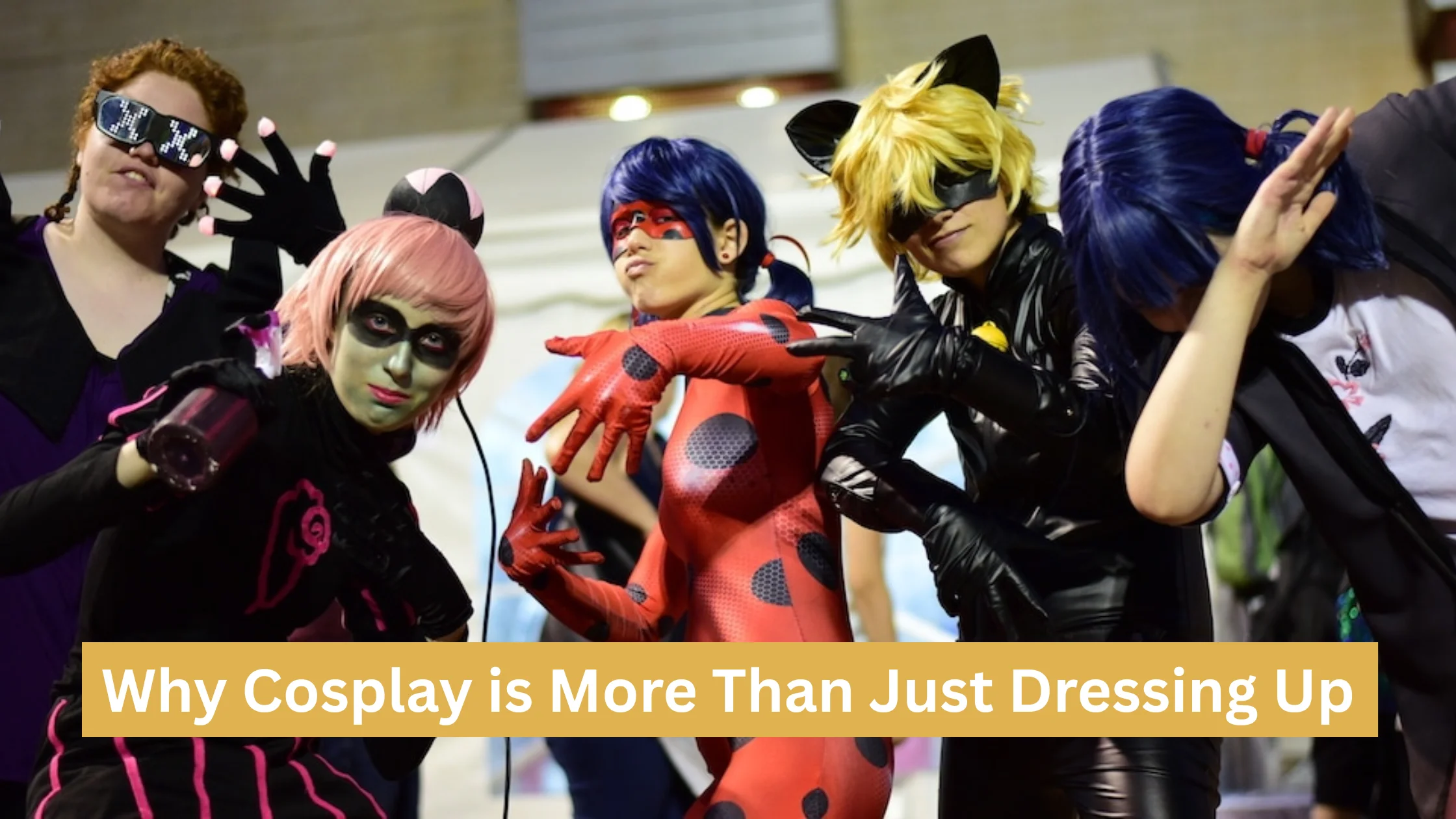
Cosplay — short for “costume play” — has grown far beyond a simple hobby. What started as fans dressing up as their favorite characters has evolved into a full-fledged culture that blends creativity, craftsmanship, and community. From small anime gatherings to massive global conventions, cosplay today represents passion, identity, and artistry.
For many, cosplay isn’t just about looking like a character — it’s about becoming them. It’s a form of storytelling, a way to express love for a series, and a powerful outlet for self-expression. The global cosplay scene continues to thrive, with artists, designers, and photographers collaborating to bring fictional worlds to life. Whether you’re a casual fan making your first outfit or a professional cosplayer with thousands of followers, cosplay creates a shared space of creativity, inclusivity, and joy that connects fans worldwide.
History of Cosplay in Japan & Abroad
The roots of cosplay trace back to Japan in the 1970s, when manga and anime fans began wearing costumes to celebrate their favorite characters at sci-fi conventions. The term “cosplay” (コスプレ) was coined by Japanese journalist Nobuyuki Takahashi after visiting a U.S. convention in 1984, inspired by American fans dressing up as characters from Star Trek and Star Wars.
However, Japan transformed cosplay into an art form. Events like Comiket (Comic Market) and World Cosplay Summit helped popularize it, merging performance, costume design, and fandom celebration. By the 2000s, cosplay had become a global movement — with conventions like Comic-Con, Anime Expo, and MCM London embracing it as a cultural highlight.
Today, cosplay bridges East and West, combining Japan’s appreciation for craftsmanship with the West’s flair for performance and individuality. From Tokyo to New York, cosplay represents the universal language of fandom.
Craftsmanship: Sewing, Props, Wigs & Makeup
True cosplay artistry lies in the craftsmanship. Cosplayers spend weeks — sometimes months — perfecting every detail of their outfits.
- Sewing & Fabric Work: Creating accurate costumes requires pattern-making, stitching, and tailoring skills. Many cosplayers design from scratch to match an anime’s specific color tones and styles.
- Props & Armor Building: Foam crafting, 3D printing, and resin casting bring weapons and armor to life, from Demon Slayer swords to Attack on Titan gear.
- Wig Styling: Anime hairstyles defy gravity, and styling synthetic wigs demands precision, hairspray, and patience.
- Makeup & Body Paint: Cosplayers use contouring, prosthetics, and airbrushing to resemble their chosen characters authentically.
Craftsmanship in cosplay goes beyond accuracy — it’s about creativity. Many fans reinterpret characters with cultural twists, gender swaps, or modern fashion elements. This blend of design, dedication, and innovation turns cosplay into a living art form.
Cosplay Competitions & Global Conventions
Competitions play a major role in celebrating cosplay talent. Events like the World Cosplay Summit (Japan), C2E2 Crown Championships (USA), and EuroCosplay Championships (UK) showcase top-tier craftsmanship and performance.
Cosplayers aren’t judged only on costume accuracy but also on stage presence, creativity, and how well they embody their characters. These contests reward passion, not fame — giving talented individuals global recognition.
Conventions like Anime Expo, Otakon, and Comic-Con International provide safe spaces for fans to celebrate, meet others, and express themselves without judgment. They serve as cultural melting pots, connecting fans across countries and languages under one shared passion: anime and creativity.
Cosplay Photography as an Art Form
Photography elevates cosplay from costume to cinematic storytelling. Professional photographers collaborate with cosplayers to recreate iconic anime scenes — from emotional character moments to dynamic battle poses.
Lighting, backgrounds, and post-production play huge roles in capturing the essence of a character. Some photographers even use digital editing to simulate powers, magic, or sci-fi environments, turning a simple photoshoot into a piece of digital art.
Cosplay photography isn’t just about visuals — it immortalizes months of creative work. It’s a fusion of fashion, fantasy, and fine art that continues to push creative boundaries online and at exhibitions worldwide.
Role of Social Media in Growing Cosplay Culture
Platforms like Instagram, TikTok, and X (Twitter) have completely transformed how cosplay is shared and celebrated. Social media allows cosplayers to showcase their work, build communities, and connect directly with fans around the world.
Short-form videos — especially transformation reels — have become viral trends, showing the process from casual clothing to full character immersion. Hashtags like #CosplayCommunity, #AnimeCosplay, and #CosplayerLife help new artists gain visibility.
Moreover, streaming platforms like Twitch and YouTube let creators share behind-the-scenes tutorials, sewing tips, and prop-building lessons. Social media has democratized cosplay — giving both beginners and pros equal opportunity to shine.
Challenges Cosplayers Face
Despite its beauty, the cosplay world isn’t without challenges.
- Judgment & Gatekeeping: Some fans still face criticism for body type, gender, or race when cosplaying popular characters.
- High Costs: Materials, wigs, and props can be expensive — making cosplay a time and money-intensive passion.
- Time Constraints: Balancing work or school with cosplay creation is demanding.
- Mental Pressure: Online comparisons and perfectionism can cause burnout among creators.
However, the community continues to evolve, promoting inclusivity and self-acceptance. Many cosplay events now emphasize diversity and creativity over accuracy. The goal is to enjoy and express, not to compete for perfection.
Why Cosplay Empowers Self-Expression
Cosplay gives people the power to become who they admire — heroes, villains, or even misunderstood side characters. It’s a form of identity exploration, especially for those who feel different or unseen in real life.
When fans dress as their favorite characters, they connect with their stories — embodying strength, courage, and confidence. For many, it’s therapeutic: a way to step out of personal struggles and channel positive energy through creativity.
Cosplay also fosters friendships, teamwork, and self-confidence. Building a costume from scratch and presenting it publicly takes courage. Each cosplay becomes a reflection of passion, persistence, and love for the medium — proving that self-expression is the true power behind the art.
Wrap-Up: Cosplay as a Celebration of Fandom
At its core, cosplay is not just about costumes — it’s about connection. It connects fans to their favorite stories, to each other, and to the creative process itself. Every stitch, prop, and photo tells a story of dedication and shared passion.
From anime conventions in Tokyo to comic expos in Los Angeles, cosplay stands as a living celebration of fandom. It transforms admiration into art and turns individual creativity into collective culture.
As social media and global conventions continue to grow, cosplay will only become more inclusive and accessible. The community is evolving — embracing diversity, promoting creativity, and inspiring newcomers to express themselves freely.
So the next time you see someone dressed as an anime hero or game character, remember: behind that costume lies hours of craftsmanship, emotion, and a deep love for storytelling. Cosplay is not “just dressing up.” It’s the heartbeat of modern fandom — a global art form powered by imagination.