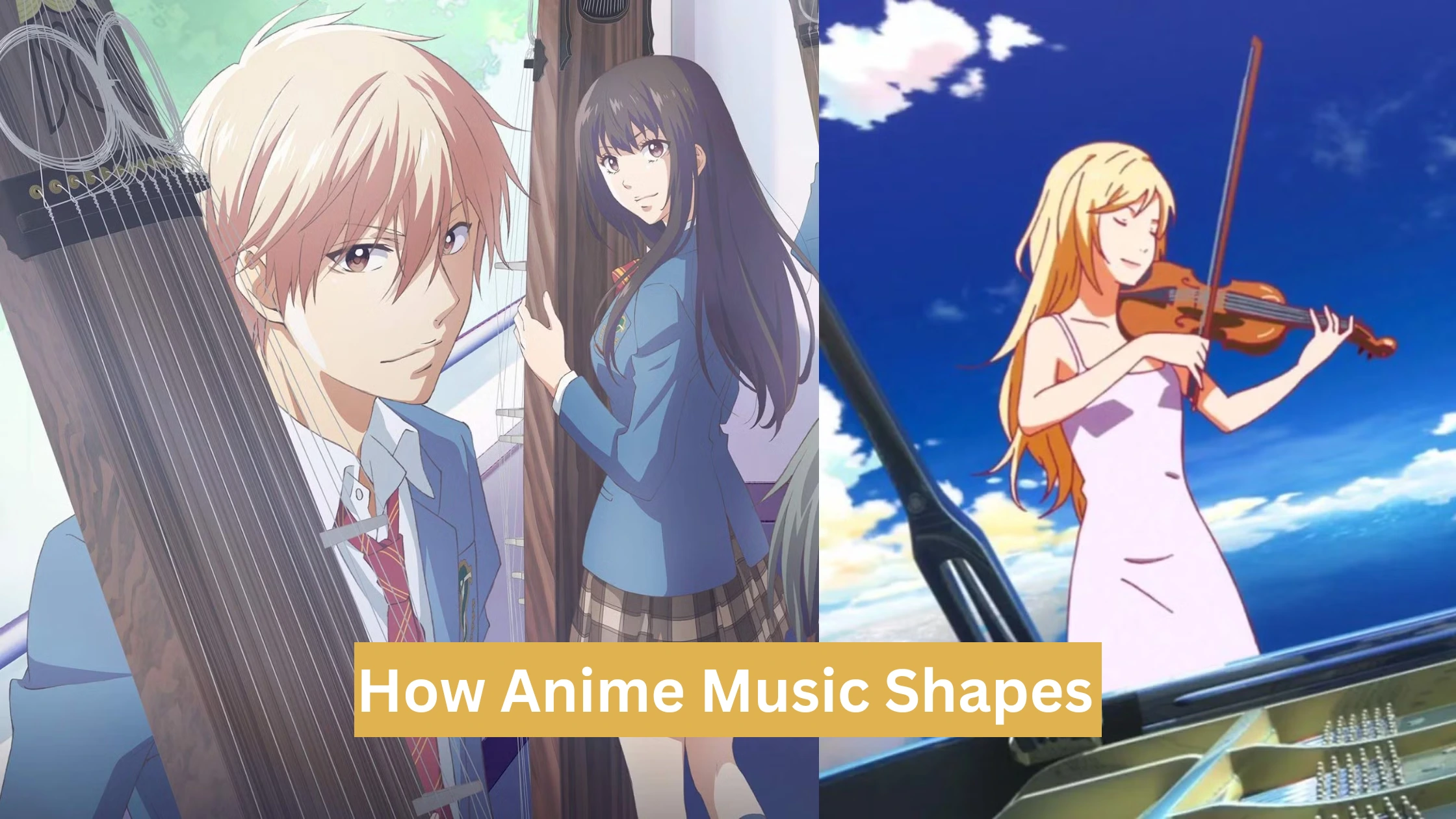

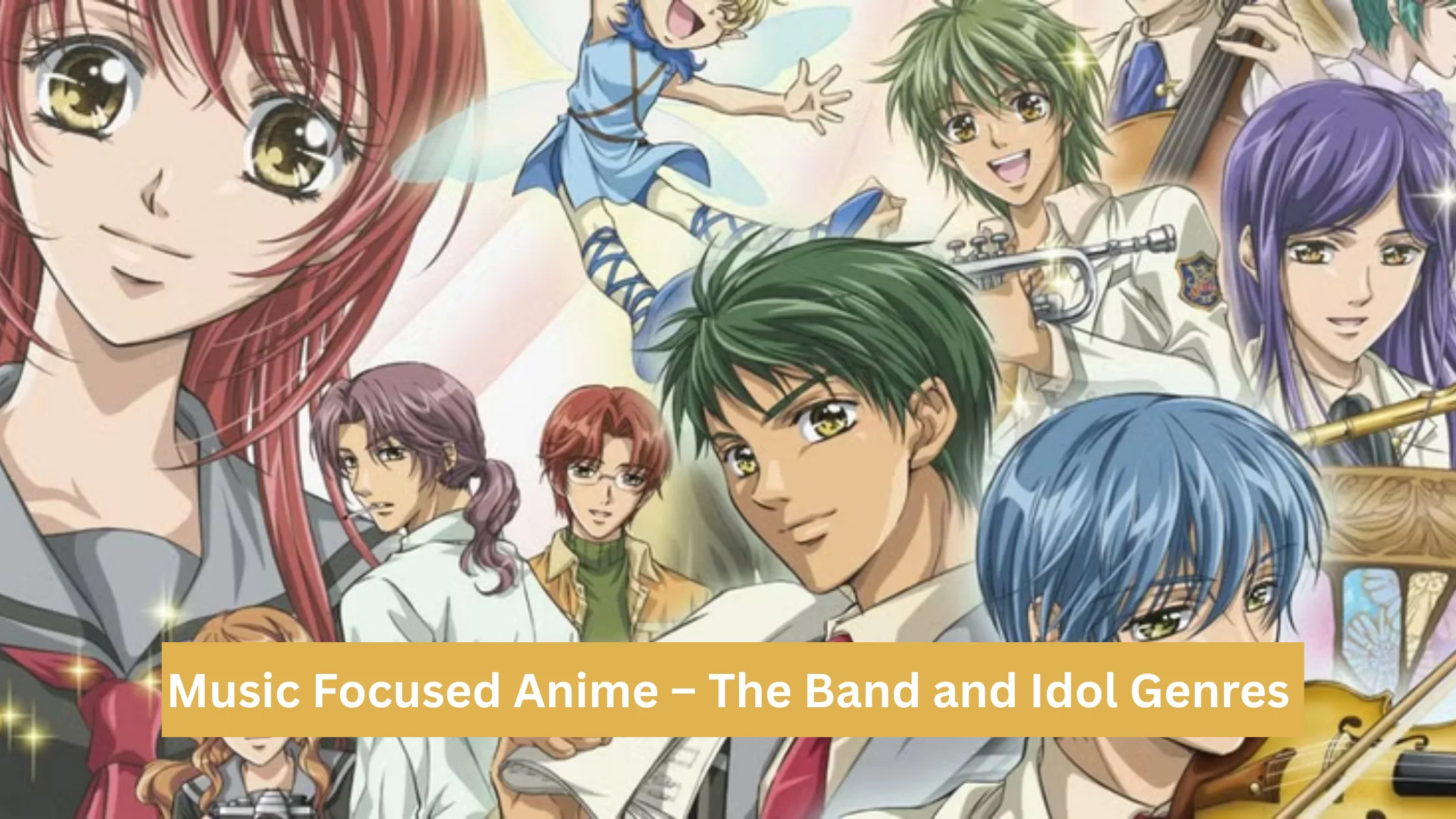
Anime has always embraced big emotions. It celebrates friendship, ambition, rivalry, and growth. So it makes perfect sense that music became one of its most vibrant storytelling tools. When characters form a band or step onto an idol stage, they do more than perform songs. They chase dreams. They struggle with doubt. They fight for connection.
Music focused anime brings sound and story together in a way that feels alive. You do not just watch the characters. You hear their journey. You feel the rhythm of their progress. Over time, the band and idol genres have built passionate fanbases and shaped real-world entertainment trends.
Let’s explore how these series evolved and why they continue to strike a chord with viewers around the world.
Historical Context for Music Anime
Music anime did not appear overnight. Its roots stretch back decades. Early animation often included musical performances, yet the genre became more focused during the late twentieth century. As Japan’s pop culture industry expanded, studios began to explore stories centered on performers rather than warriors or magical heroes.
One of the early landmark titles was Macross. While it blended mecha action with science fiction, it also placed a pop singer at the emotional center of the conflict. Music acted as a bridge between cultures and even as a tool to end war. That idea felt bold and fresh.
Later, the idol boom of the 1990s influenced animation more directly. Series such as Perfect Blue explored the darker side of idol fame. This psychological thriller showed the pressure behind the spotlight. It revealed how fame can distort identity. Although not a cheerful idol story, it proved that music centered narratives could carry serious themes.
The 2000s introduced a more lighthearted approach. Nana brought rock band culture to life. It focused on friendship and ambition in the Tokyo music scene. Viewers followed two young women chasing different dreams yet sharing the same name. The emotional depth felt grounded and real.
Soon after, K-On! redefined the band genre for a new generation. Instead of intense drama, it celebrated everyday life and small victories. A high school light music club became the heart of a warm slice of life experience. This shift proved that music anime could succeed without heavy conflict.
As streaming expanded global access, music anime found wider audiences. The genre matured. It embraced both realism and fantasy. Today, it stands as one of the most colorful corners of anime culture.
Storytelling Tropes Unique to the Genre
Music focused anime shares certain storytelling patterns. However, these tropes feel fresh because they connect to performance and emotion.
First, there is the formation arc. Characters who barely know each other come together to form a band or idol unit. At first, they clash. Their personalities differ. Their skill levels vary. Over time, they learn to harmonize. This structure mirrors real musical collaboration. Harmony becomes both literal and symbolic.
Second, rehearsal scenes carry emotional weight. Training arcs exist in many genres. In music anime, practice rooms replace battlefields. Sweaty afternoons and missed notes create tension. When a performance finally succeeds, viewers feel the payoff deeply.
Another common trope is the debut performance. This moment often arrives after setbacks. The stage lights shine. The audience waits. The music begins. Whether it is a small school festival or a packed arena, that first big performance marks a turning point.
Additionally, internal conflict plays a major role. Many protagonists struggle with stage fright, creative blocks, or rivalry. In Your Lie in April, music becomes a tool for healing trauma. The story uses piano and violin performances to explore grief and rediscovery.
Rival bands also appear frequently. Competition pushes growth. Yet unlike pure sports anime, music stories often highlight mutual respect. Rivals inspire rather than destroy.
These tropes feel unique because they mix art with emotion. Instead of defeating an enemy, characters aim to move hearts. That goal shifts the tone from conquest to connection.
Real-Life Music Industry Ties
Music anime rarely exists in isolation. In fact, many series connect directly to Japan’s real entertainment industry.
Idol anime especially reflects real world systems. Shows like The Idol master mirror actual idol agencies. Characters attend auditions, record singles, and appear on variety programs. The structure resembles real career paths.
Similarly, Love Live! School Idol Project launched a multimedia project that extended beyond animation. The fictional idol group performed live concerts with voice actresses. Fans bought CDs and attended events. The boundary between fiction and reality blurred.
Record labels often collaborate with studios. Songs from anime bands release as official singles. These tracks chart on music rankings. Fans stream them like any other pop song.
Rock themed anime also benefit from industry ties. Beck captured underground band culture with surprising authenticity. Its soundtrack featured real musicians. The gritty tone reflected actual struggles in the indie scene.
These connections strengthen immersion. Viewers do not just watch fictional success. They can support it through real albums and concerts. The synergy between anime and music markets creates a powerful cycle.
Studio Collaborations with Musicians
Behind the scenes, collaboration drives quality. Animation studios often partner with composers and performers to craft memorable soundtracks.
For instance, Kyoto Animation worked closely with musicians to create the polished songs in K-On!. The tracks felt authentic because they were produced with professional care. Catchy melodies boosted both storytelling and sales.
Another strong example appears in Carole & Tuesday. The series featured international artists contributing vocals and songwriting. This approach gave the soundtrack a global flavor. It also reinforced the narrative theme of chasing dreams through music.
Studios understand that weak songs can undermine a music anime. Therefore, they invest heavily in composition and recording. Some projects even create fictional record labels within the story to reflect real production pipelines.
These collaborations show respect for music as an art form. Instead of treating songs as background noise, creators treat them as core narrative elements.
Voice Actor Contributions
Voice actors play a crucial role in music-focused anime. Many must sing in character. That requirement demands skill beyond dialogue performance.
In idol series especially, voice actresses train extensively. They learn choreography and stage presence. They perform live concerts under their character’s name. This dual identity creates a unique bond with fans.
For example, the cast of Love Live! School Idol Project performed sold out events that mirrored in story concerts. Audiences cheered for fictional idols while supporting real performers.
Likewise, BanG Dream! introduced bands whose voice actresses played instruments on stage. They did not simply pretend. They trained to deliver authentic performances.
This dedication elevates the genre. Viewers sense genuine effort. Songs feel personal because the same voice carries both spoken emotion and musical expression.
Voice actors often describe these roles as physically demanding yet deeply rewarding. They build lasting connections with fans through live events. That interaction strengthens loyalty to the franchise.
Fan Engagement at Concerts
One of the most exciting aspects of music-focused anime is how it steps off the screen and into real life. Fans do not simply stream episodes. They attend concerts, wave glow sticks, and sing along as if the fictional group truly exists.
This experience feels especially powerful in idol franchises. For example, live events connected to Love Live! School Idol Project regularly sell out large venues. The voice actresses perform in costume, recreate choreography, and interact with the audience. Fans memorize call-and-response chants. The atmosphere becomes electric.
Similarly, concerts linked to The Idolmaster transform animated songs into shared real-world moments. Audiences bring coordinated light sticks. They follow color patterns assigned to each character. This ritual builds a sense of unity.
Even band-centered titles like BanG Dream! take fan engagement further. Some of the cast members perform with real instruments. They tour like actual rock bands. That level of authenticity strengthens the illusion that the fictional world has crossed into reality.
These concerts create emotional memories. Fans celebrate anniversaries and milestones alongside the performers. They travel across cities to attend events. In doing so, they become active participants rather than passive viewers.
The genre thrives on this interactive spirit. Music already encourages collective energy. Anime amplifies that energy by tying it to beloved characters.
Notable Series for Beginners
If you are new to music-focused anime, choosing a starting point can feel overwhelming. Fortunately, several series offer accessible entry points.
For a relaxed and heartwarming band story, K-On! remains a classic recommendation. It focuses on friendship and small achievements. The tone feels cozy and uplifting.
If you prefer deeper emotional storytelling, Your Lie in April blends classical music with personal healing. Its dramatic arcs explore grief and inspiration. The performances carry intense emotional impact.
For viewers interested in the idol format, Love Live! School Idol Project offers colorful performances and strong teamwork themes. The series balances humor with heartfelt determination.
Rock fans may gravitate toward Beck. It portrays the raw struggle of forming a band and breaking into the industry. The atmosphere feels grounded and authentic.
More recently, Bocchi the Rock! introduced social anxiety into the band genre. Its comedic yet relatable tone resonates with modern audiences. The protagonist’s growth feels both awkward and inspiring.
Each of these series highlights a different side of music anime. Together, they showcase the genre’s diversity.
Merchandise Trends
Music-focused anime generates strong merchandise sales. However, the products differ slightly from typical action franchises.
Instead of focusing solely on figurines, these series often emphasize music related goods. Soundtracks release in multiple formats. Limited edition CDs include bonus tracks and character artwork. Vinyl records have also gained popularity among collectors.
Concert merchandise plays a huge role. T-shirts, glow sticks, and event pamphlets become treasured keepsakes. Fans treat them as proof of participation.
Character goods remain important as well. Posters, acrylic stands, and keychains feature idols or band members in performance outfits. Costume variations create additional collecting opportunities.
Some franchises expand into rhythm games. Titles connected to Love Live! School Idol Festival allowed fans to interact with songs through gameplay. These apps combine digital collectibles with music streaming.
The merchandise strategy works because it aligns with fan emotion. When viewers connect deeply to a song, they want a tangible reminder. Owning an album or concert item feels personal.
Idol Anime Subculture
Idol anime has grown into a distinct subculture within the broader music genre. It carries its own aesthetics and community traditions.
Idol narratives often focus on teamwork and perseverance. Groups train together. They overcome rivalry and self doubt. Friendship remains central. The tone usually feels optimistic, though some series explore darker themes.
Fans adopt unique behaviors within this subculture. They learn coordinated chants called “calls.” They memorize signature colors linked to each idol. At concerts, entire audiences move in synchronized patterns.
Franchises such as Aikatsu! and Idolish7 attract dedicated communities. Online discussions dissect new songs and character arcs. Fan art and cosplay flourish.
Importantly, idol anime often emphasizes growth over innate talent. Characters train relentlessly. They improve step by step. This progression feels encouraging to viewers chasing their own dreams.
The subculture also supports inclusivity. Fans of different ages attend events together. Some discover confidence through shared enthusiasm. The supportive environment contrasts with competitive entertainment industries portrayed in the stories.
Digital Innovation and Music
Technology continues to shape music-focused anime in exciting ways. Digital platforms allow franchises to expand beyond traditional broadcast.
Streaming services make global releases easier. International fans can watch new episodes quickly. Simultaneous distribution increases worldwide buzz.
Virtual performances represent another major innovation. Some franchises experiment with holographic concerts. Characters appear on stage as digital projections. Fans cheer for animated idols as if they stand physically present.
Additionally, social media enhances promotion. Official accounts release character updates and behind the scenes footage. This content keeps fans engaged between seasons.
Music production itself has evolved. High quality recording software allows studios to craft polished tracks efficiently. Collaboration across countries has become smoother through digital communication.
Even fan creativity benefits from technology. Covers and remixes spread quickly online. Viewers share reaction videos and dance performances. This constant circulation strengthens community bonds.
As digital tools advance, music anime will likely continue blending virtual and physical experiences. The line between fiction and reality may blur even further.
Conclusion
Music focused anime brings stories to life through rhythm and emotion. From early experiments to modern multimedia franchises, the band and idol genres have evolved into vibrant pillars of the industry. These series celebrate teamwork, perseverance, and creative passion.
Through real concerts, merchandise, and digital innovation, music anime extends beyond the screen. Fans do not simply watch performances. They participate in them. The connection feels immediate and powerful.
Whether you prefer heartfelt piano recitals or energetic idol stages, music anime offers something special. It reminds us that stories can sing. And when they do, they echo long after the final note fades.