
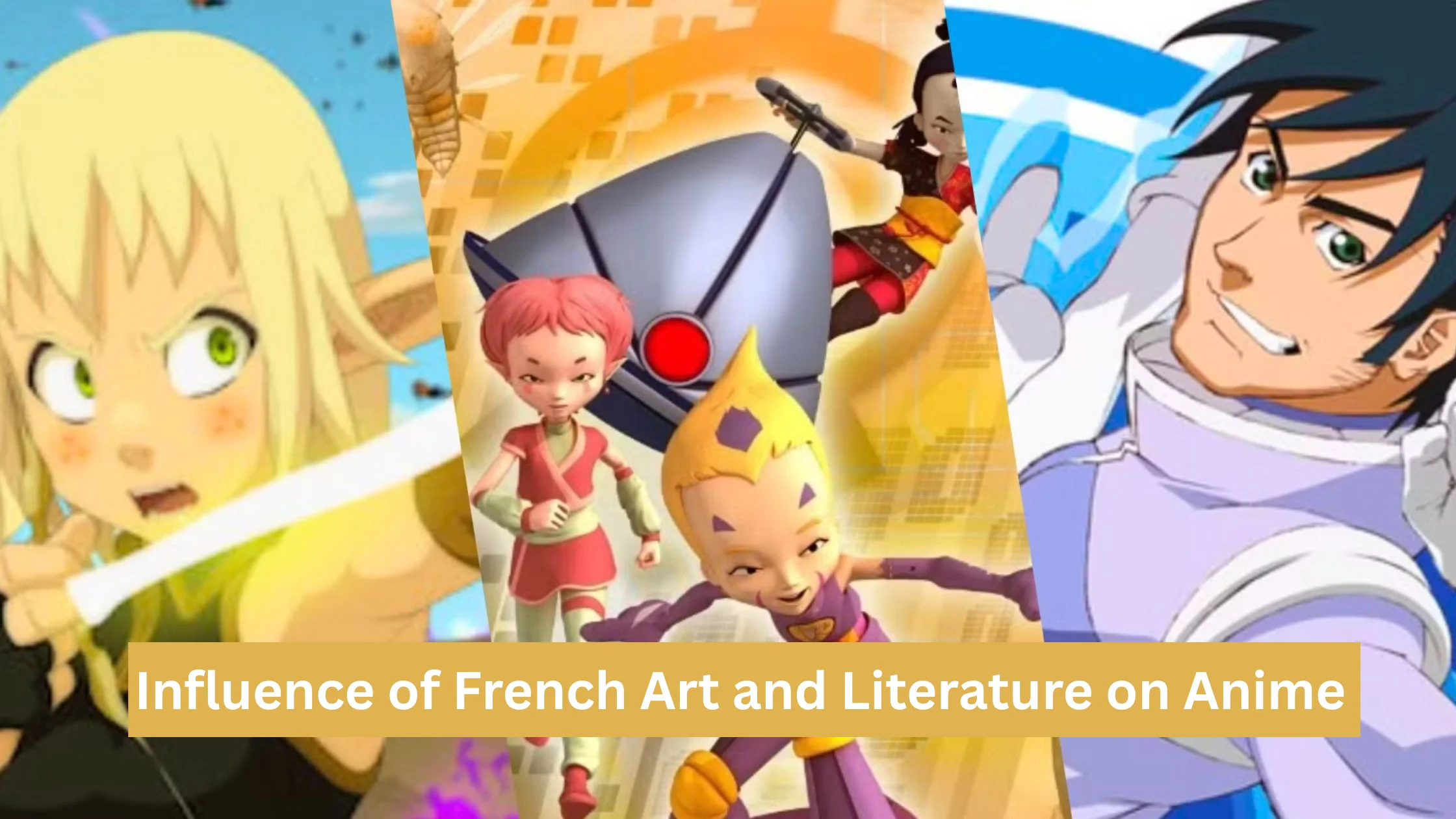
Anime may be rooted in Japanese culture, yet its visual language and storytelling spirit often reach far beyond national borders. One of the most fascinating influences comes from France. Over decades, French art movements, literary traditions, and urban imagery have quietly shaped anime aesthetics in ways many fans notice without fully realizing why. From elegant background designs to romantic themes and philosophical undertones, the French creative spirit has left a lasting mark on anime.
This influence is not accidental. It grew from cultural exchanges, shared artistic values, and creators who admired French storytelling traditions. Let us explore how French art and literature helped shape anime into the globally admired medium it is today.
Historical French Influence in Japan
The connection between France and Japan began long before anime existed. During the late nineteenth century, Japan opened itself to Western ideas after centuries of isolation. France played a major role in this cultural exchange.
French painters, architects, and writers were admired in Japanese academic circles. Art schools in Japan adopted European techniques, especially those from France. Oil painting, perspective drawing, and realism entered Japanese visual education through French models.
At the same time, Japanese artists influenced French creators through Japonisme. This mutual admiration created a creative dialogue rather than a one-way influence. Over time, this exchange shaped modern Japanese art forms, including manga and anime.
When anime began developing as a visual medium in the twentieth century, it inherited this blended artistic DNA. French influence did not replace Japanese identity. Instead, it enhanced it with new textures and emotional depth.
Anime Adaptations of French Works
One of the clearest examples of French influence appears in anime adaptations of French literature. These adaptations introduced European narratives to Japanese audiences while reinterpreting them through anime’s expressive style.
Classic French novels inspired several well-known anime series. Stories centered on tragedy, class struggle, romance, and personal identity translated naturally into anime storytelling.
Anime adaptations often preserved emotional themes while adjusting pacing and character focus. French literature’s emphasis on inner conflict fit well with anime’s introspective approach. The result felt familiar yet fresh.
These adaptations also introduced visual elegance. Costume design, architectural backdrops, and historical detail reflected admiration for French aesthetics. Rather than copying European visuals directly, anime creators blended them with stylized animation and expressive character designs.
Through these adaptations, French storytelling traditions became part of anime’s creative foundation.
Art Nouveau in Anime Backgrounds
French Art Nouveau has influenced anime background design more than many viewers realize. This artistic movement emphasized flowing lines, organic shapes, and decorative beauty. It rejected rigid structure in favor of emotional expression.
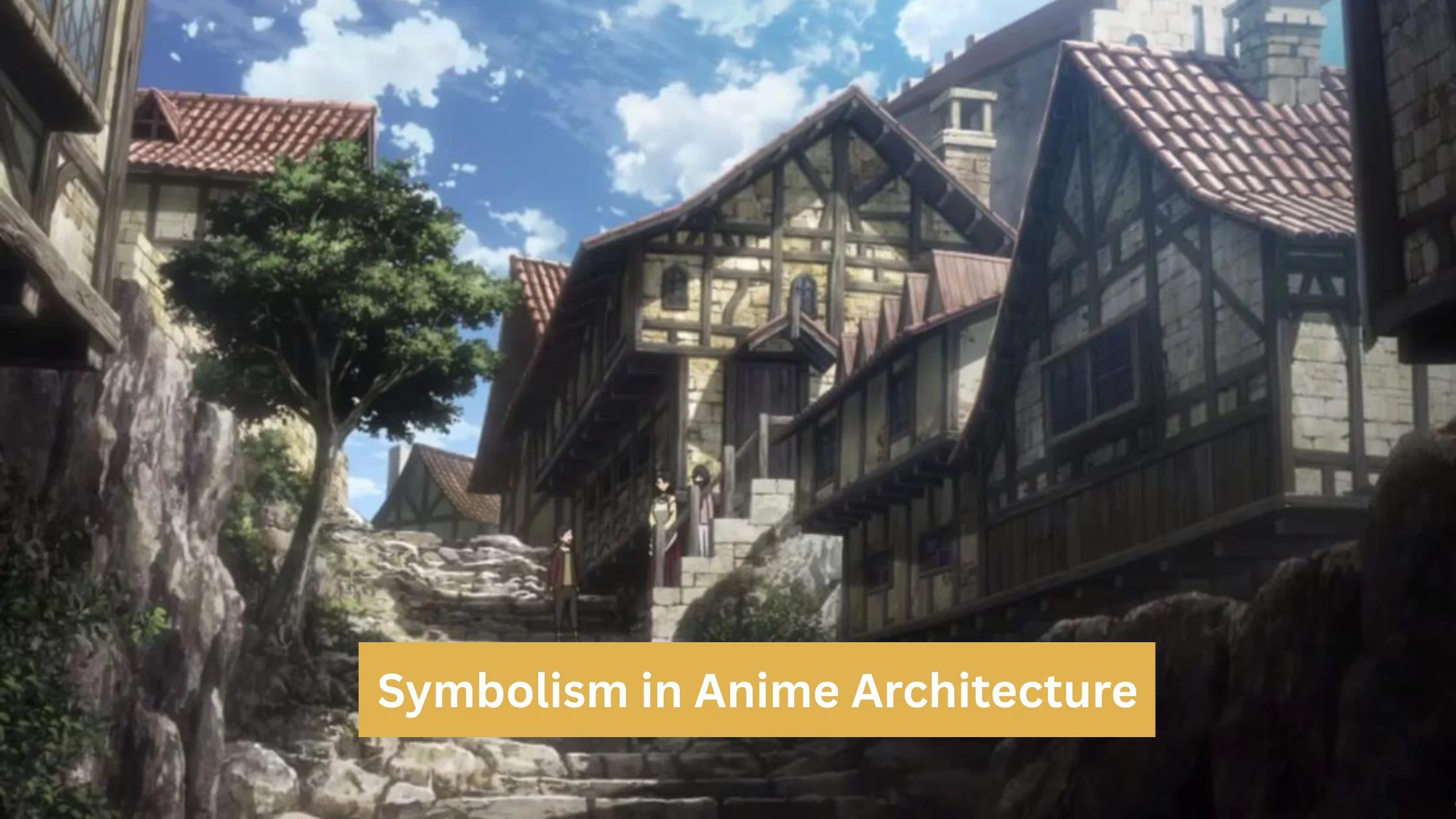
In anime, Art Nouveau elements appear in ornate interiors, curved architecture, and intricate environmental details. Fantasy cities often feature iron balconies, stained glass windows, and floral motifs reminiscent of Parisian design.
This influence is especially noticeable in anime that focus on atmosphere rather than pure action. Backgrounds feel alive. Buildings curve gently. Streets appear romantic rather than harsh.
Art Nouveau also supports mood. Soft lines and elegant structures enhance themes of nostalgia, mystery, and romance. Anime creators use these visual cues to guide emotional response without direct exposition.
By borrowing from Art Nouveau, anime gains visual poetry that deepens immersion.
Language and Place Names Used
French language and place names appear frequently in anime. These choices are rarely random. French words carry a sense of elegance, romance, and intellectual depth.
Anime often uses French names for schools, techniques, organizations, or locations. Even when the story does not take place in France, these names suggest sophistication or artistic refinement.
French pronunciation and spelling also create rhythm. Words flow smoothly and sound lyrical. This quality fits anime’s emphasis on emotional delivery.
Sometimes, French is used symbolically. A French phrase might represent love, tragedy, or destiny. Viewers may not understand the meaning fully, yet the emotional intent comes through.
This subtle use of language shows how French culture enriches anime aesthetics beyond visuals alone.
Notable Creators Citing French Impact
Several anime creators have openly acknowledged French influence on their work. They admire French cinema, illustration, and storytelling philosophy.
French animation studios are also highly respected in Japan. Their focus on artistic freedom and emotional storytelling resonates with anime creators seeking alternatives to formula-driven narratives.
Some directors have studied French films known for slow pacing and introspection. Others admire French illustration styles that prioritize mood over realism.
These inspirations appear in anime through experimental visuals, symbolic storytelling, and emotional ambiguity. Rather than explaining everything, creators allow viewers to interpret meaning.
This approach mirrors French artistic philosophy and helps anime feel mature and thoughtful.
Romanticism vs Realism
French art often balances romanticism and realism. This balance strongly influences anime narratives.
Romanticism emphasizes emotion, imagination, and beauty. Realism focuses on social reality and human struggle. Anime frequently blends both approaches.
A story may present a visually beautiful world while exploring harsh truths beneath the surface. Characters may dream passionately yet face realistic consequences.
This contrast creates emotional tension. Viewers feel hope and heartbreak simultaneously. French literature mastered this balance, and anime adopted it naturally.
Through this influence, anime avoids extremes. It does not become purely escapist or overly cynical. Instead, it reflects life with emotional honesty.
Paris as an Anime Setting
Paris holds a special place in anime imagination. It symbolizes romance, art, and cultural sophistication.
Many anime feature Paris either directly or through fictional cities inspired by it. Wide boulevards, cafes, bridges, and historic buildings appear frequently.
Paris settings often accompany stories about love, self-discovery, or artistic struggle. The city becomes more than a backdrop. It acts as a character that shapes mood.
Even anime that only briefly visit Paris use it to signal emotional significance. A scene set in Paris often marks change or reflection.
This fascination reflects Japan’s admiration for French culture and its symbolic power.
Shared Values or Contrasts
Japanese and French storytelling share surprising similarities. Both value emotional subtlety, introspection, and artistic expression.
However, they also differ in approach. Japanese narratives often emphasize harmony and collective responsibility. French stories focus more on individual freedom and rebellion.
Anime blends these values. Characters may struggle between duty and desire. Stories explore personal identity within social expectations.
This fusion creates layered narratives. Viewers experience both cultural perspectives simultaneously. The result feels universal rather than region-specific.
These shared values and contrasts enrich anime storytelling and broaden its emotional appeal.
Cross-Cultural Collaborations
In recent years, collaboration between Japanese and French creators has increased. Co-produced projects blend artistic styles and storytelling methods.
French studios bring experimental visuals and narrative freedom. Japanese studios contribute character design expertise and serialized storytelling experience.
These collaborations create unique works that feel global. They challenge traditional genre boundaries and attract diverse audiences.
Such partnerships also encourage creative risk. When cultures meet, new ideas emerge. Anime benefits from this exchange by evolving beyond established formulas.
Cross-cultural collaboration ensures that French influence remains dynamic rather than historical.
Legacy and Modern Examples
French influence continues to shape modern anime. Contemporary series still draw from French art and literature, sometimes unconsciously.
Elegant background design, poetic pacing, and philosophical themes reflect this legacy. Even action-heavy anime often include moments of quiet reflection inspired by European storytelling.
Modern anime creators grew up exposed to global culture. French aesthetics feel natural rather than foreign. They blend seamlessly with Japanese sensibilities.
As anime reaches wider audiences, this cultural fusion strengthens its universal appeal. French influence remains a vital part of anime’s evolving identity.
Conclusion
The influence of French art and literature on anime aesthetics is subtle yet profound. It appears in visual design, narrative structure, emotional tone, and thematic depth. Through decades of cultural exchange, French creativity has enriched anime without overshadowing its Japanese roots.
This influence helps anime speak a global language. It connects viewers across cultures through shared emotions and artistic values. From elegant backgrounds to romantic themes, French inspiration continues to shape how anime looks and feels.
As anime evolves, this cross-cultural dialogue will only grow stronger. The future of anime aesthetics lies not in isolation, but in creative exchange. French art and literature will remain an essential part of that story.