
Introduction
How to start reading manga: If you’ve ever loved an anime and wanted more — more story, more detail, or more character depth — then manga is where that journey truly begins. Manga, the Japanese art of comic storytelling, isn’t just the source material for most anime; it’s a cultural experience in itself.
For newcomers, the world of manga can seem overwhelming. There are thousands of titles, dozens of genres, and multiple reading formats. But don’t worry — this guide breaks it all down so you can confidently start reading manga like a pro.
In this beginner’s guide, we’ll explore how manga differs from anime, key demographics like shonen and shojo, where to read legally, and even how to navigate its unique right-to-left reading order. We’ll also recommend starter titles, short manga for quick reads, and budget tips for building your first collection.
By the end, you’ll know exactly how to dive into the world of manga — and why so many fans say reading the source is often even more rewarding than watching the adaptation.
Anime vs. Manga: What’s the Difference?
Before diving in, it’s important to understand what separates anime from manga.
Manga refers to Japanese comics or graphic novels, usually printed in black and white and serialized in magazines before being compiled into volumes. Anime, on the other hand, is the animated adaptation of these stories.
The biggest difference? Creative control and pacing. Manga often presents the author’s unfiltered vision, with deeper emotional storytelling and subplots that anime sometimes omits due to time or production constraints. For example, Attack on Titan’s manga delves more deeply into world politics, while Tokyo Ghoul’s manga explains key character motivations that were skipped in the anime.
Many fans prefer starting with manga because it allows them to experience stories as the creator intended, without filler episodes or censorship. Plus, manga usually gets ahead of the anime — perfect for those who can’t wait to know what happens next.
So, while anime brings stories to life visually, manga is where those worlds are born.
Understanding Manga Demographics (Shonen, Shojo, Seinen, Josei)
Manga isn’t categorized by genre first — it’s categorized by demographic. These labels tell you who the manga was originally created for, though anyone can enjoy any category.
- Shonen — Targeted at teen boys, these stories emphasize adventure, friendship, and perseverance. Examples: Naruto, One Piece, My Hero Academia.
- Shojo — Created for teen girls, focusing on romance, emotion, and relationships. Examples: Fruits Basket, Ouran High School Host Club, Your Lie in April.
- Seinen — Aimed at adult men, often with complex plots, darker themes, and mature content. Examples: Tokyo Ghoul, Berserk, Monster.
- Josei — Written for adult women, tackling realistic romance and everyday life. Examples: Nana, Paradise Kiss, Honey and Clover.
These demographics help new readers find stories that match their interests. However, don’t limit yourself — many readers enjoy crossing categories. A shonen series can have deep emotional storytelling, while a josei title might explore thrilling drama.
Popular Starter Manga
If you’re new to manga, start with titles that are easy to follow, widely loved, and complete or ongoing with accessible arcs.
- Naruto – A timeless coming-of-age story about friendship, rivalry, and chasing dreams. Perfect for newcomers due to its clear structure and universal appeal.
- Attack on Titan – Gripping from the first chapter, with mystery, action, and intense storytelling. A must-read for those who love dark thrillers.
- Tokyo Ghoul – Blends horror and tragedy with moral dilemmas about identity and humanity.
- One Piece – Long but worth every page for its world-building and humor.
- Demon Slayer: Kimetsu no Yaiba – Shorter, emotional, and beautifully drawn — a modern favorite.
These manga have strong storylines, global recognition, and are available legally in both print and digital form. They’re excellent entry points because they demonstrate everything that makes manga powerful — expressive art, layered characters, and emotional storytelling.
Where to Read Manga Legally
Reading manga legally supports creators and ensures you get high-quality translations. Luckily, there are many legal platforms today:
- Shonen Jump (by Viz Media): Offers major titles like One Piece and Jujutsu Kaisen for just $2/month.
- Manga Plus (by Shueisha): Free access to popular series like My Hero Academia and Chainsaw Man.
- Crunchyroll Manga: Great for digital readers who already use the anime platform.
- ComiXology & BookWalker: Perfect for those who prefer buying and collecting digitally.
If you love the feel of physical books, check local bookstores or online shops like RightStuf Anime or Kinokuniya for official manga volumes.
Avoid pirated sites — not only do they hurt the industry, but translations are often poor and incomplete. Legal reading ensures you enjoy the story as intended while helping authors continue their work.
Collecting vs. Digital Reading – Pros & Cons
Physical manga offers a tactile, collectible experience. You can display volumes, admire cover art, and own limited editions. However, it’s expensive and takes up space.
Digital manga (through apps like Shonen Jump or Manga Plus) offers portability and affordability. You can read anywhere, sync progress across devices, and access entire libraries instantly. The downside? You don’t “own” the books permanently — they remain tied to the app.
For most beginners, digital reading is a cost-effective start. Once you discover favorites, you can invest in physical copies of series that truly resonate. Many collectors use a hybrid approach — digital for discovery, physical for passion.
Learning Japanese Reading Order (Right-to-Left)
One of the first surprises for new readers is that manga is read from right to left, not left to right. That means you start from what Western readers consider the “back” of the book, reading panels and word bubbles accordingly.
Why? Because that’s how Japanese text and storytelling flow naturally. Modern publishers include short guides in each volume to help beginners adjust, and after a few chapters, it becomes second nature.
Pro tip: When reading digital manga, look for authentic right-to-left layouts — avoid “flipped” versions that reverse art, as they can distort the creator’s intended panel direction and composition.
Short Manga Recommendations
If long series feel intimidating, start with short, self-contained manga that deliver powerful stories in just a few volumes:
- Erased (Kei Sanbe): A gripping time-travel mystery with emotional depth and perfect pacing.
- Another (Yukito Ayatsuji): A chilling horror mystery set in a cursed classroom.
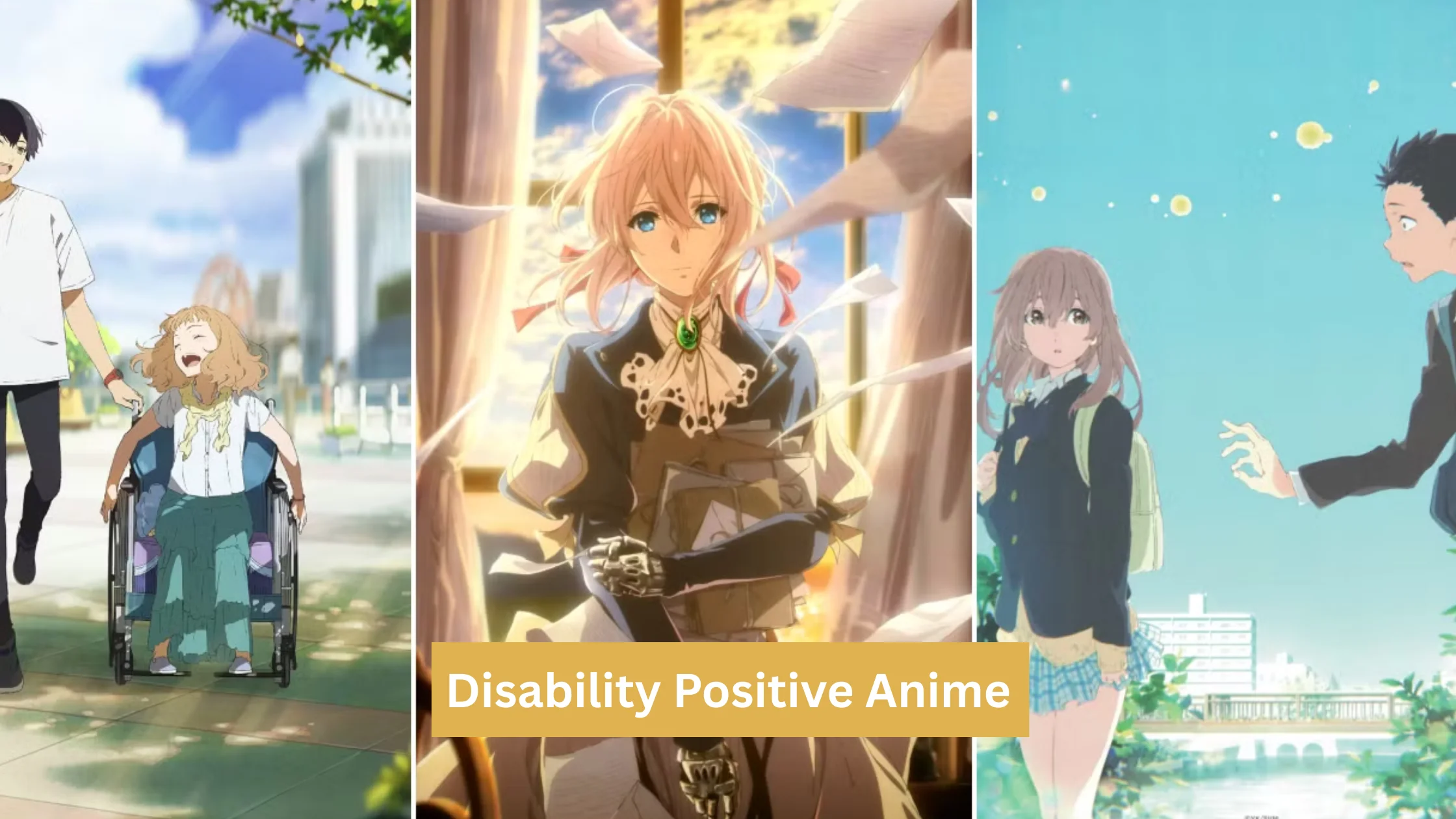
- A Silent Voice: Heartfelt and emotionally rich, exploring guilt, forgiveness, and redemption.
- The Promised Neverland: A suspense-filled thriller that’s short yet unforgettable.
Short manga are perfect for beginners because they’re easy to finish and showcase the emotional storytelling that defines manga as an art form.
When the Manga Outshines the Anime
It’s common for manga to offer richer, more complete storytelling than their anime versions.
For instance, Tokyo Ghoul’s manga delves deeply into Kaneki’s psychological transformation, while the anime rushed key arcs. Similarly, Bleach’s manga includes storylines never adapted on screen, and Naruto’s manga avoids filler episodes entirely.
Manga often explores character motivations, relationships, and moral questions in greater detail, making it the preferred format for serious fans.
If you’ve only watched the anime, reading the manga can feel like rediscovering the story — often with darker tones, extra world-building, and the author’s full creative vision intact.
Budget-Friendly Tips for New Collectors
Starting a manga collection doesn’t have to break the bank. Here’s how to keep costs low:
- Begin with free chapters on Manga Plus or Viz.
- Buy secondhand volumes from reputable sellers.
- Look for bundle discounts or box sets (they’re often cheaper than buying single volumes).
- Use library services — many libraries now carry popular manga series.
- Try digital subscriptions before investing in physical books.
Remember: collecting manga is a marathon, not a sprint. Focus on the series you truly love and build gradually.
Wrap-Up: How to Start Reading Manga
Reading manga is more than a hobby — it’s an invitation into a world of creativity, emotion, and imagination. Whether you’re flipping through Naruto’s action-packed panels or unraveling Erased’s suspense, manga offers something uniquely immersive that no other medium can replicate.
It allows you to experience stories as their creators envisioned them — full of detail, artistry, and unfiltered expression. And with today’s easy access to legal platforms and affordable reading options, there’s never been a better time to start.
So grab your first volume, find a cozy spot, and get ready to lose yourself in a story drawn in ink but felt in the heart. If you like this article please bookmark the Anime AreanaX for more article related to anime.