
Introduction
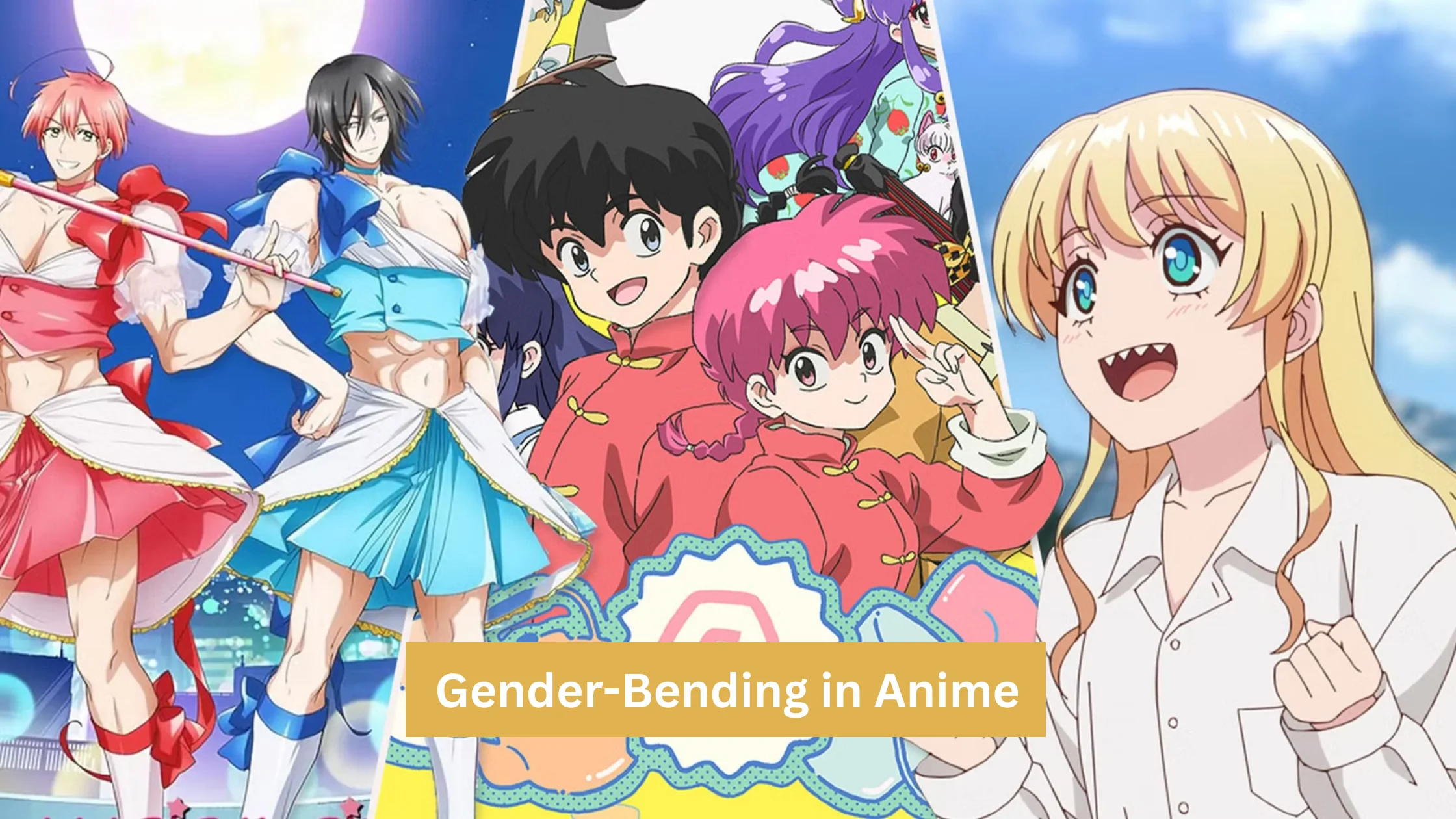
Anime has always loved playing with identity. From magical transformations to alternate worlds, it often asks what happens when familiar rules no longer apply. Gender-bending in anime is one of the clearest examples of this curiosity. At first glance, it may seem like a playful trope used for comedy or shock value. However, over time, it has grown into something far more layered.
Gender bending in anime explores how society treats gender roles and expectations. It questions how identity forms and how much of it is shaped by the body versus the mind. Sometimes the result is lighthearted fun. Other times, it becomes deeply emotional and reflective. As anime audiences have matured, so has the way these stories are told.
Today, gender bending anime exists across genres. It appears in fantasy, romance, slice of life, and even serious psychological dramas. This flexibility makes it a powerful storytelling tool rather than a novelty. To understand its impact, we must first look at where it all began.
Historical Roots of Gender-Bending in Anime
Gender bending in anime did not appear suddenly. Its roots trace back to Japanese folklore, theater, and early storytelling traditions. Classical kabuki theater often featured male actors performing female roles. These performances focused on movement, voice, and emotional expression rather than biological accuracy. As a result, audiences learned to accept fluid presentations of gender.
Early manga and anime borrowed from these traditions. Stories used disguise, transformation, or reincarnation to explore identity. In many cases, gender shifts happened through magic or curses. These narrative devices allowed creators to explore sensitive themes without direct confrontation.
During the 1980s and 1990s, gender-bending became more visible in popular anime. Some series used it as a comedic setup, especially in romantic misunderstandings. Others leaned into fantasy elements where characters shifted genders as part of a larger quest. At this stage, the focus was often on surprise rather than reflection.
However, as anime evolved, creators began to ask deeper questions. What does it feel like to live in a different gendered body? How do relationships change? How does society respond? These questions pushed gender-bending beyond surface-level humor and into meaningful commentary.
By the early 2000s, gender-bending had become a recognized trope. It was no longer experimental. Instead, it became a familiar storytelling language that creators could adapt for different emotional goals.
Top Gender-Switch Characters That Shaped the Trope
Over the years, anime has introduced several gender-switch characters who left a lasting impression on viewers. These characters did more than surprise audiences. They shaped how gender-bending stories are told and understood.
Some early examples focused on sudden transformation. A character would wake up in a different body and struggle through daily life. This setup allowed anime to explore humor, confusion, and social awkwardness. However, what made these characters memorable was not the transformation itself but how they adapted. Watching them navigate friendships, school life, and romance created empathy.
Other characters experienced gender-switching as part of a larger narrative arc. In these stories, the change was symbolic. It reflected internal conflict, emotional growth, or hidden identity. Rather than rushing the reveal, the anime spent time showing subtle behavioral shifts. This approach made the transformation feel personal and meaningful.
There are also characters who shift genders repeatedly or exist between identities. These portrayals challenge fixed definitions and invite viewers to think beyond binaries. Such characters often become fan favorites because they feel honest and emotionally complex.
Importantly, many iconic gender-switch characters are remembered not for spectacle but for vulnerability. Their struggles with self-image, acceptance, and belonging resonate deeply. Through them, anime shows that identity is shaped by experience, not just appearance.
Comedy vs Serious Treatments
Gender-bending in anime often walks a fine line between comedy and serious storytelling. Many series begin with humor because it makes the concept accessible. Awkward situations, mistaken identities, and exaggerated reactions create instant entertainment. Comedy helps break tension and invites viewers to laugh at social expectations tied to gender roles.
However, while humor draws audiences in, it is rarely the final destination. As the story progresses, many anime shift toward a more thoughtful tone. The same situations that once felt funny begin to carry emotional weight. Characters start questioning how others see them and how they see themselves. This transition from laughter to reflection gives gender-bending anime lasting impact.
Serious treatments focus less on external reactions and more on internal struggle. These stories explore identity, self-acceptance, and emotional honesty. Instead of quick jokes, scenes slow down. Silence becomes meaningful. Small gestures replace exaggerated expressions. This approach allows viewers to connect deeply with the character’s journey.
Some anime balance both styles carefully. Comedy lightens heavy themes, while serious moments ground the story in reality. When done well, this blend feels natural rather than forced. It shows that gender exploration can be playful and profound at the same time.
Ultimately, the choice between comedy and seriousness depends on intent. Both approaches succeed when they respect the character’s emotional truth rather than relying on stereotypes.
Social Commentary Value
Gender-bending anime often goes beyond surface-level entertainment. Beneath the transformations and role reversals, these stories quietly question how society defines gender. By placing characters in unfamiliar identities, anime highlights how arbitrary many expectations can feel.
When a character experiences life through a different gender lens, everyday interactions suddenly change. Respect, freedom, pressure, and vulnerability all shift. These moments expose social rules that viewers may have never questioned before. Anime uses these contrasts to spark reflection rather than deliver lectures.
Many gender-bending narratives explore themes of conformity and self-expression. Characters struggle between fitting into assigned roles and staying true to their inner selves. This conflict mirrors real-world experiences, especially for people who feel constrained by traditional norms. As a result, the genre resonates with a wide and diverse audience.
Another powerful aspect is empathy. Viewers are invited to see the world through someone else’s perspective. Even subtle scenes, such as changes in body language or tone of voice, carry meaning. These details build understanding without relying on dramatic speeches.
Importantly, anime often presents these ideas gently. Instead of direct criticism, it uses emotion and storytelling to convey its message. This approach makes the commentary feel personal rather than political.
Through fantasy and humor, gender-bending anime opens space for conversation. It reminds viewers that identity is complex, fluid, and deeply human.
Reception Among Diverse Audiences
Gender-bending anime reaches a remarkably wide spectrum of viewers, and its reception reflects this diversity. For some, it is a source of humor and lighthearted escapism. Mistaken identities, wardrobe mix-ups, and romantic confusion entertain audiences who enjoy playful storytelling. These fans often focus on the comedic timing and clever scenarios rather than deeper themes.
For others, gender-bending resonates on a personal and emotional level. LGBTQ+ viewers, in particular, may find reflections of their own experiences in characters who navigate fluid or nonconforming identities. The genre provides a safe space to explore questions of selfhood, acceptance, and societal perception. This emotional connection often leads to strong fan loyalty and community engagement.
International audiences also show varied responses. In regions less familiar with Japanese gender norms, gender-bending can appear exotic or purely whimsical. Yet, as anime globalizes, viewers increasingly recognize the nuanced commentary on identity, even if they encounter cultural differences in expression.
Fan engagement often manifests in discussions, fan art, and fan fiction. These responses extend the conversation, allowing audiences to explore alternative scenarios or delve deeper into characters’ internal struggles. In essence, reception is not passive; it becomes part of the ongoing cultural dialogue.
By appealing to both casual viewers and those seeking meaningful representation, gender-bending anime occupies a unique position. It entertains, educates, and encourages empathy simultaneously.
Influence on Fan Fiction and Fan Art
Gender-bending anime has had a profound influence on fan-created content. Its playful and transformative nature inspires artists and writers to imagine what if scenarios that extend beyond the original stories. Fans often explore alternative identities, swap character genders, or reimagine relationships in ways the source material only hints at. This creative engagement keeps the conversation about gender fluidity alive within the community.
Fan fiction frequently tackles emotional and social dimensions of gender-bending. Writers explore how characters handle discrimination, self-acceptance, or societal expectations, often adding depth not fully explored in the anime. These stories can be humorous, romantic, or deeply reflective, reflecting the versatility of the trope.
Similarly, fan art thrives on visual experimentation. Artists play with character design, costume swaps, and body language to emphasize transformation. Subtle changes in posture, expression, or clothing can communicate identity shifts in a single image. These works highlight the power of visual storytelling to convey complex social commentary.
This fan-driven engagement also feeds back into the larger fandom culture. Online communities discuss interpretations, share tips, and celebrate creative innovations. In many ways, gender-bending anime doesn’t end on screen—it sparks ongoing dialogue and participatory storytelling.
By inspiring fan fiction and art, the trope extends its life and cultural relevance. It demonstrates that playful narrative devices can generate meaningful creative and social impact.
Symbolism in Character Design
In gender-bending anime, character design often carries layers of symbolic meaning. Visual choices are never purely aesthetic; they communicate personality, social roles, and thematic intent. Designers use clothing, posture, and subtle details to signal identity shifts and internal struggles.
For instance, a character who switches gender may adopt clothing traditionally associated with that gender. However, the way they wear it—loosely, confidently, or awkwardly—tells the audience how comfortable they feel in that role. Hairstyles, accessories, and even color palettes can indicate emotional states or highlight duality between inner self and outward appearance.
Eyes and expressions are also crucial. Slight changes in gaze, eyelid position, or micro-expressions can convey vulnerability, confidence, or confusion. This allows viewers to read character development visually, reinforcing the narrative without relying solely on dialogue.
Beyond individual traits, design can symbolize broader social commentary. Contrasting masculine and feminine elements in a single character can critique rigid gender norms or highlight the fluidity of identity. Designers often exaggerate certain features to draw attention to societal expectations or stereotypes, creating a visual dialogue between the character and the audience.
When done thoughtfully, these symbolic choices deepen engagement. Viewers learn to interpret subtle cues, enhancing empathy and understanding. In essence, character design becomes a storytelling tool as powerful as plot or dialogue, allowing gender-bending anime to communicate complex themes visually.
Cross-Cultural Comparisons
Gender-bending anime occupies a unique space in global pop culture, and its reception varies across different cultural contexts. In Japan, these stories draw on historical traditions like kabuki and folklore, where gender fluidity was already embedded in performance. Audiences are familiar with the idea of shifting roles, so they often interpret these narratives as playful explorations or subtle critiques of social norms.
In contrast, international viewers may encounter gender-bending as a novel or exotic concept. For some, it is initially seen as purely comedic or sensational. However, as anime spreads globally and audiences gain more familiarity with Japanese storytelling conventions, the deeper social commentary becomes more apparent. The emotional and psychological dimensions resonate universally, even if the cultural references are distinct.
Western media often treats gender-bending differently, focusing on identity politics or explicit commentary on sexuality. Anime blends these themes with fantasy, humor, or everyday life, making the treatment feel unique. This combination allows viewers to engage with complex issues without feeling like they are attending a lecture. The subtlety of the approach often encourages reflection rather than confrontation.
Moreover, cross-cultural fan communities contribute to shared understanding. Discussions, translations, and fan creations help bridge gaps, highlighting both the universal and culturally specific aspects of gender-bending anime. In this way, the trope becomes a conduit for global conversation about identity, empathy, and the fluidity of social roles.
Studio Perspectives and Risks
Producing gender-bending anime is not without its challenges for studios. While the trope can attract attention and fan engagement, it also carries creative and social risks. Studios must balance humor, drama, and sensitivity to avoid alienating audiences or reinforcing stereotypes.
From a creative standpoint, studios often weigh narrative impact against commercial appeal. Gender-bending can serve as a fresh hook to stand out in a crowded market, but mishandling the theme may draw criticism. Directors and writers must carefully craft character arcs, ensuring that transformations serve a meaningful purpose rather than relying solely on shock or comic relief.
Socially, studios face the challenge of navigating cultural expectations. Some audiences may interpret gender-bending as purely entertainment, while others expect thoughtful commentary. Missteps can lead to backlash or accusations of insensitivity. To mitigate this, many studios consult cultural experts or incorporate subtle cues to maintain respect for diverse identities.
On the positive side, studios that embrace thoughtful gender-bending often see strong fan loyalty. When characters feel authentic and emotional stakes are clear, viewers respond enthusiastically. Merchandise, spin-offs, and fan engagement often follow, demonstrating that careful handling of the trope can be both socially responsible and commercially rewarding.
Ultimately, studio decisions reflect a balance of artistic vision, audience expectations, and ethical responsibility. By taking risks thoughtfully, studios can create gender-bending anime that entertains, provokes thought, and resonates across cultures.
Predictions for Future Gender-Bending Anime
Looking ahead, gender-bending anime is likely to evolve in both scope and sophistication. As audiences grow more diverse and socially aware, creators are exploring deeper, more nuanced portrayals of identity. Instead of relying solely on comedic misunderstandings, future stories may tackle complex themes such as self-discovery, societal pressure, and intersectionality.
We can expect several emerging trends:
- Emotional realism: Characters will navigate identity changes with greater psychological depth, highlighting internal conflicts and growth.
- Genre blending: Gender-bending may appear in action, horror, or romance anime, merging traditional tropes with unexpected narrative stakes.
- Inclusive storytelling: Representation of LGBTQ+ experiences will likely become more explicit and integrated into the plot rather than treated as a novelty.
- Interactive media tie-ins: Video games, virtual reality, and social platforms may expand gender-bending experiences, allowing audiences to engage with characters in immersive ways.
Technology and globalization will encourage creative experimentation. Storytellers may use digital animation and voice modulation to emphasize subtle transformations and emotional nuance. Meanwhile, international interest will likely inspire studios to address universal questions about identity, empathy, and acceptance.
Ultimately, gender-bending anime will continue to challenge assumptions and broaden understanding. The focus will remain on human experience, proving that transformation—both literal and metaphorical—can drive compelling stories for years to come.
Conclusion
Gender-bending in anime is more than a playful narrative device—it is a window into identity, society, and human emotion. From comedic transformations to profound explorations of self, the trope blends humor, drama, and social commentary in a way few other genres achieve. Iconic characters, thoughtful design, and cultural symbolism make these stories both entertaining and meaningful.
The global reception highlights its versatility. Japanese audiences recognize historical and social roots, while international viewers engage with universal themes of empathy and self-discovery. Fan fiction, art, and community discussions extend the impact, turning anime into an interactive space for dialogue on gender and identity.
Studios that approach gender-bending with care and creativity demonstrate that sensitive topics can thrive commercially and critically. Meanwhile, future anime promises deeper psychological exploration, inclusive representation, and innovative storytelling techniques.
Ultimately, gender-bending anime reminds viewers that identity is fluid, complex, and deeply human. It entertains while prompting reflection, making it one of the most enduring and culturally significant tropes in modern anime.