
Introduction to Game Theory Concepts
Anime often turns simple choices into high-stakes mental battles, and this is where game theory quietly steps in. At its core, game theory is about decision-making. It studies how people choose actions when outcomes depend on the choices of others.
While the term sounds academic, anime presents it in a very accessible way. Characters analyze risks, predict opponents’ moves, and sacrifice short-term safety for long-term advantage.
Gambling anime especially thrives on these ideas. Every bet becomes a strategic puzzle. Every rule hides a loophole. Viewers are not just watching characters play games. They are watching minds collide. This approach transforms gambling from pure luck into psychological warfare.
Over time, anime has helped popularize game theory concepts without naming them directly. Strategies like bluffing, equilibrium, deception, and calculated loss appear naturally within the story. As a result, audiences learn complex thinking patterns while being fully entertained.
Famous Gambling-Focused Anime
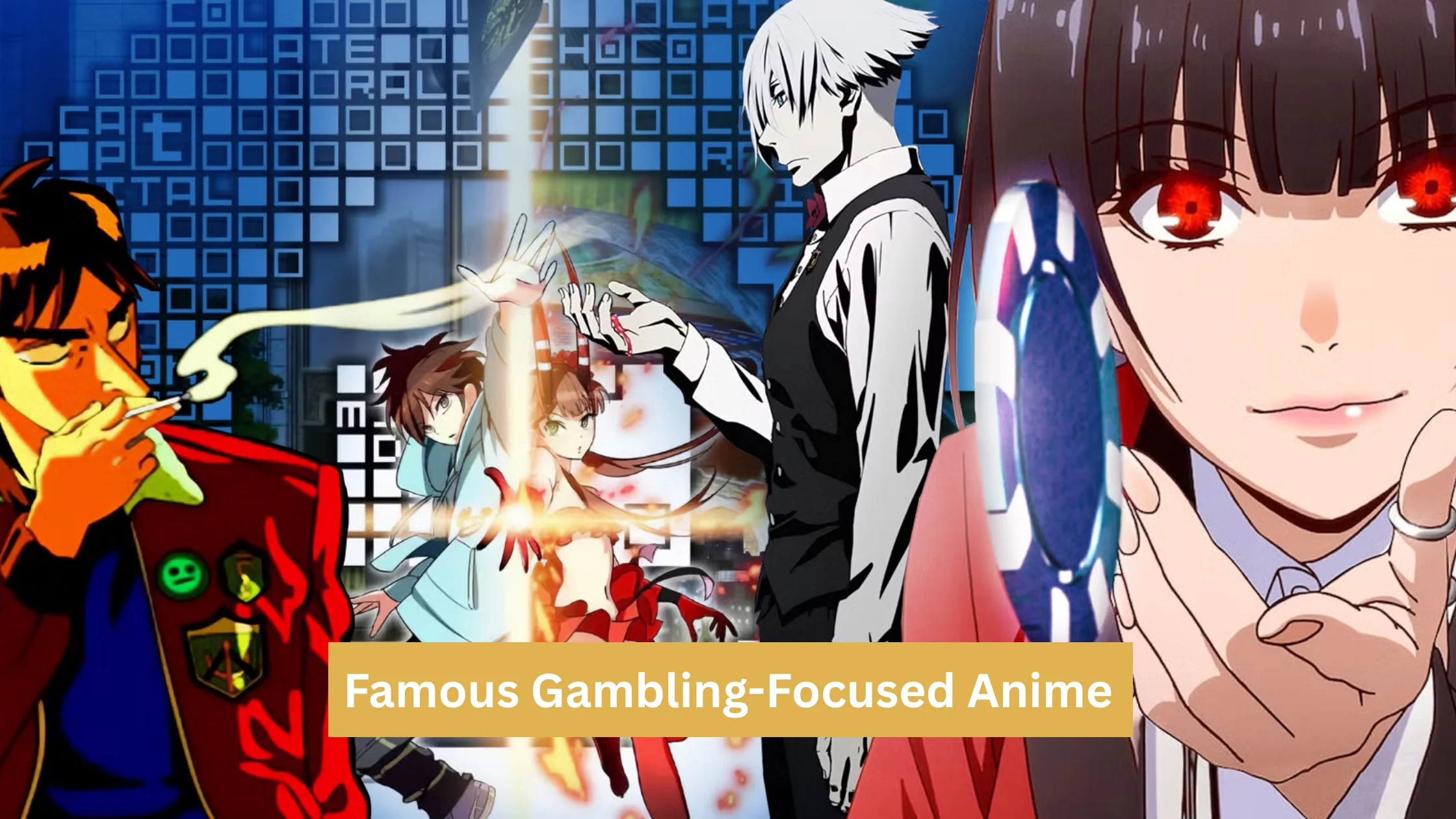
Several anime series have made gambling the center of their storytelling. These titles do not rely on action or fantasy powers. Instead, tension grows through conversation, facial expressions, and strategic reveals.
One of the most iconic examples is Kaiji. This series portrays gambling as a brutal reflection of society. Characters face crushing debt and moral dilemmas. Every game is designed to exploit human weakness. Fear, greed, and desperation become tools within the system. The brilliance of Kaiji lies in how it explains each strategy step by step. Viewers feel the pressure alongside the protagonist.
Kakegurui takes a different approach. Set in an elite academy, gambling determines social status. Here, risk is embraced rather than feared. Characters gamble for thrill, pride, and domination. While exaggerated, the games showcase advanced psychological tactics and unpredictable decision trees.
Other titles like One Outs blend sports with gambling logic. Baseball becomes a strategic battlefield where probability and psychology matter more than physical strength. These anime prove that gambling stories can adapt to multiple settings while keeping their intellectual edge.
Battle of Wits Archetypes
Gambling anime often relies on familiar character archetypes, yet each one serves a strategic purpose. The genius tactician is calm, observant, and rarely emotional. This character waits patiently, collecting information before striking. Opposite them is the impulsive risk-taker, who thrives on chaos and bold moves.
There is also the deceptive innocent. This character appears naive but hides a sharp analytical mind. Their strength lies in being underestimated. Meanwhile, the authoritarian figure controls the rules and manipulates the environment itself. Instead of playing fairly, they design the game.
These archetypes create layered conflicts. Victory does not depend on intelligence alone. Emotional control, adaptability, and timing matter just as much. Anime uses these mind games to show that intelligence comes in many forms.
When two strategists clash, the result feels like a chess match. Each move carries weight. Each reaction reveals intent. These battles of wits keep viewers mentally engaged and emotionally invested.
Symbolism of Winning and Losing
In gambling-focused anime, winning and losing are rarely just about money or points. They carry deep symbolic meaning. Winning often represents control, self-mastery, or liberation from fear. Losing, on the other hand, exposes vulnerability, ego, and sometimes moral collapse. These outcomes reflect internal struggles rather than external results.
Many anime portray victory as temporary. A character may win a game but lose trust, dignity, or peace of mind. This adds emotional weight to each gamble. Losses are equally meaningful. They force characters to confront their limitations and reassess their values. Some losses become turning points that lead to growth rather than defeat.
The stakes are frequently exaggerated to emphasize these themes. Social rank, freedom, or even survival may depend on a single choice. Through this symbolism, anime suggests that life itself is a gamble. Every decision carries risk, and certainty is an illusion. This idea resonates strongly with viewers facing unpredictable real-world pressures.
Real-Life Gaming Influences
Anime gambling narratives draw heavily from real-world games and competitive systems. Card games, dice, mahjong, and casino-style mechanics appear frequently. However, they are often modified to heighten drama and complexity. Rules are twisted just enough to challenge expectations while remaining understandable.
Game theory concepts used in anime mirror real strategies found in poker and betting psychology. Bluffing, reading opponents, and managing probabilities feel authentic because they are grounded in reality. Some series even educate viewers unintentionally. Fans learn about odds, risk assessment, and decision trees simply by following the plot.
Cultural influences also shape these games. Japanese gambling traditions and social attitudes toward risk subtly inform the stories. Anime reflects how society views chance, responsibility, and consequence. This connection to real gaming culture helps the stories feel believable despite their dramatic presentation.
Viewer Strategies and Fan Speculation
One of the most engaging aspects of gambling anime is how it invites viewers to play along. Fans constantly predict outcomes, analyze clues, and debate strategies. This interactive element turns passive watching into mental participation.
Online communities thrive on speculation. Viewers break down episodes frame by frame, searching for hidden tells or rule loopholes. Some fans even attempt to solve games before the characters do. This creates a shared experience where intelligence is celebrated rather than just action.
Anime creators encourage this behavior by pacing reveals carefully. Information is often withheld or layered gradually. As a result, audiences feel rewarded when their theories prove correct. This sense of involvement strengthens emotional investment and keeps fans returning episode after episode.
Animation Techniques for Tension
Visual presentation plays a crucial role in making gambling anime effective. Subtle changes in lighting, camera angles, and facial close-ups amplify psychological tension. Sweat drops, eye shadows, and slowed movements highlight internal conflict.
Many studios use exaggerated expressions during critical moments. A simple card flip can feel dramatic through sharp cuts and sound design. Backgrounds may distort to reflect mental pressure. Silence is also used strategically, allowing anticipation to build before a reveal.
These techniques transform quiet scenes into emotional peaks. Without explosions or battles, anime still delivers intensity. Animation becomes a storytelling tool that mirrors the characters’ mental states and raises the stakes without words.
Impact on Real-World Gaming
Gambling and game theory anime have influenced how viewers approach real-world games and competitive thinking. While these stories are exaggerated, they spark curiosity about strategy, probability, and psychological control. Many fans report becoming more analytical players after watching such anime. They begin to think several moves ahead rather than relying on instinct alone.
These anime also highlight the emotional risks of gambling. By showing characters who lose everything due to overconfidence or desperation, anime delivers subtle cautionary lessons. Viewers see how obsession clouds judgment and how chasing losses leads to collapse. This balance between excitement and warning keeps the genre grounded.
Some fans explore real card games or strategy-based competitions after watching anime. However, the strongest impact lies in mindset. Anime teaches that patience, observation, and discipline matter more than luck. Even outside gaming, these lessons apply to exams, careers, and personal decisions.
Studio Favorites for Competitive Anime

Certain anime studios have developed a reputation for handling high-stakes competition and psychological tension exceptionally well. These studios prioritize intelligent writing over flashy action. Their focus lies in pacing, character psychology, and rule clarity.
Studios known for competitive anime often emphasize:
- Clear but layered game rules
- Strong internal monologues
- Moral ambiguity
- Slow-burning tension
Rather than overwhelming viewers, they invite careful attention. Each episode feels like a puzzle that rewards focus. These studios are willing to take risks by trusting the audience’s intelligence. As a result, their works gain long-term respect even if they appeal to niche audiences.
Their consistency has helped define the genre’s identity. Viewers often recognize the tone and structure instantly, creating trust between studio and audience.
Shifts in Genre Popularity
Over time, gambling and game theory anime have shifted in popularity. Early titles focused heavily on shock value and extreme consequences. Later works introduced more nuanced psychological themes and emotional depth. This evolution reflects changing audience expectations.
Modern viewers prefer layered characters over pure spectacle. As a result, newer anime blend gambling elements with drama, romance, or social commentary. This hybrid approach keeps the genre fresh and accessible to broader audiences.
Streaming platforms have also increased global exposure. International fans now engage deeply with themes once considered niche. This renewed interest suggests that the genre will continue evolving rather than fading.
Gambling anime no longer relies solely on risk. It now explores trust, identity, and the cost of winning. This shift ensures lasting relevance.
Conclusion
The role of gambling and game theory in anime goes far beyond entertainment. These stories transform abstract concepts like probability and strategy into emotional journeys. Through intense mind games and psychological battles, anime explores human behavior under pressure.
Winning becomes a test of character rather than luck. Losing becomes a lesson rather than an ending. Viewers are drawn into active participation, thinking alongside characters instead of watching passively. This intellectual engagement sets the genre apart.
As studios continue to experiment, gambling anime will remain a powerful storytelling tool. It challenges viewers to think critically, feel deeply, and question the true cost of victory. In the end, the greatest gamble is not the game itself, but the choices we make within it.