
Introduction: When Romance Meets Power-Ups
At first glance, shonen anime is about adrenaline, determination, and jaw-dropping battles. But beneath the surface of all the energy blasts and rival showdowns, a quieter story often unfolds — romance in shonen anime. From subtle glances between characters to emotional confessions after epic fights, love plays an unspoken yet powerful role in shaping many of our favorite heroes.
Unlike shojo or romance-centric series, shonen anime rarely puts relationships at the center. Instead, romance acts as an emotional undercurrent — something that reveals character vulnerability, motivation, and growth. Whether it’s Naruto’s persistent love for Hinata, Ichigo and Orihime’s bond in Bleach, or Tanjiro’s tenderness toward Nezuko and his compassion for others in Demon Slayer, these stories prove one thing: even in worlds of chaos, love finds a way to bloom.
In this deep dive, we’ll explore how romance in shonen has evolved over decades — how it’s expressed, why it’s often subdued, and what its future might look like in the new generation of anime storytelling.
Evolution of Romance Subplots in Shonen
Romance in shonen has undergone a quiet but profound evolution. Early classics like Dragon Ball or Yu Yu Hakusho treated romance as comic relief — think Goku’s obliviousness to Chi-Chi’s affections or Yusuke’s flustered relationship with Keiko. These moments were charming, but secondary to the main action.
However, as shonen matured, so did its emotional complexity. The 2000s ushered in a more thoughtful approach, blending romance with character arcs. Naruto and Inuyasha began exploring romantic tension alongside heroism, showing that relationships could add depth to the journey rather than distract from it.
Modern shonen like Attack on Titan, My Hero Academia, and Jujutsu Kaisen take it a step further — they don’t just include love stories, they use them to mirror themes of loss, sacrifice, and emotional resilience. Eren and Mikasa’s complicated dynamic, or Deku’s subtle admiration for Uraraka, reflect how romance now exists as a natural part of identity rather than a forced subplot.
This evolution shows how shonen anime has grown up with its audience — moving from slapstick love gags to emotional authenticity.
Hidden Emotional Depth Beyond Combat
Every shonen protagonist fights for something — to protect, to prove, to survive. But what fuels their motivation is often emotional attachment. Even when romance isn’t explicit, it’s implied through emotional bonds.
Take Fullmetal Alchemist: Brotherhood — Edward and Winry’s relationship isn’t defined by kisses or confessions, but by shared pain, understanding, and years of unspoken care. Similarly, Naruto’s love for his friends — and Hinata’s silent admiration — adds layers to his emotional development.
These subdued romantic threads often reflect Japanese storytelling philosophy, where subtlety speaks louder than declarations. Instead of saying “I love you,” characters show it through sacrifice, loyalty, and empathy.
Romance, therefore, isn’t a distraction in shonen — it’s the emotional heartbeat beneath the explosions and battles. It gives the audience a reason to care, to root for victories not just on the battlefield, but in the heart.
Why Authors Minimize Romance Arcs
Many fans often ask — Why doesn’t the hero just confess? The answer lies in the core identity of shonen: action and growth.
Shonen authors, especially those serialized in Weekly Shonen Jump, focus on momentum and energy. Romance arcs can slow pacing or shift focus, making them tricky to balance within long-running battle-driven narratives.
There’s also the demographic factor. Shonen primarily targets young male readers (ages 12–18), who may not relate to emotional intimacy as much as to adventure or rivalry. As a result, authors often prefer symbolic romance — gestures, glances, emotional support — instead of full-fledged love stories.
Moreover, unresolved romantic tension keeps fans engaged. When romance is teased but not fulfilled, it creates speculation, shipping debates, and fandom buzz — all of which sustain interest over years of serialization.
So, the minimalism isn’t neglect — it’s a deliberate choice. Romance in shonen exists not to dominate the story, but to humanize heroes without derailing their journeys.
Standout Pairings and Their Narrative Purpose
While shonen romance is often subtle, some pairings have become iconic — not for how they confess love, but for how they define growth and purpose.
Let’s look at a few standout examples:
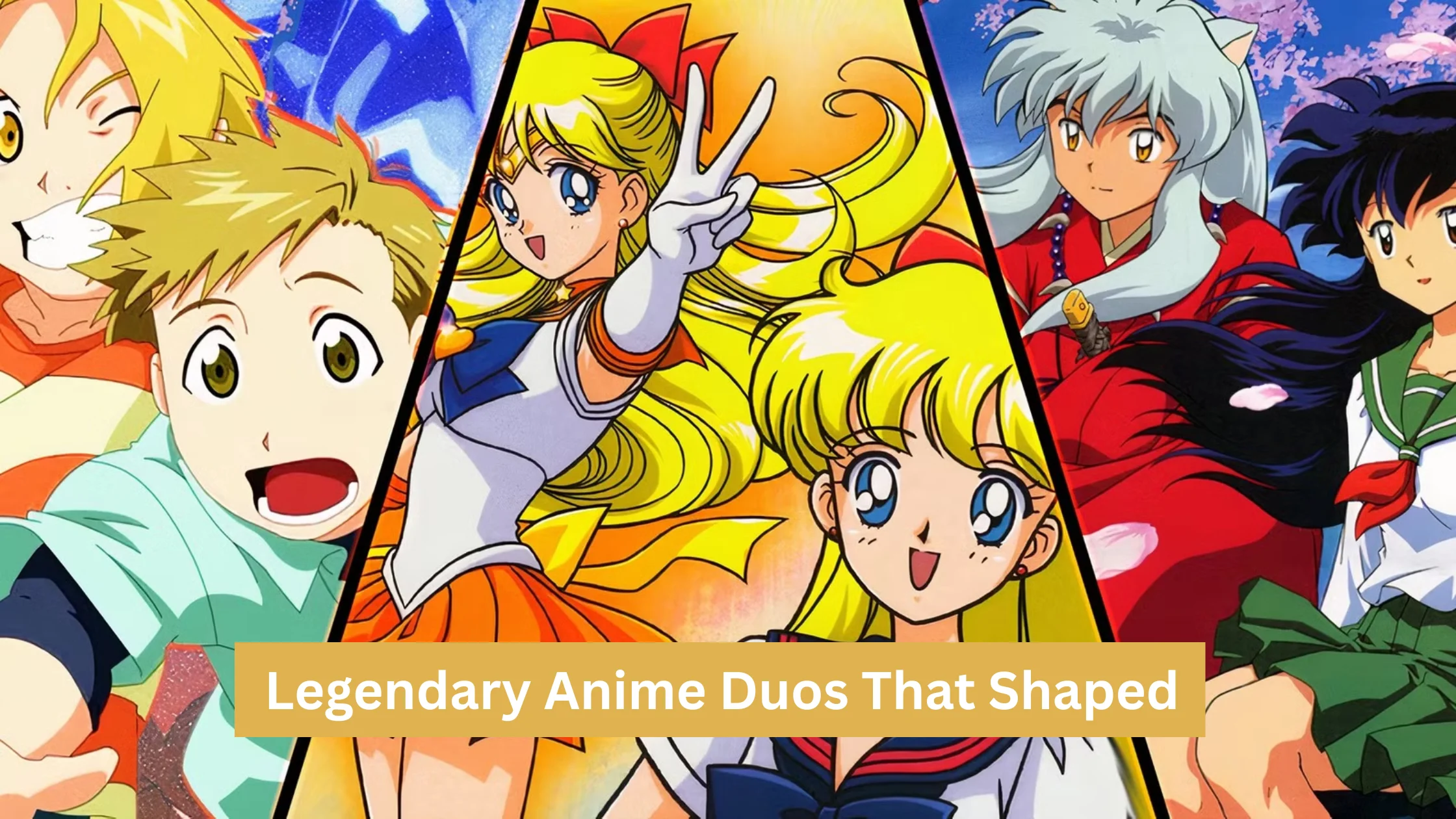
- Naruto and Hinata (Naruto Series): A symbol of perseverance and quiet strength. Hinata’s love becomes Naruto’s emotional anchor, rewarding patience and sincerity over instant gratification.
- Ichigo and Orihime (Bleach): A slow-burn connection where admiration evolves into deep emotional reliance, adding humanity to Ichigo’s otherwise chaotic life.
- Edward and Winry (Fullmetal Alchemist): Built on shared trauma and mutual respect, their bond proves that romance doesn’t need grand gestures — just genuine care.
- Inuyasha and Kagome: The perfect balance between conflict and chemistry; their romance blends adventure with timeless love.
- Yuzuki and Takemichi (Tokyo Revengers): Showcasing how love can motivate redemption and self-growth amidst chaos.
Each pairing serves a storytelling function — reinforcing the protagonist’s humanity, revealing vulnerability, or completing emotional arcs. In short, romance in shonen isn’t about passion — it’s about purpose.
Audience Reactions to Canon and Non-Canon Couples
Few topics spark more debate in the anime community than shipping. Whether it’s Naruto x Sakura, Deku x Uraraka, or Levi x Hange, audiences passionately interpret every look and interaction.
Fans often divide into two camps — those who crave canon confirmation and those who enjoy the thrill of ambiguity. The beauty of shonen lies in how it invites interpretation. By keeping relationships understated, it allows each viewer to connect personally, filling emotional gaps with their imagination.
However, when canon relationships do become official (like Naruto and Hinata or Edward and Winry), reactions vary. Some celebrate closure; others feel the tension dissipates. This highlights an essential truth — romantic ambiguity sustains emotional investment.
Ultimately, fan discourse around romance becomes an extension of storytelling itself — a participatory culture that keeps the anime alive long after the final episode airs.
Contrast with Romance-Centered Anime
To understand how romance functions in shonen, it’s useful to compare it with genres where love is the main theme, like shojo or josei.
In shojo anime (Fruits Basket, Toradora, Kimi ni Todoke), romance drives the entire narrative arc. Emotions are explored openly — confessions, jealousy, heartbreak, and resolution. The goal is emotional catharsis.
In contrast, shonen romance operates in the background, acting as emotional context rather than plot engine. The love story exists to enhance the protagonist’s journey, not replace it.
For example, while Toradora thrives on internal emotional conflict, Naruto uses romance to highlight Hinata’s courage and Naruto’s empathy. The difference lies in focus — shojo explores love, while shonen reflects love through action.
This contrast underscores why romance in shonen feels subtle but profound — it’s never about falling in love, but about what love inspires people to become.
Gender Roles in Shonen Relationships
Gender portrayal in shonen romance has evolved significantly. Early anime often placed female characters in supportive or emotional roles, reflecting traditional storytelling archetypes. Characters like Bulma or Sakura were initially side figures whose emotional labor supported male leads.
However, the modern era of shonen has redefined this dynamic. Strong female characters like Nobara Kugisaki (Jujutsu Kaisen), Nami (One Piece), and Mikasa Ackerman (Attack on Titan) embody both emotional strength and combat skill. Their relationships with male leads are based on mutual respect and partnership, not dependency.
This shift mirrors cultural progress — younger audiences expect equality in both battles and relationships. Writers now weave romance that feels reciprocal and empowering, giving both partners agency in emotional expression.
It’s no longer “the hero saves the girl.” It’s “they save each other.”
Fan Expectations vs Author Intent
Romance in shonen often lives in the tension between what fans want and what authors plan.
Fans invest deeply in pairings, sometimes reading emotional depth where creators never intended it. Authors, on the other hand, must maintain pacing and thematic focus. For instance, My Hero Academia fans ship Deku with multiple characters, yet Kohei Horikoshi keeps romance minimal to preserve the series’ tone.
Similarly, Attack on Titan creator Hajime Isayama intentionally left relationships ambiguous to emphasize tragedy over closure. These choices spark debates but also enrich the fandom ecosystem — speculation, fan art, and alternate endings become part of the cultural dialogue.
The best creators balance both — acknowledging fans’ emotions while staying true to the narrative’s spirit. After all, unresolved tension keeps both characters and fans yearning for more.
Transition Trends in New-Gen Shonen
The new generation of shonen is reshaping how romance fits into action-driven plots. Series like Jujutsu Kaisen, Chainsaw Man, and Demon Slayer explore emotional vulnerability without losing their edge.
Instead of romantic clichés, these shows focus on psychological intimacy — quiet moments of connection amid chaos. Denji’s confusion about love and desire in Chainsaw Man or Yuta’s lingering grief in Jujutsu Kaisen 0 reflect more mature, realistic portrayals of affection.
Moreover, new-gen creators blend genres more freely — integrating romance, dark fantasy, and even slice-of-life elements. The result? Shonen that feels emotionally layered and relatable, moving closer to hybrid storytelling rather than rigid formulas.
The evolution of romance in shonen anime signals a broader trend: anime that mirrors real human emotion instead of idealized love stories.
Predictions for Future Anime Dynamics
Looking ahead, the future of romance in shonen seems more expressive, balanced, and psychologically aware.
We’re likely to see:
- Emotionally mature protagonists who can express love without losing their heroic focus.
- Dual character arcs, where romantic partners evolve together.
- Gender-neutral relationship dynamics, embracing emotional equality.
- And perhaps, the rise of genre fusion, where romance and action blend seamlessly.
As anime audiences diversify globally, creators are realizing that emotional storytelling connects cultures just as much as flashy fights. Romance — subtle or central — will continue to evolve as an essential heartbeat of the shonen genre.
Conclusion: Love in a World of Battles
In the end, romance in shonen anime isn’t about dramatic kisses or perfect endings — it’s about emotional truth. It’s the quiet courage of Hinata cheering for Naruto, the unspoken care between Edward and Winry, or the bittersweet longing of Mikasa for Eren.
These moments remind us that love doesn’t need to steal the spotlight; it only needs to exist in the silence between battles, in the small acts of empathy and sacrifice that define true strength.
Shonen anime, at its core, has always been about growth, resilience, and connection — and love, in all its subtle forms, is the purest expression of those ideals. As the genre continues to evolve, one thing remains clear: the strongest power-up in any world — isn’t rage or revenge — it’s love.