
Evolution of Comedy in Anime: Comedy has always been a core part of anime. Even the darkest stories often include moments that make us laugh. However, anime comedy did not appear overnight in its current form. It evolved slowly across decades. It adapted to social change, audience maturity, and artistic experimentation. What started as simple physical humor has transformed into layered satire, cultural commentary, and clever self-awareness.
Today, anime comedy reflects how people think, communicate, and even cope with reality. Let’s explore how anime humor evolved from exaggerated slapstick to thoughtful satire and why it continues to resonate with audiences worldwide.
Early Slapstick Roots
In its earliest years, anime comedy leaned heavily on slapstick. This style relied on exaggerated physical reactions, visual gags, and over-the-top expressions. Characters slipped, fell, got hit, or exploded into chibi forms. The goal was instant laughter.
This approach made sense. Early animation had limited dialogue and simpler visuals. Physical comedy crossed language barriers and appealed to all age groups. Many early anime series targeted children, so humor needed to be obvious and energetic.
Classic slapstick elements included:
- Sudden facial distortions
- Characters flying across the screen
- Repetitive gag timing
- Loud reactions to minor problems
These techniques were borrowed from silent films and early cartoons. They created a universal comedic language. Viewers did not need context or emotional investment to laugh. Humor existed in the moment.
While simple, slapstick built the foundation for anime comedy. It trained audiences to expect humor as part of storytelling rather than a separate genre.
Genre Mixing with Drama
As anime storytelling matured, comedy began mixing with drama. Writers realized humor could deepen emotional impact instead of interrupting it. Comedy became a release valve during tense moments.
This shift marked a turning point. Anime stopped treating comedy as filler. Instead, it used humor to humanize characters.
You might notice:
- Light jokes during serious arcs
- Awkward silence used as humor
- Character banter revealing emotional wounds
Comedy helped balance emotional pacing. A sad scene felt heavier after a laugh. A joke felt warmer after hardship. This blend created realism. After all, people laugh even during difficult times.
Slice-of-life and shonen anime especially embraced this balance. Humor became character-driven instead of purely visual. That change allowed comedy to grow smarter and more emotional.
Satirical Anime Dissecting Culture
Eventually, anime comedy began looking outward. Satire emerged as creators started poking fun at society, media, and even anime itself.
Satirical anime uses humor to question norms:
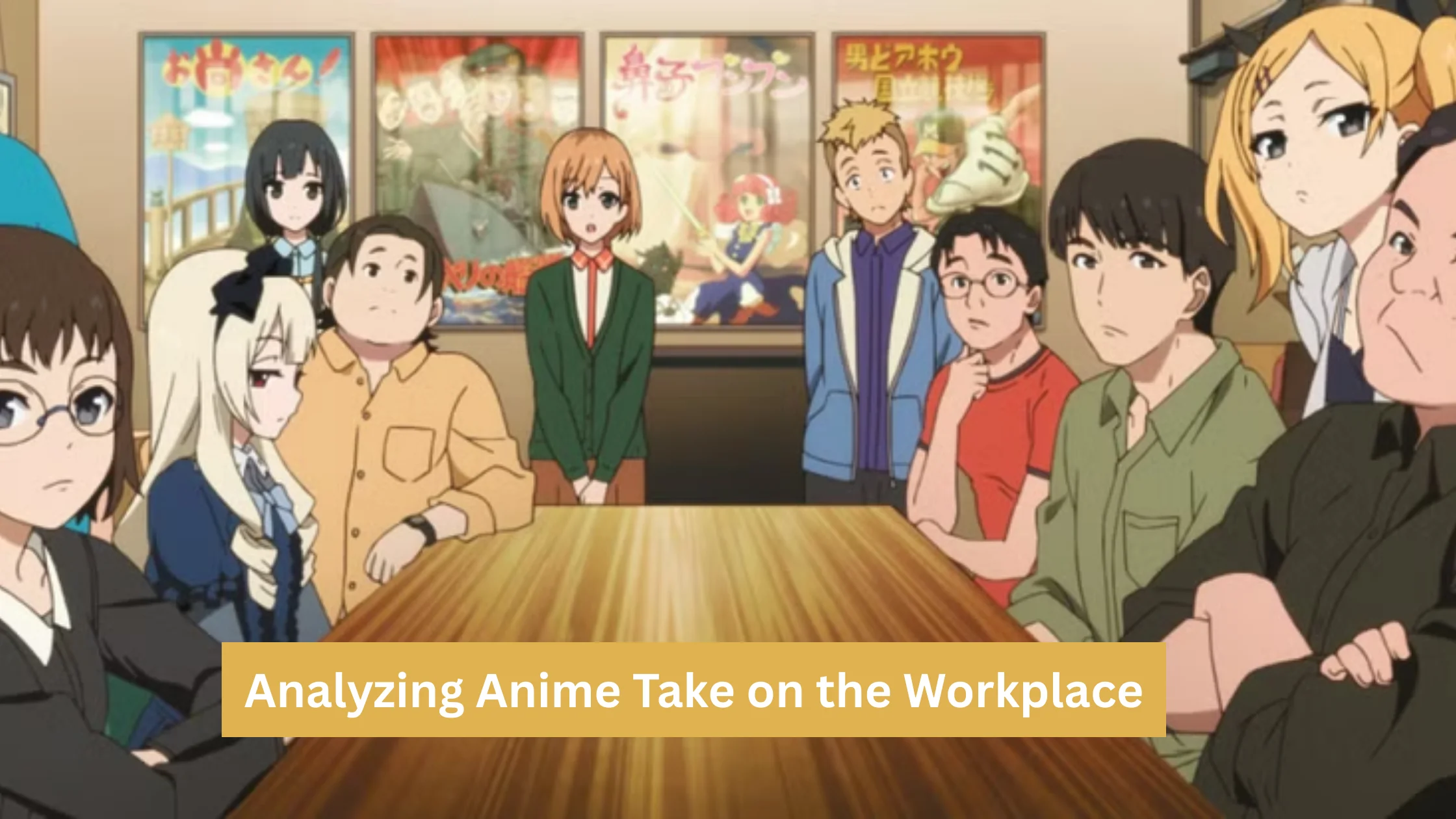
- Workplace culture
- Education pressure
- Consumerism
- Otaku behavior
Instead of slapstick reactions, satire relies on irony and exaggeration of real issues. Characters often represent social archetypes. Situations feel absurd because they reflect reality too closely.
This type of comedy rewards attentive viewers. Jokes land harder when you recognize the reference. Satirical anime respects the intelligence of its audience.
Over time, satire became sharper and more confident. Anime creators trusted viewers to understand layered humor. This trust helped anime comedy mature into something more reflective and meaningful.
Influence of Western Media
Anime comedy did not evolve in isolation. Western films, sitcoms, and cartoons influenced its direction. As Japanese creators consumed global media, they adapted techniques that fit anime’s style.
Western influence introduced:
- Deadpan delivery
- Sarcastic dialogue
- Meta humor
- Pop culture references
However, anime never copied these elements directly. Instead, it filtered them through Japanese cultural sensibilities. The result felt familiar yet unique.
For example, sarcasm in anime often appears softer. Meta jokes break the fourth wall without destroying immersion. References blend local and global contexts.
This exchange created a richer comedic language. Anime comedy became more flexible. It could shift tone quickly while maintaining identity.
Recurring Comedic Archetypes
As comedy evolved, certain character types became staples. These archetypes provided instant humor through familiarity.
Common comedic roles include:
- The overly serious character surrounded by chaos
- The loud, impulsive friend
- The dry, emotionless observer
- The naive optimist
- The exaggerated tsundere
These archetypes work because audiences recognize them. Writers can play with expectations or subvert them.
Over time, these characters gained depth. They stopped being punchlines and became emotional anchors. Humor emerged from personality rather than gimmicks.
This evolution shows how anime comedy respects character development. Laughter grows naturally from who characters are.
Ad-Lib Voice Acting
Voice acting plays a major role in anime comedy. As the industry matured, voice actors gained freedom to improvise within scenes. This flexibility brought authenticity.
Ad-libs add:
- Natural rhythm
- Unexpected timing
- Emotional spontaneity
Small changes in tone or pacing can turn an ordinary line into comedy gold. Voice actors understand their characters deeply. Their instincts often elevate written jokes.
Some studios encourage improvisation during recording. This collaboration strengthens comedic delivery. Viewers may not realize it, but many iconic funny moments come from vocal nuance rather than script alone.
Voice acting reminds us that comedy is not just writing. It is performance.
Comedy as Commentary
Modern anime often uses comedy to deliver commentary. Humor becomes a safe way to discuss serious topics.
Instead of lectures, creators use jokes to highlight:
- Mental health struggles
- Social isolation
- Identity confusion
- Generational gaps
Comedy softens the message. It invites reflection without forcing it. Viewers laugh first, then think later.
This approach feels friendly and honest. It respects emotional complexity. Comedy becomes a bridge between entertainment and insight.
Anime proves that laughter does not weaken meaning. It strengthens it.
Trends in Animation Style
Visual style also shaped anime comedy. As animation tools improved, creators experimented with exaggeration.
Modern comedic animation includes:
- Sudden art style shifts
- Simplified chibi forms
- Over-expressive facial animation
- Intentional awkward framing
These techniques enhance timing. They visually punch jokes without relying on dialogue.
Interestingly, newer anime often blends detailed animation with sudden minimalism for comedic contrast. This technique mirrors human reactions. Serious moments collapse into silly expressions.
Animation style now works hand-in-hand with humor. It feels intentional and dynamic.
Impact on Audience Engagement
Comedy plays a huge role in audience connection. Humor builds attachment. It makes characters feel real and approachable.
When viewers laugh with characters, emotional investment grows. Comedy creates comfort. It invites repeat viewing.
Online culture amplified this effect. Funny scenes turn into clips, memes, and reaction images. These moments spread faster than dramatic scenes.
Comedy also increases accessibility. New viewers often enter anime through funny content. Laughter removes intimidation and opens curiosity.
Anime comedy does not just entertain. It builds community.
Prominent Studios in Comedy Anime
Certain studios became known for their comedic sensibilities. Each developed a unique approach.
Some focus on visual absurdity. Others emphasize timing and dialogue. Some blend comedy with emotion seamlessly.
These studios understand rhythm. They know when to pause and when to explode. Their identity shapes how audiences expect humor.
Consistency matters. Fans trust studios that respect comedy craft. Over time, these studios influence industry trends and inspire newcomers.
Conclusion
The evolution of comedy in anime reflects the growth of the medium itself. What began as simple slapstick became layered storytelling. Comedy learned to adapt, observe, and question.
Today, anime humor ranges from physical gags to sharp satire. It blends with drama, culture, and philosophy. It respects audience intelligence while remaining accessible.
Most importantly, anime comedy feels human. It reflects how people laugh, cope, and connect. Whether through exaggerated expressions or quiet irony, anime humor continues to evolve.
As anime moves forward, comedy will remain essential. Not as a distraction, but as an expression. Not just to make us laugh, but to help us understand ourselves a little better.