
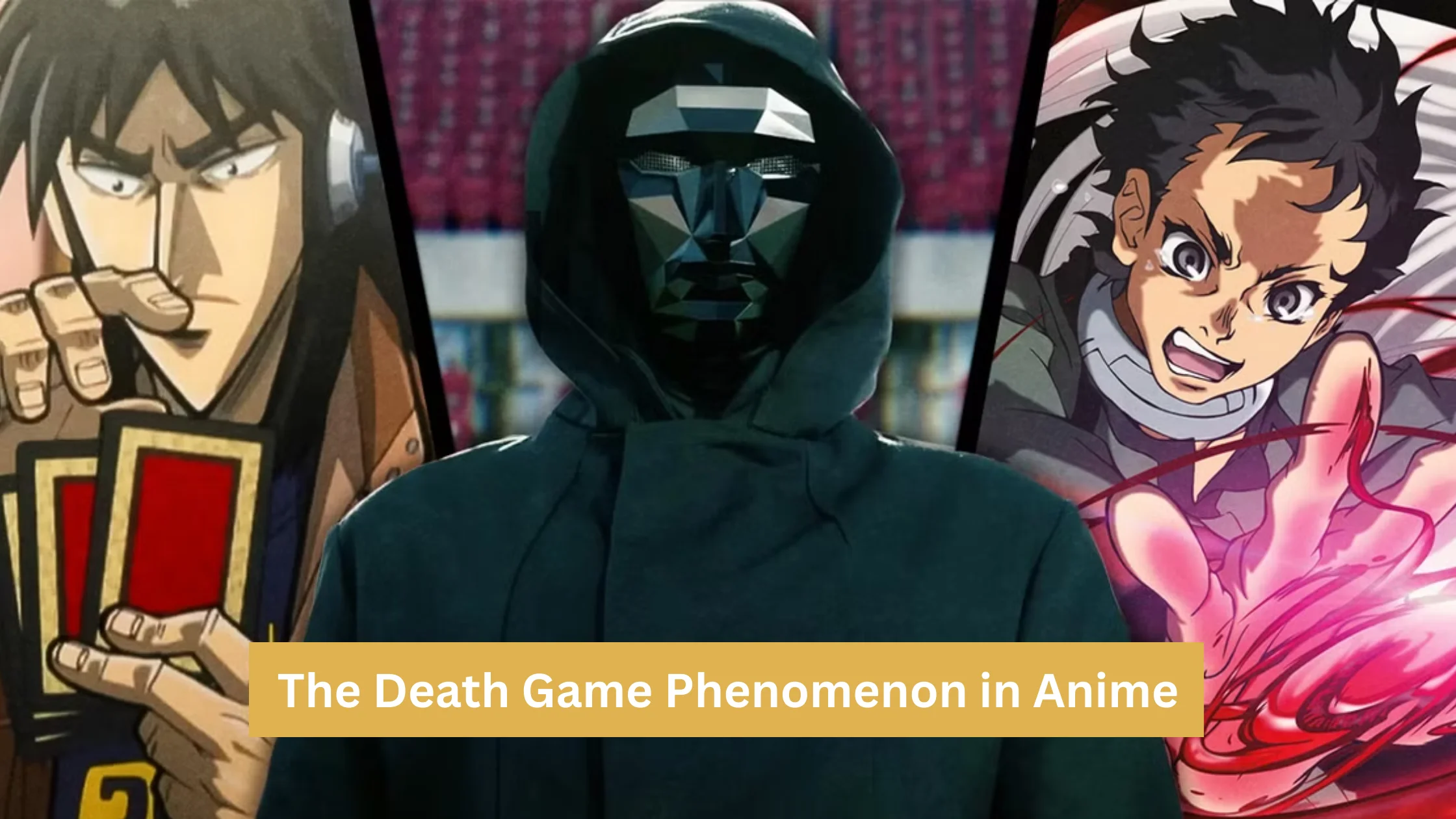
Anime has never shied away from dark ideas. Yet among its most gripping subgenres, death game anime stands out for how intensely it pulls viewers in. These stories place characters inside brutal games where survival is the prize and failure often means death. At first glance, the concept may seem shocking. However, beneath the violence lies sharp commentary on human nature, fear, trust, and choice.
Over the years, death game anime has evolved from niche storytelling into a global phenomenon. Fans debate strategies, analyze symbolism, and form emotional bonds with characters fighting impossible odds. Meanwhile, studios continue to refine the formula, blending suspense with psychology and social critique.
This article explores how death game anime emerged, why it resonates so strongly, and how it continues to shape modern anime storytelling.
Definition of Death Game Anime
Death game anime refers to stories where characters are forced to participate in deadly competitions. These games follow strict rules, yet those rules are often twisted or unfair. Players must think quickly, form alliances, and make moral choices under extreme pressure.
Unlike simple battle narratives, death game anime focuses on structured challenges. Each round tests intelligence, emotional control, or ethical limits. Survival depends not only on strength but also on perception and trust. As a result, tension builds steadily rather than relying on constant action.
Another defining trait is loss of agency. Characters rarely choose to enter these games. They are trapped by mysterious organizers, advanced technology, or unseen powers. This lack of control mirrors real-world anxieties about systems that feel impossible to escape.
Most importantly, death game anime explores consequences. Every decision matters. Every mistake costs something. This weight is what separates the genre from standard action or horror anime.
Major Titles and Their Impact
Several landmark series helped define and popularize the death game genre. Each brought a different tone, yet all left a lasting impact on anime culture.
Early titles introduced the core structure. Characters were isolated, given rules, and forced to compete. These shows shocked viewers at first, but curiosity kept audiences watching. Over time, later series refined the concept by adding deeper psychology and emotional stakes.
Some major titles focused on intelligence-based games. These stories highlighted mind battles rather than physical combat. Viewers were encouraged to think alongside the characters, predicting moves and outcomes. This interactive feeling strengthened fan engagement.
Other series leaned into survival horror. Brutal environments, limited resources, and constant danger created relentless tension. These anime pushed animation and sound design to heighten fear and urgency.
The impact of these titles extended beyond anime. Manga sales surged. Live-action adaptations followed. Online discussions exploded with theories and moral debates. Death game anime proved it could attract both casual viewers and analytical fans.
Most importantly, these series demonstrated that dark concepts could succeed when paired with strong writing and emotional depth.
Themes of Morality and Survival
At the heart of death game anime lies a powerful question: what would you do to survive? These stories push characters into extreme situations where moral certainty quickly fades. Right and wrong are no longer clear. Every decision carries consequences.
Many death game anime explore how fear reshapes values. Characters who once believed in fairness may resort to betrayal. Others cling to empathy even when it puts them at risk. Survival becomes a test of identity, not just strength or intelligence.
Trust is another central theme. Alliances form out of necessity, yet suspicion never disappears. Viewers constantly question motives, just like the characters do. This shared uncertainty builds tension and emotional investment.
Some series challenge the idea that survival justifies all actions. Winning the game does not always feel like victory. Guilt, loss, and trauma linger long after the danger ends. These outcomes add emotional weight and realism.
By focusing on moral struggle, death game anime goes beyond shock value. It becomes a reflection of human behavior under pressure, asking viewers to confront uncomfortable truths about themselves.
Animation Choices for Suspense
Suspense in death game anime is not created by story alone. Animation plays an equally important role. Studios carefully control visuals to keep viewers on edge from start to finish.
Lighting is often used to shape mood. Dark corridors, narrow rooms, and harsh shadows create a sense of confinement. Even open spaces can feel threatening when colors are muted and skies appear heavy. These choices make danger feel constant and unavoidable.
Camera angles also heighten tension. Close-up shots capture trembling hands or anxious eyes, pulling viewers into the character’s fear. Sudden shifts in perspective signal danger before it fully appears. Slow pans and lingering frames stretch time, making every second feel longer.
Movement is another key tool. Stillness is used just as effectively as action. Characters may freeze in silence before chaos erupts. When violence does occur, animation becomes sharp and deliberate rather than flashy. This restraint makes each moment hit harder.
Sound design works closely with visuals. Footsteps echo. Heartbeats grow louder. Music fades at critical moments, allowing silence to amplify dread. Together, these elements create an atmosphere where tension never fully releases.
Through careful animation choices, death game anime transforms simple scenes into nerve-wracking experiences that keep viewers emotionally locked in.
Fan Theories and Speculation
Death game anime thrives on uncertainty, and fans love filling the gaps left by the story. Every rule, symbol, and unexplained moment becomes fuel for theories. Viewers gather online to dissect episodes, pausing scenes and rewatching key moments to uncover hidden meanings.
One common area of speculation involves the true purpose of the game. Fans often debate whether the organizers represent social control, psychological experiments, or twisted entertainment for unseen audiences. These discussions go beyond the plot and explore deeper themes about power and human nature.
Characters also inspire intense analysis. Fans question motivations, suspect hidden alliances, and predict betrayals long before they happen. A single line of dialogue or expression can spark long threads of discussion. Sometimes, viewers even create alternate timelines that imagine how the story might change if one decision went differently.
Online communities play a huge role in keeping these theories alive. Forums, videos, and social media posts turn each episode into a shared puzzle. This constant engagement keeps interest high between releases.
Fan speculation adds another layer to death game anime. It transforms passive viewing into active participation, making the experience more immersive and lasting.
Studio Favorites for the Genre
Certain anime studios have developed a strong reputation for handling death game stories with care and intensity. These studios understand that suspense is not only about shocking moments, but also about pacing, atmosphere, and emotional investment.
Studios known for darker psychological storytelling often return to this genre. They focus on tight narratives where every episode raises the stakes. Careful direction ensures that rules are clearly established while still leaving room for surprises. This balance helps viewers stay engaged without feeling confused.
Visual storytelling also becomes a studio strength. Dim lighting, confined spaces, and sharp contrasts are used to create tension. Sound design plays a role as well. Silence is often as powerful as dramatic music, especially during moments when characters must make impossible choices.
Another reason certain studios favor death game anime is audience loyalty. Fans of the genre tend to follow studios they trust. When a familiar studio announces a new death game project, expectations rise instantly. Viewers know they will receive thoughtful twists rather than cheap shock value.
Over time, these studios refine their approach. They experiment with new rule systems, unusual settings, and deeper psychological conflicts. Their repeated success helps the genre grow while maintaining quality.
International Reception
Death game anime has found a strong audience far beyond Japan. Viewers from different cultures connect with its universal themes of survival, fear, and moral choice. Even when settings feel distinctly Japanese, the emotional stakes feel familiar to audiences worldwide.
In North America, fans often appreciate the strategic elements. Discussions focus on game rules, character decisions, and possible outcomes. Online forums are filled with debates about who played smart and who acted emotionally. This analytical engagement keeps series relevant long after episodes air.
European audiences often respond to the psychological depth. Many viewers connect death game anime to philosophical questions about free will, authority, and human nature. The genre’s darker tone aligns well with audiences who enjoy morally complex storytelling rather than clear heroes and villains.
In Southeast Asia and Latin America, streaming platforms have played a huge role. Easy access and fast subtitles allow fans to watch episodes almost immediately. As a result, social media reactions spread quickly. Memes, fan art, and reaction videos help these shows trend globally.
However, reception is not always universal praise. Some international viewers criticize excessive violence or emotional exhaustion. Yet even critics often acknowledge the genre’s creativity and bold storytelling. This mixed response proves its impact.
Overall, death game anime thrives globally because it invites participation. Viewers do not just watch. They think, argue, and imagine themselves inside the game.
Influence from Other Media
Death game anime did not develop in isolation. Its roots are closely connected to other forms of storytelling, and over time it has borrowed ideas while also inspiring new ones. This constant exchange helps the genre feel familiar yet fresh.
One major influence comes from novels and manga. Psychological thrillers and survival stories laid the foundation long before animation brought them to life. Writers explored enclosed spaces, strict rules, and high stakes. Anime later amplified these ideas through motion, sound, and visual tension.
Live-action films also shaped the genre. Battle-based movies and survival dramas introduced large casts placed into extreme situations. Anime adapted this structure but added internal monologues and symbolic imagery. This allowed deeper access to character thoughts and fears, something animation handles especially well.
Video games have had a strong impact too. Many death game anime resemble multiplayer survival games. Levels, checkpoints, and win conditions feel familiar to gamers. Some series even use visual elements like countdown timers or user interfaces. These choices blur the line between watching a story and playing a game.
At the same time, anime now influences other media in return. Popular death game series inspire novels, live-action adaptations, and interactive games. Concepts that worked in animation are reimagined for new formats. This cycle keeps the genre growing.
By drawing from multiple media, death game anime stays adaptable. It reflects changing entertainment habits while maintaining its core tension. This flexibility explains why the genre continues to evolve instead of fading away.
Cross-Genre Trends
One reason death game anime remains so popular is its ability to blend with other genres. Instead of staying confined to pure survival horror, creators often mix elements from romance, science fiction, fantasy, and even comedy. This flexibility keeps the genre exciting and unpredictable.
Many series combine death games with psychological drama. The focus shifts from physical danger to mental pressure. Characters face moral dilemmas, trust issues, and fear of betrayal. These internal battles often feel more intense than the games themselves. As a result, viewers stay invested in both the action and the emotional stakes.
Science fiction also plays a major role. Advanced technology, virtual worlds, and artificial intelligence frequently power the games. These elements raise questions about control and free will. When rules are enforced by machines, characters struggle against systems that feel cold and unstoppable. This adds a philosophical layer to the survival narrative.
Fantasy influences appear through supernatural powers and mystical rules. Some death games operate under magical contracts or otherworldly forces. These settings allow creative freedom while maintaining tension. Even when logic bends, the consequences remain serious.
Surprisingly, romance sometimes weaves its way into death game anime. Bonds form under pressure, and emotional connections feel intense because survival is uncertain. These relationships raise the stakes. Losing a loved one becomes as frightening as losing the game itself.
Dark humor also finds space in the genre. Brief moments of comedy offer relief from constant tension. When used carefully, humor makes the darker scenes feel even heavier by contrast.
Through cross-genre blending, death game anime reaches wider audiences. Each series offers a different flavor while keeping the core survival theme intact. This adaptability ensures the genre continues to feel fresh rather than repetitive.
Adaptation Challenges
Adapting death game stories into anime is rarely simple. These narratives rely heavily on tension, pacing, and psychological buildup. When moving from manga, novels, or games to animation, studios face difficult creative decisions that can shape the entire experience.
One major challenge is pacing. Death game stories often include long explanations, internal monologues, and detailed rule systems. In written form, readers can pause and absorb this information. In anime, too much exposition can slow the story and reduce suspense. Studios must carefully condense rules without confusing viewers or weakening the stakes.
Another obstacle is maintaining psychological intensity. Many death game stories thrive on characters’ inner thoughts. Fear, doubt, and moral conflict are central to the genre. Translating these emotions visually requires strong direction. Facial expressions, silence, and camera framing must replace long internal dialogue. When done well, the result feels immersive. When rushed, it can feel shallow.
Violence and censorship also present difficulties. Death games often feature brutal scenes meant to shock and unsettle. Broadcast restrictions may force studios to tone down certain moments. This can reduce impact if not handled creatively. Some adaptations rely on implication rather than explicit visuals, using sound design and editing to preserve tension.
Character development is another delicate area. Large casts are common in death game anime. Not every character can receive equal focus. Studios must choose which arcs to emphasize. Poor balance can make deaths feel meaningless. Strong adaptations ensure that even minor characters leave an emotional impression.
Finally, fan expectations create pressure. Readers come with strong attachments and clear mental images. Any change to rules, endings, or character behavior can spark debate. Studios walk a fine line between faithfulness and creative interpretation.
Despite these challenges, successful adaptations prove the genre’s strength. When handled with care, death game anime delivers unforgettable suspense and emotional depth.
Conclusion
The death game phenomenon in anime continues to captivate audiences because it blends fear, strategy, and deep emotional conflict. These stories push characters into extreme situations where every choice carries weight. As a result, viewers are not just watching survival unfold. They are questioning morality, trust, and human nature alongside the characters.
Over time, death game anime has evolved beyond shock value. Studios now focus on psychological depth, symbolic storytelling, and meaningful consequences. The genre adapts to new influences while maintaining its core tension. International fans have also played a role in shaping its growth through discussion, theories, and cultural exchange.
Despite adaptation challenges, death game anime remains powerful. Its ability to reflect real fears and ethical dilemmas keeps it relevant. As long as audiences seek intense and thought-provoking narratives, this genre will continue to thrive.