
Japanese History Influence
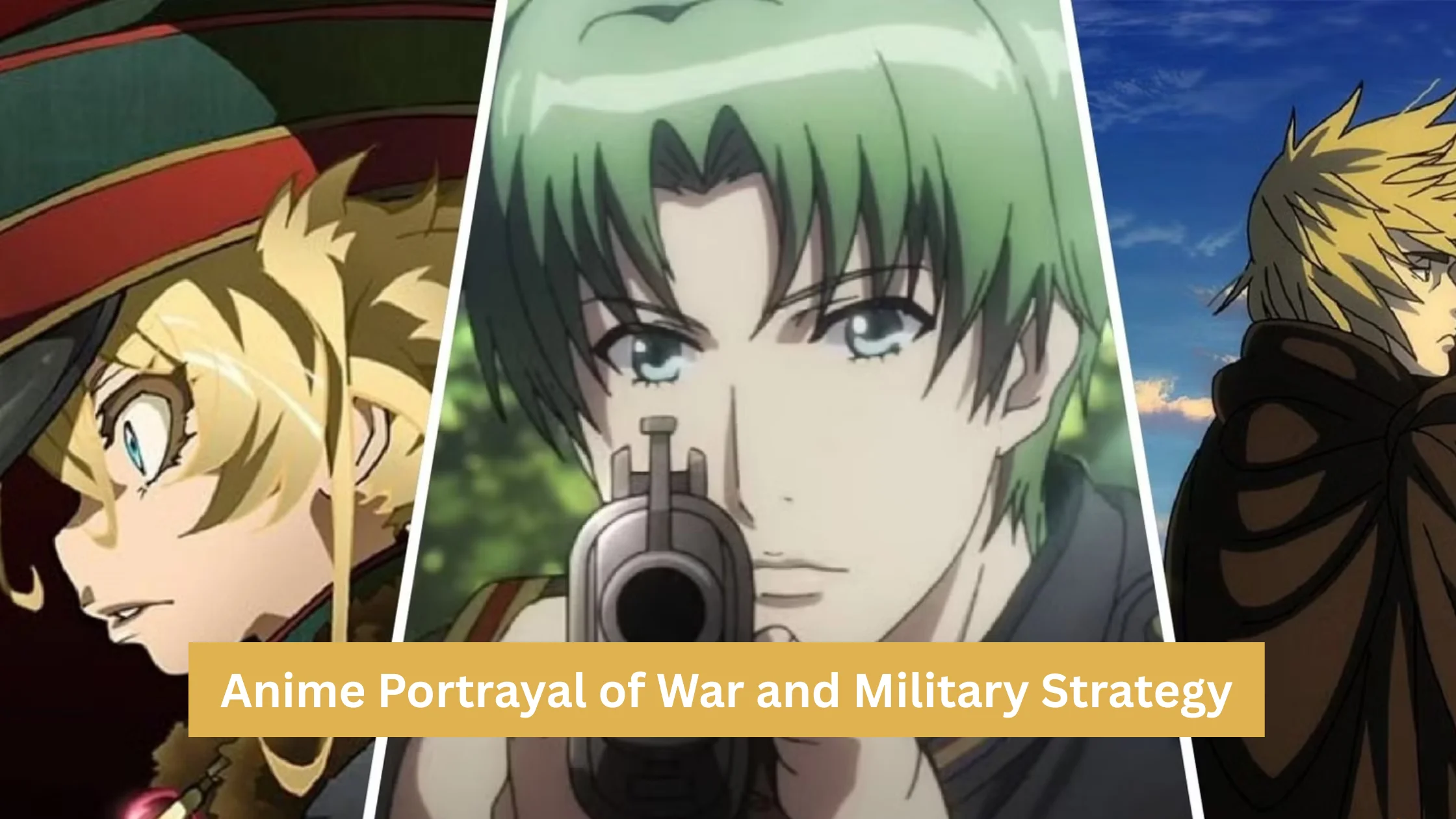
Anime portrayal of war and military strategy is deeply shaped by Japan’s historical experiences. Unlike many Western war stories that emphasize victory and heroism, anime often approaches conflict with reflection and restraint. This perspective grows from Japan’s past, especially the impact of World War II and the country’s post-war pacifist identity.
Many anime creators grew up surrounded by stories of loss, rebuilding, and moral questioning rather than triumph. As a result, war in anime is rarely shown as glorious. Instead, it is portrayed as tragic, complicated, and emotionally heavy. Battles are not just clashes of weapons. They are moments where characters confront fear, duty, and regret.
Traditional samurai history also influences military anime. Strategic thinking, loyalty, and honor frequently echo older Japanese warfare philosophies. Even futuristic military settings often borrow ideas from feudal tactics such as formations, command hierarchies, and the weight of leadership decisions.
At the same time, modern historical memory encourages caution. Anime frequently highlights civilian suffering and long-term consequences. This approach makes military stories feel grounded and reflective rather than celebratory. By drawing from history, anime transforms war into a space for questioning power, responsibility, and human cost.
Strategic Realism vs Stylization
One of the most interesting aspects of military anime is how it balances realism with stylization. Some series aim for detailed strategic accuracy, while others use war as a dramatic framework rather than a technical simulation. Both approaches shape how audiences understand conflict and decision-making.
Realistic military anime focus heavily on tactics, logistics, and chain of command. Battles unfold slowly, showing preparation, communication failures, and the consequences of small mistakes. Strategy is not just about intelligence but also timing, morale, and resource management. These stories often consult historical records or military experts to ground their scenarios in believable logic.
On the other hand, stylized war anime embraces exaggeration. Advanced technology, symbolic battlefields, or simplified tactics allow creators to highlight emotional stakes over technical accuracy. Strategy becomes a metaphor for character psychology or ideological conflict rather than a literal military lesson.
Importantly, anime rarely chooses one extreme. Many series blend realism with artistic freedom. Detailed strategies exist alongside dramatic visuals and heightened emotion. This balance keeps stories accessible while still respecting the complexity of warfare. By shifting between realism and stylization, anime invites viewers to engage both intellectually and emotionally with military conflict.
Ethical Gray Zones
Anime rarely presents war as a clear battle between good and evil. Instead, it thrives in ethical gray zones where choices carry heavy consequences. Characters are often forced to act under pressure, making decisions that save lives in one moment and destroy them in another.
Military anime frequently explores moral conflict within structured systems. Soldiers may follow orders that clash with personal values. Commanders must choose between sacrificing a few to protect many. These dilemmas are not resolved easily, and anime does not rush to justify them. The discomfort is intentional.
Rather than celebrating victory, many stories focus on aftermath. Survivors live with guilt, trauma, and unanswered questions. Civilians caught in crossfire are not treated as background elements. Their suffering reinforces the idea that war impacts far more than those holding weapons.
Anime also questions authority. Governments and military leaders are often shown as flawed or divided. This challenges viewers to think critically about power and obedience. By refusing simple moral answers, anime turns war narratives into reflections on humanity itself. Ethical uncertainty becomes the emotional core, making military stories resonate long after the battle ends.
Character Archetypes in Military Anime
Military anime relies on familiar character archetypes, yet it often reshapes them in thoughtful ways. These archetypes help viewers quickly understand roles while leaving room for emotional complexity and growth.
One common figure is the reluctant soldier. This character does not seek battle but is pulled into conflict by circumstance. Their journey often focuses on survival, fear, and gradual acceptance rather than heroism. Viewers connect with their vulnerability, making war feel personal rather than distant.
Another frequent archetype is the idealistic commander. This leader believes strategy can minimize loss and preserve morality. However, anime rarely allows such characters to remain untouched by reality. Over time, their ideals are tested by political pressure and impossible choices.
Veteran characters also play a crucial role. They carry emotional scars and serve as quiet reminders of war’s long-term cost. Their presence grounds the narrative and offers mentorship shaped by regret rather than glory.
There is also the strategist. This character views war as calculation and probability. Yet anime often reveals the emotional toll beneath their calm logic. By humanizing these archetypes, military anime avoids stereotypes and presents soldiers as complex individuals shaped by conflict.
Animation Styles for War Scenes
Animation plays a crucial role in how war and military strategy are portrayed in anime. Visual choices shape the emotional tone just as much as the narrative itself. Rather than relying only on spectacle, many anime use animation to emphasize tension, fear, and uncertainty.
Some series adopt a grounded visual style. Movements feel heavy and deliberate. Explosions are brief but impactful. Silence often follows action, allowing the weight of destruction to settle. This approach makes battles feel realistic and emotionally draining rather than exciting.
Other anime choose stylized visuals to express chaos or psychological pressure. Fast camera cuts, exaggerated motion, and sharp color contrasts reflect the confusion of combat. Smoke, shadows, and limited visibility are often used to heighten suspense and disorientation.
Attention to small details also matters. Facial expressions, trembling hands, and hesitant footsteps convey inner conflict without dialogue. Wide shots of empty landscapes after battle reinforce loss and isolation.
By adjusting animation styles, anime can shift between strategy-focused scenes and emotional moments. This flexibility allows war stories to remain engaging while respecting the seriousness of their subject. Visual storytelling becomes a powerful tool for expressing the true cost of conflict.
Critiquing Nationalism and Propaganda
Anime often approaches nationalism with caution, especially in stories centered on war and military strategy. Rather than promoting blind patriotism, many series question the narratives that governments use to justify conflict. This critical stance separates anime from more traditional war media.
Military anime frequently portrays propaganda as a tool that simplifies reality. Citizens are shown receiving heroic stories while soldiers experience fear, loss, and moral confusion on the front lines. This contrast highlights the gap between public perception and lived experience. Viewers are encouraged to question whose version of the truth is being presented.
National identity in anime is rarely portrayed as pure or unified. Internal divisions, political manipulation, and shifting alliances complicate the idea of fighting for a single cause. Flags and symbols may appear, but they often carry emotional weight rather than pride.
By exposing how narratives are constructed, anime invites reflection rather than obedience. It does not reject loyalty outright, but it warns against uncritical acceptance. Through this lens, military stories become explorations of power, responsibility, and the dangers of simplified nationalism.
Fan Reception in Different Cultures
The way audiences respond to military anime varies widely across cultures. Viewers bring their own historical experiences, social values, and media expectations into the viewing process. As a result, the same anime can spark very different reactions around the world.
In Japan, military anime is often viewed through a reflective lens. Many fans appreciate stories that question authority and emphasize human cost. These themes align with post-war cultural attitudes that favor pacifism and caution toward militarization. Emotional realism tends to resonate more than displays of dominance or conquest.
International audiences sometimes approach these anime differently. Viewers from regions with strong military traditions may focus on strategy, leadership, and tactical execution. Others connect more deeply with anti-war messaging and character trauma. Online discussions often reveal these contrasting interpretations.
Cultural distance can also shape expectations. Some fans expect clear heroes and villains, while anime frequently offers ambiguity. This difference can challenge viewers but also encourages deeper engagement.
Overall, military anime thrives globally because it allows multiple readings. Its layered storytelling invites audiences to reflect on war through their own cultural frameworks, creating meaningful cross-cultural conversations.
Studio Research for Accuracy
Many anime studios invest significant effort into researching military strategy and historical detail. This commitment helps ground fictional conflicts in believable systems, even when settings are futuristic or fantastical. Accuracy builds trust with viewers and strengthens immersion.
Research often includes studying historical battles, military hierarchies, and real-world tactics. Some studios consult historians or technical advisors to ensure that formations, command structures, and equipment usage feel authentic. Even small details like communication delays or supply limitations are carefully considered.
However, accuracy is not only technical. Emotional realism matters just as much. Studios research psychological responses to combat, such as stress, hesitation, and long-term trauma. This focus helps portray soldiers as human beings rather than action figures.
That said, anime still prioritizes storytelling. Research supports the narrative rather than restricting it. When accuracy conflicts with emotional clarity, studios may simplify or adapt elements to maintain pacing.
By balancing research with creativity, anime presents military strategy that feels intelligent without becoming inaccessible. This approach respects both history and audience engagement.
Impact on Real Military Discourse
Anime does more than entertain. In subtle ways, it influences how people think about war and military strategy in the real world. While it does not replace academic study, it often sparks curiosity and discussion among viewers who might not otherwise engage with military topics.
Some fans become interested in historical battles, leadership theory, or ethical decision-making after watching military anime. Online forums and video essays frequently analyze strategies shown in series, comparing them with real-world doctrines. This type of engagement turns fiction into a starting point for learning.
Anime also contributes to conversations about the human cost of war. By focusing on emotional trauma, moral conflict, and civilian impact, it challenges simplified narratives often found in traditional media. These portrayals encourage empathy and critical thinking rather than admiration for force alone.
In certain cases, military professionals have acknowledged anime as a cultural touchstone. While not instructional, it reflects public attitudes toward authority, technology, and conflict. Through storytelling, anime helps shape broader cultural understanding of warfare as a complex human experience rather than a purely tactical one.
Recommendations for History Buffs
For viewers who enjoy military history, anime offers a surprisingly rich experience. Certain series stand out because they respect historical complexity while still delivering compelling narratives. Rather than focusing only on battles, these anime explore leadership, ideology, and the ripple effects of war.
History-focused military anime often share a few defining qualities:
- Thoughtful strategic planning that mirrors real-world tactics
- Clear command structures and political dynamics
- Attention to civilian impact and post-war consequences
- Characters shaped by ideology, loyalty, and doubt
These series reward patience. They may move slower than action-heavy titles, but they offer deeper insight. Watching them feels less like spectacle and more like studying a dramatized case of historical conflict.
For history buffs, this approach feels familiar. Anime becomes a space where lessons about power, ambition, and failure are explored through human stories. By blending factual inspiration with emotional storytelling, military anime provides an engaging bridge between history books and modern visual media.
Conclusion
Anime portrayal of war and military strategy stands apart because it values reflection over celebration. Drawing from Japanese history and global influences, it presents conflict as a deeply human experience shaped by choice, consequence, and moral uncertainty.
Through careful animation, layered characters, and ethical storytelling, anime transforms warfare into a space for questioning authority and understanding loss.
Rather than offering simple victories, military anime invites viewers to engage with complexity. It respects strategy while never forgetting emotional cost. This balance allows stories to resonate across cultures and generations.
Whether approached for historical insight or personal reflection, anime proves that war narratives can be thoughtful, critical, and deeply moving without losing their power to engage.