
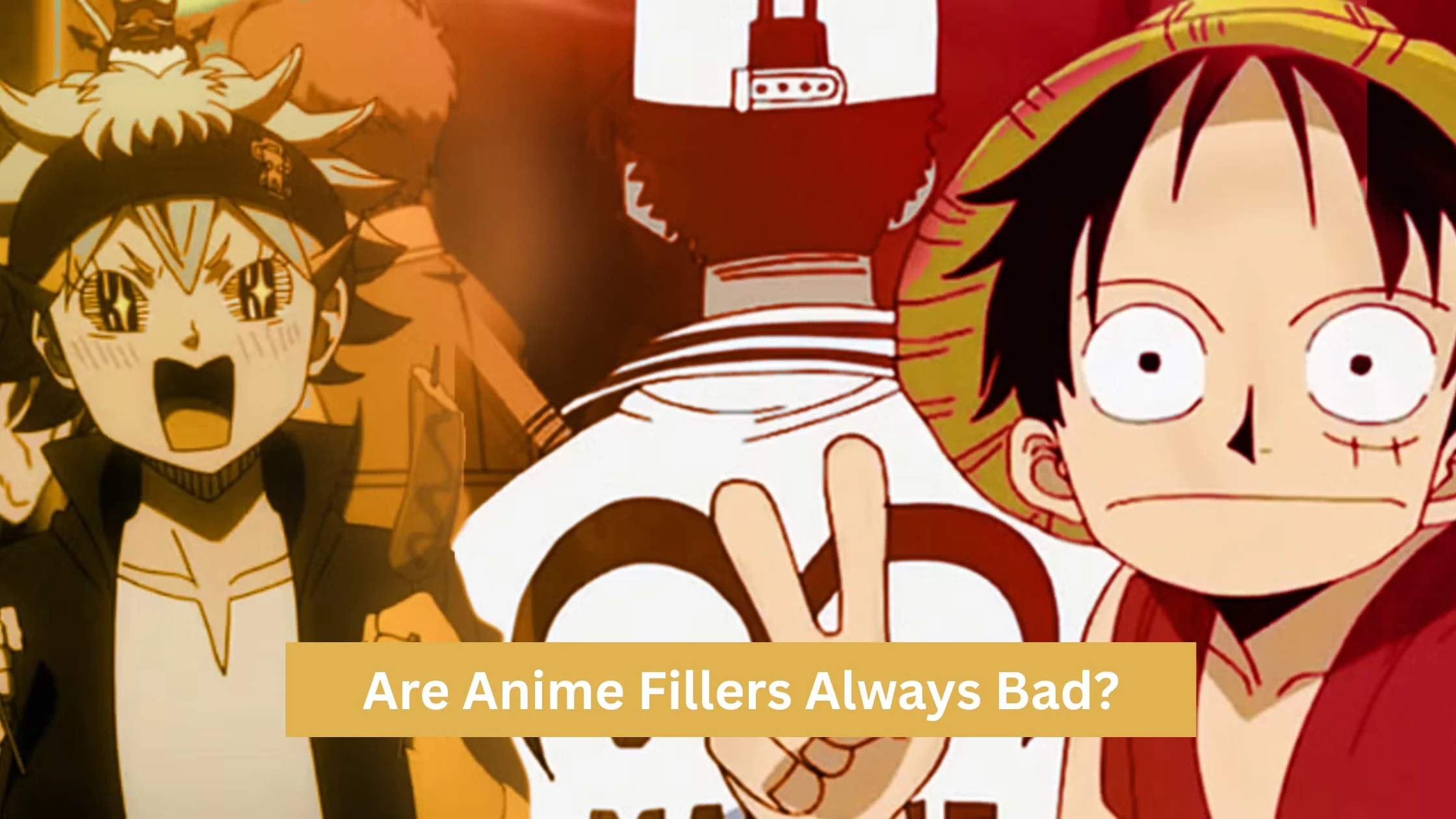
Anime fans around the world share one almost universal reflex. The moment the word “filler” appears in a watch guide or episode list, fingers hover over the skip button. Years of uneven pacing, side stories with no payoff, and interrupted story arcs have trained viewers to treat fillers as time-wasters. For many, fillers feel like obstacles standing between them and the “real” story.
But that reputation did not appear overnight. It formed slowly, shaped by long-running anime that struggled to balance weekly releases with limited source material. As a result, anime filler episodes became associated with dragged-out plots, repetitive lessons, or characters behaving out of sync with their established growth. Understandably, fans grew impatient.
However, labeling all fillers as bad oversimplifies the conversation. Not every filler episode exists to delay progress. Some provide emotional breathing room after intense arcs. Others explore side characters who rarely get attention in the main storyline. In certain cases, fillers even deepen world-building, showing everyday life beyond constant battles and high-stakes conflicts.
The real issue is not the existence of fillers, but how and when they are used. Poorly placed fillers can break immersion, while well-crafted ones can quietly strengthen a series. As anime consumption has shifted toward binge-watching, this distinction has become even more important. What once felt like a harmless weekly detour can now feel exhausting when watched back-to-back.
So instead of asking whether fillers should exist at all, a better question emerges: which fillers deserve our time, and which truly earn the skip? To answer that, we need to understand what fillers actually are, why studios rely on them, and how they fit into the larger anime production ecosystem.
Definition of “Filler” in Anime
In anime culture, the term filler refers to episodes or arcs that do not adapt content directly from the original manga or light novel. These episodes are usually created by the anime studio rather than the original author.
Most fillers appear in long-running anime that release episodes weekly. When an anime catches up to its manga source, studios face a problem. They either pause production or create original content to fill the gap. That original content becomes filler.
However, filler does not automatically mean poor quality. It simply means the story is not part of the original canon. Over time, fans began equating non-canon with unnecessary. That mindset shaped how fillers are judged today.
Popular Series with Infamous Fillers
When it comes to anime fillers, some series have become infamous for the sheer volume of episodes that don’t directly advance the main plot. These fillers can provoke frustration, but they also reveal how different studios approach pacing and storytelling.
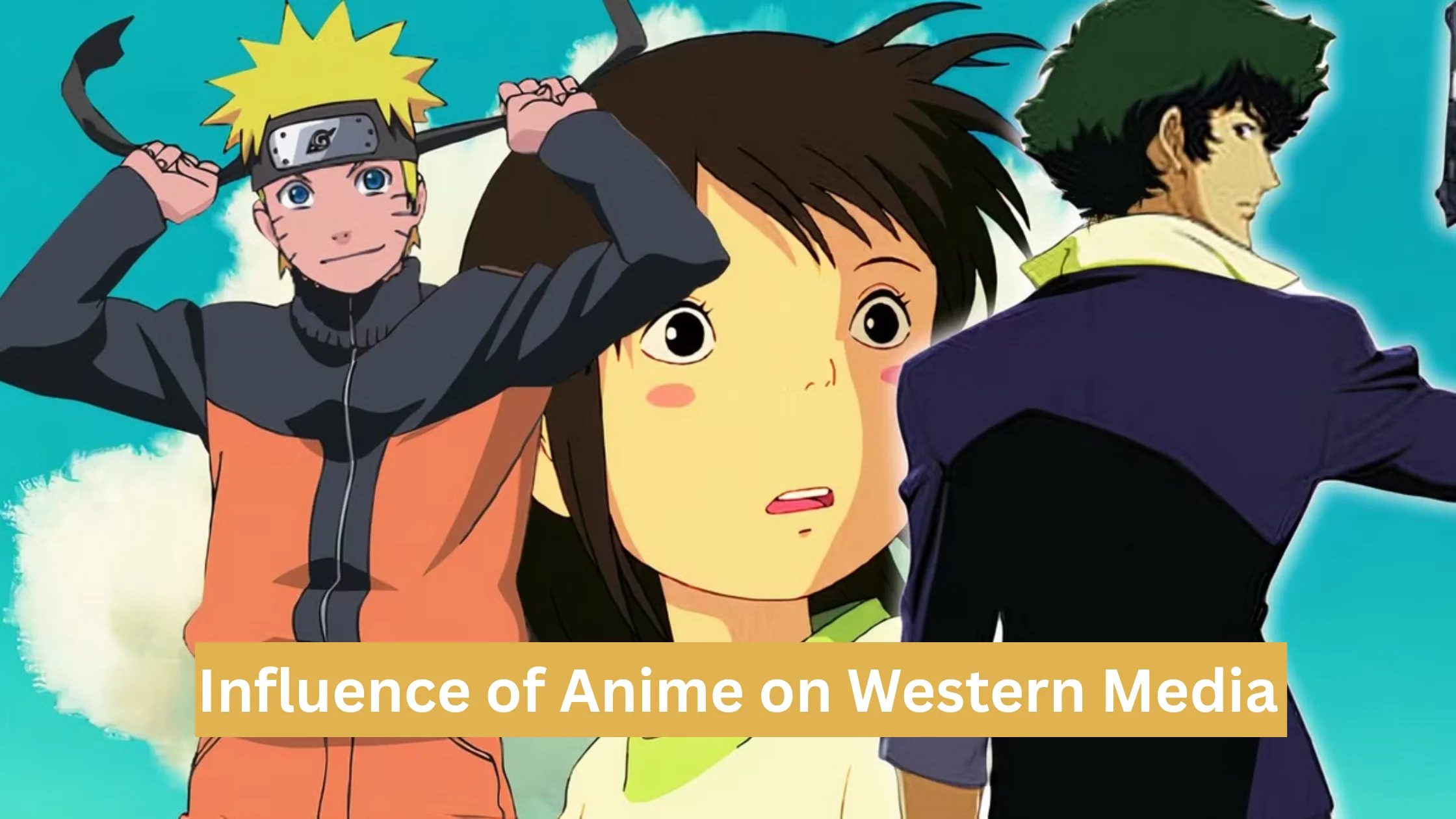
Take Naruto for example. The series is beloved for its intricate world-building, complex characters, and intense battles. Yet, between major story arcs, viewers often found themselves navigating long stretches of side missions, unrelated adventures, and sometimes repetitive training sequences. Some of these filler episodes, like the ones exploring team bonding or character backstories, added emotional depth. Others, however, felt like unnecessary detours that stalled the story, testing even the most dedicated fans’ patience.
Bleach faced a similar challenge. Known for its high-stakes battles and supernatural lore, the anime occasionally inserted entire filler arcs that lasted for dozens of episodes, such as the Bount or Zanpakutō arcs. While these arcs provided creative settings and minor character development, they often disrupted the emotional momentum of the main story, making climactic fights and tense confrontations feel less impactful. For many fans, the abrupt shift from life-or-death battles to filler plots created a jarring experience.
Then there’s One Piece, which handled fillers in a more digestible way. Instead of long arcs, the series relied on short, standalone anime filler episodes. These were often comedic, lighthearted adventures that provided a break from the intensity of the main story. By keeping fillers brief and entertaining, One Piece maintained viewer engagement without significantly interrupting the narrative flow. Episodes like “Chopperman” or the comedic side stories allowed fans to enjoy a lighter tone while still feeling connected to the overall journey.
These examples highlight a key insight: filler frustration usually stems from placement, not mere existence. When fillers interrupt climactic moments or critical plot developments, they can feel like a disruption. Conversely, when used strategically—either to explore side characters, add humor, or provide emotional breathing room—fillers can enhance the overall experience rather than detract from it.
Ultimately, understanding the context of each filler episode helps viewers make informed choices about what to watch and what to skip. While some fillers are notorious, others are hidden gems that enrich the world and characters fans already love.
Narrative Advantages and Drawbacks
Fillers can either strengthen or weaken storytelling depending on execution.
On the positive side, fillers allow breathing room. They explore side characters who rarely get attention. They also expand the everyday life of the world. In character-driven stories, this added time can create emotional depth.
However, poorly written fillers feel like delays. They repeat lessons characters already learned. They introduce villains with no lasting impact. When this happens, viewers feel their time is wasted.
The real drawback is inconsistency. If filler episodes ignore established rules or character growth, they break immersion. Strong fillers respect the core themes of the series.
Fan Attitudes and Expectations
Modern anime fans are more informed than ever. With guides, streaming platforms, and online discussions, viewers know exactly which episodes are filler.
Because of this, expectations changed. Fans now expect constant plot progression. Any pause feels like a flaw. This mindset grew stronger with binge-watching culture, where pacing matters more than weekly viewing.
However, older fans often remember fillers differently. Weekly viewers used fillers as relaxation. They were not rushing toward the ending. The difference lies in how anime is consumed today.
Comedy Filler vs Plot Filler
Not all fillers feel the same. Comedy fillers are generally better received than plot-heavy fillers.
Comedy episodes focus on humor, character interactions, and absurd situations. They do not pretend to move the story forward. Because of this honesty, fans enjoy them more.
Plot fillers attempt to create artificial stakes. These arcs often introduce conflicts that must reset by the end. This makes them feel meaningless.
Examples include beach episodes, festival episodes, and parody specials. These fillers embrace their purpose. They give fans a break without emotional manipulation.
Memorable Fillers That Became Canon-Like
Interestingly, some filler elements became so popular that fans treat them as canon.
Characters introduced in fillers sometimes return. Certain relationships explored in fillers influence later writing. In rare cases, creators acknowledge filler success and integrate ideas into the main story.
These moments prove that filler quality matters more than its label. When writers respect characters and themes, fans respond positively.
Studio Reasons for Production Gaps
Fillers exist because anime production is complex. Animation takes time. Manga releases slower than weekly anime schedules.
Studios face pressure from broadcasters and sponsors. Stopping production risks losing time slots. Fillers become a compromise solution.
In recent years, seasonal anime models have reduced filler reliance. Instead of airing weekly all year, studios release shorter seasons. This approach improves quality but limits episode count.
Older long-running anime did not have this luxury. Understanding production realities helps explain filler existence.
Comparisons with Manga Pacing
Manga pacing differs significantly from anime pacing. Manga readers control speed. Anime viewers experience time linearly.
When anime stretches manga scenes across multiple episodes, even canon material can feel like filler. This blurs the line between true filler and slow adaptation.
Some fans criticize fillers while ignoring pacing issues in canon arcs. Both affect viewer experience. The difference is intent.
Impact on Binge-Watching Culture
Binge-watching changed how fillers are perceived. Watching ten filler episodes in a row feels exhausting. Watching one filler episode weekly feels manageable.
Streaming platforms amplify filler fatigue. This is why skip guides became popular. Viewers want efficiency.
However, binge-watching also allows selective enjoyment. Fans can choose only the fillers they like. This flexibility reduces frustration.
Strategies for Skipping Fillers Without Losing Value
Skipping fillers does not have to mean ignoring them entirely. Many fans follow curated lists that recommend high-quality fillers.
Another approach is thematic viewing. Watch fillers focused on favorite characters. Skip those unrelated to personal interest.
Some fans watch fillers after finishing the main story. This removes pacing pressure and turns fillers into bonus content.
The key is choice. Fillers become enjoyable when viewers control engagement.
Conclusion: Are Anime Fillers Always Bad?
Anime fillers are not inherently bad. They are tools. Like any tool, their value depends on how they are used.
Poorly placed fillers disrupt momentum and frustrate viewers. Well-crafted fillers deepen characters, provide humor, and expand worlds. The problem is not filler itself but inconsistent quality and forced timing.
Modern anime trends reduced filler reliance, yet fillers remain part of anime history. Instead of dismissing them entirely, fans benefit from selective appreciation.
In the end, fillers reflect the evolving relationship between storytelling, production realities, and audience expectations. They deserve criticism when lazy, but also recognition when meaningful.
So next time you see the word filler, pause before skipping. You might discover a hidden gem waiting between the battles.