
Anime often gets attention for fantasy worlds and epic battles, yet some of its most relatable stories unfold in offices, studios, hospitals, and small companies. Anime about working adults shines a light on everyday professional life, turning routine tasks into meaningful narratives. These stories explore ambition, burnout, friendship, and self-worth through jobs that feel familiar to viewers.
What makes workplace anime special is its balance. It can exaggerate reality for humor while still capturing emotional truth. Whether the setting is a corporate office or a creative studio, these series reflect real anxieties and quiet victories. By focusing on adult life, workplace anime expands the medium beyond youth-focused storytelling and connects deeply with mature audiences.
History of Workplace Anime
Anime about working adults did not emerge suddenly. Its roots can be traced back to Japan’s economic growth period when corporate life became a defining social experience. As office culture expanded, storytelling naturally followed.
Early anime often portrayed work indirectly. Characters had jobs, but the focus remained elsewhere. Over time, creators began centering stories around professions themselves. Office routines, deadlines, and workplace relationships became the main narrative drivers.
The rise of adult-oriented anime in later decades accelerated this shift. Studios realized there was a strong audience for stories about working life. These viewers wanted representation beyond school settings.
Economic changes also played a role. Long working hours and job insecurity became common experiences. Anime responded by reflecting these realities. Workplace anime evolved into a space where creators could explore modern identity through labor and career struggles.
Common Character Archetypes
Workplace anime relies on recognizable character types that mirror real offices. These archetypes help viewers connect quickly.
The overworked employee is a staple. This character juggles deadlines, expectations, and exhaustion. They often serve as emotional anchors for the story.
The strict supervisor appears frequently. Sometimes intimidating, sometimes misunderstood, this character represents authority and pressure. Over time, layers are revealed, adding depth.
The enthusiastic newcomer brings optimism. Their fresh perspective challenges workplace norms. They remind others why passion matters.
The quiet expert works efficiently and avoids drama. Their calm presence contrasts with chaos and stress.
By using these archetypes, workplace anime reflects familiar dynamics. However, good series avoid stereotypes by allowing characters to grow beyond their roles.
Satire Versus Realism
Workplace anime often walks a fine line between satire and realism. Some series exaggerate office life for comedy. Absurd meetings, exaggerated bosses, and ridiculous deadlines create humor through recognition.
Other anime choose realism. They portray quiet stress, subtle power struggles, and emotional fatigue. These stories resonate because they feel honest.
Many series blend both approaches. Humor softens heavy themes, making difficult topics easier to engage with. Satire highlights problems without becoming preachy.
This balance allows workplace anime to entertain while still offering commentary. Viewers can laugh at exaggerated scenes and then recognize their own experiences in quieter moments.
Themes of Stress and Camaraderie
Stress is a central theme in workplace anime. Characters face pressure from deadlines, expectations, and self-doubt. These stories do not shy away from burnout or anxiety.
However, camaraderie provides balance. Shared struggles bring characters together. Late nights, failed projects, and small victories create bonds.
Workplace anime often shows how friendship forms naturally through collaboration. Trust builds through shared responsibility. Emotional support becomes as important as professional skill.
This focus on teamwork reflects real working life. Viewers see that success rarely comes alone. Support systems matter.
By highlighting both stress and connection, workplace anime offers a realistic yet hopeful view of adult life.
Studio Focus on Adult Perspectives
Studios that produce workplace anime make a clear and intentional shift in perspective. Rather than centering stories on youthful discovery or coming-of-age moments, these series focus on adulthood. Stability, responsibility, and long-term decision-making sit at the heart of their narratives.
Adult characters face choices that carry lasting consequences. Career direction, financial pressure, and the search for personal fulfillment shape their daily lives. When romance appears, it feels realistic and layered. Relationships grow slowly, influenced by work schedules, emotional fatigue, and unspoken expectations.
To capture this stage of life, studios invest heavily in nuanced writing. Dialogue becomes quieter and more meaningful. Characters express themselves through pauses, glances, and small actions rather than dramatic speeches. Conflicts often unfold internally, reflecting uncertainty rather than external rivalry.
This thoughtful approach attracts viewers who want to see their own experiences represented on screen. Workplace anime offers validation. It acknowledges that growth does not end with youth and that adulthood brings its own form of emotional development.
Viewer Connection to Realistic Struggles
Workplace anime resonates strongly with audiences because it feels grounded in everyday reality. Viewers often see their own lives reflected in the small moments on screen. Deadlines, self-doubt, exhaustion, and quiet determination are experiences many people recognize immediately.
When characters struggle with motivation or fear making mistakes, the emotions feel genuine. These stories do not rush toward success. Instead, they linger on effort. A completed task, a kind word from a coworker, or a moment of personal growth carries real weight because it mirrors real work life.
This familiarity creates empathy. Viewers are not watching distant heroes. They are watching people who stumble, recover, and keep going. Workplace anime often offers reassurance without preaching. It gently reminds audiences that uncertainty and frustration are shared experiences.
Because of this emotional honesty, fans return again and again. Not for spectacle or escapism, but for comfort, recognition, and the quiet feeling of being understood.
Comparison with Western Media
Western workplace media often separates tone very clearly. Sitcoms lean heavily into humor, using exaggerated personalities and recurring jokes to entertain. Workplace dramas, on the other hand, focus on power struggles, ambition, and conflict. In many cases, stories push characters to compete, climb hierarchies, or assert dominance to succeed.
Workplace anime takes a different approach. Instead of choosing between comedy or drama, it blends both naturally. Light humor exists alongside emotional reflection. A quiet lunch break or an awkward meeting can carry as much meaning as a major confrontation. These understated moments give anime its emotional depth.
Another key difference lies in how success is portrayed. Anime frequently emphasizes group harmony and shared responsibility. Progress happens through cooperation, patience, and mutual support rather than individual triumph. Characters grow together instead of standing above others.
These storytelling choices reflect cultural values rooted in balance and collective effort. For global viewers, workplace anime feels refreshing. It presents professional life not as a battlefield, but as a shared journey shaped by relationships, routines, and quiet resilience.
Animation Style for Professional Settings
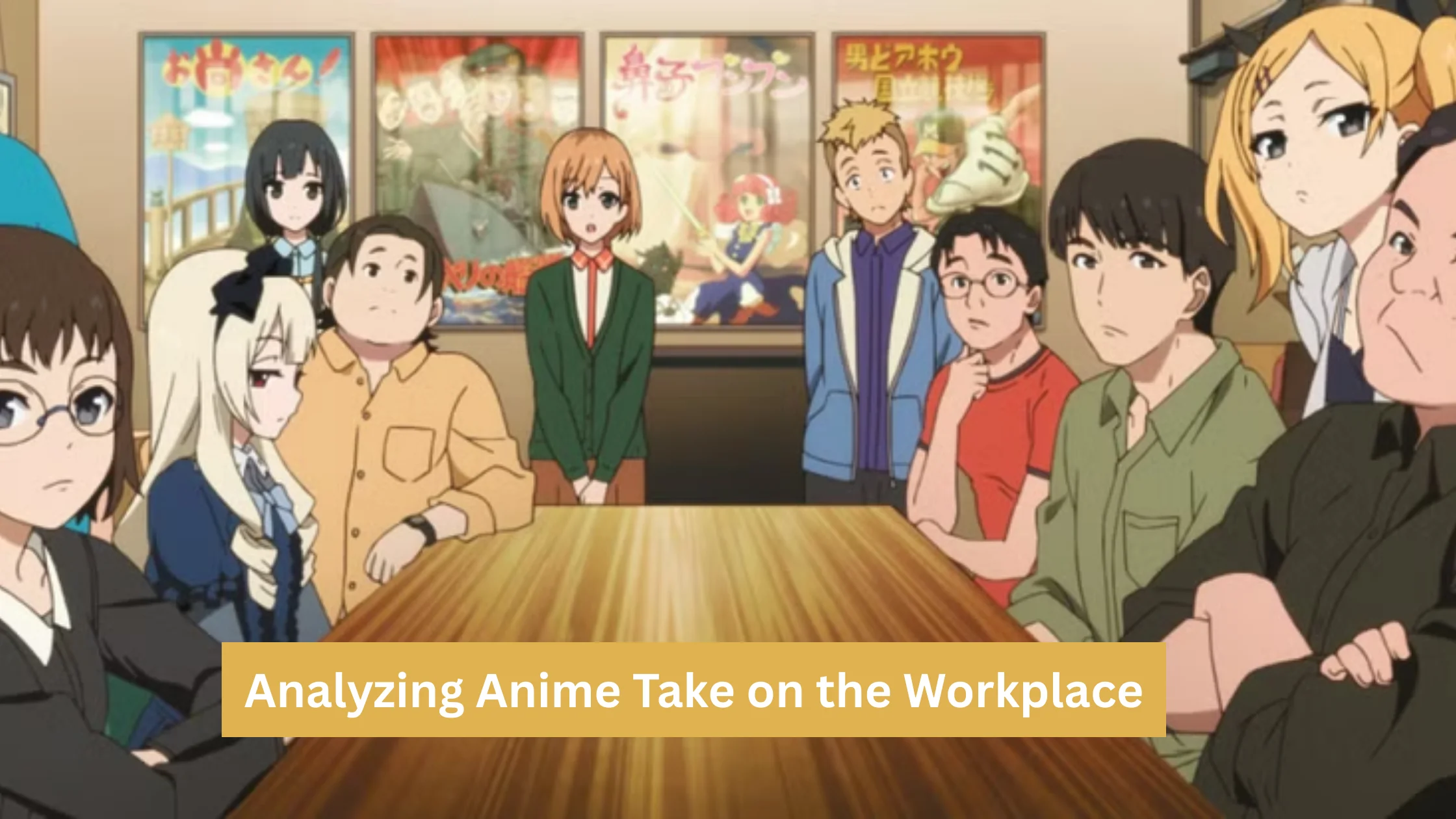
Animation style plays an important role in shaping the tone of workplace anime. Rather than relying on flashy visuals or exaggerated motion, studios usually choose clean, restrained designs that reflect everyday professional life. This visual simplicity helps ground the story and keeps the focus on characters and emotions.
Office environments are carefully constructed. Desks are cluttered with papers, computers hum quietly, and fluorescent lighting casts a soft, realistic glow. These details may seem small, but together they create spaces that feel lived in. Viewers can easily recognize these settings, which strengthens immersion.
Movement is often subtle. Animators emphasize routine actions such as typing, walking through hallways, or pausing during meetings. These quiet motions reflect the rhythm of daily work and give scenes a sense of authenticity.
Color palettes tend to stay muted and calm. Neutral tones support the mature mood of the story and prevent distractions. By anchoring visuals in realism, workplace anime creates an atmosphere that feels honest, relatable, and emotionally grounded.
Fan Reception of Salaryman Tropes
The salaryman has become one of the most recognizable figures in workplace anime. Dressed in suits and burdened by routine, this character often represents dedication, responsibility, and quiet endurance. Because of this, fan reactions tend to be deeply divided.
Many viewers appreciate how honestly these anime portray commitment and sacrifice. For some, the salaryman character feels familiar and comforting. It reflects real effort, perseverance, and the pride of fulfilling one’s role despite daily pressures. These portrayals can feel validating, especially to audiences who see their own lives mirrored on screen.
At the same time, criticism is common. Some fans argue that workplace anime risks normalizing exhaustion and unhealthy work habits. Long hours and emotional burnout, when shown without challenge, can feel like silent approval of overwork culture.
These differing reactions spark meaningful conversations within fan communities. Online discussions, reviews, and essays often debate where storytelling ends and social responsibility begins. Through this dialogue, anime becomes more than entertainment. It becomes a lens for examining modern work life and its emotional cost.
Future Possibilities for Workplace Anime
Workplace anime is far from reaching its limits. In fact, its future looks more diverse than ever. As real-world work environments continue to change, anime has new spaces to explore and new stories to tell. Traditional office settings are no longer the only stage for professional life, and anime is beginning to reflect that shift.
Remote work opens the door to quieter, more introspective storytelling. Characters working from home face isolation, blurred boundaries between personal and professional life, and the challenge of staying motivated without direct human contact. These themes offer emotional depth that fits perfectly within the workplace anime genre.
Creative freelancing and startup culture also present exciting possibilities. Stories can focus on uncertainty, risk-taking, and the pressure of building something from nothing. Unlike rigid corporate hierarchies, these environments highlight passion, failure, and self-belief.
As society redefines what work means, workplace anime will continue to adapt. Its greatest strength remains its ability to mirror real experiences, making everyday struggles feel seen and understood.
Conclusion
Anime’s portrayal of the workplace offers insight into modern adult life. Through relatable characters and thoughtful storytelling, anime about working adults explores stress, ambition, and human connection.
By balancing realism with humor, these stories reflect real experiences while remaining engaging. Studios focus on emotional depth and authentic environments, creating narratives that resonate with mature audiences. Compared to Western media, anime emphasizes collaboration and quiet growth.
As work culture continues to change, workplace anime will evolve alongside it. These stories remind viewers that work is not just labor. It is a space for growth, relationships, and self-discovery.