Anime fandom has changed more in the last decade than it did in the previous thirty years. Once upon a time fans waited patiently for late-night TV slots or depended on DVDs shared among friends.
Today a single click opens the door to thousands of anime titles from across decades and genres. Streaming platforms have not just changed how anime is watched. They have reshaped how fans connect, how studios plan projects, and how anime culture spreads across the globe.
This shift did not happen overnight. It grew alongside better internet access, global demand, and changing viewing habits. As streaming services invested heavily in anime, the fandom followed closely.
As a result anime has become more accessible, more social, and more influential than ever before. Let’s explore how streaming platforms have impacted anime fandom from every angle.
Streaming vs. Traditional Broadcasting
Before streaming, anime followed rigid broadcasting rules. Television schedules controlled when episodes aired. Viewers had to adjust their lives around time slots. Missing an episode often meant waiting for reruns or buying physical media later. This model limited access and slowed fandom growth.
Streaming platforms flipped that structure completely. Episodes became available on demand. Fans could watch anytime and anywhere. This freedom encouraged deeper engagement. Viewers could rewatch scenes, pause for analysis, or trait entire seasons without interruption.
Traditional broadcasting also focused on local audiences. Streaming platforms, however, operate globally. A single release can reach millions across different countries within hours. This global reach helps anime grow beyond niche status.
Additionally, streaming platforms collect viewer data. Studios gain insights into audience preferences. This feedback loop influences future storytelling decisions. Compared to traditional broadcasting, streaming offers flexibility, speed, and direct connection. It reshapes how anime is consumed and how fandom evolves.
Licensing Trends
Licensing has always been a complex part of anime distribution. In the past, rights negotiations were slow and fragmented. Different companies owned rights in different regions. Fans often faced incomplete seasons or missing episodes.
Streaming platforms streamlined this process. Large services negotiate global or multi-region licenses. This approach reduces delays and increases consistency. Fans can now follow a series without worrying about sudden removals or regional gaps.
At the same time licensing competition has intensified. Major platforms compete aggressively for exclusive titles. This trend benefits studios financially but can frustrate fans who subscribe to multiple services just to follow their favorite shows.
Another noticeable trend is shorter licensing windows. Some platforms rotate titles to manage costs. While this creates urgency for viewers, it also encourages trait-watching and faster engagement.
Licensing has also expanded beyond TV series. Movies, OVAs, and spin-offs now appear on streaming platforms faster than before. This wider availability helps fandoms stay active year-round rather than fading between seasons.
Overall licensing trends reflect the growing value of anime as global entertainment.
Influence on Series Popularity
Streaming platforms play a powerful role in shaping which anime becomes popular. Algorithms recommend shows based on viewing history. As a result hidden gems can suddenly gain massive attention.
In the past popularity depended on TV ratings and physical sales. Today metrics include watch time, completion rates, and social media buzz. A strong opening episode can push a series into trending lists within days.
Streaming also allows older anime to find new audiences. Classic series gain renewed popularity when added to popular platforms. New fans discover them organically and share recommendations online.
Another key factor is accessibility. When a show becomes available worldwide at once, discussions explode across social media. Memes, fan art, and theories spread quickly. This shared experience boosts visibility and emotional investment.
Streaming platforms also promote certain titles heavily. Banner placements and curated lists influence viewer choices. While this raises concerns about fairness, it undeniably shapes fandom trends.
In many cases streaming popularity directly affects a series’ longevity and future adaptations.
Economic Impact for Studios
The financial impact of streaming platforms on anime studios is significant. Traditionally studios relied on DVD sales, TV sponsorships, and merchandise. These revenue streams were unpredictable and often risky.
Streaming introduced new income models. Licensing fees provide upfront funding. This stability helps studios manage production schedules and pay staff more reliably. Some platforms also co-produce anime which reduces financial pressure.
However, challenges remain. Not all deals are equal. Smaller studios sometimes receive limited compensation despite high viewership. Transparency around revenue sharing is still evolving.
On the positive side global exposure increases long-term value. Successful streaming titles boost merchandise sales and international partnerships. Studios gain leverage when negotiating future projects.
Streaming platforms also fund experimental projects. Unique storytelling styles and niche genres now find support because platforms value diverse libraries.
While the economic balance is still shifting, streaming has undeniably expanded financial opportunities for studios.
International Release Schedules
International release schedules were once a major frustration for anime fans. Shows aired months or even years after their Japanese release. This delay created spoilers and fractured discussions.
Streaming platforms solved this problem by aligning release schedules globally. Many anime now debut internationally within hours of Japanese broadcast. Fans worldwide experience episodes together.
This change strengthens fandom unity. Discussions feel more inclusive. No one feels left behind. Global fan reactions influence trends instantly.
Simultaneous releases also reduce piracy. When legal options exist quickly, fans prefer official platforms.
However time zone differences still affect viewing habits. Some fans stay up late to watch episodes as soon as they drop. Others wait until the next day. Even so the shared release window keeps conversations active.
International scheduling has become one of the most appreciated benefits of streaming for anime fandom.
Viewer Trait-Watching Behaviors
Trait-watching is one of the most visible changes introduced by streaming platforms. Entire seasons become available at once. Fans can watch at their own pace.
This behaviour alters emotional engagement. Watching multiple episodes back-to-back intensifies immersion. Story arcs feel more cohesive. Character development becomes clearer.
However, trait-watching also shortens discussion cycles. Conversations peak quickly, then fade. Weekly anticipation disappears for some shows.
Streaming platforms balance this by mixing release models. Some anime drop weekly episodes to maintain engagement. Others release full seasons for immediate consumption.
Trait-watching also influences content creation. Studios consider pacing differently. Cliffhangers and episode structure adapt to marathon viewing.
Overall, trait-watching reflects modern consumption habits, and streaming platforms continue refining how they use it.
The Rise of Simulcasts
Simulcasts represent one of the biggest milestones in anime streaming. They allow episodes to air online almost simultaneously with Japanese broadcasts. This practice changed fandom culture dramatically. Fans no longer wait weeks for translations. Official subtitles appear quickly and consistently.
Simulcasts reduce piracy and support creators directly. They also encourage live reactions and real-time discussions across platforms.
Streaming services invest heavily in subtitle quality and localization. This effort improves accessibility for non-Japanese audiences. Simulcasts also create global hype. Episode premieres become events. Fans share reactions instantly through social media.
While simulcasting requires logistical coordination, its success proves the power of global synchronization in fandom engagement.
Changes in Fan Community Formats
Anime fandom communities have evolved alongside streaming platforms. In the past fans gathered on forums and small fan sites. Today, communities thrive on social media, Discord servers, and streaming comment sections.
Streaming platforms encourage interaction through recommendations and watch history sharing. Fans connect through shared viewing experiences.
Short-form content plays a major role. Clips, edits, and reaction videos spread rapidly. This format attracts new fans and keeps discussions lively. Fan communities also organize virtual watch parties. These events recreate the excitement of group viewing despite physical distance.
Streaming platforms indirectly influence community tone. Algorithm-driven trends shape which shows dominate conversations. Overall, fandom has become more dynamic, more visual, and more global.
Merchandising Tie-Ins
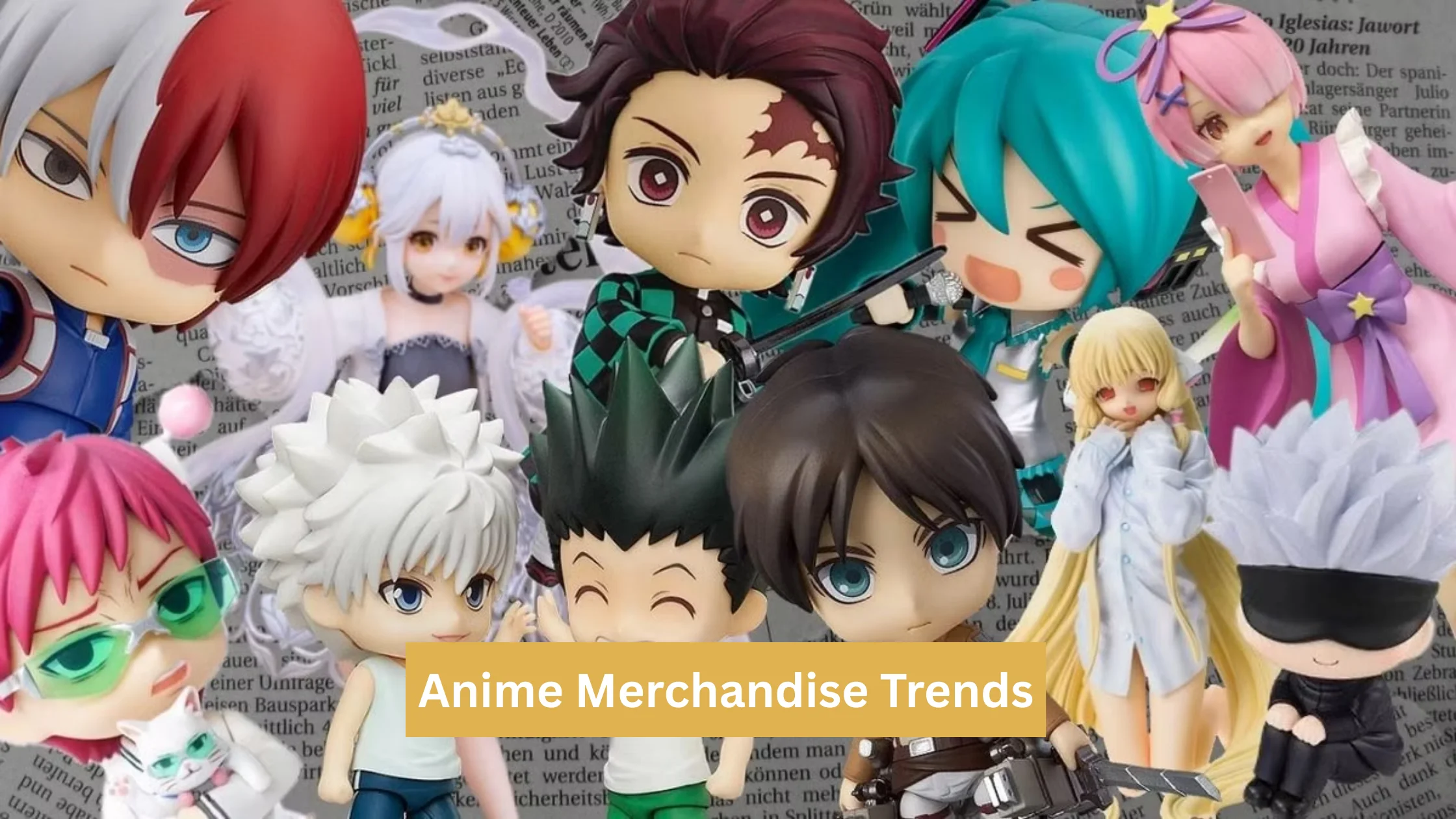
Merchandising has always been vital to anime economics. Streaming platforms amplify this connection. Popular streaming titles quickly generate figures, apparel, and collectibles. Global exposure increases demand beyond traditional markets.
Platforms often collaborate with merchandise brands for promotions. Limited edition items appear alongside new releases. Streaming data helps studios identify popular characters and themes. This insight guides merchandise development more accurately.
Digital merchandise also emerges. Wallpapers, avatars, and in-app items expand fandom expression. Merchandising now benefits from faster feedback loops thanks to streaming visibility.
Studio Perspectives on Digital Futures
Anime studios increasingly view streaming as the future. Digital platforms offer stability, reach, and creative freedom. Studios appreciate predictable funding and global audiences. They also value data insights that inform creative decisions.
However, concerns remain. Creative control and revenue fairness are ongoing discussions. Studios aim to balance artistic integrity with platform demands.
Many studios now design projects specifically for streaming audiences. Episode lengths and pacing reflect modern viewing habits. Some studios explore direct partnerships or exclusive releases. Others diversify across multiple platforms. Despite challenges, studios recognize that streaming is essential for long-term growth and global relevance.
Conclusion
Streaming platforms have reshaped anime fandom in powerful ways. They replaced rigid schedules with freedom and turned regional content into global culture.
Fans now connect instantly across borders while studios gain new opportunities to grow creatively and financially. Although challenges remain around licensing and revenue balance, the benefits continue to outweigh the risks. Anime fandom today feels more inclusive, more active, and more influential than ever before.
As streaming platforms evolve, they will keep shaping how stories are told and shared. One thing is clear. Anime has entered a digital era that continues to expand its reach and strengthen the bond between creators and fans worldwide.