Food is something that connects us all. We eat to survive, to celebrate, to comfort ourselves, and to bring people together. Anime has long understood this truth.
Whether it’s a steaming bowl of ramen, an elegant kaiseki feast, or a wild competitive eating contest, food in anime goes beyond mere sustenance. It reveals character, builds community, highlights culture, and sometimes steals the entire show.
In this article, we’ll explore how food shows up in anime — from dedicated food genres to symbolic uses, from recipes that inspire real-world kitchens to its role in tourism. Along the way, we’ll see why food is more than a background detail. In anime, food is a language of emotion, culture, and meaning.
Popular Food Anime Genres
Anime has many genres action, romance, horror, sci-fi but food has carved out its own space as well. Food-focused anime aren’t just spin-offs or extras. They are beloved shows that treat cooking and eating as central storytelling elements.
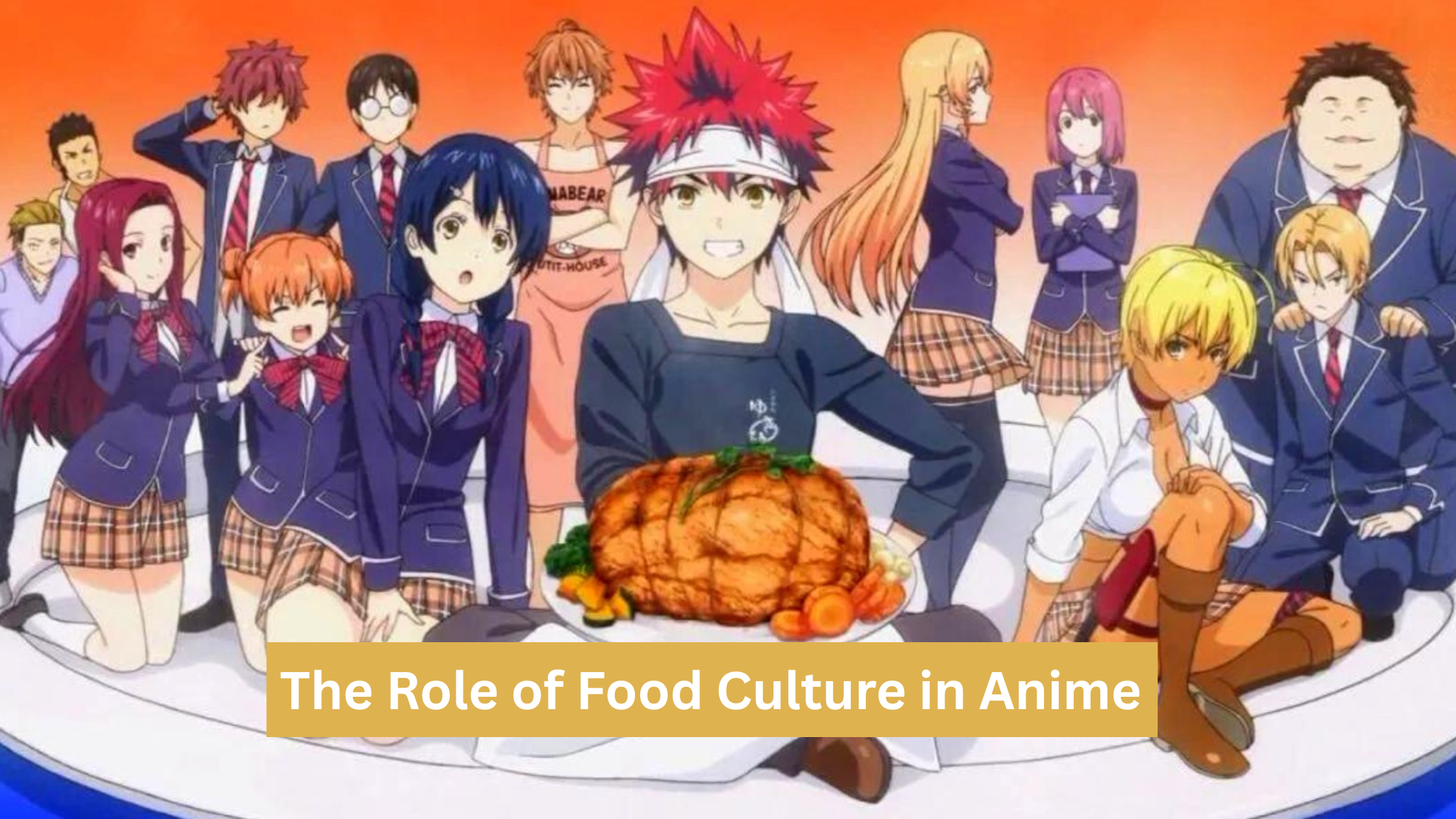
One of the most popular food anime is Shokugeki no Soma (Food Wars!). It blends intense cooking battles with over-the-top reactions that turn every slime or savory bite into a theatrical moment. The series uses food as competition, art, and self-expression, drawing in viewers who might not even cook themselves.
Another genre favorite is Isekai food stories where the protagonist works in a kitchen in a fantasy world, like Restaurant to Another World. These series mix daily life with delicious dishes, inviting viewers into a world where eating is both magic and comfort.
There are also soothing, slice-of-life food anime such as Sweetness & Lightning and Ramen Daisuki Kojiro. They show food as family glue something that brings people closer and softens everyday struggles.
This variety shows how food can be more than a theme. It becomes a lens through which we experience character growth, cultural context, and emotional connection.
Japanese Culinary Traditions
For many international viewers, anime serves as an introduction to Japanese cuisine. Rice, miso soup, tempura, and sushi are common staples, but anime goes deeper than just basics. It introduces authentic traditions and regional specialties with respect and care.
Take ramen, for example. Shows like Ramen Daisuki Kojiro explore the craft behind each bowl. They don’t just show it being eaten. They zoom in on broth simmering, noodles being hand-made, and toppings arranged with precision. You begin to understand the heritage behind each recipe.
Another cornerstone is bento culture. Bento boxes appear in many anime as expressions of care. A parent lovingly prepares a child’s lunch before school. Friends share lunch on a picnic blanket. The arrangement of food reflects not only taste but thoughtfulness.
Anime also introduces seasonal Japanese delicacies. In spring, characters enjoy hanami dango during cherry blossom viewing. In autumn, matsutake mushrooms and chestnuts take center stage. In winter, hot pots like nabe warm chilled hearts.
By weaving culinary tradition into story, anime invites viewers to appreciate the depth of Japanese food culture not just as flavor, but as ritual and memory.
Symbolic Uses of Food
Food in anime often carries symbolic meaning. It can represent comfort, memory, conflict, identity even redemption.
One classic example is from Naruto. Naruto’s love for ramen at Ichiraku isn’t just about hunger. It signals belonging. As an orphaned child who struggled to connect with others, Naruto finds warmth and acceptance around a bowl of ramen. This simple dish becomes a symbol of friendship, acceptance, and home.
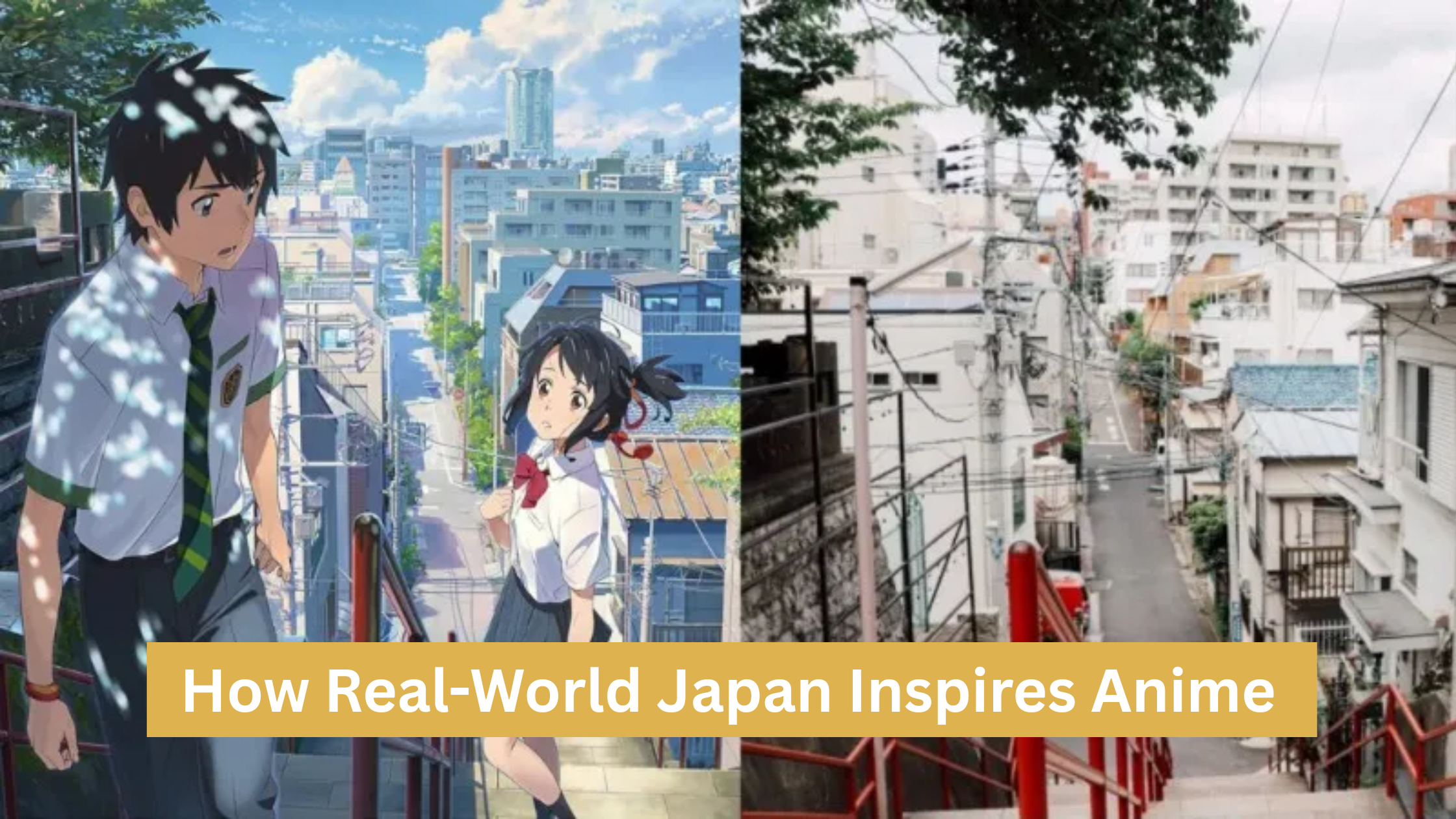
Similarly, in Your Name, the memory of a snack eaten at a countryside festival becomes a trigger for recollection and longing. Food in that story anchors moments in time and emotion.
Food can also symbolize conflict. In Food Wars!, the reactions to dishes turn into dramatic expressions that reveal characters’ deepest desires and insecurities. Every spice, texture, and pairing becomes a statement about identity and intention.
Through these symbolic uses, anime transforms food into a narrative device a language that speaks without words.
Food as Healing and Conflict
Food isn’t only comfort in anime it can also heal or ignite conflict. In slice-of-life stories, a home-cooked meal often heals emotional wounds. Characters burdened by sadness or loss find solace in shared cooking.
A simple curry, grilled fish, or bowl of rice becomes a way to gather strength and trust. Sweetness & Lightning shows this beautifully, as a father learns to cook with his daughter and finds emotional healing through the process.
In contrast, food can spark intense conflict. Food Wars! turns cooking into battle. Chefs compete on flavor, creativity, and technique. The outcomes of these clashes shape reputations and futures. The kitchen becomes a battleground where pride, style, and emotion all play a role.
Both of these portrayals remind viewers that food is deeply emotional. It can comfort us when we are low, or challenge us when we are ambitious. It reflects life’s duality nourishing and competitive all at once.
Recipes Inspired by Anime
One of the most delightful outcomes of anime’s focus on food is the real-world innovation it inspires. Fans around the world attempt recipes based on dishes seen on screen. Whether it’s recreating a magical stew or a school lunch box, people want to taste anime.
Social platforms are full of creators posting recipes for:
- Onigiri shaped like characters
- Ramen bowls styled after anime aesthetics
- Sweet treats inspired by festival scenes
- Bento boxes with themed decorations
Cooking based on anime isn’t just about taste. It is about the experience of connection. People share photos with hashtags, teach friends how to make the dish, or cook together in community kitchens. It becomes a shared ritual, turning the fictional food into a real memory.
Even cafes and restaurants in Japan offer limited-edition anime meals. These collaborations turn fiction into culture, allowing fans to physically taste their favorite shows.
The popularity of anime-inspired recipes shows how storytelling and cuisine can merge into a shared cultural experience.
International Cuisines in Anime
While Japanese food culture dominates many series, anime increasingly portrays international cuisine. This inclusion reflects both Japan’s cultural openness and anime’s global audience.
Shows like Magi: The Labyrinth of Magic include Middle Eastern flavors. Isekai Izakaya: Japanese Food from Another World brings European diners into a Japanese pub, showing cross-cultural reactions to food.
Other anime show characters trying Western sweets, mastering French cooking techniques, or opening fusion cafes. These portrayals are not just token appearances of foreign food. They highlight how culinary traditions can cross boundaries and inspire curiosity.
International dishes in anime help broaden viewers’ perspective. Through storytelling, people learn not just about how food tastes, but where it comes from, how it’s shared, and what it represents in different cultures.
Anime’s Influence on Tourism
Food in anime can even impact travel and tourism. When a series highlights regional dishes or local specialties, fans take notice. People start planning trips to taste these foods in their real settings.
This phenomenon, known as anime tourism, has boosted towns across Japan. Locations featured in food anime often see an increase in local visitors who want to eat at the real restaurants or cafes that inspired certain scenes.
For example, fans visit areas known for specific noodles, sweets, or traditional meals depicted in anime. Local businesses sometimes embrace this by offering themed menus or special events tied to the anime. It creates a cultural exchange between fans and communities.
This effect shows how food doesn’t just fill the stomach it ties people to place, memory, and shared experience.
Representation of Holidays and Seasons
Food plays an important role in representing festivals, holidays, and seasonal changes in anime. Many shows use traditional celebrations as backdrops to share heartwarming scenes centered on special meals.
- New Year’s Osechi in anime shows families gathering around colorful boxes of symbolic dishes.
- Summer festivals highlight sweet shaved ice, grilled squid, and festival snacks.
- Cherry blossom picnics often include beautifully arranged boxes of sushi and dumplings.
These scenes do more than show food. They show how eating marks time and occasion. Food becomes a way to celebrate the world’s rhythms. When characters gather around a table for a seasonal feast, viewers feel that sense of time passing, tradition living on, and memory being made.
Food in these contexts becomes a marker of shared humanity something that transcends story and enters everyday life.
Eating Contests and Humor
No discussion of anime food culture would be complete without mentioning the lighter side of eating the contests and comedy. Many anime use exaggerated eating sequences to deliver humor, shock value, or just pure fun.
Shows like Toriko and Food Wars! often feature over-the-top eating scenes. Characters consume massive portions with dramatic sound effects and wild expressions. These moments are funny and absurd, but they also show how food can be a playful way to bond characters and entertain audiences.
Eating contests in anime often become a spectacle not a serious plot point, but a memorable one. Viewers laugh, cheer, and sometimes cringe as competitors devour unbelievable quantities. These scenes celebrate food and fun in equal measure.
In a world where many battles and dramas unfold, eating contests provide light relief and a chance to enjoy pure spectacle centered on food.
The Future of Food Themes in Anime
As anime continues to grow and diversify, food themes are likely to remain central for several reasons. First, food is universal. No matter where you live, you can relate to eating, sharing meals, and even food memories. That makes food-centered anime accessible to a wide audience.
Second, food themes allow creators to explore emotion without high stakes or intense conflict. A beautifully animated cooking sequence can convey care, nostalgia, and connection in ways that dialogue sometimes cannot.
Third, as the world becomes more interconnected, anime will continue to adopt and adapt global culinary traditions. We may see more shows that explore fusion cuisine, food anthropology, kitchen adventures across cultures, and food as identity.
We may also see innovations in how food is presented from immersive sound design that makes eating scenes feel more sensory, to interactive media tied to anime food experiences.
In all these futures, one thing remains clear: as long as humans eat, food will remain a meaningful and emotional part of anime.
Conclusion
Food in anime is more than background. It is a story, culture, emotion, and identity. Anime uses food to show tradition, heal hearts, spark conflict, and create community. Whether it’s a father learning to cook for his child, a fierce cooking battle, or a quiet family feast under cherry blossoms, these scenes reflect real life in a way few other themes can.
Food builds bridges between characters and viewers. It invites audiences into shared experiences of taste, memory, and emotion. From Japanese staples to international delicacies, anime celebrates the joy of eating and the power of food to connect us across time, place, and culture.
So the next time you watch a character savor a bowl of soup, take a moment to appreciate what that scene really represents a universal story told through the simplest and most meaningful act of all: breaking bread together.
Read More: