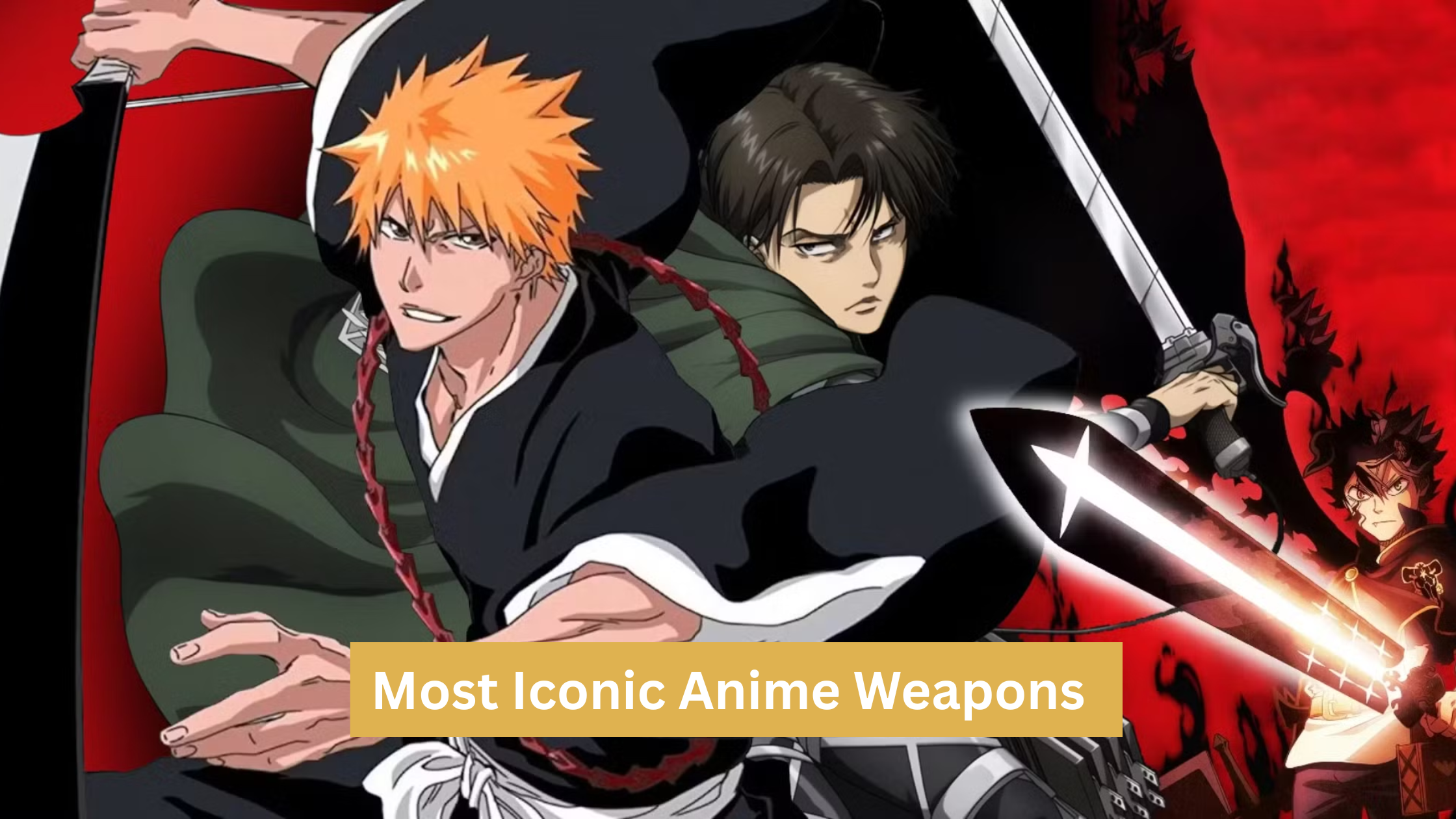
Few things draw anime fans more than the weapons — swords, guns, relics — that characters carry into epic battles. These are not just tools for fighting. They become symbols of identity, legacy, emotion, and power. An iconic weapon can define a show, a hero, or even an entire generation of fans.
In this article, I break down what makes a weapon iconic in anime, highlight some of the most legendary blades and gear from across genres, and explore how these weapons influence cosplay, fan culture, and the overall identity of anime itself.
Defining What Makes a Weapon Iconic
Before we race into flashy swords and magical relics, it helps to ask — what counts as iconic in anime weaponry? In my view, a weapon becomes iconic when it checks several boxes:
- Recognizable design — Even outside its anime, the weapon should be visually distinct enough that fans know what it is.
- Emotional or symbolic weight — The weapon represents something deeper: a promise, a legacy, a personal struggle, or a moral code.
- Story impact — It changes the course of battles, shapes character arcs, or embodies critical moments in the narrative.
- Longevity and influence — Even years after an anime ends, the weapon is remembered, referenced, and loved. It lives beyond its original story.
When a weapon hits all these marks, it becomes more than steel or magic — it becomes part of anime history.
Swords and Blades in Shonen and Beyond
Swords remain perhaps the most iconic weapons in anime. Their long history in Japanese storytelling, their symbolic weight, and the dramatic potential of sword fights combine to make blades highly influential.
Zangetsu (Bleach)
Few swords embody the journey of a hero better than Zangetsu. As the main blade of the protagonist, it evolves with him. Its transformations — from oversized cleaver-like form to sleek “Bankai” blade — mirror the character’s spiritual growth, inner conflict, and rising power. Many consider Zangetsu the emblematic shonen sword.
Tessaiga (Inuyasha)
Forged from a demon’s fang, Tessaiga symbolizes the dual nature of its wielder — human and demon — and the struggle between power and compassion. Its ability to slay demons en masse, while also protecting allies, ties directly to the show’s themes of redemption and identity.
Dragon Slayer (Berserk)
Not all iconic swords are sleek or elegant. Dragon Slayer is a massive, brutal blade built for sheer destructive force. Its weight, size, and raw appearance make it memorable. In the hands of its wielder, it embodies rage, survival, and relentless willpower. Its legacy endures precisely because it rejects elegance in favor of visceral power.
Excalibur (as in the Fate/stay night series)
Borrowed from Arthurian legend but reimagined through anime lenses, Excalibur represents nobility, destiny, and sacrifice. As a magical sword wielded by a heroic spirit, it carries weight not just in battles but in mythos. Its presence reminds viewers that swords can be more than weapons — they can be ideals.
Others
Swords like Zoro’s Enma from One Piece, or dual-blades wielded by protagonists in series like Sword Art Online — such as the pair Elucidator and Dark Repulser — have added variety to how swords are used in anime. These blades earned fans for their roles in high-stakes fights, character growth, and visual flair.
But iconic weapons in anime don’t stop at swords.
Magical Items in Fantasy Genres
When anime steps beyond swordsmanship into magic, relics, or supernatural powers, weapons often carry deeper symbolism. Magical items amplify a character’s inner strength, often tying power to moral or emotional themes.
Take a magical sword that glows with energy at the protagonist’s emotional high point. Or a relic that grants power at the cost of sanity. These items often become metaphors for struggle, sacrifice, ambition, or heritage. Their appeal lies not in realism, but in emotional and symbolic magnitude.
A fan-favourite example: Excalibur again embodies nobility and divine right. Another: relics in fantasy anime where magic swords bind to souls — linking identity with weapon. These weapons blur the line between power and personality.
Magical weapons resonate because they turn internal conflict into external spectacle. They make invisible struggles visible. And fans often connect deeply with that.
Mecha and Technological Armaments
Not all anime weapons are handheld. In mecha and sci-fi series, weapons become vehicles — literal and metaphorical. Giant robots, energy cannons, transformation algorithms — they speak to scale, destiny, and the human machine interface.
Some of the most memorable battles in anime rely on technological weapons: mecha suits, energy rifles, futuristic blades. These ranged or mechanical weapons define entire worlds, shape political conflicts, and explore themes like war, identity, and humanity in a mechanized age.
These weapons gain iconic status because they combine: impactful design + thematic depth + thrilling conflict. When a mecha’s weapon system reflects the pilot’s psychology — such as isolation, determination, guilt — every fire-beam becomes emotionally charged.
Symbolism and Legacy Behind Weapons
Why do fans still remember swords and tools from decades-old anime? Part of it is design. But more importantly, a weapon becomes iconic when it carries meaning.
- A sword forged from a loved one’s remains becomes a symbol of remembrance and grief.
- A cursed blade may represent the burden of power.
- A magical relic might embody hope, redemption, or fate.
These layers give weapons emotional resonance. They become more than tools — they become characters in their own right.
Legacy also plays a role. When a sword passes from mentor to student or from one generation to another, it connects stories, time, and fans. It binds fictional history with real-world nostalgia. Those bonds help weapons transcend their shows.
That’s why many fans feel a sense of loss or pride when a famous weapon appears in a new anime or a remake. It’s not just nostalgia — it’s reverence for legacy.
Influence on Fan Merchandise
Iconic weapons rarely remain confined to screens. They often spawn merchandise — replicas, cosplay props, art prints, phone covers, and more.
For many fans, owning a replica of a legendary sword is a way of connecting with the story. It’s a tangible piece of the world. For collectors and cosplayers, it becomes part of identity.
The rise of high-quality cosplay weapons and props shows how much influence these anime weapons carry. Sellers know there’s demand not just among casual fans but passionate collectors. Some weapons remain top-selling items for years.
This merchandising factor reinforces a weapon’s iconic status. If you see a sword on a t-shirt, a poster, or a cosplay photo, chances are you’ll recognize it — even if you haven’t seen the anime. That is the mark of a truly iconic weapon.
Battles That Popularized Them
Often a weapon does not become legendary because of design alone. It becomes legendary because of the moments tied to it — fights, sacrifices, growth, triumphs.
- When a sword-wielding hero defeats a seemingly invincible villain, the energy slash echoes through fandom history.
- When a hero’s blade breaks and comes back stronger, fans feel that rebirth.
- When a weapon carries emotional weight — like the sword representing family, or vengeance — the fight becomes more than action: it becomes catharsis.
Weapons become iconic when they are part of defining scenes. When an attack, a last stand, or a breakthrough changes not only plot but emotion.
For example: a climactic moment in a legendary anime where the hero unleashes their ultimate attack with a cherished blade — that scene cements the weapon’s place in fan memory. Not just as a tool, but as a symbol of triumph or tragedy.
Cosplay Popularity
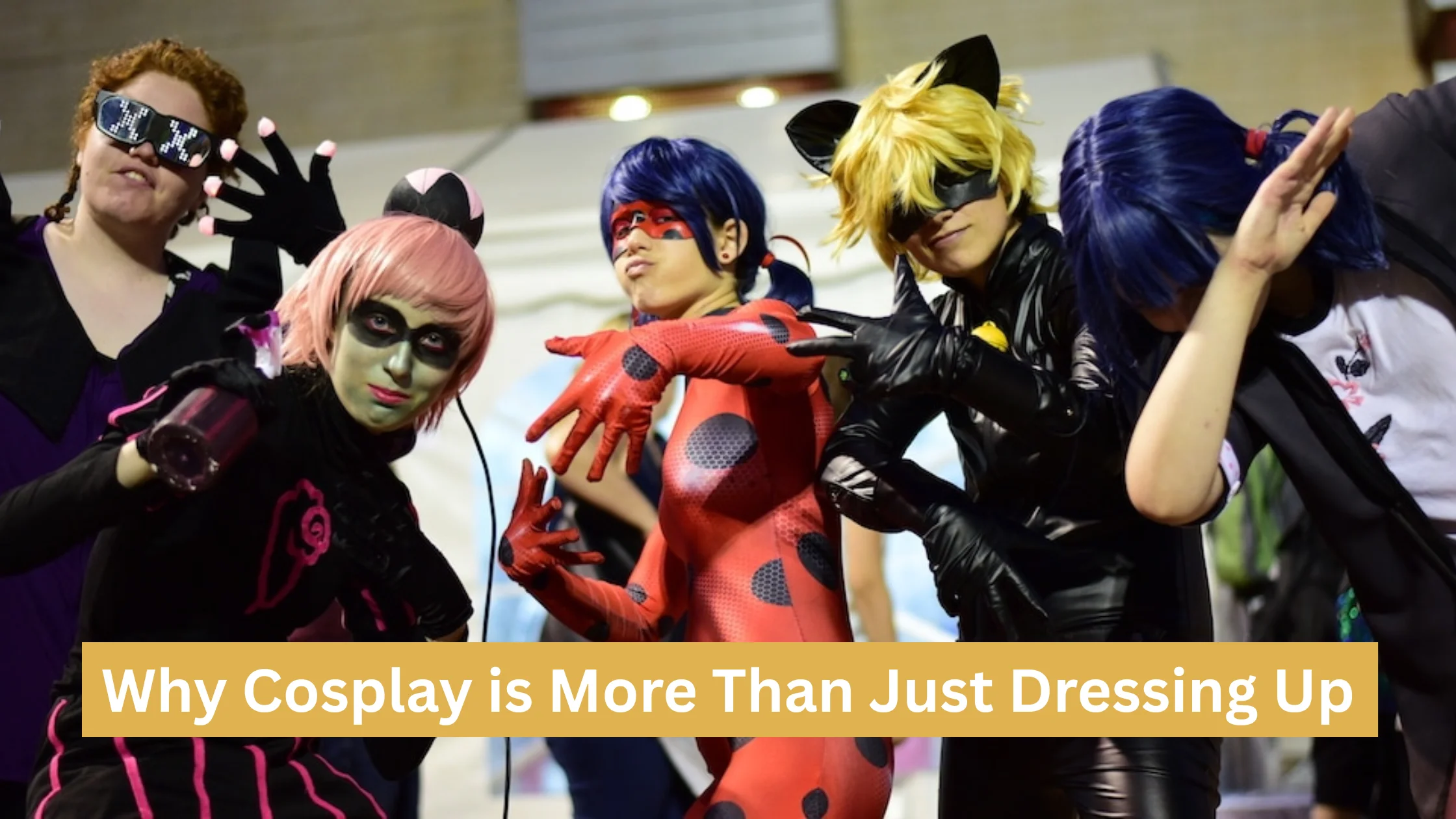
Cosplay culture thrives on iconic weapons. When a weapon is instantly recognizable, a cosplay photo gains instant meaning. Fans see the sword and connect with the character and memories.
Because of this, weapons with striking design and clear silhouette become cosplay staples. Oversized swords, glowing blades, dual swords — these are fan favorites.
Cosplayers often choose weapons not just for looks but for emotional resonance. A sword that represents justice, or sacrifice, or legacy — carries weight. Holding it becomes a statement, an homage.
Through cosplay, these weapons travel beyond anime fandom — they become part of pop-culture identity. That reach adds to their legendary status.
Crossovers and Universal Appeal
Some anime weapons manage to cross the boundaries of their own universes. They appear in video games, fan art, memes, and crossovers. Because they carry strong identity and design cues, they translate well even outside original context.
A fan of action anime might recognize a sword silhouette in a completely different show. A gamer may choose a replica blade as their avatar’s weapon. These crossovers help keep the weapon alive across media — not just bound to one anime.
This universal appeal ensures iconic weapons don’t age. Even years after a series ends, its weapons remain part of shared fandom language.
Impact on Anime’s Identity
When viewers think of anime, certain images come to mind: dramatic sword fights, glowing blades, magical relics, monstrous villains threatened by legendary weapons. These tropes shape anime’s identity globally.
Iconic weapons contribute to the larger aesthetic and thematic identity of anime. They define genres — shonen action often means swords, fantasy means magic blades or relics, sci-fi means high-tech gear or mecha weapons.
Because weapons carry both narrative weight and visual symbolism, they often act as shorthand for what anime is about — honor, struggle, growth, sacrifice, imagination. They help anime stand out in the sea of global entertainment.
Without these iconic weapons, many of anime’s core themes — self-discovery, redemption, heroism — would lose a major visual anchor.
My Top Picks: Ranking with a Personal Touch
While any list is subjective, here’s my ranking of iconic anime weapons that have shaped fandom — based on cultural impact, storytelling importance, and timeless appeal:
- Zangetsu (Bleach) — identity, growth, legacy in one blade.
- Tessaiga (Inuyasha) — dual nature, redemption arc, emotional weight.
- Dragon Slayer (Berserk) — raw power, brutal revenge, tragedy embodied.
- Excalibur (Fate) — myth, nobility, idealism reinvented through anime.
- Elucidator & Dark Repulser (Sword Art Online) — duality of strength and companionship in a digital world.
- Enma (One Piece) / Zoro’s swords — legacy, ambition, and evolution.
- Magical/fantasy weapons from various series — because they show anime’s flexibility in mixing myth, magic, and emotion.
- Mecha and technological weapons — for expanding what a weapon can represent.
Each of these isn’t just a weapon. It’s a story compressed into steel, energy, or magic.
Why Iconic Anime Weapons Continue to Matter
After decades of anime, why do these weapons still matter? Because they offer something unique:
- They let writers externalize internal struggles.
- They give fans tangible points of connection with characters and stories.
- They create memorable moments that echo beyond the screen.
- They build a shared language across cultures.
In a world overwhelmed by media, iconic weapons stand out as symbols. They remind us why we fell in love with anime in the first place: not just for fights or animation, but for stories filled with heart, hope, pain, and transformation.
Each weapon carries a legacy. Wielding it should feel like carrying that legacy forward.
Conclusion
Anime weapons are more than tools. They are living symbols — of identity, power, morality, and emotion. Through swords, magical relics, mecha armaments, anime shows explore everything from redemption to tragedy, from heritage to ambition. When a weapon is designed with care, backed by storytelling, and wielded with meaning, it becomes legendary.
Those legendary weapons travel far. They become cosplay props, merchandise, icons on social media, inspiration for fan art, and part of global pop culture. They outlive their shows. They stay in their hearts.
In the end, what makes a weapon truly iconic isn’t its damage or flashiness. It’s the weight of what it stands for.
So the next time you see a glowing blade or a massive sword across your screen, remember — you’re not just watching a fight. You’re witnessing a legacy in motion.