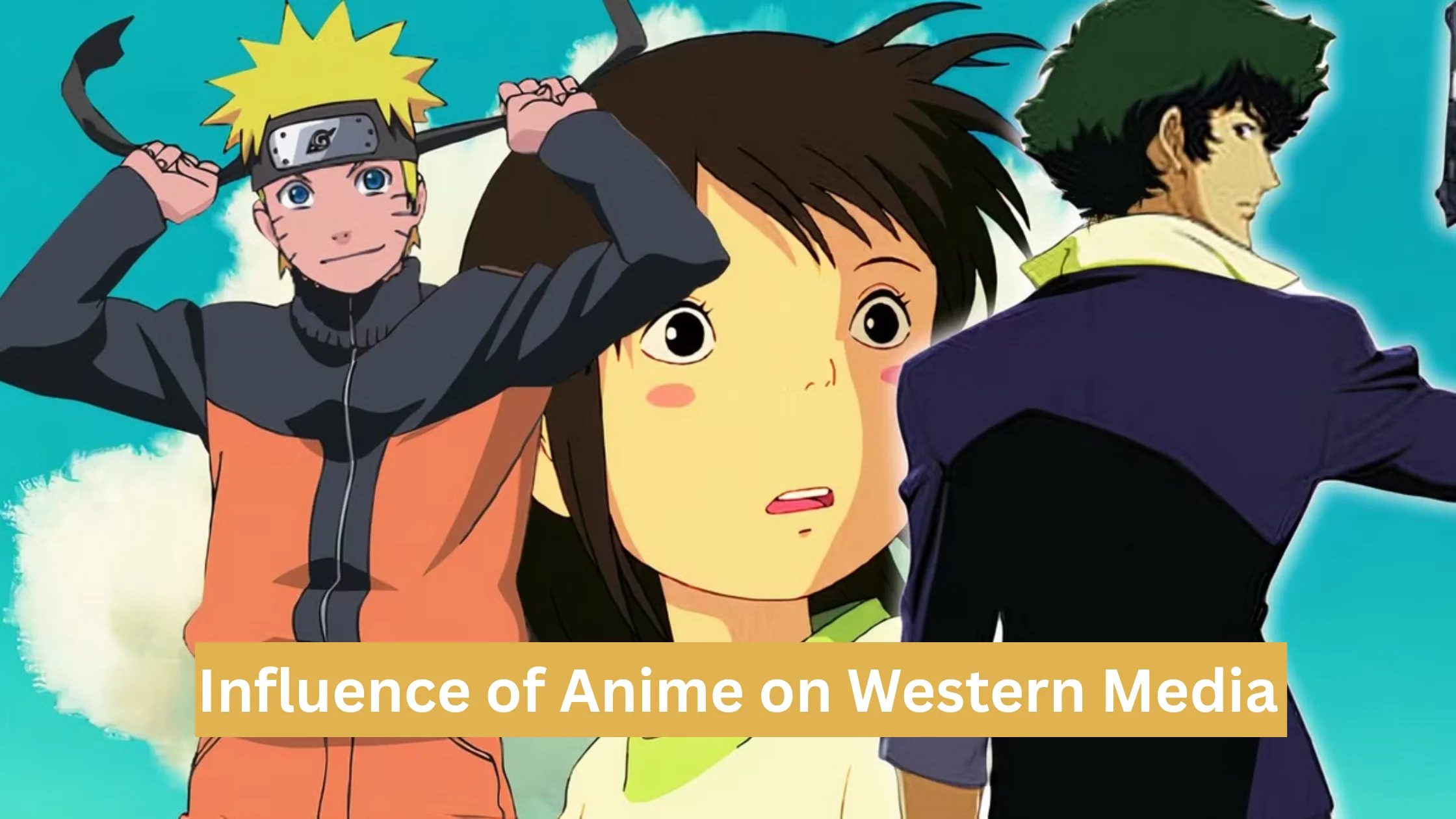
How Anime Inspired Western Creators
Anime’s global influence has transcended far beyond Japan’s borders, reshaping storytelling, animation, and even live-action entertainment across the world.
What began as a niche art form in the East has now become a universal creative force inspiring some of the most beloved Western shows, movies, and games.
From complex character arcs to cinematic animation styles, anime’s fingerprints can be found all over Western pop culture today.
The appeal lies in anime’s emotional storytelling, visual artistry, and philosophical depth qualities that Western creators have embraced to push their own narratives beyond traditional boundaries. Let’s explore how this cultural exchange has evolved and where it’s heading next.
Avatar: The Last Airbender and Anime-Style Storytelling
When fans think of anime-inspired Western animation, Avatar: The Last Airbender often tops the list. Created by Michael Dante DiMartino and Bryan Konietzko, the series isn’t a Japanese anime but it borrows heavily from anime’s visual language and narrative sophistication.
Elements such as:
- Fluid, detailed fight choreography
- Eastern philosophy and martial arts themes
- Deep emotional arcs and character growth
All reflect clear anime influence. Avatar and its sequel The Legend of Korra demonstrated that Western animation could achieve the same level of depth, maturity, and worldbuilding that made anime famous bridging the gap between two creative worlds.
Teen Titans and Anime-Inspired Animation
In the early 2000s, Teen Titans introduced American audiences to a fusion of Western superhero storytelling and anime-style expressions. The exaggerated emotions, speed lines, and humor-laced dramatics were straight out of Japanese animation playbooks.
This blend created a new visual language that resonated with both comic fans and anime lovers. Characters like Raven and Starfire showcased emotional depth rare in Western cartoons at the time, making Teen Titans one of the first mainstream shows to prove that anime aesthetics could enhance Western narratives without losing their identity.
Hollywood Remakes: Ghost in the Shell & Death Note
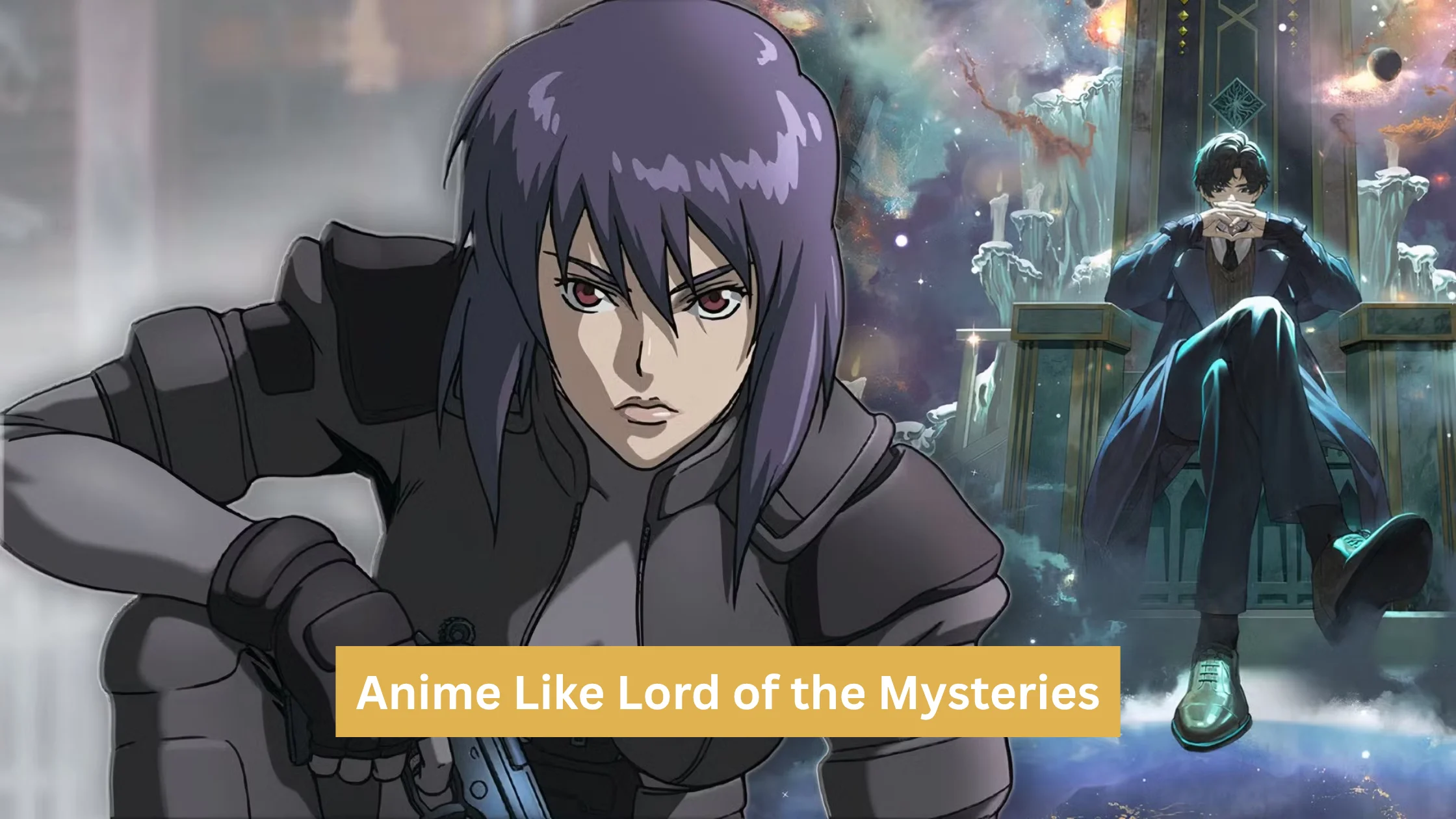
Anime’s influence on Western cinema has been more complex. Hollywood’s attempts to remake classics like Ghost in the Shell and Death Note illustrate both the admiration and challenges of adapting anime for Western audiences.
While these films tried to capture anime’s philosophical essence and visual beauty, they often struggled with cultural context and character authenticity.
However, they also highlight one undeniable truth anime has become powerful enough to shape Hollywood’s creative direction. Even imperfect adaptations show how deeply anime’s storytelling philosophies have infiltrated Western media.
Anime Influence in Video Games: Final Fantasy & Persona
Anime and gaming share a long-standing relationship, but the influence goes both ways. Western developers have drawn inspiration from Japanese RPGs that embrace cinematic visuals and emotional storytelling.
Games like Final Fantasy, Persona, and Ni no Kuni have become benchmarks for narrative-driven gameplay, influencing Western hits such as:
- Life is Strange
- Undertale
- Genshin Impact (a global success blending anime art with Western open-world design)
Anime’s focus on aesthetic immersion and moral complexity continues to redefine how developers design characters and worlds, making gaming a true cultural melting pot.
Directors Influenced by Anime: Guillermo del Toro & The Wachowskis
Anime’s impact on Western cinema is perhaps most visible through the works of visionary directors who have drawn direct inspiration from its artistic and thematic brilliance. Two of the most prominent examples are Guillermo del Toro and The Wachowskis, both of whom have openly credited anime as a cornerstone of their creative process.
Guillermo del Toro — The Poet of Monsters and Mecha
The Oscar-winning director Guillermo del Toro has a deep admiration for Japanese storytelling, especially the mecha and kaiju genres that defined anime classics like Neon Genesis Evangelion and Akira.
In his 2013 blockbuster Pacific Rim, del Toro didn’t just borrow surface-level aesthetics—he translated the emotional essence of anime into a Western cinematic framework.
Key influences visible in Pacific Rim include:
- Humanity within machinery: Much like Evangelion, del Toro explores how giant machines reflect human vulnerability, trauma, and courage.
- Visual storytelling: The vibrant color palettes, glowing mechs, and cinematic fight choreography draw directly from anime’s dynamic composition style.
- Emotional stakes over spectacle: Every battle scene carries emotional weight, mirroring anime’s focus on character growth and sacrifice over pure action.
In interviews, del Toro has often praised anime for its maturity and narrative freedom, calling it a medium that treats the audience with intelligence. His filmography from Pan’s Labyrinth to Crimson Peak echoes anime’s influence in its blend of dark fantasy, moral ambiguity, and deeply human emotion.
The Wachowskis — Philosophers of the Digital Age
The creators of The Matrix trilogy, Lana and Lilly Wachowski, revolutionized sci-fi cinema—and anime was at the heart of that revolution.
They have repeatedly cited Ghost in the Shell (1995) as a primary inspiration for The Matrix’s cyberpunk world, existential questions, and philosophical depth.
Key parallels between The Matrix and Ghost in the Shell:
- Virtual consciousness: Both explore the blurred line between humanity and artificial intelligence.
- Cinematic language: The iconic code rain effect and the green-tinted digital world evoke anime’s visual metaphor for digital consciousness.
- Action choreography: The Wachowskis incorporated anime-style slow motion, precise framing, and kinetic movement techniques that redefined Hollywood’s approach to action scenes.
- Philosophy of identity: Just like Major Kusanagi questions her own existence, Neo’s journey reflects the same search for purpose and truth within simulated realities.
Beyond The Matrix, their later works (Speed Racer, Cloud Atlas, Sense8) continue to showcase their love for anime’s vibrant energy, global storytelling, and emotional sincerity.
Anime-Style Art in Western Comics
Beyond film and animation, anime’s influence has seeped into Western comics and graphic novels. Artists now merge manga-inspired art styles dynamic motion, detailed eyes, expressive emotions with Western comic storytelling.
Series like Scott Pilgrim, Teenage Mutant Ninja Turtles (IDW), and Radiant Black feature this hybrid art form. Even major publishers like Marvel and DC have experimented with manga editions and anime-inspired redesigns, showing how far-reaching anime’s artistic impact has become.
Global Streaming Platforms Bridging East & West
Platforms like Netflix, Crunchyroll, and Disney+ have accelerated anime’s integration into global entertainment. Netflix’s original anime productions (Castlevania, Cyberpunk: Edgerunners, Blue Eye Samurai) showcase how Western and Japanese creators now collaborate seamlessly.
This global accessibility has blurred creative borders. Western fans now consume anime alongside local shows, while Japanese studios adopt international storytelling techniques. The result? A shared creative ecosystem that celebrates diversity and storytelling innovation.
Wrap-Up: A Two-Way Cultural Exchange
Influence of Anime on Western media is more than imitation it’s a creative dialogue that continues to evolve. From Avatar’s emotional storytelling to The Matrix’s cyberpunk aesthetics, anime has reshaped how the West perceives and produces entertainment.
But this exchange isn’t one-sided. As Western creators draw from anime, Japanese studios are also adapting Western sensibilities creating a symbiotic relationship that enriches global pop culture.
Ultimately, this fusion has made storytelling more inclusive, imaginative, and emotionally resonant. Whether through animation, film, comics, or games, anime’s legacy in Western media continues to expand artistic boundaries and inspire new generations of creators worldwide.
Read More: