Introduction: The Global Phenomenon of Anime
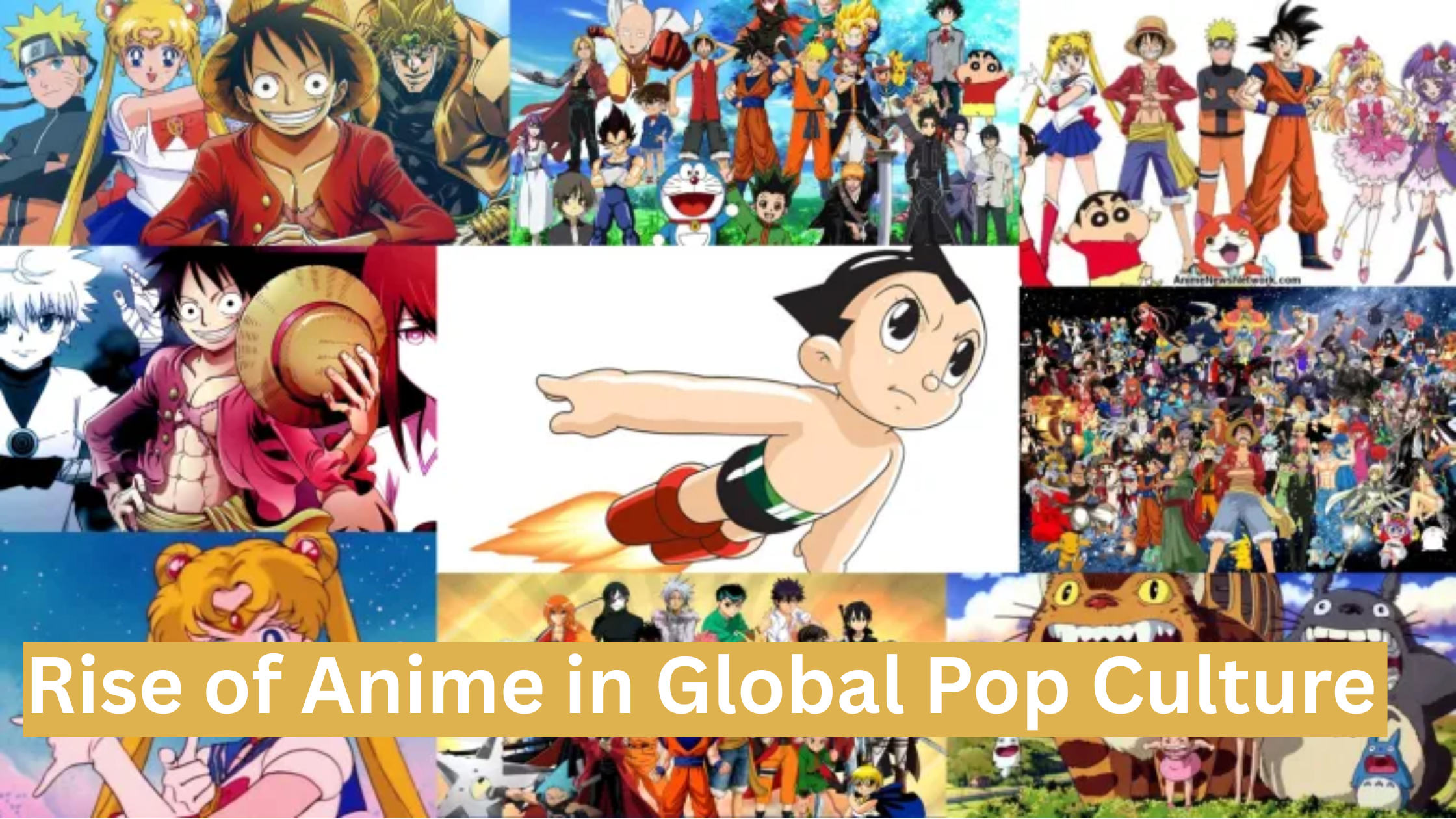
Rise of anime in global pop culture: Anime has come a long way from its roots in Japan, from a niche interest to a global phenomenon with millions of fans around the world. What was once a special interest for a small group of people is now a major player in entertainment, fashion, social media and even lifestyle trends. From streaming platforms to Hollywood adaptations, anime is everywhere — and it’s not stopping.
One of the reasons anime is so popular is the diversity of storytelling. Whether it’s action, romance, dark or funny, anime has something for everyone. The combination of visual creativity, complex characters and emotional depth translates across cultures and makes it relatable and meaningful to everyone.
In this blog, we explore how anime has risen from a niche hobby to mainstream pop culture. We’ll look at conventions, cosplay, celebrity fandoms, viral social media content, fashion collaborations, and its influence on Western animation — and why Gen Z and Millennials connect so deeply with this medium. By the end, you’ll understand why anime is no longer “just for kids,” but a defining element of modern pop culture worldwide.
1. From Niche Hobby to Mainstream Popularity
Anime was a niche interest outside of Japan, a curiosity for fans of Japanese culture. For decades Western audiences could only get titles like Dragon Ball Z, Pokémon or Sailor Moon on late night cable, VHS tapes or imported DVDs. While these shows built a dedicated fanbase, anime was a “subculture” hobby not a mainstream phenomenon.
The 2010s was the tipping point. Streaming platforms like Netflix, Crunchyroll and Funimation made it easy for global audiences to watch anime legally and the numbers exploded. Shows like Attack on Titan, My Hero Academia and Demon Slayer broke download records and trending charts worldwide. Social media amplified this growth, clips, memes and fan art went viral in seconds.
Today anime is not just for a specific audience; it’s a global phenomenon. It appeals to all ages and backgrounds, influencing fashion, music and even mainstream Hollywood projects. What was once a niche hobby is now a full blown industry shaping pop culture worldwide.
2. Anime Conventions and Cosplay Culture Going Global
Anime conventions have become one of the clearest indicators of how anime has moved from a niche hobby to mainstream culture. Events like Anime Expo (Los Angeles), Comic-Con (San Diego), and Japan Expo (Paris) now attract hundreds of thousands of attendees, demonstrating the global appeal of Japanese animation. These conventions provide fans with opportunities to meet voice actors, attend panels, purchase exclusive merchandise, and celebrate the art form with like-minded communities.
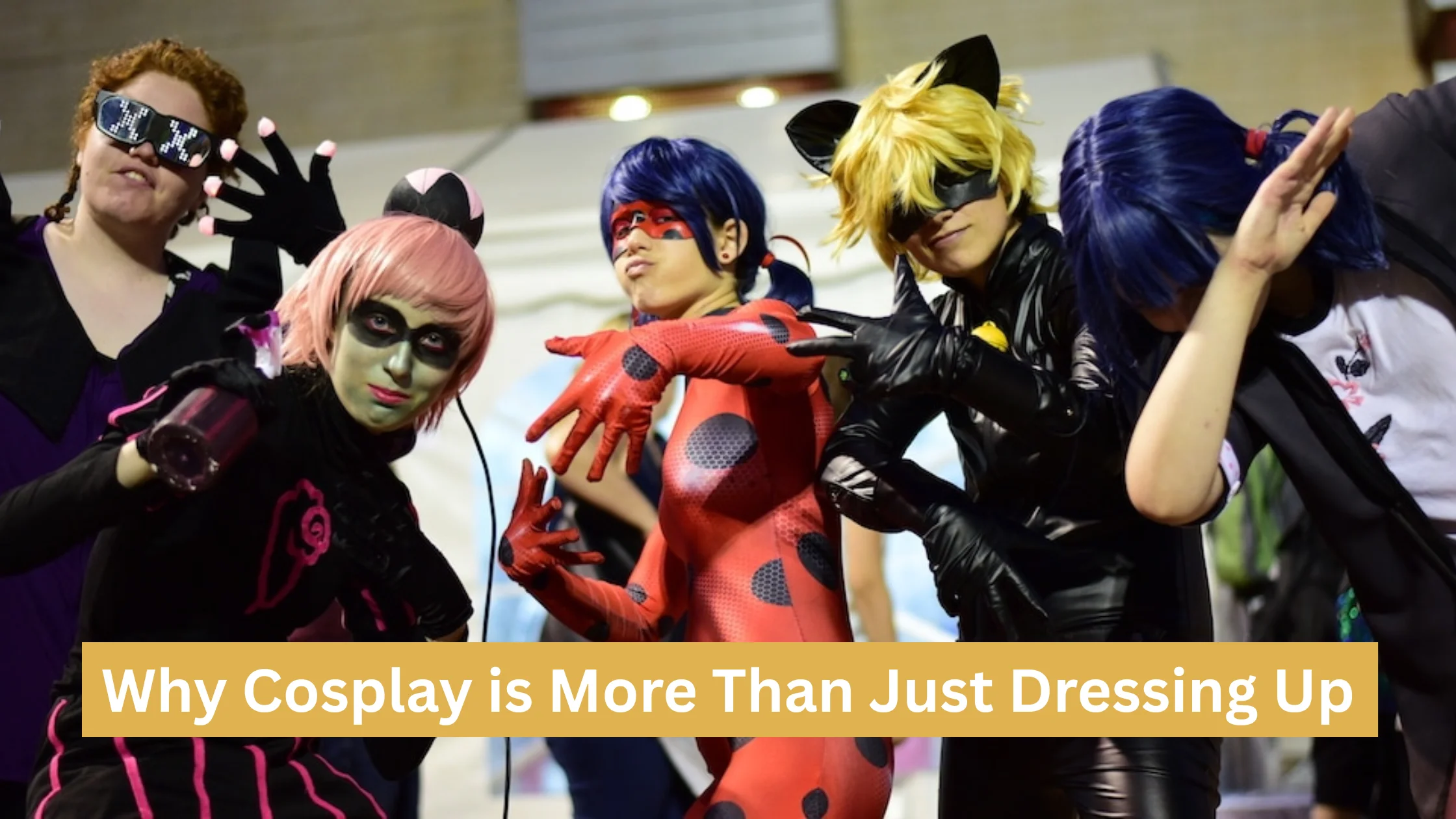
Cosplay, the practice of dressing as beloved anime characters, has exploded alongside conventions. From intricate costumes of characters like Naruto, Sailor Moon, and Demon Slayer, to full-scale performance reenactments, cosplay has become both a creative outlet and a social media phenomenon. Platforms like Instagram, TikTok, and YouTube showcase cosplay tutorials, transformations, and competitions, reaching millions of global viewers daily.
This global cosplay culture has also influenced mainstream fashion and entertainment, with designers collaborating with anime franchises and celebrities participating in cosplay-inspired photoshoots. Today, cosplay is not just a hobby; it’s a global art form and lifestyle that bridges cultures, generations, and continents — further cementing anime’s position in worldwide pop culture.
3. Hollywood’s Attempts at Anime Adaptations
As anime’s global popularity soared, Hollywood began experimenting with live-action adaptations of beloved Japanese properties. The goal: introduce anime’s rich stories to mainstream Western audiences. Some of the most talked-about projects include One Piece Live Action on Netflix and Alita: Battle Angel, directed by Robert Rodriguez and produced by James Cameron and Jon Landau.
While adaptations often generate excitement, they face significant challenges. Translating the distinct visual style, over-the-top action, and cultural nuances of anime into live-action can be tricky. For example, Death Note (2017), a Netflix adaptation, received criticism for altering key characters and story elements, highlighting the delicate balance between staying faithful and appealing to a global audience.
Despite these challenges, Hollywood adaptations signal anime’s undeniable influence. Big studios are investing heavily, indicating that anime is no longer “just a niche” but a source of globally recognized storytelling. With One Piece Live Action achieving strong viewership numbers shortly after release, it’s clear that anime narratives can successfully resonate with mainstream audiences when handled with care.
The trend continues to grow, bridging the gap between Japanese animation and Western live-action storytelling — making anime an increasingly integral part of global pop culture.
4. Anime x Fashion Collaborations
Anime’s influence extends far beyond screens — it has made a remarkable impact on the global fashion industry. Over the past decade, major brands like Uniqlo, Adidas, and Gucci have collaborated with iconic anime franchises to create limited-edition collections, turning anime into wearable pop culture.
For instance, Uniqlo’s UT collections have featured Dragon Ball, One Piece, and Evangelion, offering fans affordable yet stylish apparel that celebrates their favorite series. Adidas released Evangelion-inspired sneakers with unique colorways and design elements referencing the anime’s characters and mecha aesthetics. Meanwhile, luxury brand Gucci partnered with Neon Genesis Evangelion and anime-inspired visuals for high-end runway collections, demonstrating that anime’s appeal is not just for niche audiences but can also influence global luxury markets.
These collaborations highlight how anime has transcended traditional media, merging storytelling with lifestyle and fashion. Fans can now express their love for anime in everyday life, creating a cultural crossover that blends art, design, and identity.
This phenomenon also reinforces anime’s status as a mainstream cultural force, showing that its visual language and storytelling resonate with audiences beyond Japan, influencing trends in music, design, and style worldwide.
5. K-pop & Anime Fanbase Overlaps
Anime and K-pop may seem like different cultural phenomena, but their fanbases overlap significantly, especially among Gen Z and Millennials. Both industries thrive on dedicated communities, visually striking aesthetics, and emotionally resonant storytelling, which creates natural synergy between fans of each medium.
Many K-pop idols openly express their love for anime, influencing fans to explore the medium. For example, members of groups like BTS, EXO, and Stray Kids have shared favorite anime series on social media, from Naruto to My Hero Academia. These endorsements often spark viral conversations online, with fans creating reaction videos, memes, and fan art, further blending the two fandoms.
Moreover, the visual elements of K-pop performances — vibrant costumes, elaborate choreography, and dramatic storytelling — share similarities with anime’s exaggerated and stylized presentation. This has led to collaborations, fan art crossovers, and even anime-inspired music videos, showing that fans appreciate the shared aesthetic and narrative appeal.
Platforms like TikTok, Instagram, and YouTube amplify these overlaps, making it easy for fans to discover both K-pop and anime content simultaneously. This cultural intersection demonstrates how anime has not only reached mainstream audiences but also become an integral part of global youth culture.
6. Role of TikTok & Instagram in Viral Anime Edits
Social media platforms like TikTok and Instagram have transformed how anime reaches global audiences, particularly among younger generations. Short-form video content allows fans to create and share anime edits, scene compilations, and meme-based content that can go viral within hours.
These edits often feature dramatic music, trending sounds, or emotional storytelling moments from popular series like Demon Slayer, Attack on Titan, and Your Name. The combination of visually stunning animation and short, digestible content makes anime highly shareable, even to viewers who might not have watched full episodes. In many cases, viral edits spark curiosity, driving new audiences to streaming platforms like Crunchyroll, Netflix, or Funimation to watch the original series.
Influencers and content creators also leverage these platforms to discuss anime theories, create cosplay transformations, or remix iconic scenes, further blurring the lines between fan culture and mainstream visibility.
This phenomenon highlights how social media acts as a global amplifier for anime culture. TikTok and Instagram not only help existing fans celebrate anime but also introduce it to entirely new audiences, solidifying its status as a dominant force in global pop culture.
7. Celebrities Who Love Anime
Anime’s global influence isn’t limited to fans on social media or at conventions — it’s also captured the hearts of A-list celebrities. When high-profile figures openly express their love for anime, it not only validates the medium but also introduces it to millions of new viewers worldwide.
Michael B. Jordan, known for his roles in Black Panther and Creed, has publicly shared his admiration for Naruto, citing its themes of perseverance and personal growth as personally inspiring. Similarly, pop superstar Billie Eilish has mentioned her love for Naruto and Attack on Titan, even incorporating anime-inspired visuals and references into her music videos and performances.
Other celebrities like Rihanna, Post Malone, and Zayn Malik have also showcased anime-inspired artwork, fashion, or tattoos, bridging the gap between fandom and mainstream culture. These endorsements amplify anime’s visibility, showing that its storytelling resonates not just with teenagers but with artists and performers across the globe.
The enthusiasm of celebrities underscores a larger trend: anime has transcended its niche roots, becoming a cultural touchstone that influences fashion, music, and lifestyle choices in addition to entertainment.
8. Anime’s Impact on Western Animation
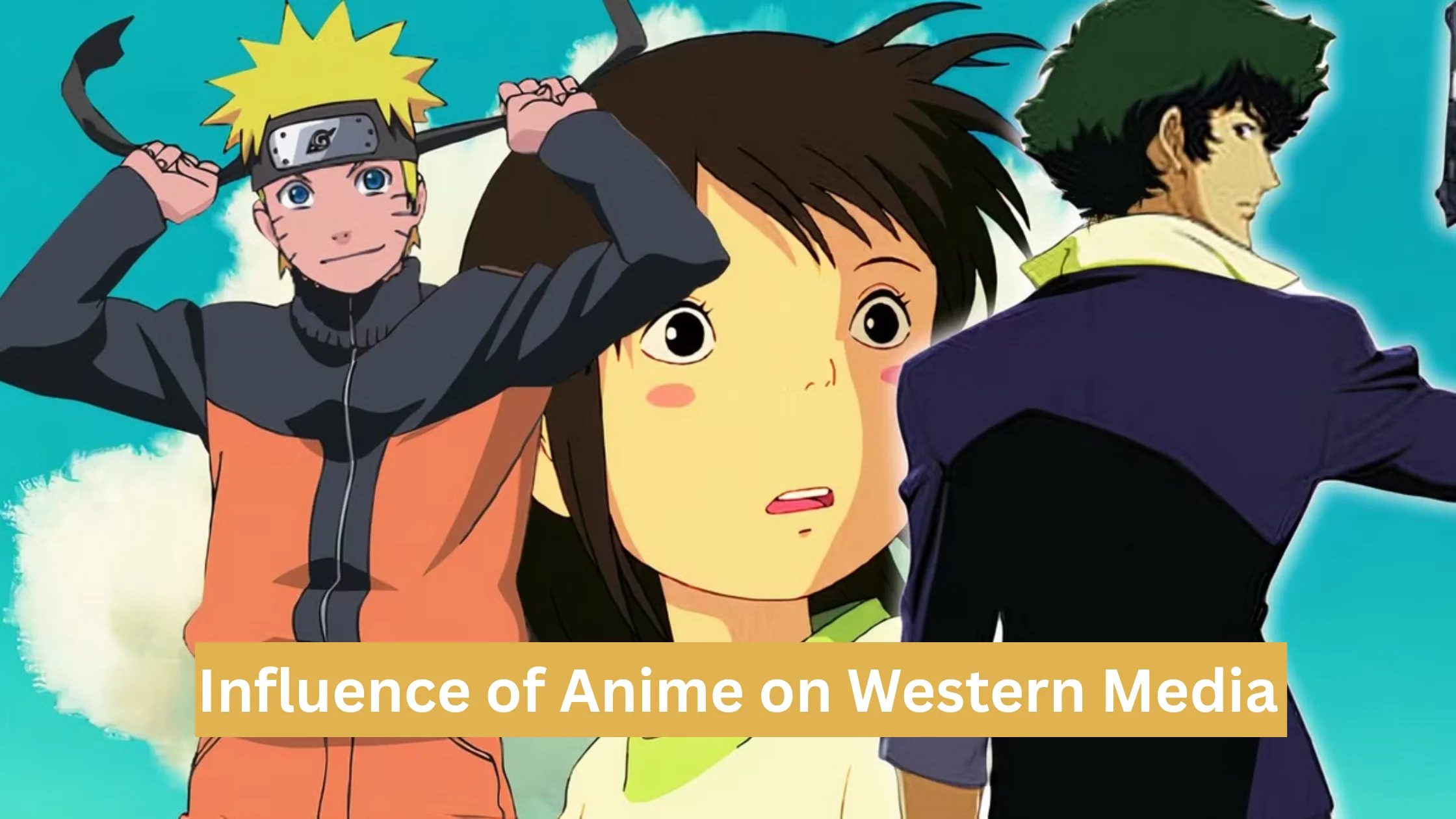
Anime has not only influenced global pop culture but has also left a lasting mark on Western animation. Series like Avatar: The Last Airbender (2005–2008) demonstrate how anime-inspired storytelling can thrive outside Japan. While technically a Western production, Avatar borrowed heavily from anime aesthetics, including fluid fight choreography, character-driven arcs, and layered worldbuilding, which were relatively uncommon in early 2000s Western cartoons.
Other Western shows, such as The Legend of Korra, Teen Titans, and RWBY, also exhibit anime-style visual flair, episodic storytelling, and complex moral narratives. These series highlight how anime’s approach to character depth, emotional resonance, and serialized plots influenced Western creators to experiment beyond traditional cartoon formulas.
This cross-cultural exchange goes both ways. Anime itself has adopted elements from Western comics, superheroes, and cinematic techniques, creating a dynamic fusion of storytelling styles that appeals to global audiences.
By inspiring Western animation, anime has effectively expanded its reach, proving that it is not just entertainment for Japan but a cultural phenomenon shaping the entire animation industry worldwide. For viewers, this blending of styles has made anime more relatable and accessible, bridging the gap between East and West.
9. Why Anime Resonates with Gen Z & Millennials
Anime’s global rise is closely tied to its deep resonance with Gen Z and Millennial audiences. Unlike traditional media, anime often explores complex themes, emotional depth, and morally gray characters, which align with the values and interests of younger generations seeking authentic storytelling. Series like Attack on Titan, Your Name, and My Hero Academia combine action, romance, humor, and drama in ways that are relatable, immersive, and emotionally satisfying.
Social media also plays a crucial role. Platforms such as TikTok, Instagram, and YouTube allow fans to share edits, memes, and reviews, turning anime into a social experience. Many Gen Z users find community through fan discussions, cosplay, and anime clubs, reinforcing the medium’s cultural significance.
Additionally, anime’s visual style, from vibrant animation to expressive character designs, appeals to digital-native audiences accustomed to visually-driven content. Its storytelling often tackles real-world issues — identity, friendship, mental health, societal pressure — in a relatable way, making it resonate beyond mere entertainment.
Ultimately, anime connects with Gen Z and Millennials because it blends creativity, emotion, and social engagement, offering both escapism and reflection, while remaining highly shareable and culturally relevant in the digital age.
Conclusion
Once considered kids stuff, anime is now a full blown cultural giant. From Hollywood adaptations and fashion collabs to viral social media edits and celebrity endorsements, anime is everywhere in global pop culture. It’s ageless, borderless and languageless because great storytelling, imaginative worlds and emotional depth is universal.
Today anime conventions are attracting hundreds of thousands of people worldwide, cosplay is a global art form and streaming platforms have made it easier than ever to access all sorts of content. Western animation, fashion, music and even social media trends are all borrowing from anime’s style and narrative.
For Gen Z and Millennials, anime is more than entertainment — it’s a cultural reference point, a community and an inspiration. Whether you’re a casual viewer or a die-hard fan, anime lets you into rich stories, beautiful visuals and imaginative worlds.
The era when anime was “just for kids” is over — it’s now a global force shaping how we consume, create and celebrate pop culture. If you like Anime Arenax please bookmark our website for more anime related content or updates.