

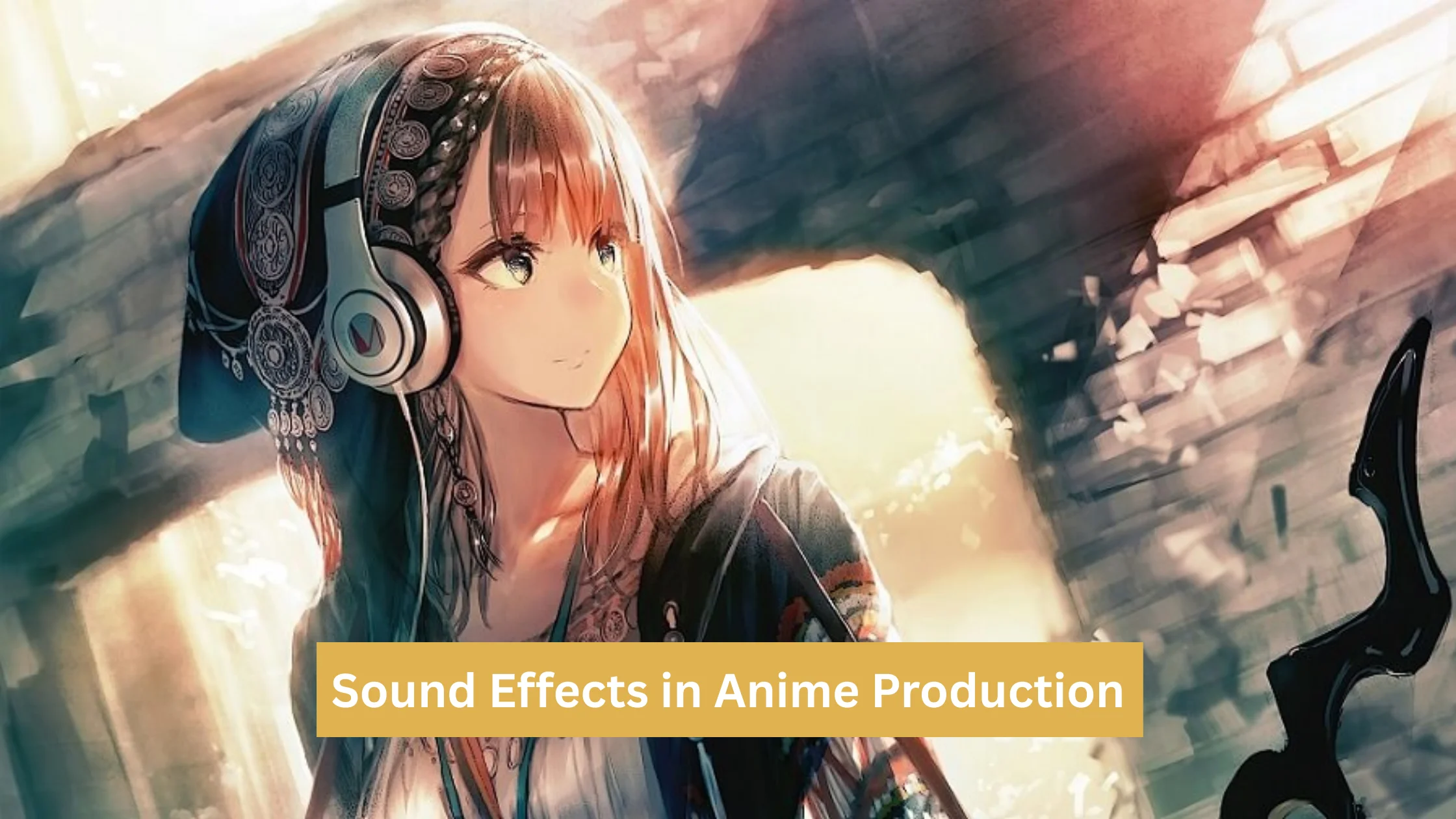
Anime is often celebrated for its stunning visuals and imaginative storytelling. However, if you close your eyes during an episode, you will still feel the energy of the scene. That power comes from voice modulation and sound effects. These elements breathe life into characters and transform drawings into living personalities.
In fact, many fans can recognize a character simply by hearing a single line. Others remember the metallic clang of a sword or the soft echo of footsteps in a haunted hallway. Sound in anime does not sit quietly in the background. Instead, it shapes emotion, builds tension, and deepens immersion.
Let us explore how technology, creative teams, and voice actors work together to create unforgettable audio experiences in anime.
Technology Innovations in the Industry
Over the past two decades, anime production has embraced remarkable technological growth. Earlier productions relied heavily on analog recording equipment. Engineers captured voices in small studios and mixed sound manually. Although those methods had charm, they limited flexibility.
Today, digital audio workstations allow sound designers to adjust pitch, tone, and texture in real time. Programs like advanced mixing software provide tools for equalization and layering. Because of these tools, studios can experiment without compromising clarity.
Moreover, surround sound technology has changed how viewers experience anime. Modern series often use 5.1 or even 7.1 surround mixing. As a result, explosions feel larger, whispers feel closer, and environmental effects feel more realistic.
Artificial intelligence also plays a growing role. Some studios use AI-assisted sound libraries to enhance efficiency. However, creative professionals still guide the final output. Technology supports imagination rather than replacing it.
Furthermore, cloud-based collaboration tools allow teams in different countries to work on the same audio project. This innovation speeds up production schedules and ensures consistent quality.
In short, technology has not only improved sound quality. It has expanded artistic possibilities.
Role of Sound Engineers
Behind every powerful anime moment stands a dedicated sound engineer. While viewers notice voice actors, engineers quietly shape the performance.
Sound engineers handle recording sessions. They adjust microphone placement and control recording levels. They also guide actors through multiple takes to capture emotional precision.
After recording, engineers move to the mixing stage. Here they balance dialogue, background music, and effects. For example, during an intense battle scene, dialogue must remain clear even when swords clash and buildings collapse. Engineers carefully fine-tune frequencies so nothing feels overwhelming.
Additionally, they design ambient soundscapes. A forest may include wind, distant birds, and rustling leaves. These subtle elements create depth. Without them, scenes would feel empty.
Sound engineers also collaborate closely with directors. They discuss emotional tone and pacing. If a scene demands suspense, engineers may reduce background noise and emphasize breathing or footsteps.
Therefore, sound engineers act as storytellers. They translate visual cues into emotional audio landscapes.
How Studios Create Iconic Sounds
Many anime series are remembered for specific sound effects. Think about the electric buzz in action sequences or the signature transformation sound of magical characters. Studios rarely rely on random library clips. Instead, they design custom effects.
Foley artists play a key role. They recreate everyday sounds using creative methods. For example, breaking vegetables might simulate bones snapping. Metal sheets might replicate thunder. By recording these unique sources, studios craft original audio textures.
Layering also matters. A single sword strike may include three or four separate recordings. One layer provides the metallic clang. Another adds a sharp whoosh. A final layer enhances echo. Together they create a dynamic effect that feels larger than life.
Furthermore, studios often reuse and refine certain sounds across seasons. This consistency builds familiarity. Viewers associate those effects with specific characters or universes.
In iconic series like Naruto or Dragon Ball Z, signature attack sounds became cultural markers. Fans instantly recognize them even outside the show.
Ultimately, iconic sounds are not accidents. They are crafted through experimentation and repetition.
Training for Voice Actors
Voice actors, known in Japan as seiyuu, undergo rigorous training. Their craft goes far beyond reading lines.
First, they practice breath control. Strong breathing techniques help maintain vocal stamina during long recording sessions. High-energy scenes require sustained shouting without straining the throat.
Second, they study emotional range. A single character may express joy, anger, fear, and vulnerability within one episode. Actors learn to switch tones smoothly while keeping authenticity.
Workshops often include improvisation exercises. These exercises sharpen timing and natural delivery. In addition, actors train in microphone techniques. Even slight head movements can affect sound clarity.
Renowned performers such as Mamoru Miyano and Kana Hanazawa have demonstrated how vocal nuance defines a character’s identity. Their performances show how subtle modulation can convey depth.
Furthermore, voice actors collaborate with directors who provide guidance on emotional context. They rarely record alone. Instead, they interpret scripts while imagining scene dynamics.
Through disciplined training and constant practice, voice actors transform scripted dialogue into heartfelt expression.
Recurring Effects in Popular Anime
If you watch several anime series, you may notice recurring sound patterns. For example, exaggerated sweat drop sounds during comedic embarrassment appear frequently. Similarly, sparkly chimes accompany magical girl transformations.
Series like Sailor Moon popularized certain magical sound cues. These cues later influenced many other productions.
Another example comes from mecha anime. Mechanical whirs and hydraulic hisses appear consistently. In Neon Genesis Evangelion, mechanical movements feel heavy and realistic due to detailed layering.
Even everyday school settings feature recurring elements. The echo of classroom hallways or the gentle hum of cicadas during summer episodes reflects seasonal atmosphere.
These recurring effects create familiarity. They help viewers immediately identify genre and tone. While each studio adds its own twist, shared traditions strengthen anime culture as a whole.
International Team Collaborations
Anime production increasingly involves international collaboration. Studios in Japan often partner with audio teams in other countries for dubbing and distribution.
When a series is localized, new voice actors reinterpret characters in different languages. For instance, global hits like Attack on Titan receive multiple dubbed versions. Each version adapts voice modulation to cultural preferences while preserving core emotion.
International sound engineers also adjust mixing levels to match broadcast standards. Streaming platforms demand consistent quality across devices. Therefore, teams coordinate through digital platforms and shared cloud systems.
Moreover, cross-border collaboration encourages creative exchange. Western sound design techniques sometimes influence Japanese productions. At the same time, Japanese minimalism inspires global creators.
Through teamwork that crosses oceans, anime sound design continues to evolve and reach broader audiences.
Voice Modulation Trends
Voice modulation trends shift alongside storytelling styles. In earlier decades, exaggerated tones dominated action anime. Heroes shouted loudly and villains laughed dramatically.
However, modern series often favor naturalistic delivery. Shows like Your Lie in April emphasize subtle emotional shifts. Actors lower their volume and focus on realistic conversation patterns.
At the same time, fantasy and isekai genres still embrace dramatic modulation. This balance keeps the industry diverse.
Additionally, pitch correction tools help refine performances. While studios avoid excessive digital manipulation, minor adjustments ensure consistency.
Another emerging trend involves immersive audio for streaming platforms. As viewers use headphones more frequently, intimate whispering and spatial positioning gain importance. Actors now record lines with careful proximity awareness.
These trends demonstrate that voice modulation adapts to audience expectations and technological changes.
Awards for Sound Design
Sound design excellence does not go unnoticed. Prestigious ceremonies honor outstanding achievements in audio production.
The Tokyo Anime Award recognizes technical brilliance including sound categories. Such awards highlight the contribution of audio teams.
International recognition also matters. Events like the Crunchyroll Anime Awards celebrate voice acting performances. Winning actors gain global recognition and increased opportunities.
These awards encourage innovation. They motivate studios to invest in high-quality sound production.
Case Studies
Case Study 1: Emotional Minimalism
In A Silent Voice, silence plays a crucial role. Instead of constant background music, the film often reduces audio to highlight isolation. Soft breathing and subtle environmental noise amplify emotional weight.
This approach shows how restraint can be powerful.
Case Study 2: Action Intensity
Demon Slayer: Kimetsu no Yaiba demonstrates layered combat sound design. Sword clashes blend metallic resonance with elemental effects. The sound team enhances each technique with distinct audio signatures.
As a result, viewers feel every strike.
Impact on Character Immersion
Voice modulation and sound effects directly shape immersion. When actors deliver authentic emotion, viewers connect deeply with characters. When sound effects match visual intensity, scenes feel believable.
Consider a quiet confession scene. If the voice trembles slightly, audiences sense vulnerability. If ambient noise fades gently, focus remains on dialogue.
Similarly, dramatic battles rely on synchronized sound. A delayed explosion or mismatched effect would break immersion instantly.
Because of careful coordination between actors and engineers, anime achieves emotional resonance that transcends language barriers.
Sound invites viewers into fictional worlds. It bridges imagination and reality.
Conclusion
Voice modulation and sound effects in anime production. Technology provides advanced tools. Sound engineers shape clarity and depth. Voice actors bring scripts to life through disciplined training. Meanwhile, recurring effects build tradition and international collaboration expands creative reach.
Through thoughtful design and passionate teamwork, anime sound continues to evolve. Ultimately, these audio elements do more than accompany visuals. They create emotional connections that linger long after the screen fades to black.