
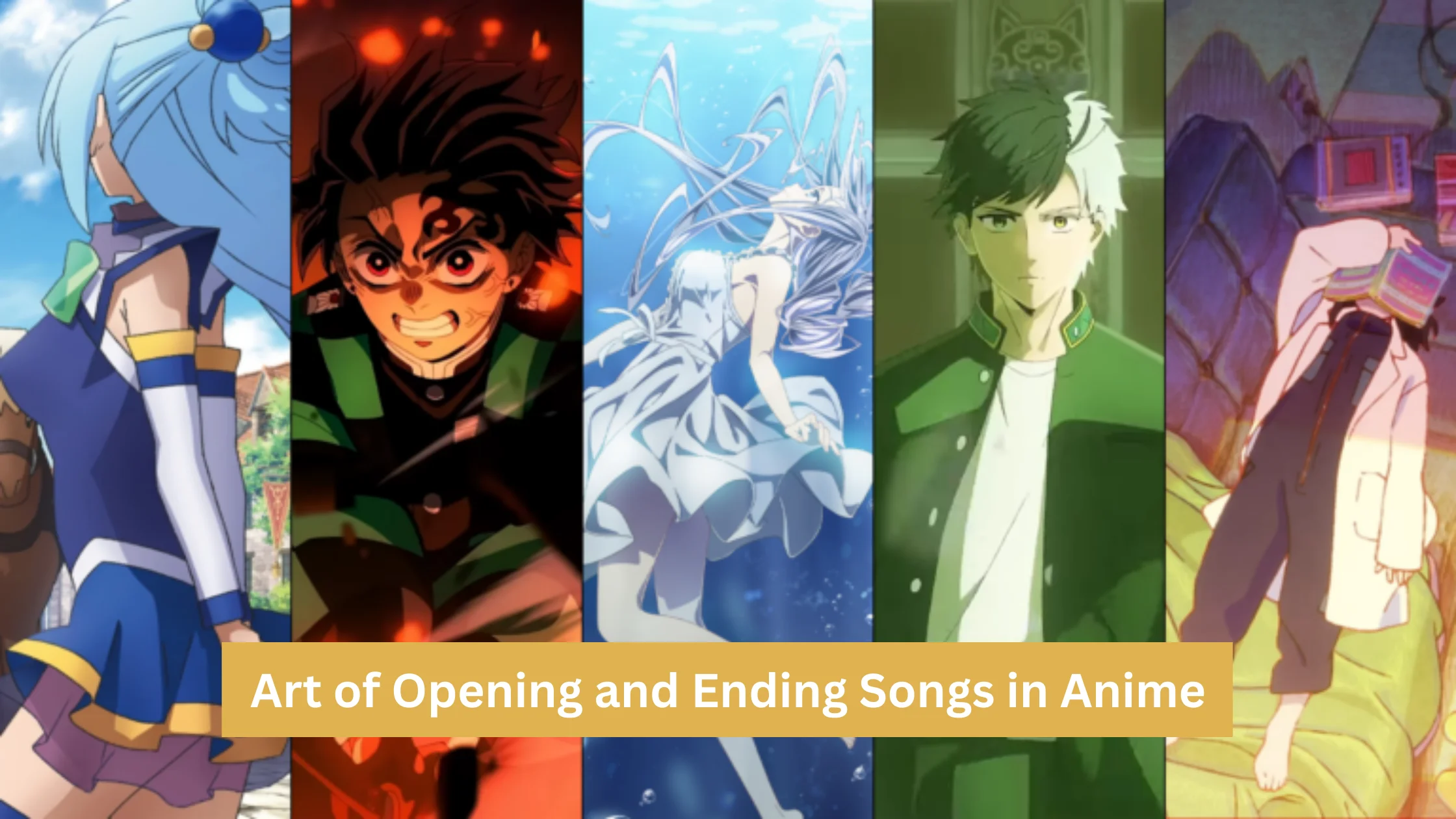
Anime opening and ending songs are more than catchy music paired with visuals. They act as emotional gateways. Before a story even begins, an opening song sets expectations. After an episode ends, the ending song helps viewers process what they just experienced. Over time, these songs have become cultural icons that shape how anime is remembered.
Unlike background scores, OP and ED songs stand front and center. They carry themes, moods, and subtle hints about characters and plot direction. Some make viewers feel excited. Others leave them reflective or even heartbroken. Because of this, anime music has evolved into its own art form rather than a simple accessory.
As anime gained global reach, opening and ending songs followed. They crossed language barriers, topped music charts, and became staples at concerts and conventions. To understand why they matter so much, we need to look at how this tradition began and how it continues to evolve today.
History of Anime Songs
The history of anime opening and ending songs reflects the growth of the medium itself. Early television anime relied on simple melodies and repetitive lyrics. These songs were designed to be easy to remember and suitable for younger audiences. Many focused on heroic ideals, friendship, or adventure.
As anime storytelling matured, so did its music. By the 1980s and 1990s, openings began matching the emotional tone of the story. Romantic series used softer themes. Action anime leaned into high-energy rock and pop. Endings also became more reflective, offering calm contrast after intense episodes.
With the rise of late-night anime, music became more experimental. Studios collaborated with mainstream artists. Lyrics grew more symbolic. Some songs hinted at character trauma or future conflict. This shift helped anime songs gain respect beyond animation circles.
Today, anime OP and ED tracks are treated like full musical releases. They chart internationally and influence pop culture far outside Japan. Their evolution mirrors anime’s journey from niche entertainment to global phenomenon.
How Studios Choose Music Collaborators
Choosing the right artist for an anime opening or ending is a careful and strategic process. Studios do not simply pick a popular singer and hope for the best. Instead, they look for musicians whose style fits the story’s emotional core. Tone always comes first. A dark psychological anime needs a very different sound than a lighthearted slice-of-life series.
Production committees often involve music labels early in development. This allows both sides to shape the song around the anime’s themes. Sometimes a script or character outline is shared with the artist. Other times, creators explain the emotional direction they want the audience to feel within the first ninety seconds.
Studios also consider audience reach. Established bands can attract viewers who may not normally watch anime. Meanwhile, newer artists gain exposure through association with a strong series. This mutual benefit has helped anime music grow into a major industry.
In some cases, directors personally request specific musicians. When trust exists, collaboration becomes deeper. Lyrics reflect character psychology. Melodies mirror narrative pacing. The result feels intentional rather than promotional.
This careful matchmaking ensures that anime songs feel inseparable from the stories they introduce and conclude.
Visual Storyboard Design for OP and ED
Once the music is finalized, the visual planning for an opening or ending begins. This stage is just as important as the song itself. Storyboard artists translate sound into motion, creating visuals that reflect rhythm, mood, and meaning. Every cut is timed carefully. Even a single second can change how the audience feels.
Openings often focus on energy and momentum. Fast cuts. Bold poses. Symbolic imagery. These elements prepare viewers for the episode ahead. Endings, on the other hand, usually slow things down. Softer colors. Gentle movement. Quiet moments. They help the audience process what they just watched.
Directors decide early whether the sequence will tell a mini story or remain abstract. Some openings show character journeys through metaphor. Others rely on atmosphere rather than plot hints. Ending sequences often explore emotional subtext that the main story cannot pause to show.
Lighting, color palettes, and camera movement all follow the song’s structure. A chorus might introduce dynamic group shots. Verses may highlight individual characters. This careful synchronization turns each OP and ED into a visual poem.
When done well, these sequences stay memorable long after the series ends.
Foreshadowing and Symbolism in Lyrics
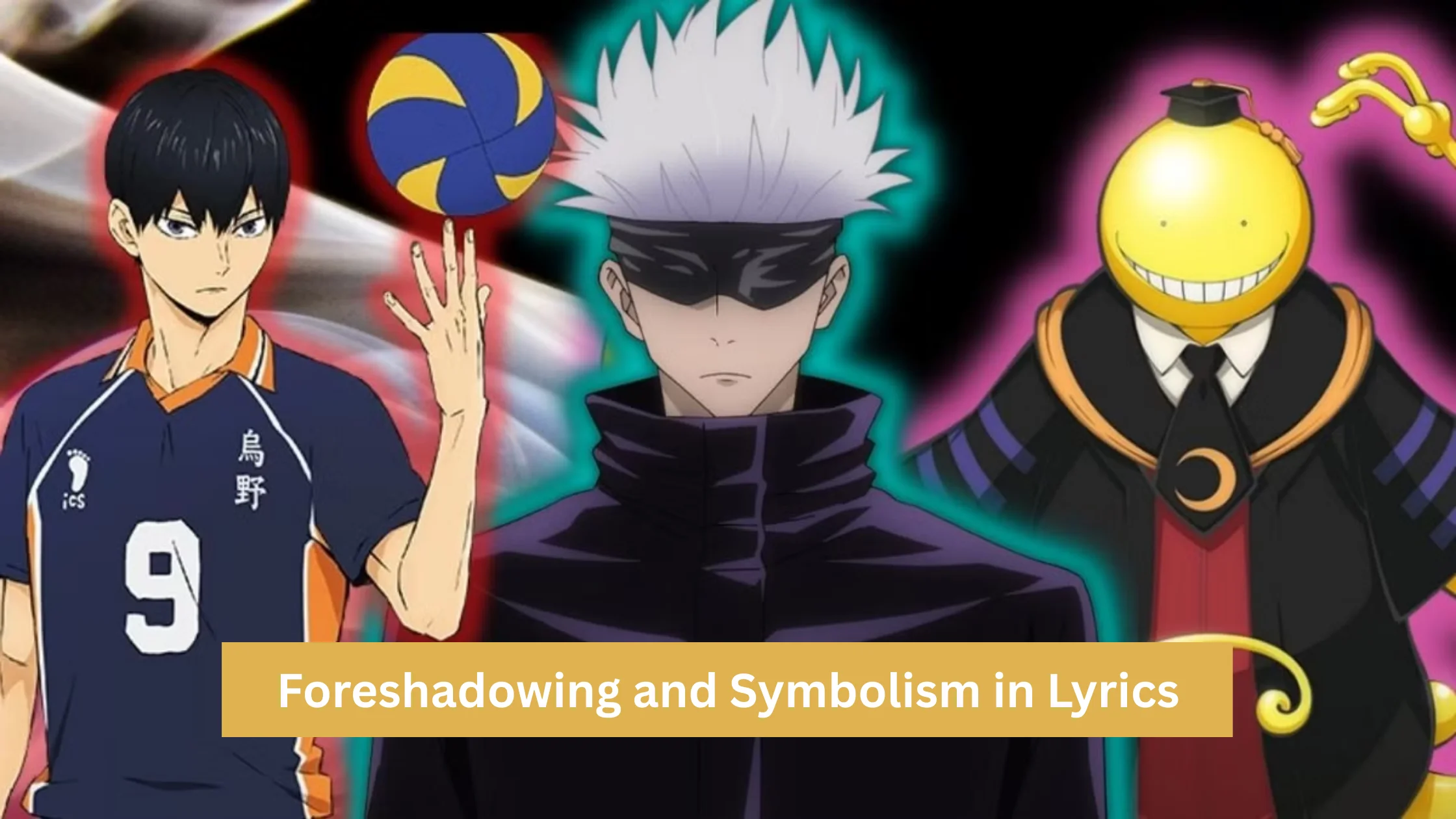
Anime opening and ending songs often carry more meaning than viewers realize at first listen. Lyrics are frequently layered with symbolism, hinting at character arcs, emotional struggles, or future events. While the melody draws attention, the words quietly plant narrative seeds.
Many openings use hopeful language that contrasts with darker storylines. This creates emotional tension. Listeners feel optimism while watching characters face hardship. Over time, the lyrics take on new meaning as the story unfolds. A single line about loss or separation may foreshadow a major turning point.
Endings tend to be even more symbolic. They often reflect a character’s inner thoughts rather than plot progression. Lyrics may express regret, longing, or acceptance. These emotions sometimes contradict what characters show outwardly during the episode.
This layered approach rewards attentive viewers. Fans revisit songs after key episodes and discover hidden connections. What once felt vague suddenly feels intentional.
By embedding narrative clues in music, anime transforms songs into storytelling tools. They do not spoil events directly. Instead, they prepare the audience emotionally for what lies ahead.
International Reception
Anime opening and ending songs have found passionate audiences far beyond Japan. Even when viewers do not understand the language, the emotion carries through. Melody, rhythm, and visual pairing communicate feeling without translation. This universal appeal helped anime music travel globally alongside the shows themselves.
In many countries, opening songs become a viewer’s first emotional connection to a series. Fans associate specific tracks with characters, memories, and phases of their own lives. Over time, subtitles and lyric translations allow deeper appreciation, revealing themes of hope, loss, or determination that resonate across cultures.
Streaming platforms accelerated this reach. International audiences now experience openings and endings simultaneously with Japanese broadcasts. Music spreads quickly through playlists, reaction videos, and fan discussions. Anime songs are no longer niche imports. They compete with mainstream pop in global listening spaces.
Concert tours featuring anime artists also strengthened international bonds. Fans sing along phonetically, proving that emotional connection matters more than perfect understanding. Anime songs have become cultural bridges, uniting diverse audiences through shared feeling.
Viral Hits on Social Media
In recent years, anime opening and ending songs have found a second life on social media. Short-form platforms transformed how fans engage with these tracks. A catchy chorus or emotional beat drop can turn an anime song into a viral sensation within days.
Fans use OP and ED music for edits, animations, and reaction videos. A single sequence gets reused across different fandoms, introducing the song to people who may have never watched the original anime. This exposure often leads new viewers back to the series itself.
Certain elements make anime songs especially shareable:
- Strong emotional hooks within the first few seconds
- Visually striking opening frames
- Lyrics that capture universal feelings
- Clear beat transitions for edits
Trends also revive older songs. Classics resurface years later when a new generation discovers them through memes or fan compilations. This cycle keeps anime music culturally relevant long after a show ends.
Social media changed anime songs from episode features into standalone cultural moments. They now live beyond the screen, shaped and reshaped by fans worldwide.
Impact on Character Identity
Opening and ending songs often become deeply tied to how viewers perceive characters. A theme song can define emotional tone long before dialogue does. When a character appears alongside a specific melody or lyric, that sound becomes part of their identity.
Openings usually present characters as they want to be seen. Confident. Determined. United. Endings, however, often reveal who they really are. Quiet moments. Doubt. Loneliness. This contrast adds depth and emotional realism.
Some anime adjust visuals over time while keeping the same song. As characters grow or break down, familiar lyrics gain new meaning. A hopeful line may feel bittersweet later. A calm ending may feel heavier after loss.
Music also helps distinguish characters within ensemble casts. Even without dialogue, viewers recognize emotional roles through visual focus and musical timing.
This strong association explains why fans feel nostalgia when hearing certain songs. The music does not just remind them of the anime. It brings back the characters themselves. Their struggles. Their victories. Their growth.
Top Composers and Artists
Behind every memorable anime opening or ending is a composer or artist who understands storytelling through sound. These creators do more than write catchy songs. They translate emotion, pacing, and theme into music that fits the anime’s world.
Some composers are known for cinematic intensity. Their tracks build slowly and explode with feeling, mirroring dramatic arcs. Others specialize in subtle melodies that linger quietly, making endings feel personal and reflective.
Vocalists also play a crucial role. A strong voice can elevate simple lyrics into something unforgettable. Tone matters as much as technique. A soft delivery may express vulnerability, while a powerful chorus can signal determination or rebellion.
Anime often collaborates with:
- Established musicians to attract wider audiences
- Rising artists to create fresh identities
- In-house composers who understand long-form storytelling
These partnerships benefit both sides. Anime gains musical credibility, while artists reach passionate global fans. Over time, certain names become trusted brands. Viewers see them listed and instantly expect quality.
This consistency helps explain why some anime songs feel timeless. They are crafted by creators who understand that music is not decoration. It is a narrative.
Trends in Ending Song Structure
Ending songs have evolved in subtle but meaningful ways. While openings aim to energize, endings focus on reflection. Over time, creators have refined how these moments close an episode emotionally rather than loudly.
Earlier anime endings often followed a fixed structure. They used full verses and predictable choruses. Modern endings, however, experiment more with pacing and mood. Many start softly and fade rather than finish strongly. This creates a feeling of emotional suspension instead of closure.
Recent trends include:
- Shorter song lengths to match streaming habits
- Minimal instrumentation to highlight vocals
- Episode-specific visuals that change with the story
- Lyrics that respond directly to recent events
Some endings even drop traditional animation entirely. A still image, slow pan, or symbolic object replaces motion. This restraint allows viewers to sit with what just happened.
Another noticeable shift is the use of character perspective. Lyrics may reflect a specific character’s thoughts rather than the overall plot. As a result, endings feel intimate and personal.
These evolving structures show how seriously studios treat ending songs. They are no longer afterthoughts. Instead, they act as emotional landing zones that prepare viewers for the next episode.
Merchandising Music in Anime
Anime music does not end with the broadcast. Opening and ending songs often become powerful merchandising tools that extend a series’ life far beyond the screen. Studios understand that music builds emotional memory, and they carefully turn that connection into tangible experiences for fans.
Theme songs are commonly released as singles or full albums shortly after an anime airs. Limited editions may include artwork, lyric booklets, or exclusive illustrations. These physical items appeal to collectors who want more than digital access.
Live performances also play a major role. Concerts featuring opening and ending songs allow fans to relive emotional moments together. Voice actors sometimes perform character songs, blending music with fandom culture. This strengthens the bond between story, performer, and audience.
Music merchandising often includes:
- Vinyl records and special CD releases
- Concert tours and festival appearances
- Character-themed song compilations
- Collaborations with fashion or lifestyle brands
Streaming platforms have further expanded reach. Playlists curated around anime themes introduce songs to new listeners who may not have seen the series yet.
Through music merchandising, anime soundtracks become cultural products on their own. They preserve nostalgia, attract new fans, and keep stories alive long after the final episode ends.
Conclusion
Opening and ending songs are far more than decorative elements in anime. They shape first impressions, guide emotional tone, and often become the most remembered parts of a series. From carefully chosen collaborators to detailed visual storyboards, every aspect of OP and ED creation reflects intentional storytelling. Over time, these songs help define character identity, hint at future events, and leave lasting emotional echoes after each episode ends.
As anime reaches global audiences, opening and ending themes now travel across cultures through streaming platforms and social media. Viral moments, live concerts, and music merchandising further expand their influence. Even trends in ending song structure show how studios continue to innovate while respecting tradition.
Ultimately, anime opening and ending songs act as emotional gateways. They welcome viewers into new worlds and gently guide them out, ensuring the story lingers long after the screen fades to black.