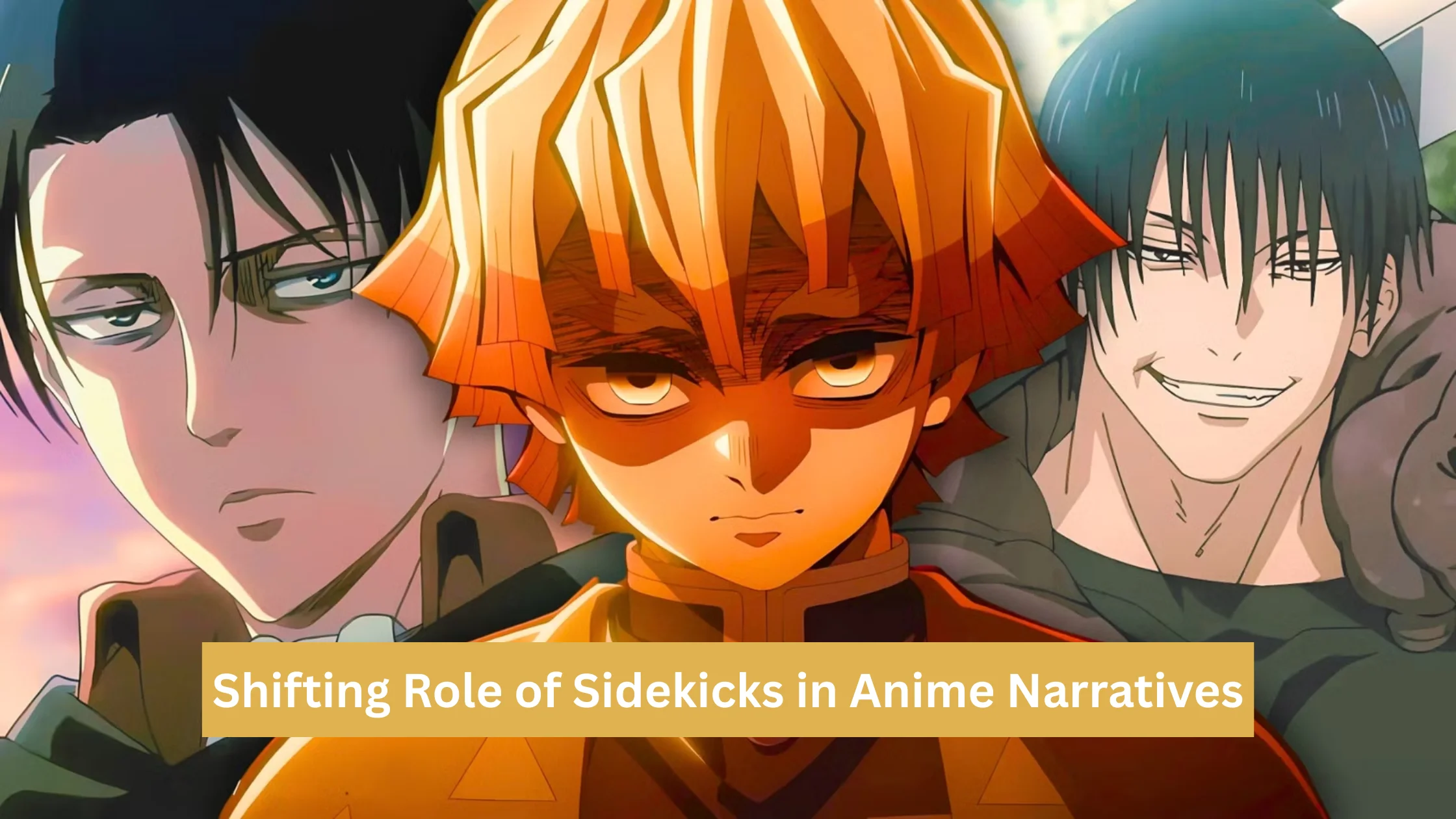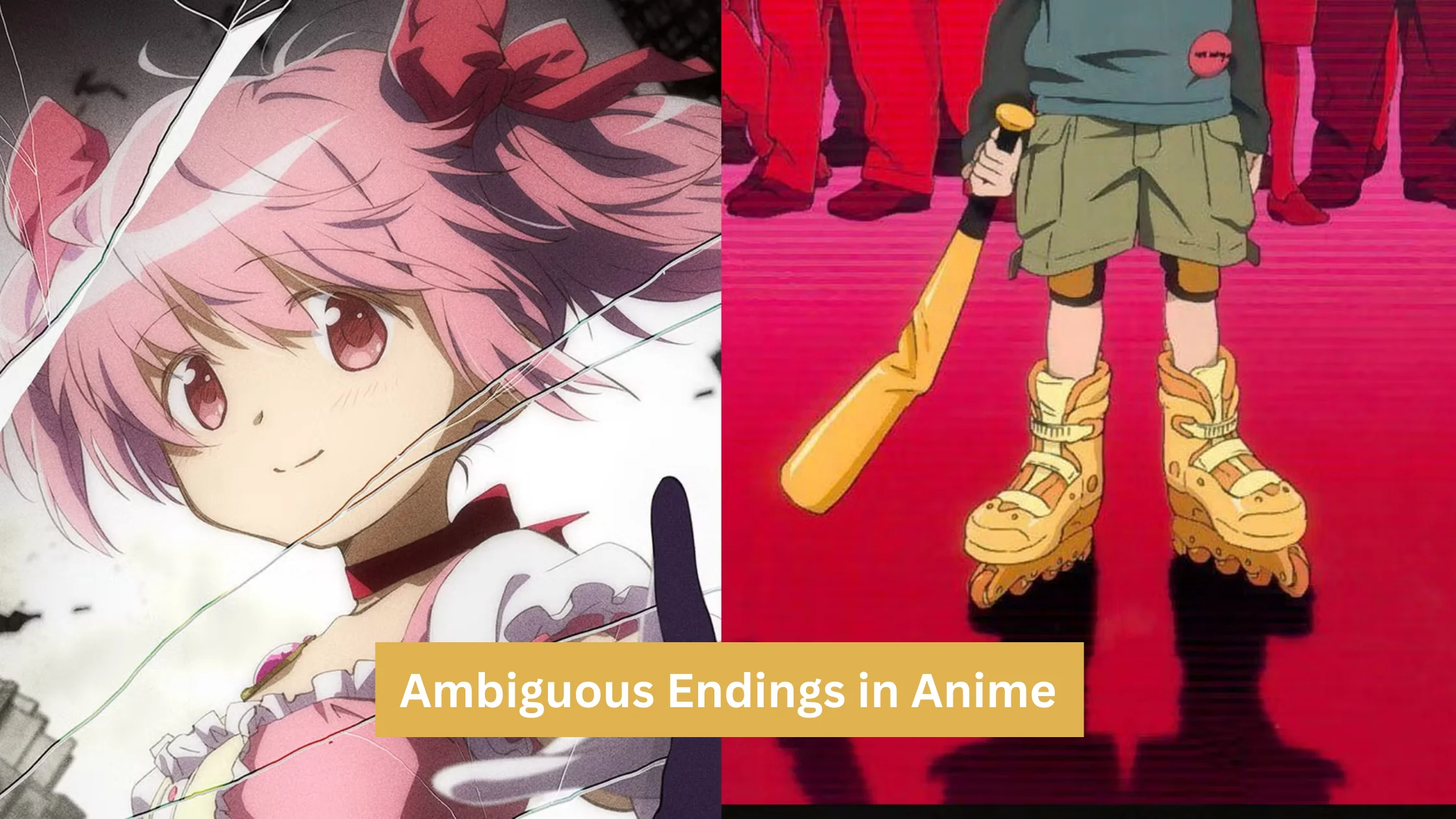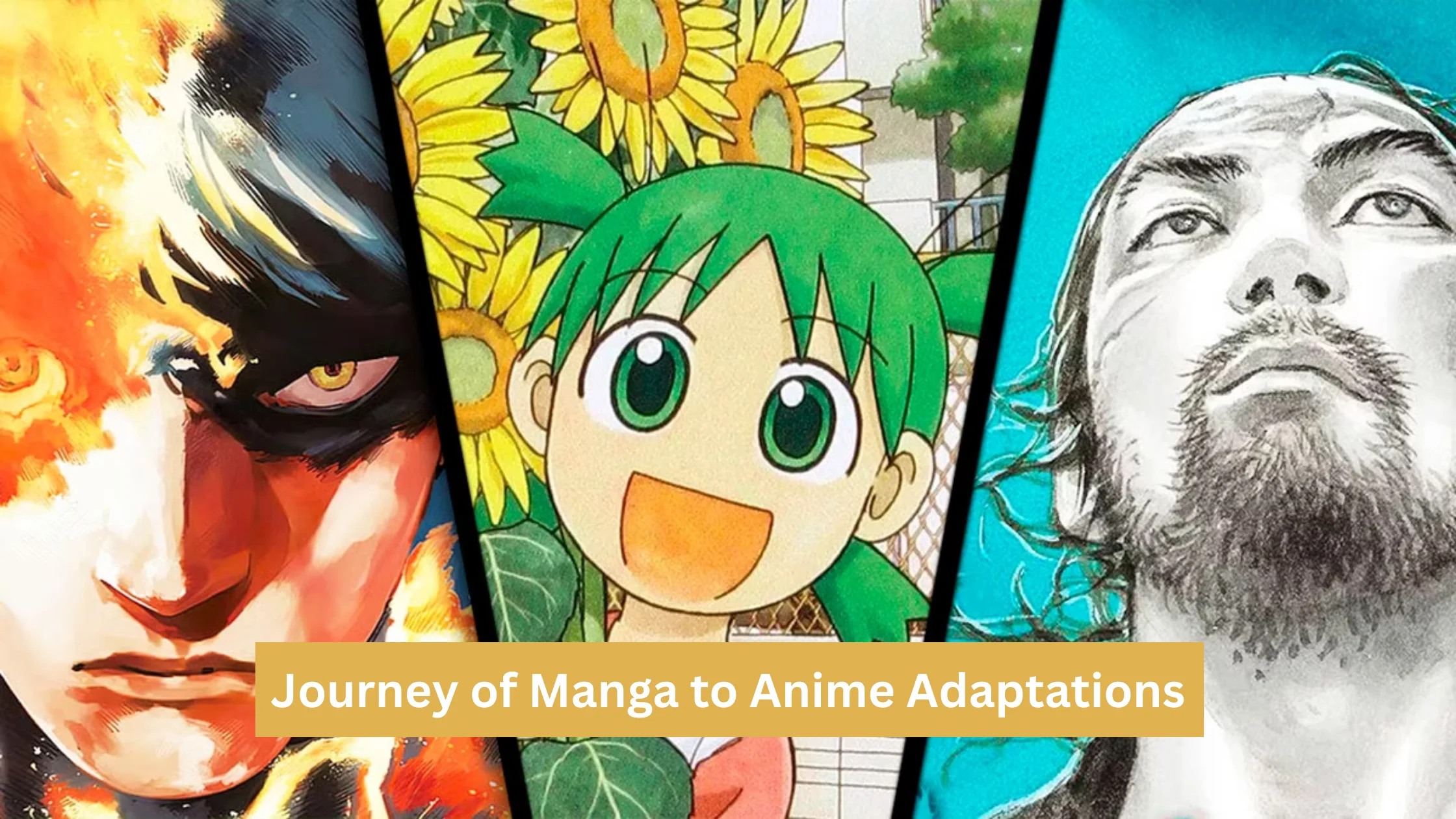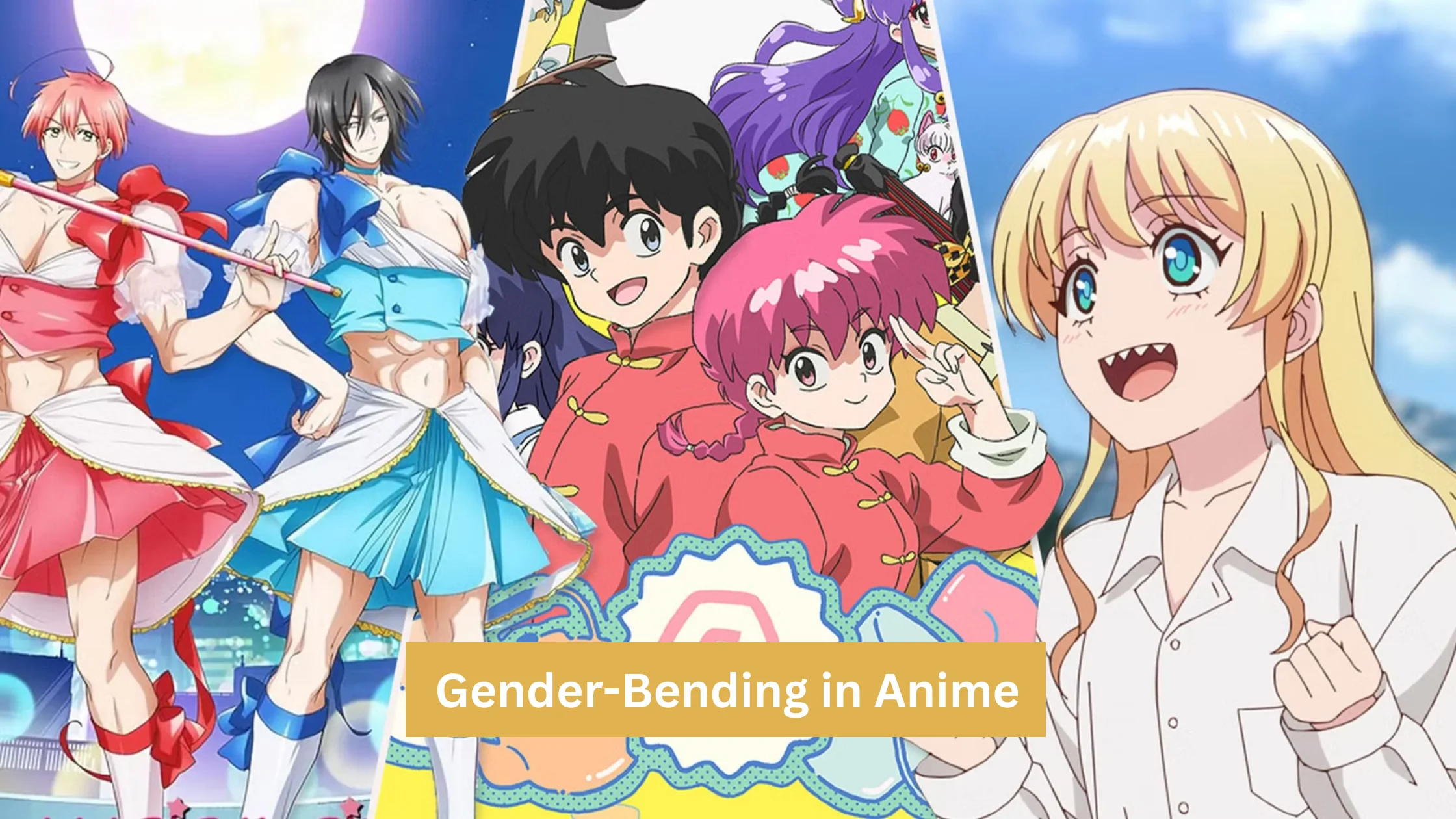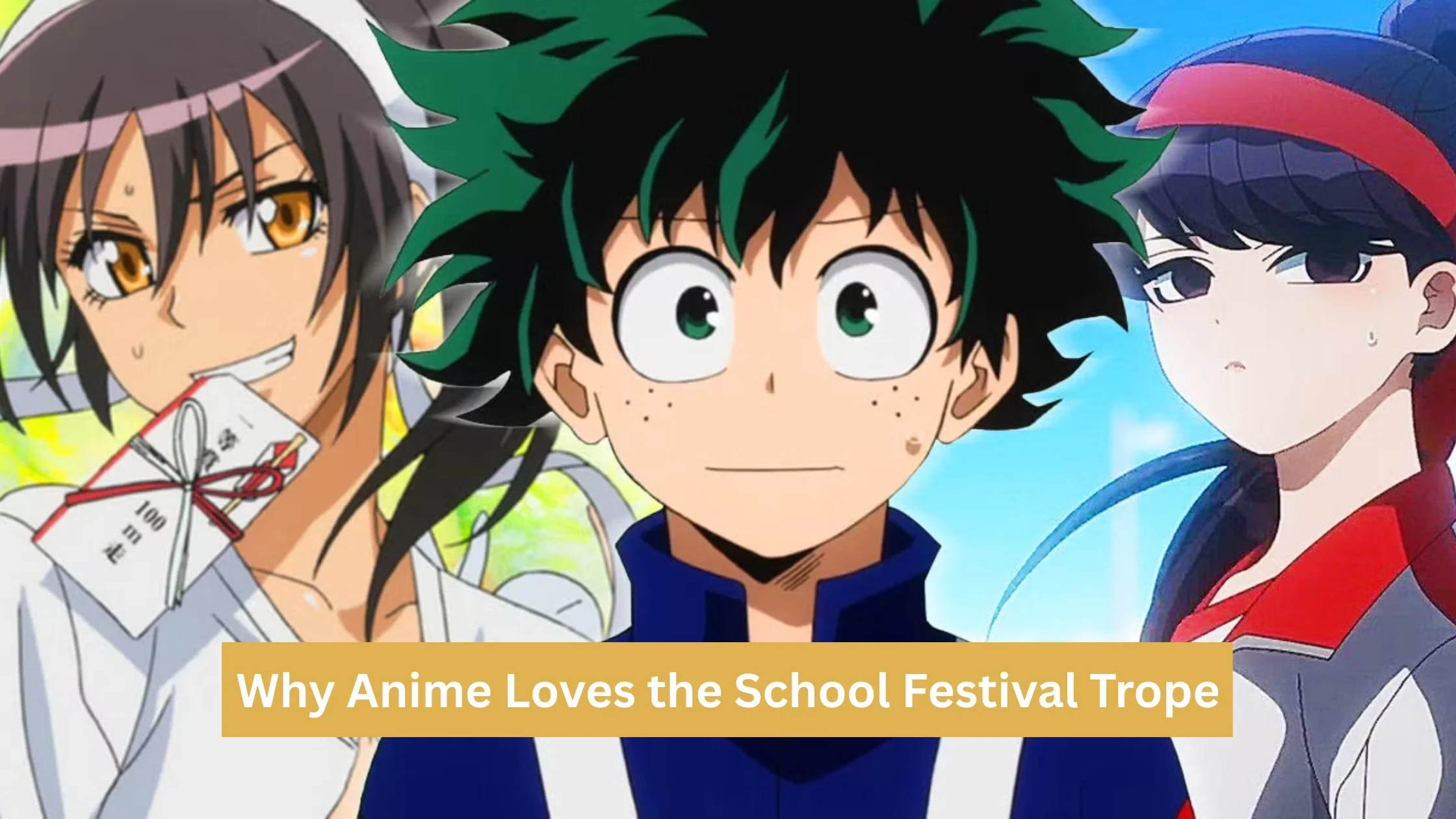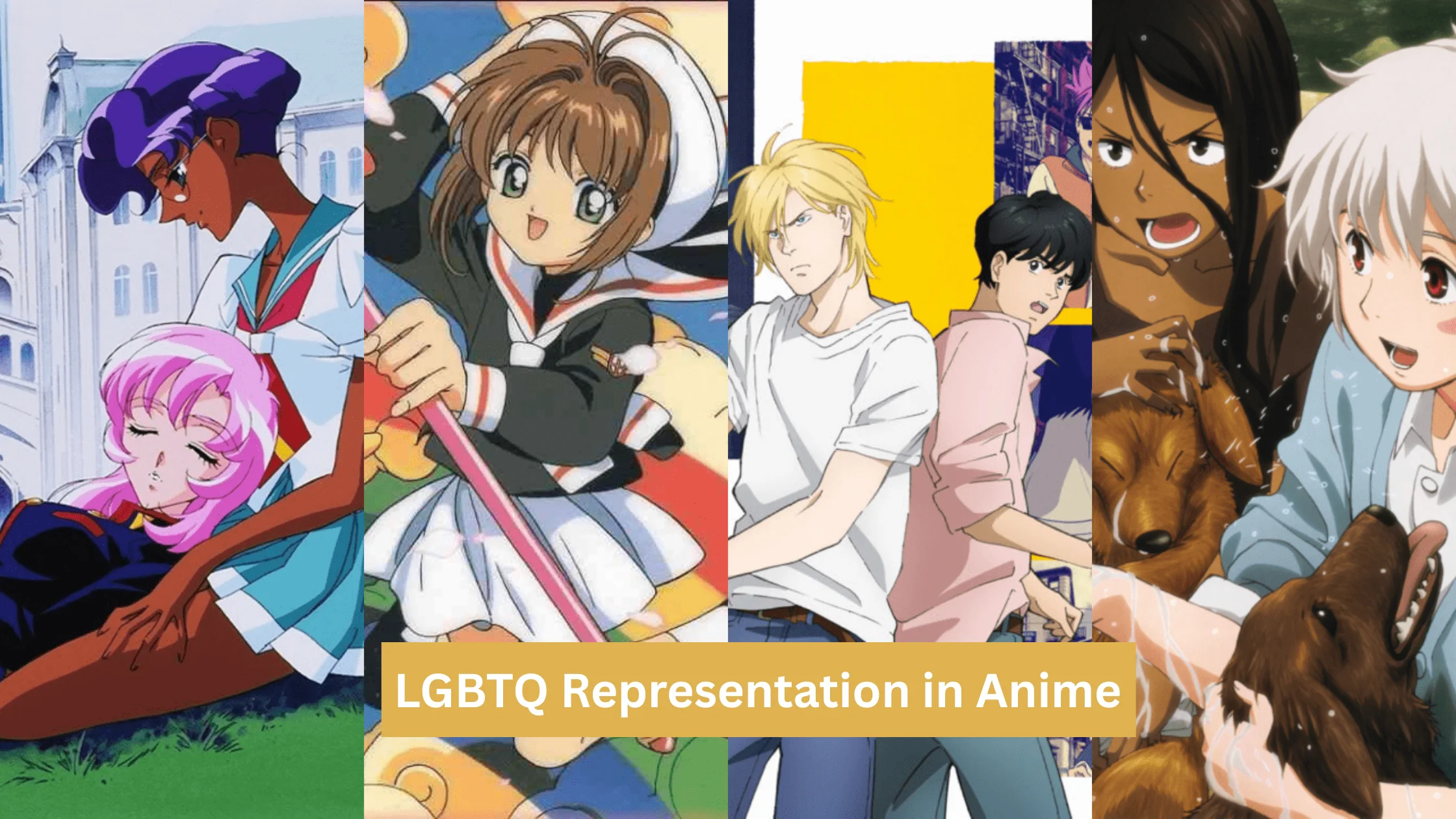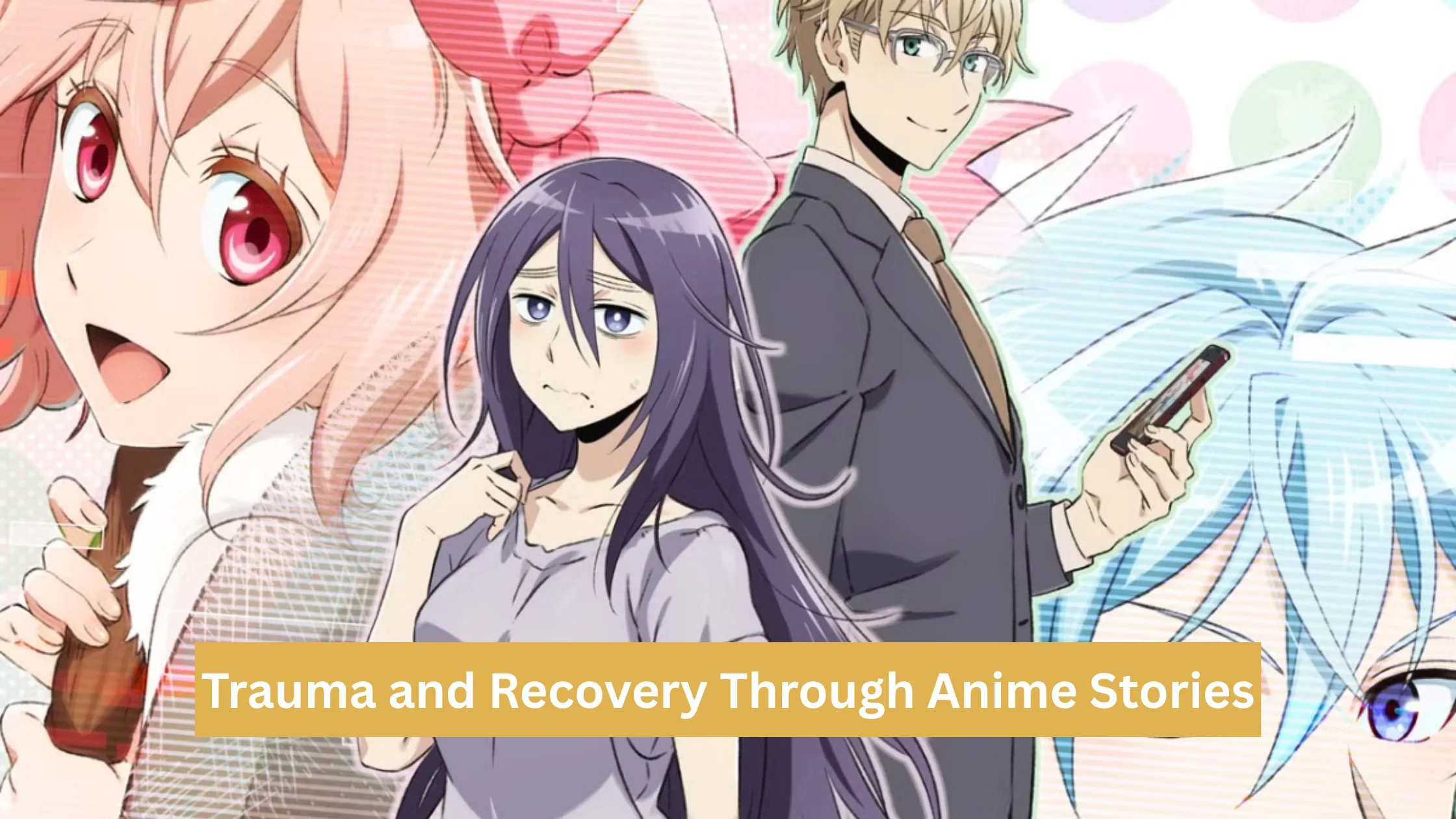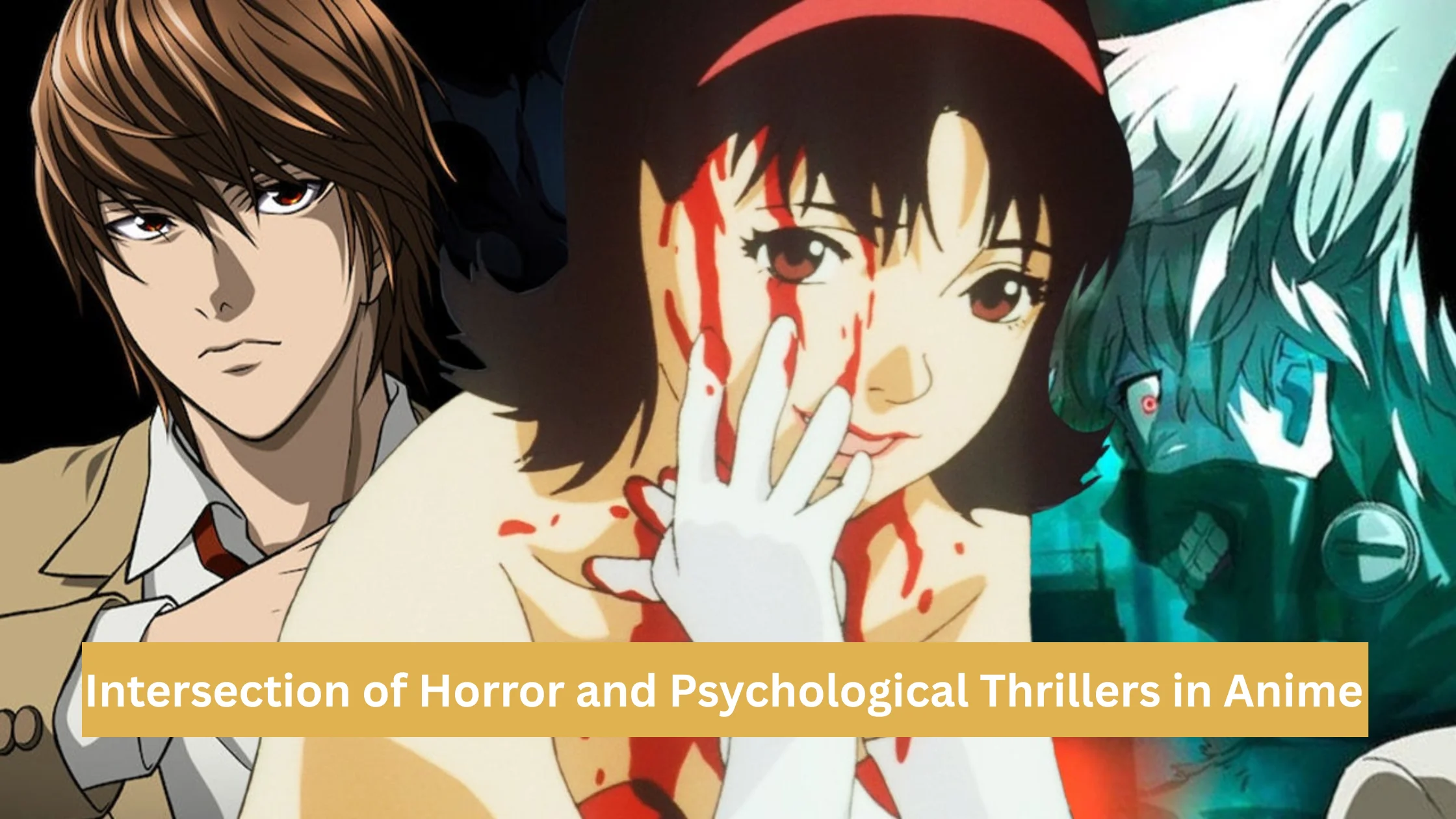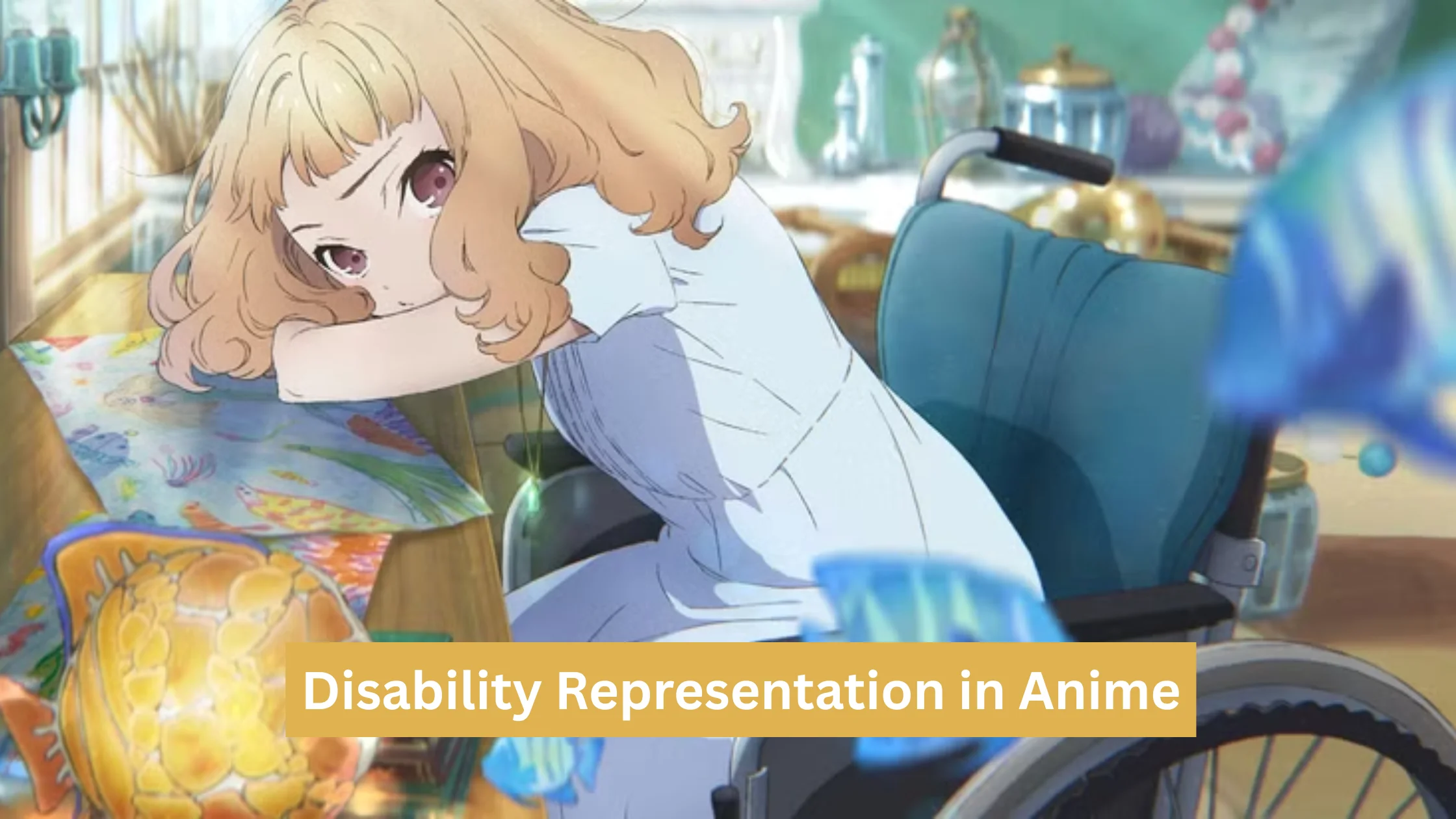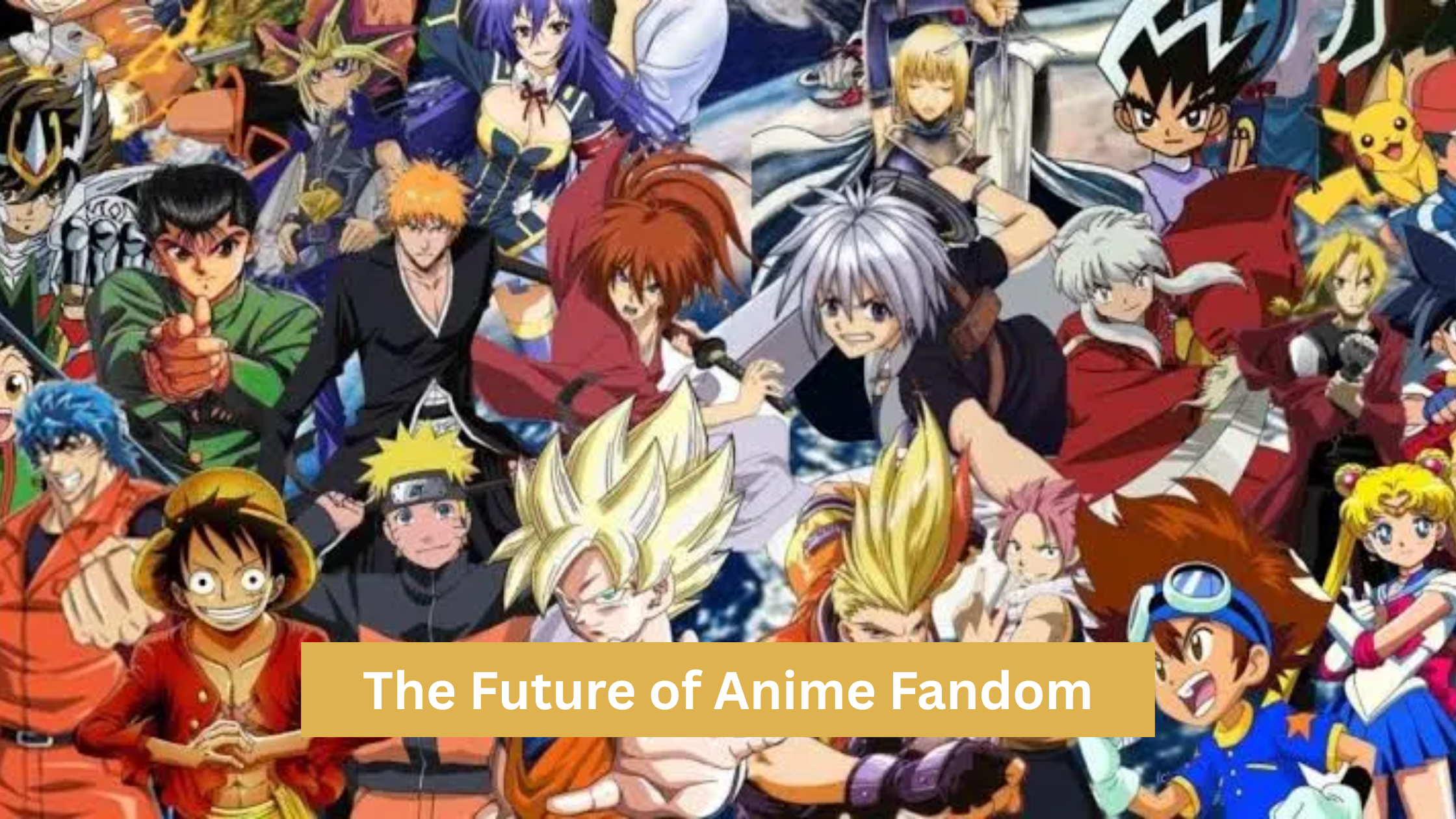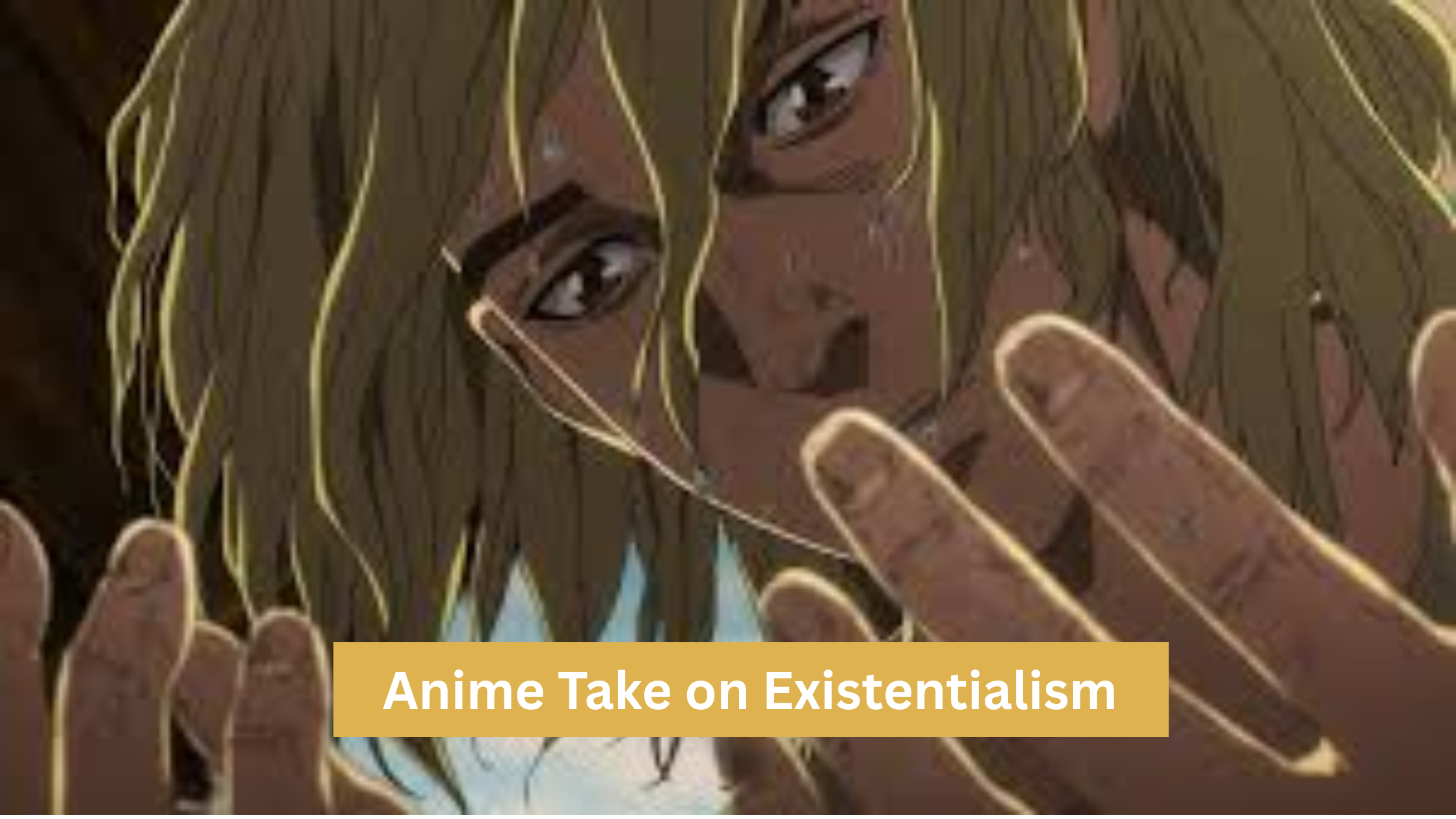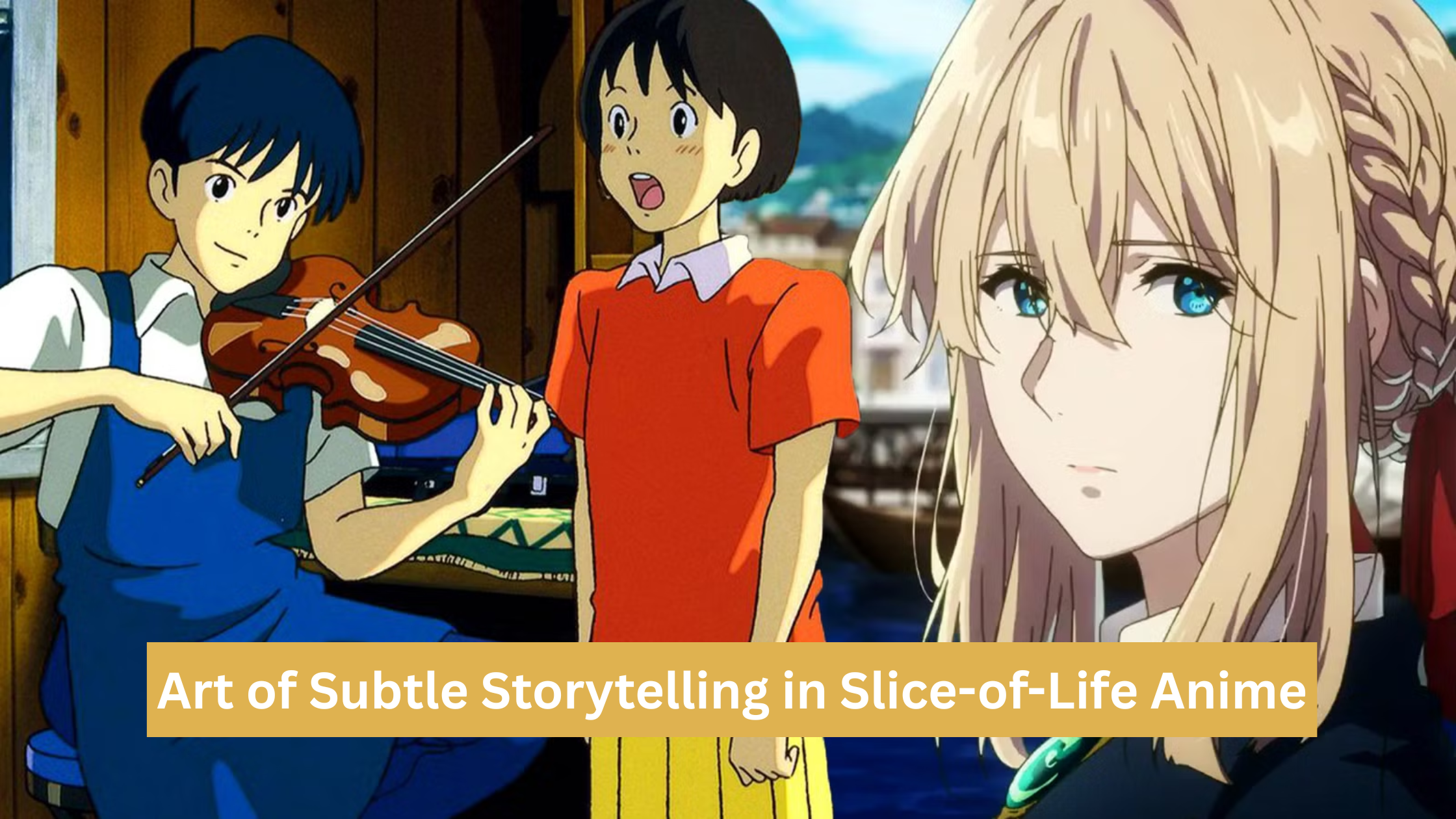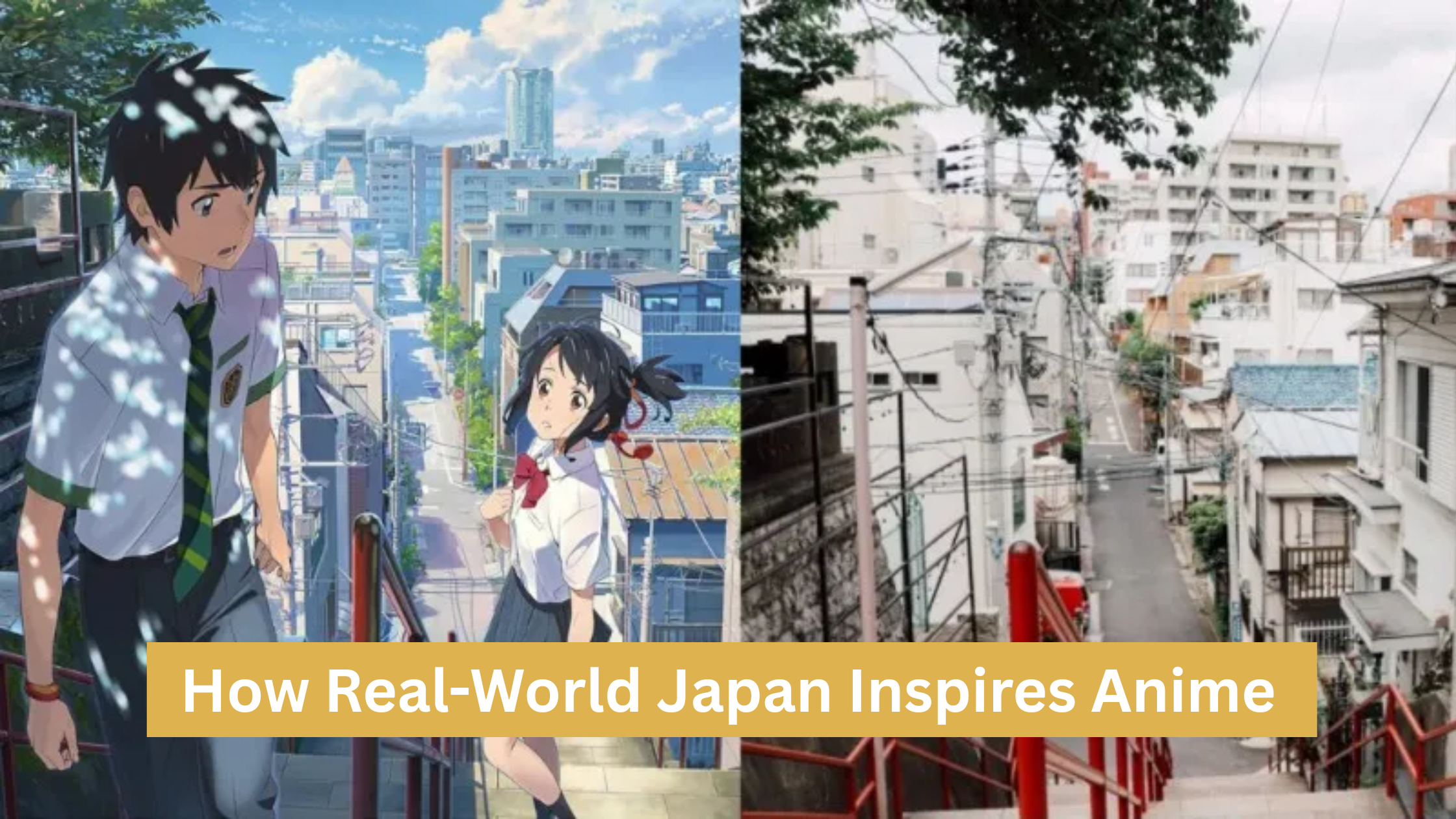

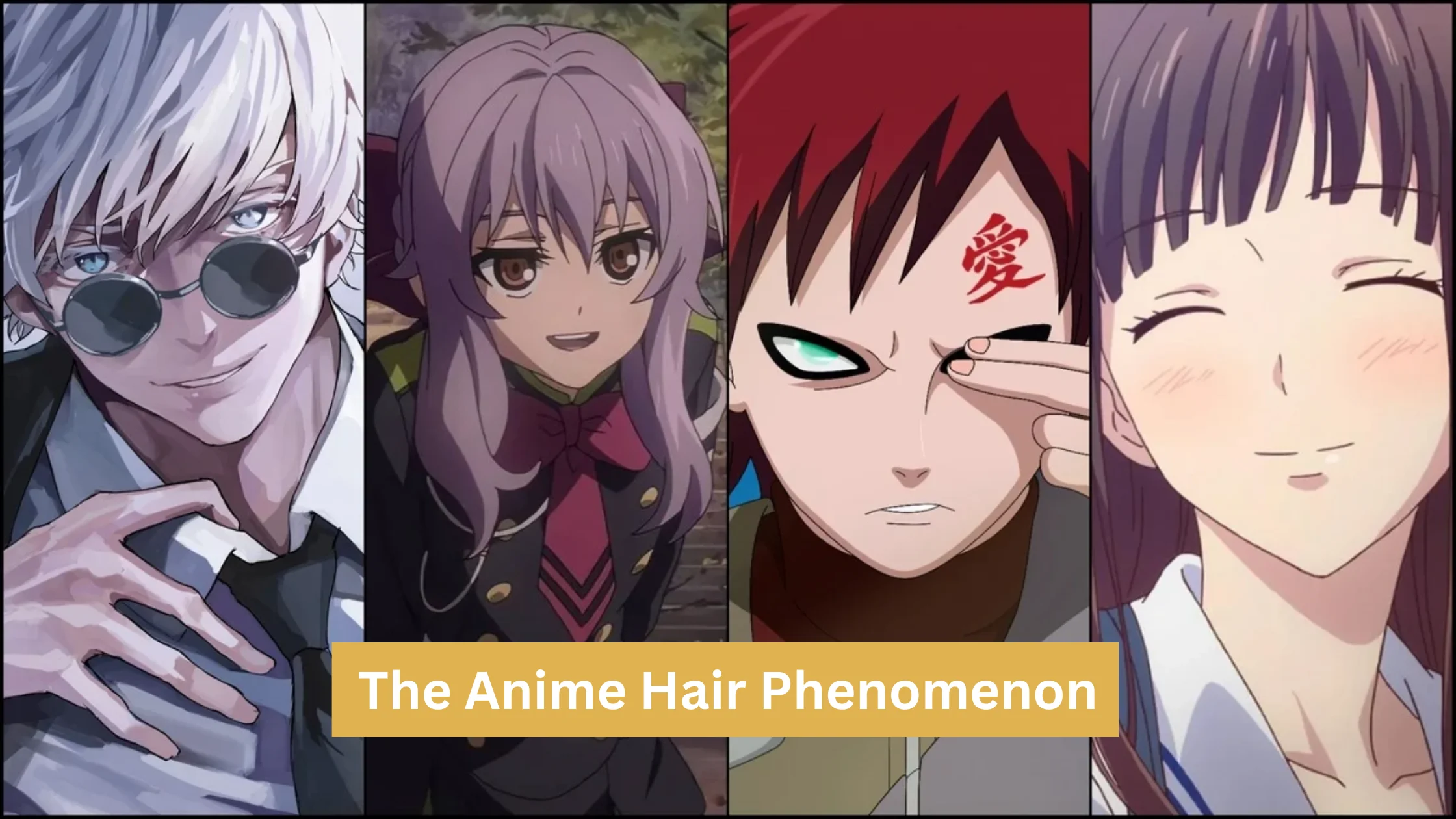
If you’ve ever watched anime, you’ve probably noticed one thing right away: the hair. Bright colors, gravity-defying shapes, and styles that defy all logic somehow express characters more boldly than dialogue ever can. Anime hair is more than visual flair. It tells us who a character is, what mood they embody, and even where they fit in a narrative. Sometimes, hair styles become so iconic that they spark memes, cosplay trends, and online fandom obsessions. That’s right — in anime, hair is not decoration. It’s storytelling.
Here, we’ll explore the wild world of anime hair. We’ll look at its history, its symbolic meaning, how it evolved into meme culture, and even what future styles might look like. Whether you love long flowing locks or shout with laughter at a particularly outrageous design, anime hair deserves a spotlight of its own.
History of Hair Symbolism
Hair has played a meaningful role in storytelling long before anime existed. In cultures across the world, hair can represent status, beauty, rebellion, and identity. In Japanese tradition, hairstyles once indicated class and profession. Samurai wore topknots. Geisha styled ornate buns. As visual storytelling evolved, so did hair symbolism.
When anime began adapting manga and creative illustrations for animation, hair became a visual shortcut. Early series used simple designs, but as the medium expanded, artists began experimenting with form and color. Hair became a visual language. It told audiences something essential about a character before a single line of dialogue was spoken.
Once this visual shorthand took hold, it became a staple. Today, anime hair functions as a bridge between appearance and narrative identity.
Color Coding and Archetypes
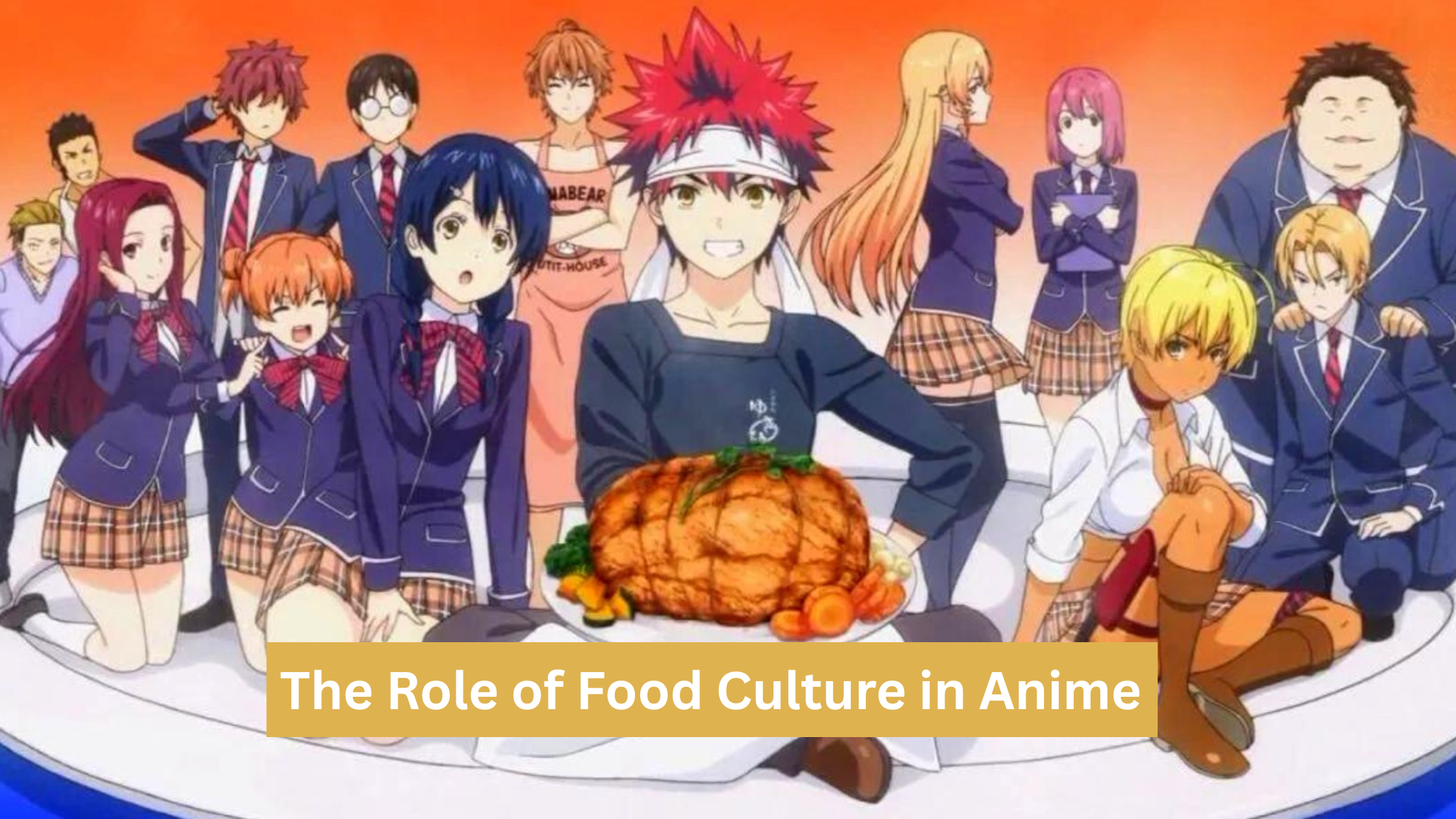
One of the earliest and most basic uses of anime hair is color coding. Certain colors became associated with particular traits. These associations formed not because they were written into rules, but because they worked. Audiences recognized them instantly.
Here are a few common examples:
- Black or brown hair often signals normalcy or grounded personalities. These characters feel relatable, ordinary, or emotionally stable.
- Blonde hair can indicate foreign origin, brightness, or energy. It often appears on confident or charismatic characters.
- Red hair hints at passion, fire, or strong will. These characters tend to be bold and unpredictable.
- Pink hair often marks cuteness, innocence, or playful energy. Sometimes, it shows inner complexity masked by a sweet appearance.
- White or silver hair suggests mystery, wisdom, or aloofness. These characters may feel otherworldly or wise beyond their years.
This color coding is not a strict law. Instead, it functions like tonal shading in painting. Characters can blend categories, contradict expectations, or reinterpret archetypes. But these colors provide shorthand that helps viewers emotionally orient themselves within a story.
Hair as Personality Shorthand
Beyond color, hair shape and length tell us a lot about personality. Long hair can suggest elegance or patience. Short, spiky hair hints at energy or rebellion. Odd accessories — like ribbons, clips, or unusual bangs — add unique charm points.
Some anime embrace hair as direct personality shorthand.
- A character with symmetrical, neat hair might be serious and organized.
- One with messy, animal-like tufts might be wild or free-spirited.
- A character with wild, multi-colored spikes likely exists in a fantasy world where normal rules don’t apply.
Viewers may laugh at these associations, but they work because they tap into visual intuition. Hair design helps an audience form expectations. When a story shifts those expectations, the result can be powerful storytelling.
Meme Origins and Viral Moments
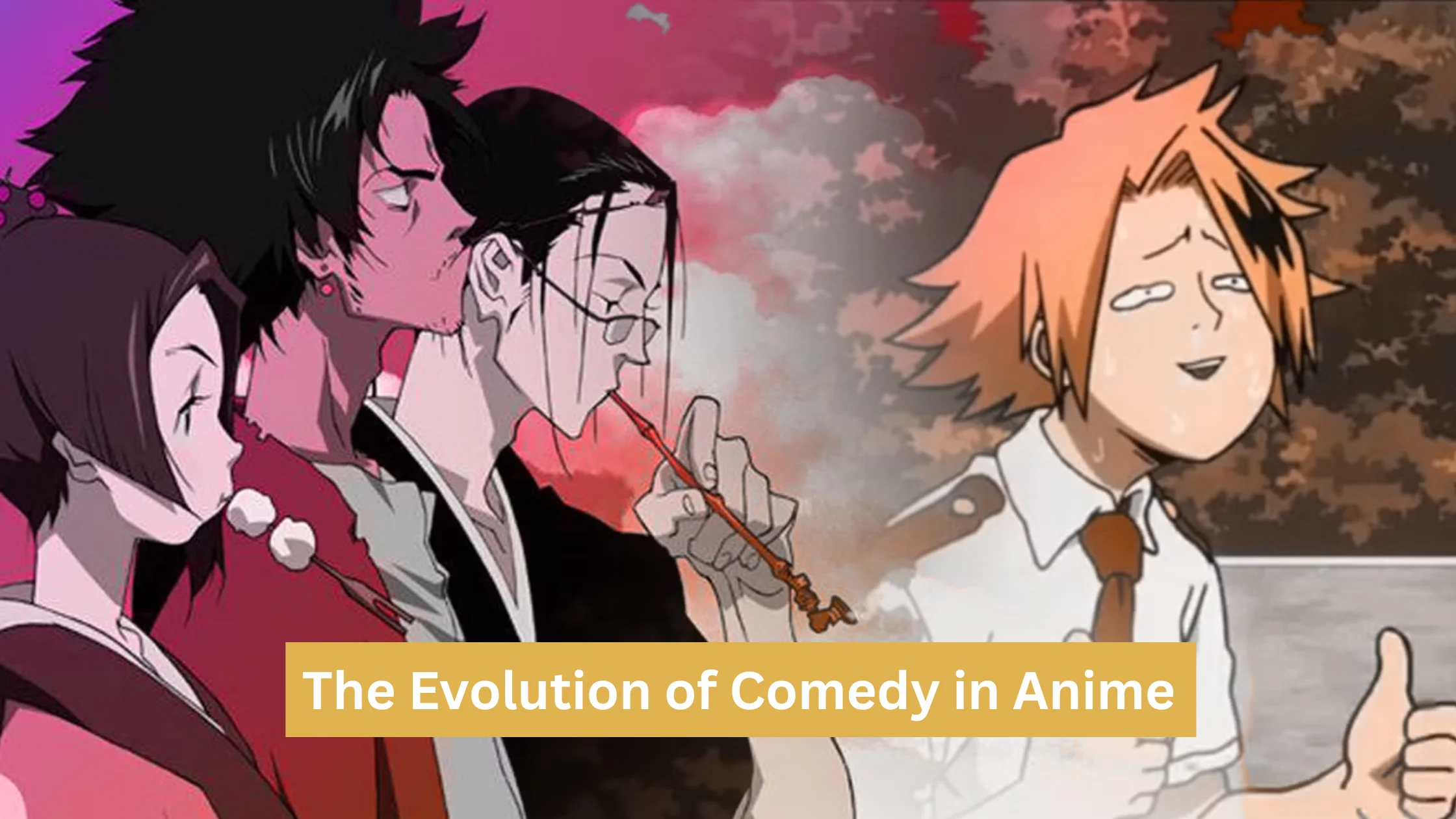
Once anime entered the internet age, hair became a memetic goldmine. Certain hairstyles became shorthand for entire genres or emotions.
Think of:
- The gravity-defying blond spikes of a certain Super Saiyan transformation. No one needed a name. Everyone knew what it stood for — power beyond limits.
- The twin tails meme that emerged, joking that twin tails equal 200% energy. In forums and comment threads, fans exaggerated the impact for humor.
- Or the now-classic pink hair excitement filter, where any cheerful moment featured a character suddenly sprouting iconic pastel locks to amplify joy.
Memes aren’t just jokes. They reflect how deeply certain visual elements embed in fan culture. Hair becomes symbolic shorthand in community language.
In many online spaces, hair references even extend beyond anime. A certain hairstyle might become a reaction image, a GIF, or an emoji stand-in for energy, defiance, or dramatic change.
Notable Style Evolutions
The evolution of anime hair parallels changes in animation technology and aesthetic trends. Early anime used simpler designs due to technical limits. As animation quality improved, hair designs grew more elaborate and expressive.
- The 1980s and 1990s introduced big, dynamic hair that conveyed motion and emotion. Characters like those from Sailor Moon used hair as part of transformation sequences and identity presentation.
- The 2000s brought crisp digital animation that allowed for detailed strand work, subtle gradients, and more realistic movement.
- The 2010s onward saw stylized layering, bold colors, and experimental designs in series like Kill la Kill and Promare.
Each era reflects technical capability and artistic fashion. As anime production tools became more advanced, hair became not only more beautiful but more symbolic. Texture, shine, movement, and shape all began to mirror emotional states.
Extreme Designs in Fantasy Anime
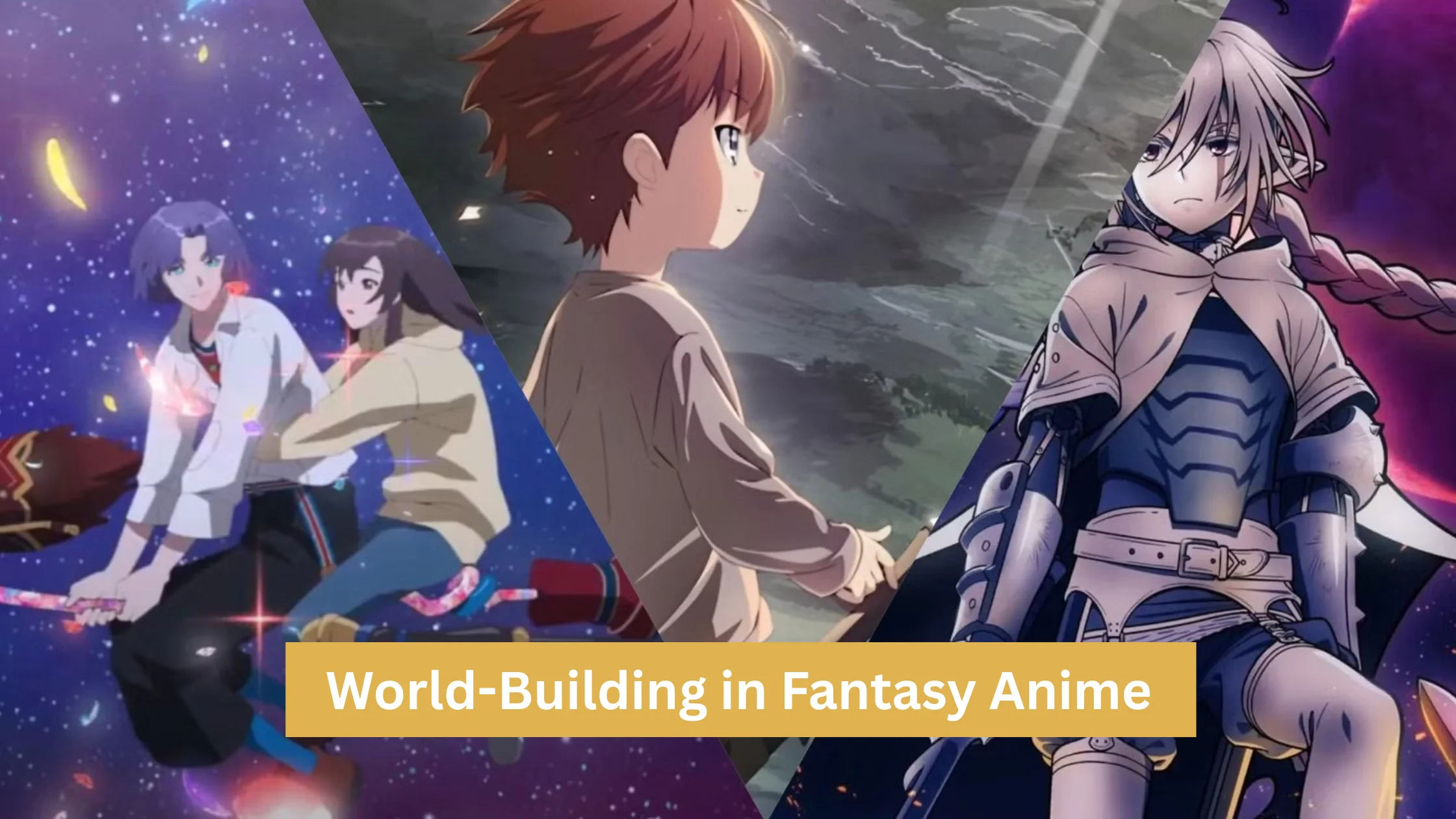
Fantasy anime take hair design to wild places. Here, hair defies physics, color rules, and even anatomy.
In world building, these extreme designs make sense. Magic, technology, and myth merge to create universes where normal biology no longer applies. So hair can float, glow, or shift throughout battle.
Examples include:
- Ultra-long flowing hair that acts as a cape or aura.
- Multi-colored streaks that pulse with power.
- Strange shapes that signal transformation or inner energy.
Fantasy hair is not simply decorative. It communicates supernatural elements in seconds. Viewers instantly recognize a character’s power state or identity change merely by watching the hue shift.
This design approach energizes action scenes. Hair becomes part of motion choreography, adding rhythm and drama to every frame.
Cosplay Influence Worldwide
Anime hair did not stay on screen. It leapt into real life through cosplay. Fans around the world recreate iconic hairstyles with wigs, styling products, and sheer dedication.
Cosplay culture thrives on visual recognition. If a hairstyle is instantly recognizable, cosplay photos become viral. Fans recreate signature looks not for fashion alone, but to connect with character identity.
At conventions, you see:
- Perfectly styled gravity-defying spikes.
- Pastel colors that gleam under lights.
- Elaborate wigs that replicate every curl and strand.
Many cosplayers elevate hair design to an art form. They spend hours customizing wigs, sewing attachments, and experimenting with textures. Some even integrate LED lights and other effects.
Cosplay transforms anime hair from fantasy into a physical expression of fandom. It shows how deeply visual language affects real-world participation.
Representation and Criticism
As playful and expressive as anime hair can be, it also faces critique. Some argue that extreme hairstyles reinforce unrealistic beauty standards or gender stereotypes.
For example, certain male characters dress with dramatic flair that defies traditional masculinity. Meanwhile, female characters often sport styles that exaggerate femininity for eye appeal. Critics see these as products of stylistic taste rather than balanced representation.
There are also discussions around cultural appropriation. Anime creators sometimes adopt styles from non-Japanese cultures but reinterpret them within anime logic. Fans and scholars debate whether such reinterpretations honor or dilute the source culture.
Another point of discussion is color symbolism. Associating certain traits with hair color may feel limiting. For example, pink hair often connotes sweetness, which may narrow how fans perceive characters with that color.
These critiques push anime communities to think more deeply about visual language. They remind creators to balance imaginative expression with thoughtful representation.
Fanart Creativity
Fans do not just cosplay. They also create art inspired by hair design. Fanart communities thrive on redesigns, alternate color palettes, and crossovers.
Artists remix hairstyles across genres. Imagine a samurai from a historical anime with electric blue hair or a space pilot from a sci-fi series with twin tails.
Fanart shows that hair design is not static. It becomes a creative playground. It even inspires official artists to experiment with new looks in spin-offs or promotional art.
Fan creativity also reinforces community identity. Shared edits, redraw challenges, and hair-based design prompts keep fans engaged across platforms.
In this way, hair becomes a tool for communal expression and aesthetic exploration.
Predictions for Future Anime Hair
What comes next for anime hair?
With digital tools improving, we will see even more fluid movement, realistic lighting, and emotional integration. Animation studios are experimenting with physics engines that make hair react to wind, water, and energy flows more naturally.
We may also see:
- Cultural blending where traditional Japanese styles mix with global trends.
- Interactive storytelling where hair changes based on viewer influences in real-time media.
- Symbolic evolution where hair color and style become even stronger narrative tools.
Hair may even integrate with augmented reality (AR) storytelling, allowing fans to project characters into real spaces with visual fidelity that mimics anime physics.
Future designs will likely balance creativity with identity. Bold looks will remain, but they may serve even deeper emotional and narrative goals.
Anime hair will not become predictable. It will continue to surprise, define, and inspire.
Conclusion
Anime hair is so much more than stylistic decoration. It is a symbolic language that conveys personality, emotion, and narrative function at a glance. From historical art influence to modern meme culture, from classic color coding to extreme fantasy designs, hair in anime communicates beyond words.
It shapes fandom. It fuels cosplay. It inspires fanart and online trends. It becomes part of our shared cultural lexicon. Whether viewers notice it consciously, hair design affects how we connect with characters and how we remember stories.
In the end, anime hair tells us something deeper about storytelling itself. Great visual design does not just show beauty. It reveals identity, emotion, growth, and connection. Hair designs — whether bold, subtle, or surreal — help anime speak to hearts everywhere.
So the next time you see a character with unforgettable hair, take a moment to appreciate what that design is saying. It is not random. It is not simply stylish. It is storytelling at its most expressive.