
Introduction
Anime is often praised for its characters, stories, and emotional depth. However, one powerful element is frequently overlooked: architecture. Buildings in anime are never just backgrounds. They quietly communicate mood, power, history, and identity.
From towering castles to crowded city streets, architectural design plays a symbolic role in shaping how viewers experience the story.
Unlike real-world architecture, anime settings are not limited by physics, budgets, or time periods. Creators can blend historical influences with futuristic ideas, or turn ordinary spaces into emotional landmarks. As a result, architecture becomes a storytelling tool rather than a simple visual detail.
Moreover, anime architecture reflects cultural values and social questions. A peaceful village may represent harmony, while a sprawling megacity might symbolize isolation or control. Every structure carries intention. Every street tells a story.
In this article, we will explore how anime uses architecture symbolically. We will move from studio design philosophies to historical roots, modern cities, fantasy worlds, and future trends. Along the way, we will uncover how buildings shape movement, emotion, and meaning in anime narratives.
Studio Design Philosophies
Anime architecture often begins with the philosophy of the studio itself. Each major studio approaches world design with a distinct mindset. This philosophy shapes how buildings look, feel, and function within a story.
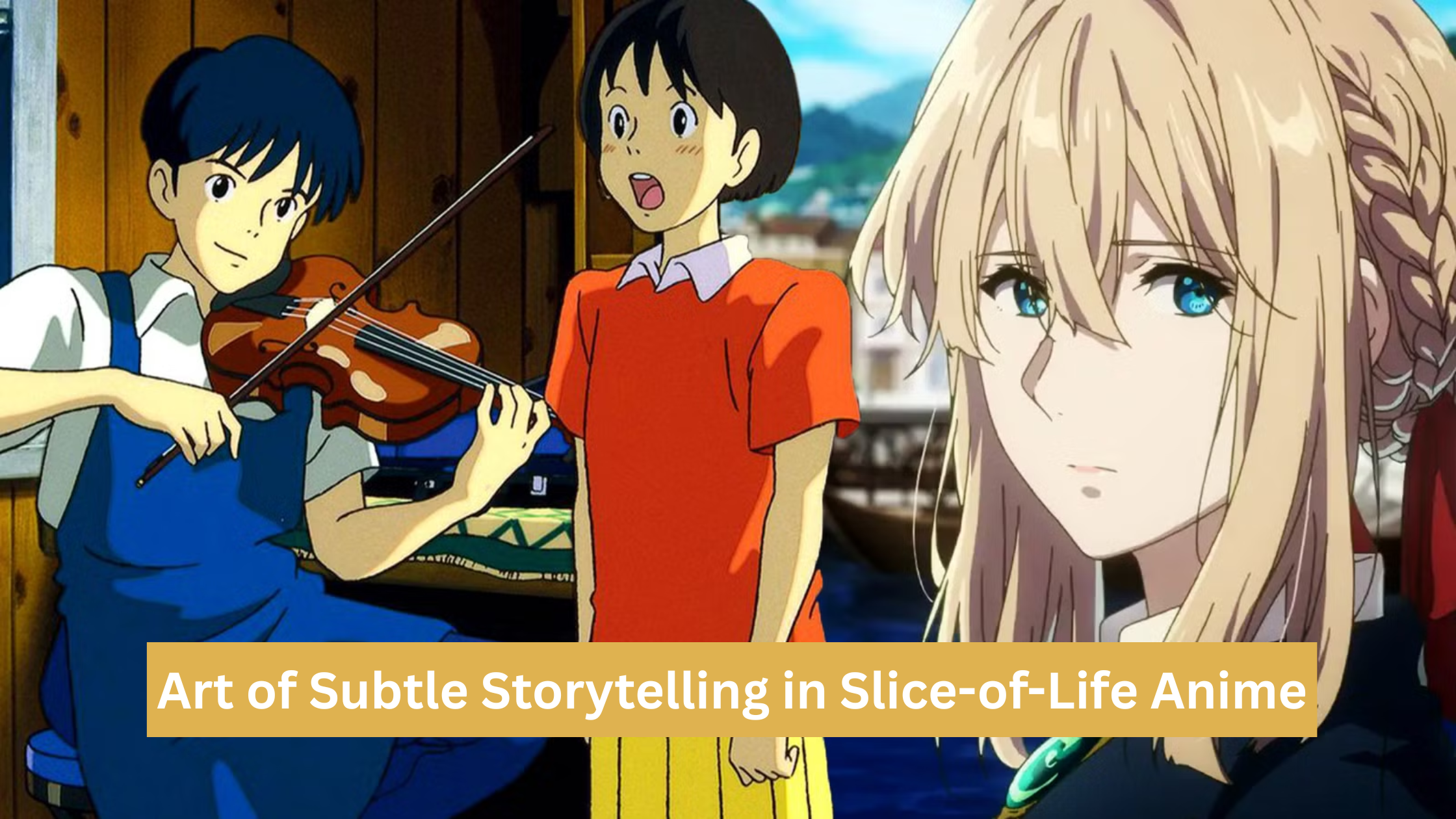
Studio Ghibli offers a clear example. Their architectural style focuses on warmth and lived-in realism. Buildings appear imperfect, slightly worn, and deeply connected to nature. Houses blend into landscapes rather than dominating them. This approach reflects Ghibli’s recurring themes of coexistence and environmental respect.
On the other hand, studios like Production I.G often emphasize scale and structure. Their cities feel planned, controlled, and sometimes oppressive. Clean lines, metallic surfaces, and towering buildings create a sense of authority. This design philosophy supports stories that explore surveillance, power, and identity.
Meanwhile, studios such as Shaft take a more abstract route. Architecture becomes symbolic rather than realistic. Empty streets, exaggerated staircases, and impossible interiors reflect psychological states. In these cases, buildings mirror emotions instead of physical reality.
Across studios, design philosophies often focus on:
- How architecture supports the story’s themes
- Whether realism or symbolism takes priority
- The emotional tone created by space and structure
- The relationship between humans and their environments
Because of these philosophies, viewers can often identify a studio’s work just by observing the buildings. Architecture becomes a visual signature. It silently communicates what kind of story is about to unfold.
Historical Inspirations
Many anime settings draw inspiration from real historical architecture. These influences ground fantastical stories in familiar visual language. At the same time, they add depth and authenticity to fictional worlds.
Japanese history plays a major role in shaping architectural symbolism. Traditional wooden houses, shrines, and castles appear frequently in anime. These structures often represent stability, tradition, or spiritual balance. When a story returns to such spaces, it usually signals reflection or emotional grounding.
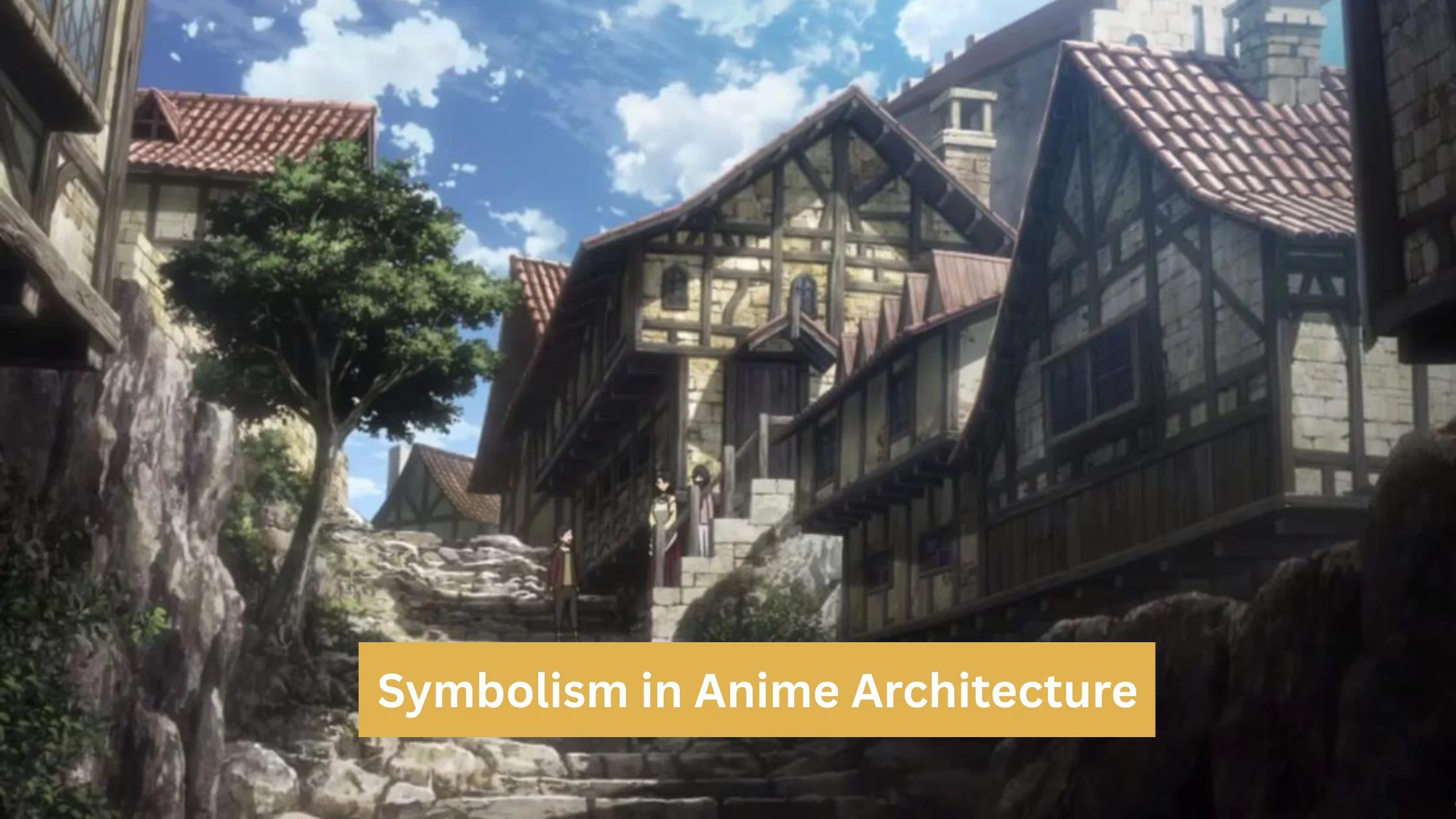
European architecture also appears often, especially in fantasy and period-inspired anime. Stone castles, Gothic cathedrals, and medieval towns create a sense of grandeur and hierarchy. These buildings symbolize power structures, noble lineages, and political conflict.
What makes anime unique is how it blends historical elements. A single city might feature medieval walls alongside industrial machinery. This fusion reflects the tension between past and progress. It also mirrors real-world struggles between tradition and modernization.
Historical inspirations in anime architecture often serve to:
- Establish a believable cultural foundation
- Convey social hierarchy and authority
- Evoke nostalgia or lost eras
- Highlight contrasts between old and new values
Rather than copying history directly, anime reinterprets it. Architects in anime worlds reshape historical styles to fit emotional and thematic needs. As a result, viewers feel both familiarity and wonder at the same time.
Modern Urban Landscapes
Modern cities in anime are some of the most visually striking environments in the medium. They are dense, layered, and full of symbolic meaning. These urban landscapes often reflect the pressures of contemporary life.
Tall buildings dominate the skyline in many anime cities. They symbolize ambition, corporate power, and human achievement. At the same time, they can feel overwhelmed. The streets below appear crowded and chaotic. This contrast highlights how individuals can feel small within massive systems.
Neon lights and digital signage appear frequently in cyberpunk and sci-fi anime. These elements represent constant stimulation and information overload. While visually exciting, they also suggest loss of privacy and emotional distance.
Interestingly, modern anime cities often feel alive even when empty. Rain-soaked streets, glowing windows, and distant traffic sounds create an atmosphere. These spaces reflect loneliness as much as energy.
Common symbolic elements in anime urban design include:
- High-rise buildings representing authority and control
- Narrow alleyways suggesting hidden lives and secrets
- Public transportation symbolizing routine and repetition
- Rooftops acting as spaces for freedom and reflection
Through these details, anime turns cities into emotional landscapes. They do not simply host stories. They participate in them.
Fantasy Architecture in World-Building
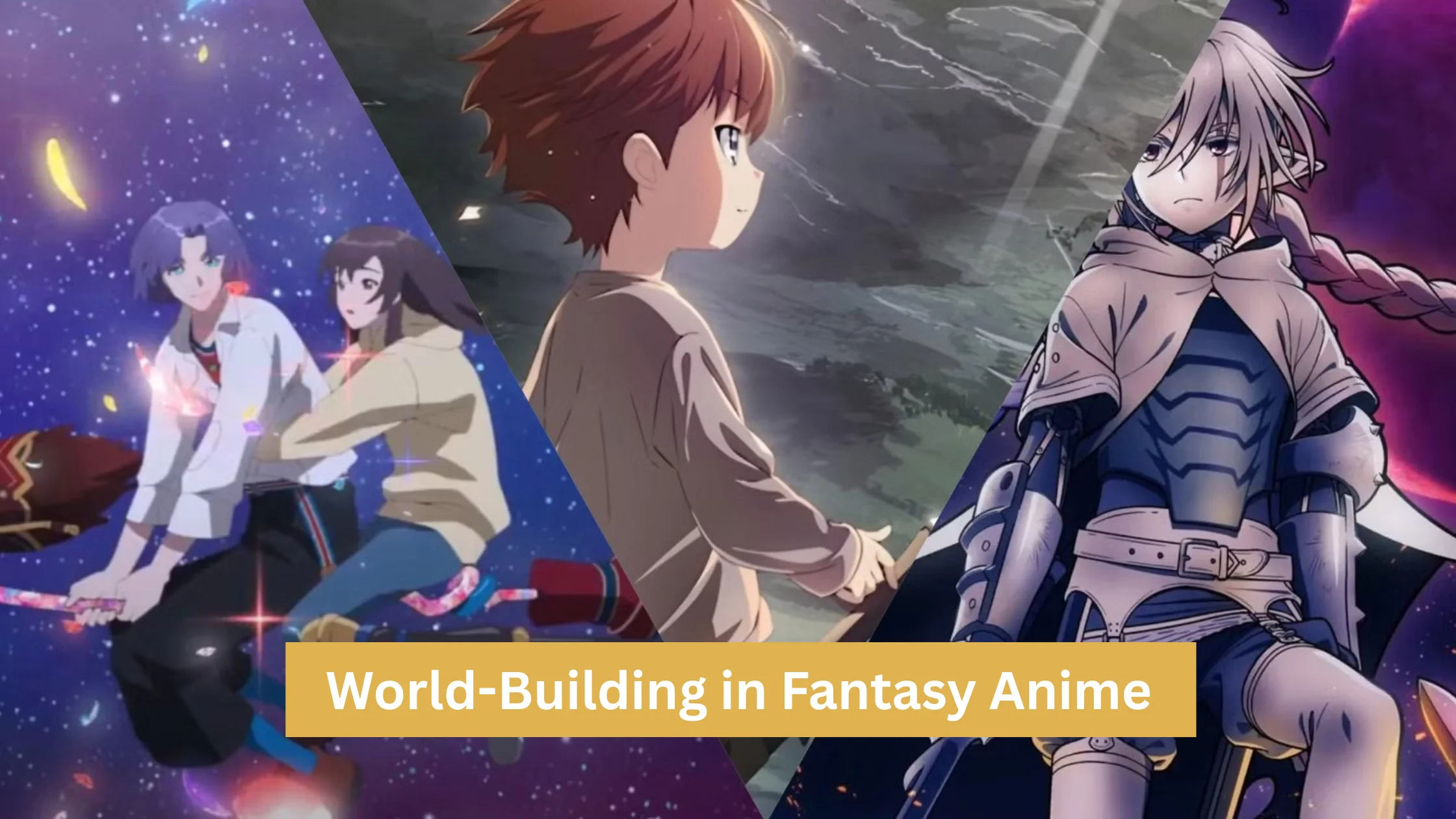
Fantasy anime relies heavily on architecture to establish believable worlds. Since these settings do not exist in reality, buildings become visual anchors. They help viewers understand rules, cultures, and power structures without long explanations.
Castles are one of the most common fantasy structures in anime. However, they are rarely just royal homes. Their size, shape, and location often symbolize authority and isolation. A castle placed high on a mountain suggests distance from common people. In contrast, a castle built within a city may imply political involvement or vulnerability.
Villages and towns also carry meaning. Circular layouts often represent unity and protection. Scattered settlements suggest freedom but also danger. Materials matter too. Stone implies permanence. Wood suggests adaptability and connection to nature.
Magic-focused worlds often feature architecture that defies logic. Floating cities, endless staircases, and organic structures challenge realism. These designs signal that the world operates under different rules. Viewers immediately understand that imagination drives reality here.
Fantasy architecture strengthens world-building by:
- Establishing cultural identity without dialogue
- Reinforcing power dynamics visually
- Guiding emotional responses to locations
- Making imaginary worlds feel lived-in
Through architecture, fantasy anime invites viewers to explore. Every building feels intentional. Every space adds depth to the world.
Color Theory Applied to Settings
Color plays a major role in how anime architecture is perceived. Buildings may stay the same, but color choices transform their emotional impact. Anime creators use color theory carefully to guide mood and meaning.
Warm colors often dominate peaceful settings. Soft browns, oranges, and greens create a sense of comfort. These colors appear frequently in homes, rural towns, and nostalgic flashbacks. They signal safety and belonging.
In contrast, cold colors dominate tense or futuristic spaces. Blues, greys, and metallic shades create emotional distance. These palettes appear in laboratories, corporate offices, and dystopian cities. They reflect control, logic, and emotional restraint.
Color contrast also directs attention. A brightly colored building in a muted city becomes important instantly. It may represent hope, rebellion, or individuality.
Anime architecture uses color to:
- Communicate emotional tone quickly
- Separate safe spaces from dangerous ones
- Reflect character psychology
- Enhance symbolic storytelling
Because of this, color is never random. It works alongside structure to deepen narrative meaning.
Impact on Character Movement
Architecture shapes how characters move, and movement shapes storytelling. In anime, spaces guide pacing, tension, and emotional expression.
Wide open spaces allow free movement. Characters run, fight, or reflect openly. These environments suggest freedom or confrontation. In contrast, narrow corridors restrict motion. They create tension and force close interactions.
Stairs appear often and carry strong symbolism. Climbing suggests growth or struggle. Descending can signal fear or loss of control. Bridges represent transitions, both physical and emotional.
Urban environments influence movement differently. Crowds slow characters down. Trains and elevators emphasize routine. Rooftops offer escape and perspective.
Architectural design affects movement by:
- Controlling pacing and rhythm
- Enhancing emotional intensity
- Directing viewer focus
- Supporting symbolic actions
Because of this, architecture becomes an invisible director. It tells characters where to go and how to feel while moving.
Cultural Symbolism
Anime architecture reflects cultural values deeply rooted in Japanese society. Even when settings feel fictional, cultural symbolism remains present.
Traditional structures often symbolize harmony and respect. Shrines and temples represent spiritual balance. Their quiet spaces encourage reflection. When characters visit these locations, it often marks emotional turning points.
Modern buildings reflect social change. Office towers symbolize work culture and pressure. Apartments show isolation despite population density. Schools represent both growth and conformity.
Blended spaces highlight cultural tension. Old houses surrounded by new developments show struggle between tradition and progress. Anime uses this contrast to explore identity.
Cultural symbolism appears through:
- Building placement and orientation
- Material choices
- Spatial relationships
- Environmental interaction
Through architecture, anime communicates cultural values without explanation. Viewers feel them instinctively.
Tourist Pilgrimages to Anime Locations
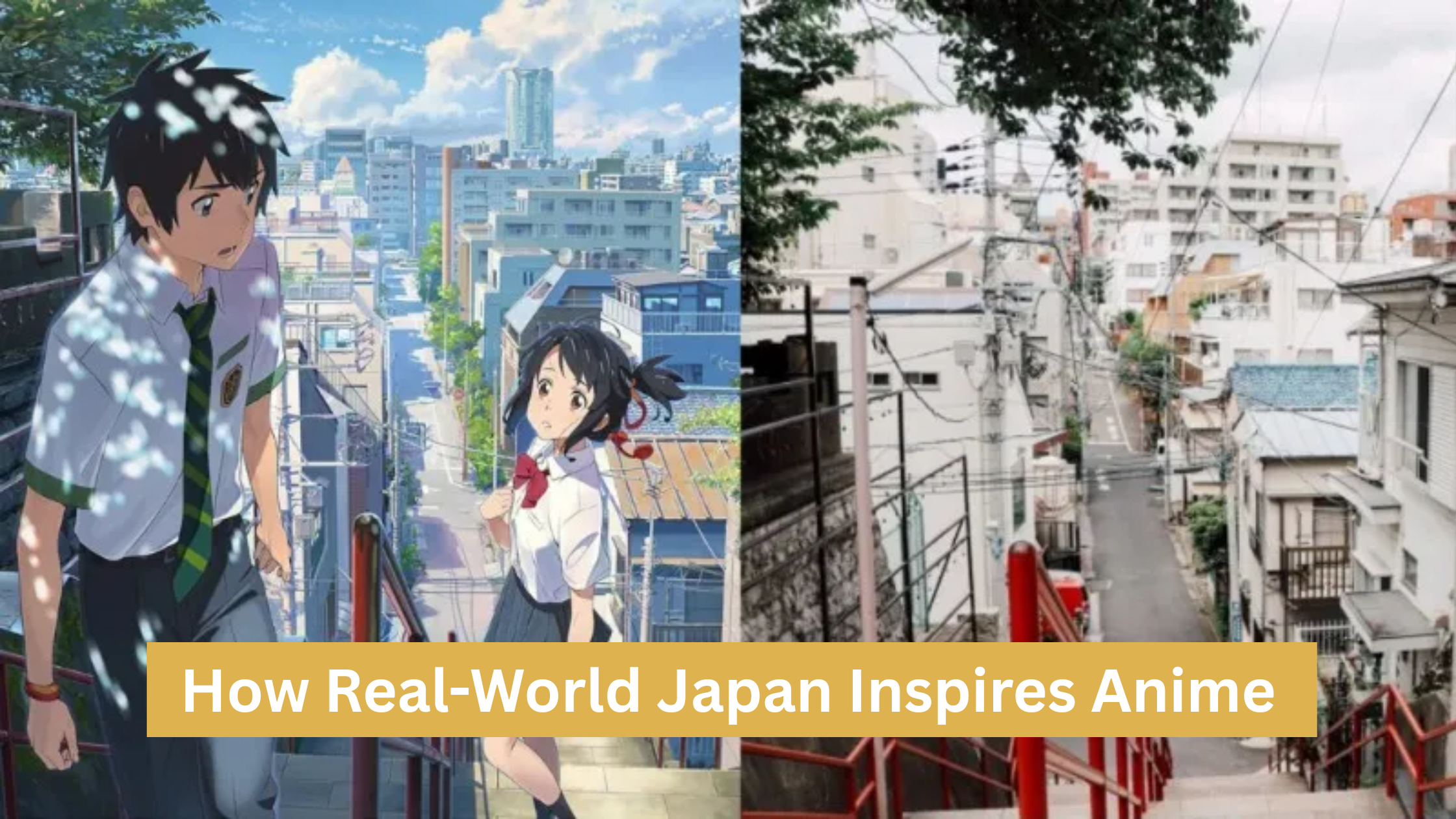
Anime architecture has inspired real-world travel. Fans visit locations that inspired or resemble anime settings. These journeys are often called pilgrimages.
Cities, towns, and landmarks gain emotional significance through anime. A staircase becomes iconic. A bridge becomes meaningful. Even ordinary streets attract attention.
These locations feel familiar because anime captured their essence. Slight exaggerations make them memorable. Visitors experience a blend of fiction and reality.
Pilgrimage culture shows how architecture connects storytelling to real life. It transforms passive viewing into personal experience.
This phenomenon highlights:
- Emotional attachment to spaces
- Architecture as cultural memory
- Anime’s global influence
- The power of visual storytelling
Buildings become shared symbols across cultures.
Changes in Style Over Decades
Anime architecture has evolved significantly. Early anime used simpler designs due to technical limits. Backgrounds served basic functions.
As technology improved, detail increased. Digital tools allowed complex lighting, textures, and scale. Cities became layered. Worlds felt deeper.
Thematic focus also shifted. Older anime emphasized optimism and exploration. Modern anime often explores anxiety and fragmentation. Architecture reflects this change.
Trends over time include:
- Increased realism
- More symbolic abstraction
- Stronger emotional focus
- Greater environmental storytelling
Architecture continues to adapt with storytelling needs.
Future of Architectural Storytelling
The future of anime architecture looks promising. Virtual reality, AI, and advanced animation tools expand possibilities.
Worlds may become more interactive. Architecture may respond to characters emotionally. Dynamic environments could evolve during stories.
Sustainability themes may influence design. Nature-integrated cities and reclaimed spaces could become more common.
What will remain constant is symbolism. Architecture will continue to tell stories silently.
Conclusion
Anime architecture is far more than visual decoration. It is a language of its own. Through castles, cities, and fantasy worlds, buildings communicate emotion, culture, and conflict. They guide movement, reflect psychology, and shape narrative tone.
From historical inspirations to futuristic visions, anime uses architecture to bridge imagination and reality. Viewers may not always notice it consciously, but they feel its impact deeply.
As anime continues to evolve, architectural storytelling will remain essential. Every wall, street, and skyline will continue to whisper meaning, inviting audiences to explore not just worlds, but ideas.