
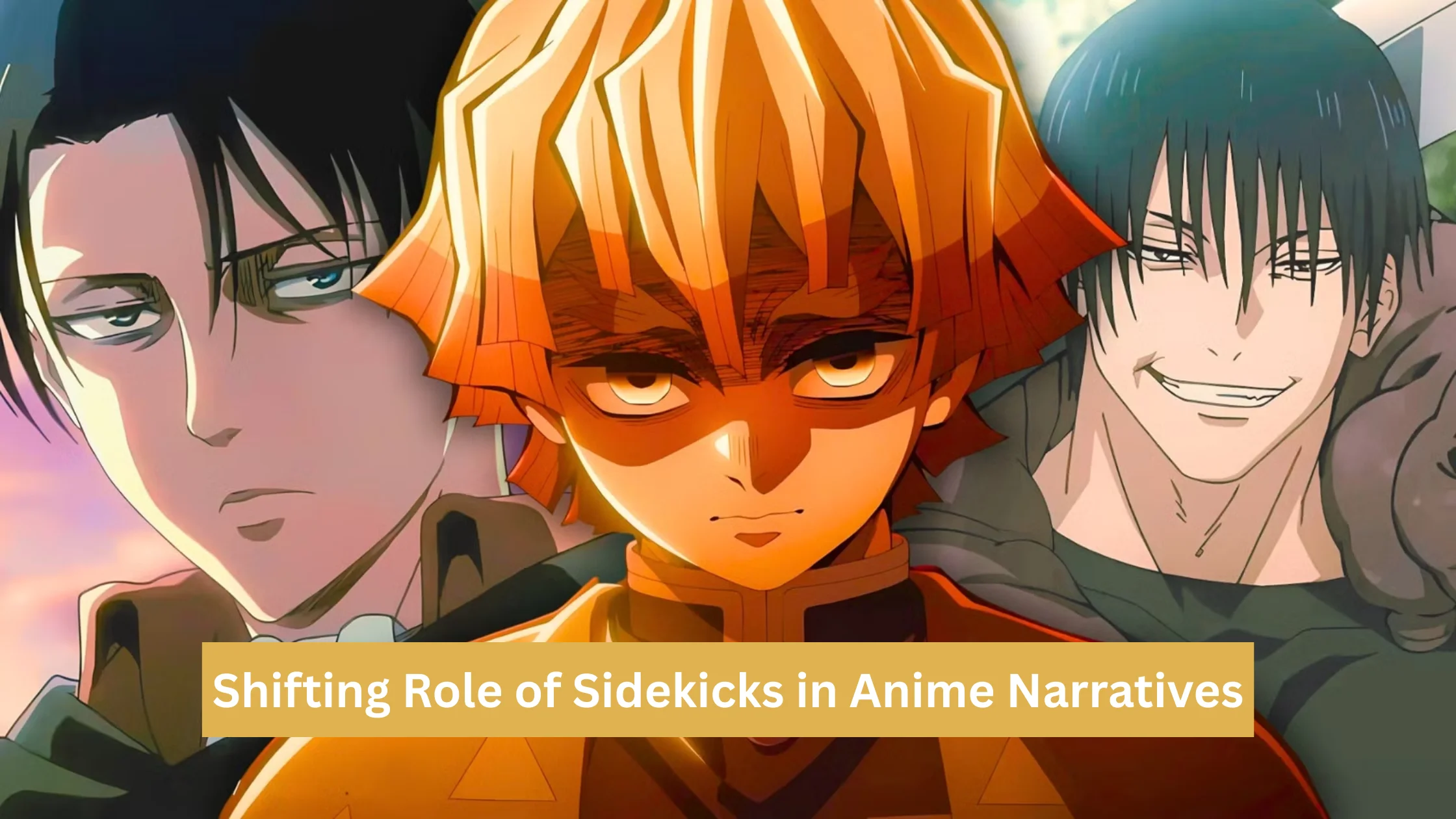
Sidekicks have always played an important role in anime storytelling. For years, they stood just behind the hero, offering support, humor, or guidance when the main character needed it most. However, as anime narratives have grown more complex, the role of the sidekick has quietly transformed. Today, sidekicks are no longer limited to standing in the background. Instead, they often shape the story in powerful and unexpected ways.
Modern anime treats sidekicks as fully realized individuals. They have personal goals, emotional struggles, and moments of triumph. Sometimes, they even challenge the protagonist or step into the spotlight themselves. This shift reflects a broader change in storytelling, where relationships matter as much as heroic journeys.
As audiences grow more invested in character depth, sidekicks have evolved from simple companions into essential narrative forces. Understanding this evolution helps explain why these characters now resonate so strongly with viewers across genres.
History of Sidekick Archetypes
In early anime, sidekicks followed clear and familiar patterns. They existed mainly to support the hero and reinforce the central narrative. Often younger, weaker, or less confident, these characters highlighted the protagonist’s strength and growth by contrast. Their purpose was simple and rarely questioned.
Many early sidekicks provided comic relief. Their clumsiness or exaggerated reactions added lightness to serious stories. This helped balance tension and made intense moments more accessible for younger audiences. At the same time, dramatic sidekicks acted as loyal companions who believed in the hero even when no one else did.
As anime matured, these archetypes began to shift. Writers started giving sidekicks backstories and motivations of their own. Instead of existing only to serve the hero, they gained independent identities. This change allowed sidekicks to evolve alongside protagonists rather than remain static figures.
Over time, anime moved away from rigid character roles. Sidekicks became emotional anchors, moral guides, and sometimes the voice of realism. This early transformation laid the foundation for the more prominent and complex sidekick roles seen in modern anime.
Comic versus Dramatic Sidekicks
Sidekicks in anime often fall into two broad categories: comic and dramatic. For a long time, comic sidekicks dominated the screen. They cracked jokes, exaggerated emotions, and broke tension during intense moments. Their humor made heavy stories feel lighter and helped audiences stay emotionally engaged without feeling overwhelmed.
Comic sidekicks usually rely on expressive animation and sharp timing. Their reactions are quick, their dialogue playful, and their presence energetic. Even when the plot grows serious, these characters remind viewers that not every moment needs to carry heavy weight. This balance has made them especially popular in long-running series.
Dramatic sidekicks, however, serve a different purpose. Instead of humor, they bring emotional depth and grounding. These characters often share the protagonist’s struggles and fears. They question decisions, offer moral support, or challenge reckless behavior. Through them, the story gains emotional realism.
In recent years, anime has blended these roles more smoothly. Many sidekicks now shift between humor and seriousness depending on the situation. This flexibility makes them feel more human. Rather than fitting into a single mold, modern sidekicks adapt as the story demands, deepening their connection with both the protagonist and the audience.
Sidekick-Focused Spin-offs
As sidekicks grew more popular, studios began to recognize their storytelling potential beyond supporting roles. This led to the rise of sidekick-focused spin-offs, where these characters finally step into the spotlight. Instead of revolving around the main hero, these stories explore the world through the sidekick’s perspective.
Spin-offs allow writers to slow down and dig deeper. Sidekicks who once reacted to events now drive them. Their fears, ambitions, and unresolved conflicts become central themes. This shift often reveals layers that were only hinted at in the original series, making familiar characters feel fresh and surprising.
These narratives also benefit from creative freedom. Without the pressure of following the main storyline, spin-offs experiment with tone and structure. Some lean into slice-of-life storytelling, while others explore darker or more emotional paths. Fans appreciate seeing how sidekicks handle responsibility when they are no longer standing in someone else’s shadow.
Most importantly, sidekick-focused spin-offs validate audience attachment. They acknowledge that viewers form deep connections with characters beyond the protagonist. By giving sidekicks their own journeys, anime reinforces the idea that every character’s story matters.
Equal Partnerships
One of the most noticeable shifts in modern anime is the move from sidekicks as supporters to sidekicks as equals. Instead of following orders or standing behind the hero, many sidekicks now share responsibility and decision-making. This change creates partnerships rather than hierarchies.
In these stories, strength is not measured by who leads but by how characters complement each other. One partner may excel in strategy while the other thrives in action. Emotional intelligence, patience, or experience can be just as valuable as raw power. Sidekicks contribute in ways that are essential, not optional.
Equal partnerships also lead to stronger character dynamics. Conversations feel more balanced. Disagreements carry weight. When conflict arises, it comes from differing viewpoints rather than blind loyalty. This makes relationships feel more authentic and emotionally engaging.
For viewers, these partnerships are refreshing. They reflect real-life teamwork, where success depends on trust and collaboration. By treating sidekicks as equals, anime reinforces the idea that shared growth is more powerful than solo heroism.
Role in Major Plot Twists
Sidekicks increasingly play crucial roles in major anime plot twists. Instead of being passive observers, they often become the turning point of the story. Their choices, secrets, or sacrifices can reshape the narrative in ways viewers do not expect.
Because sidekicks usually earn audience trust early on, their actions carry strong emotional impact. When a sidekick reveals hidden knowledge, changes allegiance, or challenges the protagonist’s beliefs, the moment feels powerful. These twists work because viewers have already formed a connection with the character.
In some cases, sidekicks act as moral mirrors. They question dangerous paths and force protagonists to confront uncomfortable truths. In others, they make difficult decisions that the hero cannot. This adds tension and complexity to the story, moving it beyond simple good-versus-evil themes.
By placing sidekicks at the center of key twists, anime emphasizes shared responsibility in storytelling. The narrative no longer depends on a single hero. Instead, it unfolds through collective choices, making the story richer and more unpredictable.
Voice Acting Synergy
Voice acting plays a major role in bringing sidekicks to life. In anime, the chemistry between voice actors often defines how relationships feel on screen. Sidekicks benefit especially from this synergy because their emotional range can shift quickly between humor, concern, and determination.
Studios carefully cast voice actors whose tones complement the protagonist’s performance. A calmer voice may balance an energetic lead, while a sharp or expressive delivery can add contrast. These choices help sidekicks stand out without overpowering the main character.
Strong voice acting also deepens emotional moments. A slight pause, a change in pitch, or a quiet line delivery can convey loyalty, frustration, or fear more effectively than dialogue alone. When sidekicks support or challenge the protagonist, the emotional weight feels genuine.
This vocal harmony strengthens audience attachment. Viewers do not just remember what sidekicks say, but how they say it. Through skilled voice acting, sidekicks gain personality, warmth, and presence that elevates their role within the narrative.
Merchandising Opportunities
As sidekicks gain popularity and narrative importance, their presence in anime merchandising has expanded significantly. Once limited to small accessories or background appearances, sidekicks now headline product lines alongside main characters. Fans want to take home figures, apparel, and collectibles that represent the full cast they love.
Sidekicks often appeal through distinctive designs or relatable personalities. Their costumes, expressions, and signature items translate well into merchandise. Plush toys, keychains, and chibi figures frequently feature sidekicks because their designs feel approachable and emotionally comforting.
Studios and brands also use sidekicks to diversify merchandise offerings. While main characters may anchor premium items, sidekicks often appear in affordable and playful products. This strategy allows fans of all budgets to engage with the series.
Merchandising reinforces the evolving role of sidekicks. Their commercial success signals audience demand and encourages studios to invest further in their development. In this way, sidekicks influence not only storytelling but also the broader anime economy.
Emotional Development Arcs
One of the strongest indicators of the sidekick’s evolving role is the focus on emotional development arcs. Modern anime no longer treats sidekicks as static companions. Instead, they grow, struggle, and change alongside the protagonist. Their emotional journeys often feel just as meaningful.
Sidekicks face doubts, failures, and personal fears that are separate from the main storyline. These moments allow viewers to see vulnerability without heroic pressure. Watching a sidekick overcome insecurity or redefine their self-worth adds emotional realism to the narrative.
These arcs also strengthen relationships. When sidekicks grow emotionally, their bonds with protagonists deepen. Conversations shift from simple encouragement to mutual understanding. Trust becomes earned rather than assumed, making partnerships feel authentic.
For many viewers, sidekick arcs are especially relatable. They reflect the experience of supporting others while searching for personal purpose. By investing in emotional development, anime transforms sidekicks into fully realized characters who resonate long after the story ends.
Viewer Affection and Polls
Audience affection plays a major role in shaping the prominence of sidekicks in anime. Fan polls, popularity rankings, and online discussions consistently show how deeply viewers connect with these characters. In many cases, sidekicks rank as high as or even higher than protagonists in fan-favorite lists.
This affection often comes from relatability. Sidekicks struggle, joke, and react in ways that feel closer to everyday life. Viewers see themselves in these characters, which creates strong emotional bonds. When fans vote or participate in polls, they are expressing that connection.
Studios pay close attention to these responses. High-ranking sidekicks may receive expanded screen time, additional story arcs, or featured roles in promotional material. Fan enthusiasm can directly influence creative decisions.
Viewer affection highlights a key truth. Sidekicks are no longer secondary in the eyes of the audience. Their popularity confirms their narrative value and ensures their continued growth within anime storytelling.
Studio Trends for Sidekick Prominence
Anime studios are increasingly aware of how valuable sidekicks have become to storytelling. Recent trends show a clear shift toward giving these characters more screen time, deeper backstories, and stronger narrative influence. Sidekicks are no longer written as accessories. They are planned as essential pillars of the story.
Writers now introduce sidekicks earlier and integrate them more tightly into the plot. Instead of reacting to events, they help shape outcomes. This approach allows studios to build ensemble casts where multiple characters share emotional weight and narrative responsibility.
Studios also recognize the long-term benefits of strong sidekicks. Well-developed supporting characters create richer worlds and open doors for sequels, spin-offs, and expanded media. This strategy supports sustained audience engagement rather than one-time success.
By elevating sidekicks, studios respond to changing viewer expectations. Audiences want layered stories with diverse perspectives. Sidekick prominence reflects a broader move toward balanced storytelling in modern anime.
Conclusion
The role of sidekicks in anime has changed dramatically over time. Once limited to comic relief or background support, sidekicks now stand as emotionally rich and narratively important characters. They grow alongside protagonists, influence major plot turns, and often leave a lasting impression on viewers.
This shift reflects broader changes in storytelling and audience expectations. Fans want depth, balance, and characters who feel real. Studios have responded by crafting sidekicks with strong identities, personal struggles, and meaningful arcs. Their popularity in polls, merchandise, and spin-offs proves that audiences value these characters deeply.
Ultimately, sidekicks represent connection, loyalty, and shared growth. As anime continues to evolve, sidekicks will remain essential voices within the narrative. They remind us that great stories are rarely told alone, and that support characters can be just as powerful as heroes.