
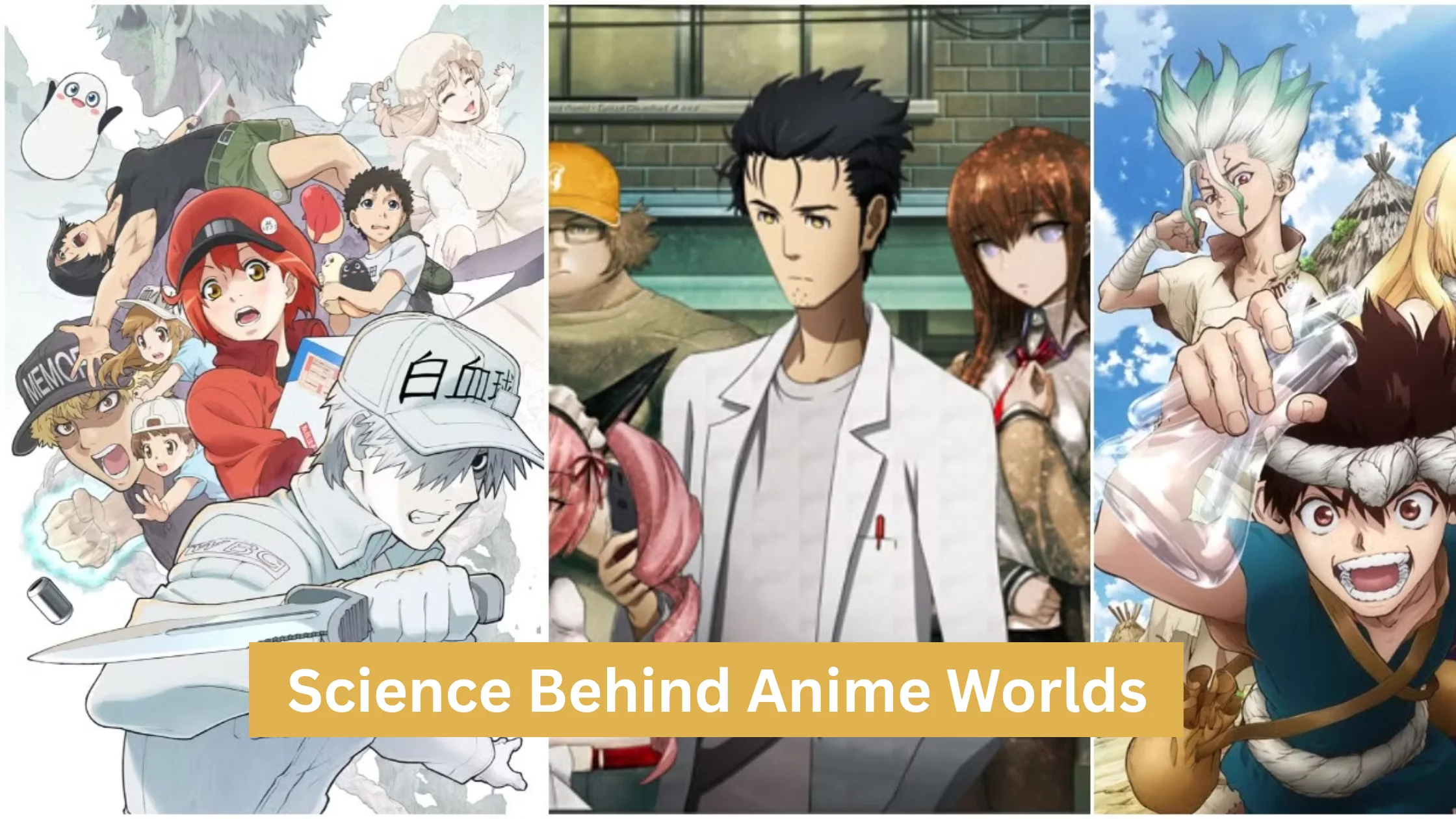
Introduction: The Intersection of Science
Anime has always had the power to blur the lines between imagination and reality — and nowhere is this more evident than in its use of science. From the realistic mecha mechanics in Mobile Suit Gundam to the educational chemistry in Dr. Stone, science in anime has evolved into a storytelling tool that educates, inspires, and sometimes — completely breaks the laws of physics.
Over the decades, anime has built universes where scientific principles coexist with fantasy, creating worlds that are as intellectually stimulating as they are visually breathtaking. This perfect balance of “real physics” and “artistic liberty” raises one fascinating question: how much of the science in anime is accurate — and how much is pure creative freedom?
This blog dives deep into the science-fiction genres in anime, explores shows that push the boundaries of realism, and reveals how real scientists and animators collaborate to make these worlds come alive.
Overview of Science-Fiction Genres in Anime
The roots of science fiction in anime date back to classics like Astro Boy (1963), which combined robotics, ethics, and futuristic society into one narrative. Over the years, this genre has evolved into several subgenres:
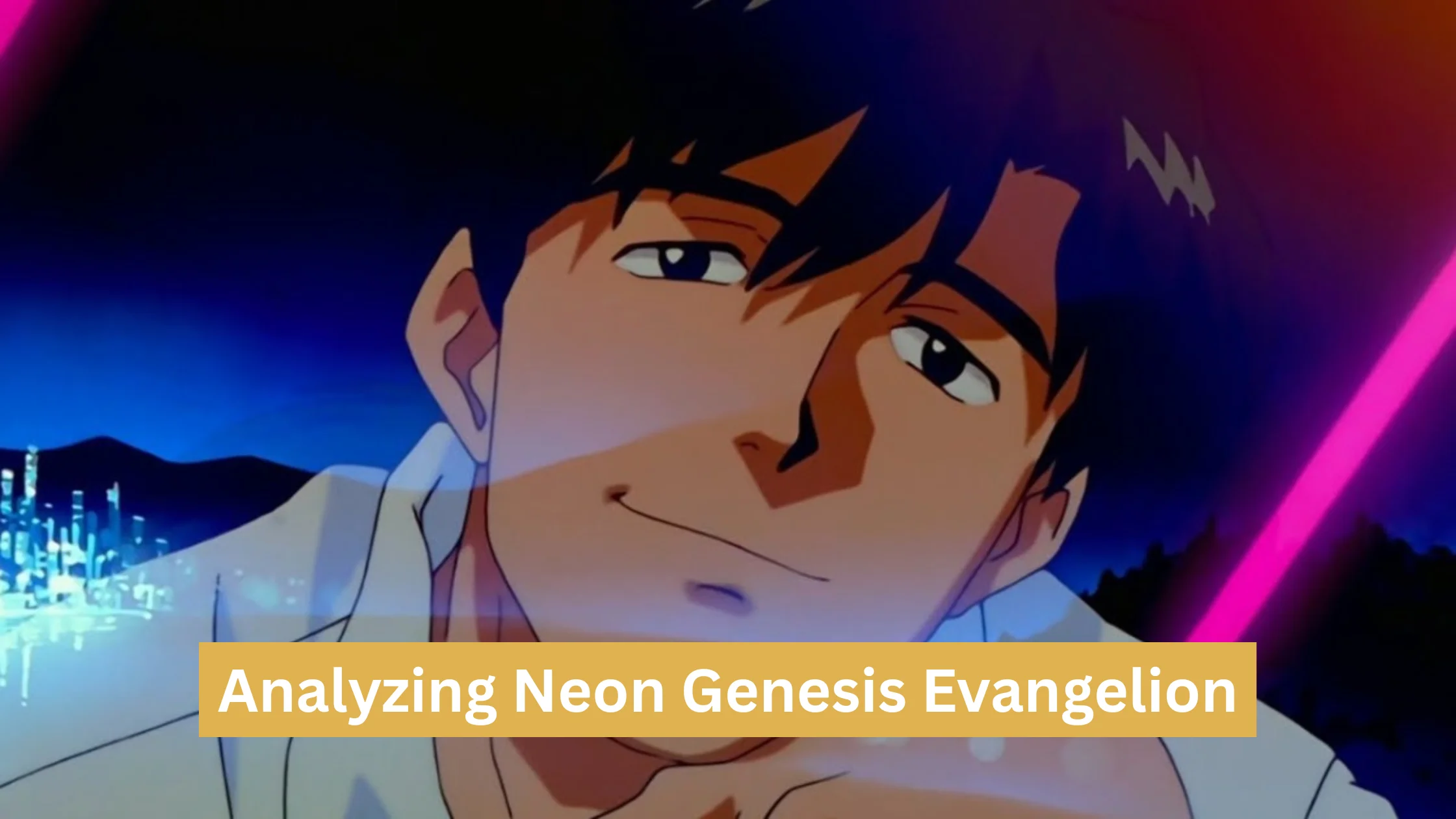
- Mecha: Large robotic machines piloted by humans, seen in Gundam and Neon Genesis Evangelion.
- Cyberpunk: Dark futuristic settings exploring AI, identity, and technology, like Ghost in the Shell and Psycho-Pass.
- Biopunk: Focused on genetics and human experimentation, evident in Elfen Lied and Akira.
- Hard Science Fiction: Rooted in real science principles, like Planetes or Dr. Stone.
Each subgenre uses scientific realism differently — some stay close to possible physics, while others bend the rules for emotional or visual impact.
What makes anime unique is how it humanizes science. It’s never just about machines or formulas; it’s about how humans interact with innovation — often questioning whether technological progress is truly beneficial for society.
How Dr. Stone Merges Entertainment with Education
No discussion about science-based anime is complete without mentioning Dr. Stone. This series doesn’t just use science as a backdrop — it teaches it.
Set in a post-apocalyptic world where humanity has been turned to stone, Dr. Stone follows Senku, a genius teenager who rebuilds civilization using real-world scientific principles. What makes it stand out is its accurate representation of chemistry, physics, and biology — every invention, from soap to electricity, is rooted in factual science.
The show even includes educational interludes, breaking down the processes of creating glass, antibiotics, or engines. This approach merges entertainment and STEM education, making science accessible and exciting for younger audiences.
- Example: Senku’s formula for creating gunpowder (sulfur, charcoal, potassium nitrate) is scientifically accurate — and responsibly censored to avoid real-world misuse.
- Impact: Dr. Stone has inspired students worldwide to explore chemistry and engineering fields, proving that anime can be both fun and intellectually enriching.
Mecha Physics: Possible or Exaggerated?
The mecha genre — featuring giant robots piloted by humans — is perhaps anime’s boldest experiment in merging science with fiction. From Gundam to Evangelion, these stories make us wonder: could mecha ever exist in real life?
Let’s look at the facts:
- A humanoid robot the size of a skyscraper would require unrealistic materials to maintain balance and structural integrity.
- Power sources capable of operating these machines are beyond our current capabilities.
- The pilot-to-machine synchronization seen in anime like Evangelion would require neural interfaces that are still in early experimental stages today.
Yet, some anime attempt to justify mecha mechanics scientifically. Gundam uses “Minovsky particles” to explain energy control and communication interference, while Code Geass and Aldnoah.Zero mix military tactics with semi-realistic mecha designs.
Ultimately, mecha anime takes artistic liberty — using pseudo-science not to deceive but to immerse the audience in a believable world. The genre reminds us that science fiction isn’t just about “what is possible,” but “what could be.”
Scientific Symbolism in Steins; Gate
If Dr. Stone is a celebration of science’s practicality, Steins; Gate explores its emotional and philosophical dimensions. This time-travel anime blends scientific theories like the butterfly effect, multiverse theory, and microwave-based time manipulation with human drama.
While the show exaggerates physics for storytelling, its scientific backbone is surprisingly solid. The concept of world lines draws directly from multiverse interpretations in quantum mechanics, and its fictional “D-Mail” system cleverly symbolizes how even small changes in communication can alter timelines.
Symbolism is central here — science becomes a metaphor for human regret, choice, and destiny. Okabe’s struggles with time and consequence mirror the uncertainty of real-world experimentation: every discovery comes with ethical and emotional costs.
This balance of accurate theory and narrative emotion makes Steins; Gate one of the best examples of science meeting storytelling depth.
Studio Research Process Before Production
You might be surprised to know that many anime studios don’t just “make things up.” They consult real-world experts before animating scientific or technological themes.
For instance:
- Dr. Stone’s production team worked with university scientists to ensure accuracy in material science.
- Planetes, an anime about space debris collectors, involved aerospace consultants to simulate zero-gravity movement and orbital mechanics.
- Ghost in the Shell incorporated AI and cybernetics experts to make its futuristic technology believable.
Studios often spend months in research — gathering reference material, interviewing scientists, or even testing experiments themselves. This process ensures that the science in anime feels authentic, even when it stretches reality.
This dedication to realism not only enhances the quality of storytelling but also fosters credibility — a key factor in audience immersion and critical acclaim.
Scientific Consulting in Anime Creation
Scientific consulting has become more common as anime continues to gain global recognition. When anime deals with complex scientific themes — like space, genetics, or robotics — studios often bring in advisors to maintain internal consistency.
For example:
- Your Name (Kimi no Na wa) consulted astrophysicists to accurately depict a comet trajectory.
- Expelled from Paradise involved IT professionals to design a plausible AI society.
- Even Pokémon uses simplified versions of evolutionary biology and environmental science.
Consultants play a crucial role in bridging science and storytelling — they help creators know where to draw the line between realism and fiction. Too much accuracy can slow pacing, while too much fantasy can alienate audiences. Finding that middle ground is what makes anime both educational and emotionally gripping.
Real Technology Inspired by Anime
It’s not just anime taking inspiration from science — it’s science taking inspiration from anime.
- Neural interfaces and exoskeleton suits today echo designs seen in Ghost in the Shell and Evangelion.
- Japan’s Gundam Factory Yokohama built a real, moving Gundam robot — a direct result of mecha culture.
- Concepts like augmented reality (AR) and virtual idols (like Hatsune Miku) have roots in anime’s depiction of digital personas.
- The AI companionship seen in Chobits and Plastic Memories parallels real-world experiments in human-robot relationships.
These innovations show that anime doesn’t just imagine the future — it helps build it. For many engineers and scientists, shows they watched as kids became the reason they pursued technology careers.
Anime’s Influence on STEM Careers
One of the most inspiring impacts of science in anime is how it influences real-world career paths.
Viewers of Dr. Stone, Planetes, and Steins; Gate often cite these series as their first introduction to physics, chemistry, and astronomy. The combination of emotional storytelling and educational context makes these concepts approachable and inspiring.
Anime conventions and science events in Japan now frequently host panels featuring real scientists, discussing how anime inspired their academic journeys. Educational programs even collaborate with anime studios to encourage STEM education through storytelling.
In this way, anime becomes not just entertainment — but a cultural bridge between science and imagination.
Role of Imagination vs Realism
The real magic of science in anime lies in how it balances two forces — imagination and realism.
- Hard sci-fi anime like Planetes or Dr. Stone lean toward realism, grounding their plots in genuine scientific accuracy.
- Fantasy-sci-fi hybrids like Gurren Lagann or Made in Abyss prioritize emotional spectacle over scientific possibility.
This creative balance ensures that science never feels like a lecture — it feels like wonder. Anime uses real theories as creative scaffolds, not limits. Whether it’s time travel, robotics, or alchemy, the goal isn’t to replicate the real world but to explore what could exist beyond it.
The Future of “Science-Accurate” Anime
With AI, quantum computing, and biotechnology advancing rapidly, the future of science-themed anime looks more exciting than ever. Studios are experimenting with real-time data visualization, AR storytelling, and educational crossovers that teach scientific principles interactively.
Imagine future anime that uses AI to simulate real physics in battle scenes or adapt storylines based on viewer input. As technology evolves, the line between anime and actual science will blur further — transforming anime from passive entertainment into interactive learning experiences.
Conclusion
The question “Is anime scientifically accurate?” misses the larger truth — it’s not meant to be perfectly real. Instead, it exists in a delicate dance between authentic science and artistic liberty.
From Dr. Stone’s chemistry experiments to Steins; Gate’s quantum theories and Gundam’s mechanical fantasies, anime celebrates human curiosity. It uses scientific principles not just to explain the world, but to expand our imagination beyond it.
In a way, anime mirrors science itself: both are born from curiosity, experimentation, and the desire to understand the unknown. As long as that spark exists, anime will continue to bridge the gap between what is possible and what we dream could be — one scientific breakthrough (or wild theory) at a time.