
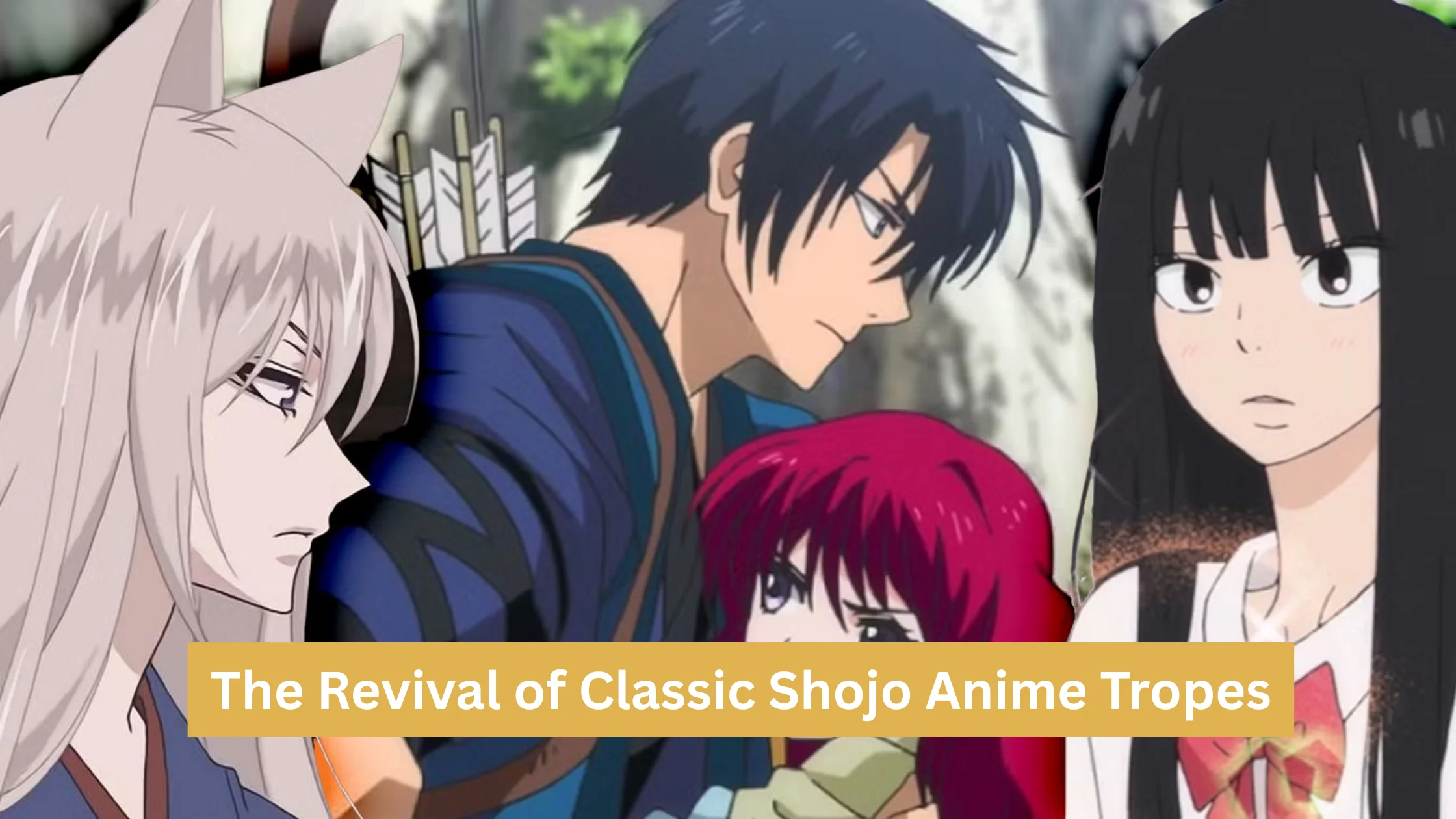
For many anime fans, shoujo anime feels like home. It carries soft emotions, expressive art, dramatic pauses, and stories that focus on relationships rather than power levels. For a while, critics believed shoujo anime was fading into the background. Action-heavy genres dominated screens. However, something interesting has happened in recent years. Classic shoujo tropes are making a strong comeback. They are not returning in the same old way. Instead, they are evolving with modern sensibilities while holding onto their emotional roots.
This revival is not accidental. It reflects changing audience expectations, growing nostalgia, and a wider acceptance of emotional storytelling in anime. From magical girls to heartfelt friendships, shoujo themes are finding new life across genres and platforms. Let us explore how and why this revival is happening.
Historic Shoujo Influences
To understand the revival, we first need to look back. Shoujo anime has always been more than romance. Early works laid a foundation that shaped how emotional stories could be told in animation.
Classic shoujo anime from the 1970s through the 1990s focused heavily on inner emotions. Stories often unfolded through internal monologues, symbolic imagery, and expressive character reactions. Flowers, sparkles, and soft backgrounds were not just decoration. They represented feelings that words could not fully express.
Series like The Rose of Versailles, Sailor Moon, and Cardcaptor Sakura established key tropes. These included destined love, emotional growth, and strong bonds between friends. Even conflict was usually tied to personal choices rather than brute strength.
Shoujo manga creators also played a major role. Many were women who used the medium to explore identity, love, and independence. Their stories resonated deeply with readers and viewers who wanted more emotional depth.
Over time, however, industry trends shifted. Shonen and seinen anime gained broader international attention. Shoujo did not disappear, but it became less visible. That history makes today’s revival feel even more meaningful.
Modern Interpretations
Modern anime creators are not simply copying old formulas. Instead, they reinterpret classic shoujo tropes for a new generation. This balance between tradition and innovation drives the revival.
Today’s shoujo-inspired stories often feature stronger character agency. Protagonists still experience emotional struggles, but they are more self-aware. They question their feelings and challenge expectations placed on them.
Romantic arcs now develop more slowly and realistically. Love interests are no longer flawless ideals. They have doubts, flaws, and personal goals. This makes relationships feel more grounded and relatable.
Modern interpretations also expand the definition of shoujo. You can find shoujo elements in fantasy, sci-fi, and even psychological anime. Emotional vulnerability has become a storytelling strength rather than a weakness.
Importantly, creators respect the emotional language of classic shoujo. Visual metaphors, quiet moments, and expressive pacing remain central. The difference lies in how these tools serve more complex narratives.
Fashion and Art Direction
One of the most recognizable aspects of shoujo anime is its visual style. Fashion and art direction play a huge role in the genre’s revival.
Classic shoujo designs emphasized flowing lines, elegant outfits, and expressive eyes. Clothing often reflected personality or emotional state. School uniforms felt romanticized rather than plain.
Modern anime builds on this legacy. Character designs now blend realism with fantasy elements. Fashion choices feel intentional and meaningful. Outfits change as characters grow or face challenges.
Color palettes also deserve attention. Soft pastels remain popular, but they now mix with bold lighting and cinematic framing. This creates visuals that feel both nostalgic and fresh.
Background art has evolved as well. While early shoujo relied on abstract or symbolic backgrounds, newer works combine detailed environments with emotional cues. A sunset, a quiet street, or a changing season adds depth to the story.
Fashion inspired by shoujo anime has even crossed into real-world trends. This influence shows how deeply these visuals resonate with fans.
Role of Magical Girls Today
Magical girls are one of the most iconic shoujo tropes. Their revival plays a major role in the genre’s resurgence.
In the past, magical girl stories focused on transformation, teamwork, and hope. Young heroines balanced everyday life with extraordinary responsibilities. Their power came from empathy and courage rather than aggression.
Today, magical girl narratives explore darker and more complex themes. Responsibility feels heavier. Choices carry consequences. Yet the core message remains the same. Inner strength matters.
Modern magical girls often question their roles. They struggle with identity and expectations. This self-reflection aligns with contemporary audiences who value emotional honesty.
At the same time, lighter magical girl stories still thrive. They offer comfort and joy. This variety proves that the trope is flexible and timeless.
The magical girl revival shows how classic shoujo themes can adapt without losing their heart.
Gender Role Evolution
Classic shoujo anime often reflected traditional gender roles. Heroines were gentle, emotional, and romantic. While these traits were not inherently negative, they sometimes limited character potential.
The revival of shoujo tropes comes with a noticeable shift in how gender roles are portrayed. Modern heroines are emotionally expressive and independent. They pursue goals beyond romance while still valuing relationships.
Male characters have also evolved. They are allowed vulnerability and emotional growth. This change creates healthier relationship dynamics and deeper storytelling.
Importantly, modern shoujo-inspired anime embraces diversity. Stories explore different identities and expressions of love. This inclusivity broadens the genre’s appeal.
By evolving gender roles, shoujo anime remains relevant while honoring its emotional foundations.
Friendship as Core Value
Friendship has always been central to shoujo anime. The revival places renewed emphasis on this theme.
Classic stories celebrated emotional bonds between friends. These relationships often felt as important as romantic ones. Loyalty, support, and shared growth shaped the narrative.
Modern anime continues this tradition. However, friendships now feel more nuanced. Conflicts arise. Characters misunderstand each other. Yet resolution comes through communication and empathy.
Friendship arcs also receive more screen time. They develop alongside personal growth rather than serving as background elements.
This focus resonates with viewers who value emotional connection in storytelling. It reminds audiences that shoujo anime is about shared journeys, not just romantic endings.
Impact on Merchandising
The revival of shoujo tropes has influenced anime merchandising in noticeable ways.
Classic shoujo merchandise focused on collectibles like transformation items, accessories, and character goods. These items allowed fans to feel connected to the story world.
Modern merchandising expands this idea. Fashion collaborations, lifestyle products, and art books celebrate shoujo aesthetics. These items appeal to both nostalgic fans and new audiences.
Social media plays a role here. Fans share collections and styling inspired by shoujo designs. This visibility strengthens the genre’s presence beyond the screen.
Merchandising success also signals industry confidence. Studios see value in investing in emotionally driven stories again.
Studio Trends
Anime studios play a crucial role in shaping trends. The revival of shoujo tropes reflects changing creative priorities within the industry.
Some studios actively revisit classic properties through remakes or spiritual successors. Others introduce original works inspired by shoujo storytelling techniques.
Interestingly, studios known for action-heavy series are experimenting with softer narratives. They integrate emotional pacing and character-focused arcs into their productions.
Streaming platforms also influence studio decisions. Global audiences show strong interest in emotionally rich anime. This demand encourages studios to diversify their output.
As a result, shoujo tropes are no longer confined to a single demographic. They influence anime production across genres.
Crossover with Other Genres
One of the most exciting aspects of the revival is genre crossover.
Shoujo elements appear in fantasy adventures, supernatural mysteries, and even psychological thrillers. Emotional storytelling enhances these genres rather than clashing with them.
For example, fantasy anime now often focus on character relationships alongside world-building. Emotional stakes feel just as important as external conflict.
Romantic tension and personal growth add depth to stories that might otherwise rely solely on spectacle.
This crossover proves that shoujo tropes are storytelling tools, not limitations. They enrich narratives across the anime spectrum.
Viewer Nostalgia
Nostalgia plays a powerful role in the revival of classic shoujo tropes.
Many adult viewers grew up watching shoujo anime. Revisiting familiar themes feels comforting. It reconnects them with earlier stages of their lives.
However, nostalgia alone does not sustain a genre. The revival succeeds because modern anime balances familiarity with innovation.
Younger viewers discover shoujo tropes through contemporary stories. They experience these themes without the baggage of past expectations.
This shared appreciation bridges generations of fans. It creates a wider community that values emotional storytelling.
Nostalgia becomes a foundation rather than a crutch.
Conclusion
The revival of classic shoujo anime tropes is not a temporary trend. It represents a deeper shift in how anime values emotion, connection, and personal growth.
By reinterpreting historic influences, modern creators honor the genre’s legacy while pushing it forward. Fashion, magical girls, evolving gender roles, and meaningful friendships all play vital roles in this resurgence.
Studios and audiences alike recognize the power of emotionally driven narratives. Shoujo tropes no longer exist on the sidelines. They influence anime across genres and demographics.
Most importantly, this revival proves that stories centered on feelings remain timeless. As long as anime continues to explore the human heart with honesty and creativity, shoujo’s spirit will thrive.