
Definition of the Hero’s Journey in Anime
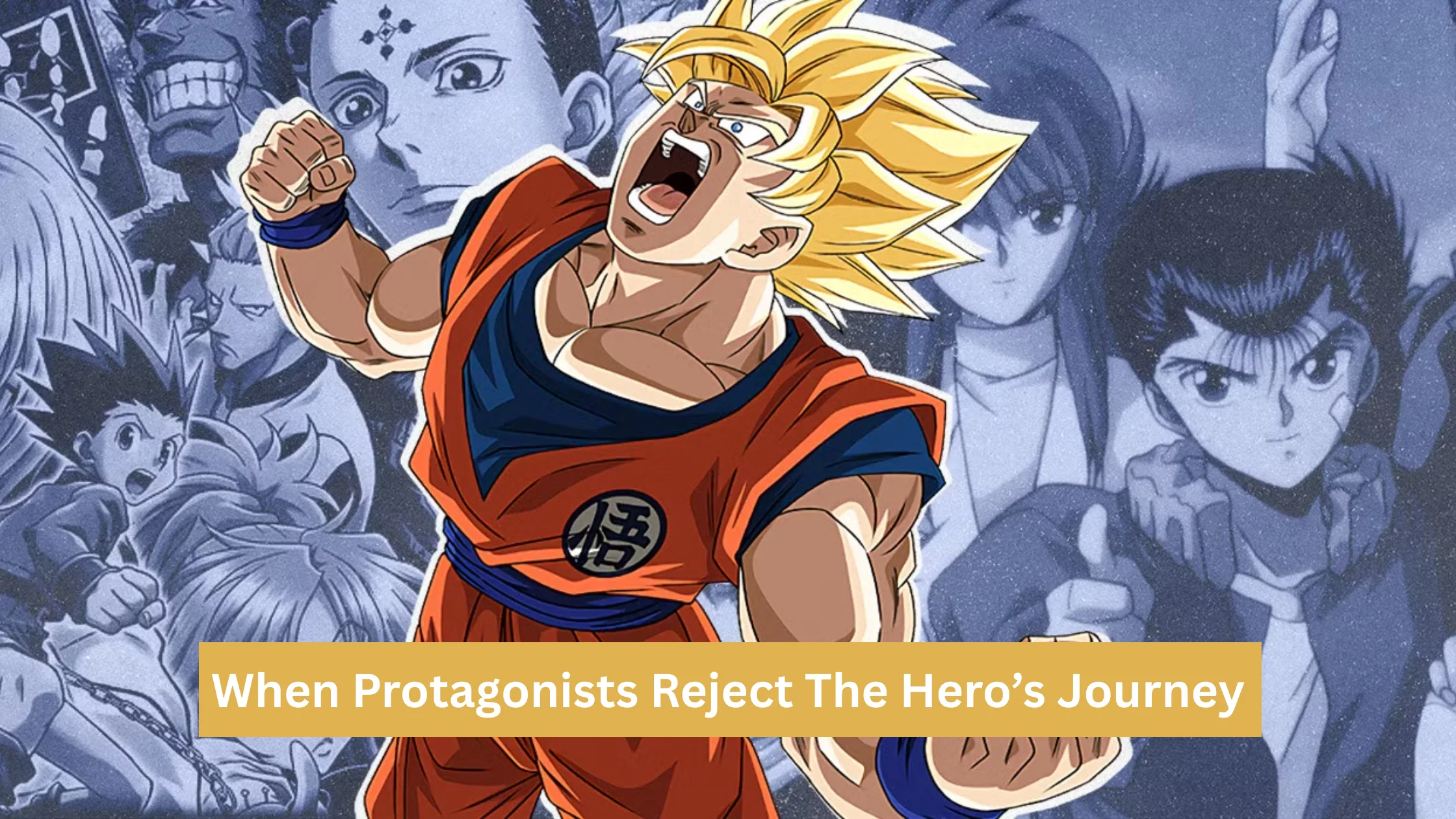
If you watch enough anime, you start to recognize a familiar pattern. A young character feels restless. Something disrupts their normal life. A mentor appears. Trials follow. The hero grows stronger and eventually faces a final battle that changes the world. This structure reflects what many call the hero’s journey anime.
In anime, this formula often shines in long running shonen series. For example, Naruto follows a lonely boy who trains, struggles, and rises to protect his village. Similarly, My Hero Academia centers on a student who inherits power and learns what it truly means to be a hero. These stories highlight perseverance, friendship, and steady transformation.
The hero’s journey in anime usually emphasizes optimism. Even when the path feels dark, hope guides the protagonist forward. The character accepts their call to adventure. They embrace growth. They commit to protecting others.
However, not every protagonist follows this script. In fact, some reject it outright. They turn away from destiny. They question mentors. They refuse to carry the weight of expectation. This rejection creates a powerful shift in storytelling.
Instead of climbing toward heroic glory, these characters step sideways. They resist the spotlight. They dismantle the idea that growth must follow one clear path. As a result, anime opens the door to more complex narratives that challenge traditional structure.
Understanding the hero’s journey helps us appreciate what happens when it breaks. And that break can be far more interesting than the climb.
Historical Examples of Rejection
Anime has experimented with rejecting the hero’s journey for decades. While classic adventure series dominated early mainstream success, several titles began to question whether every protagonist needed to answer the call.
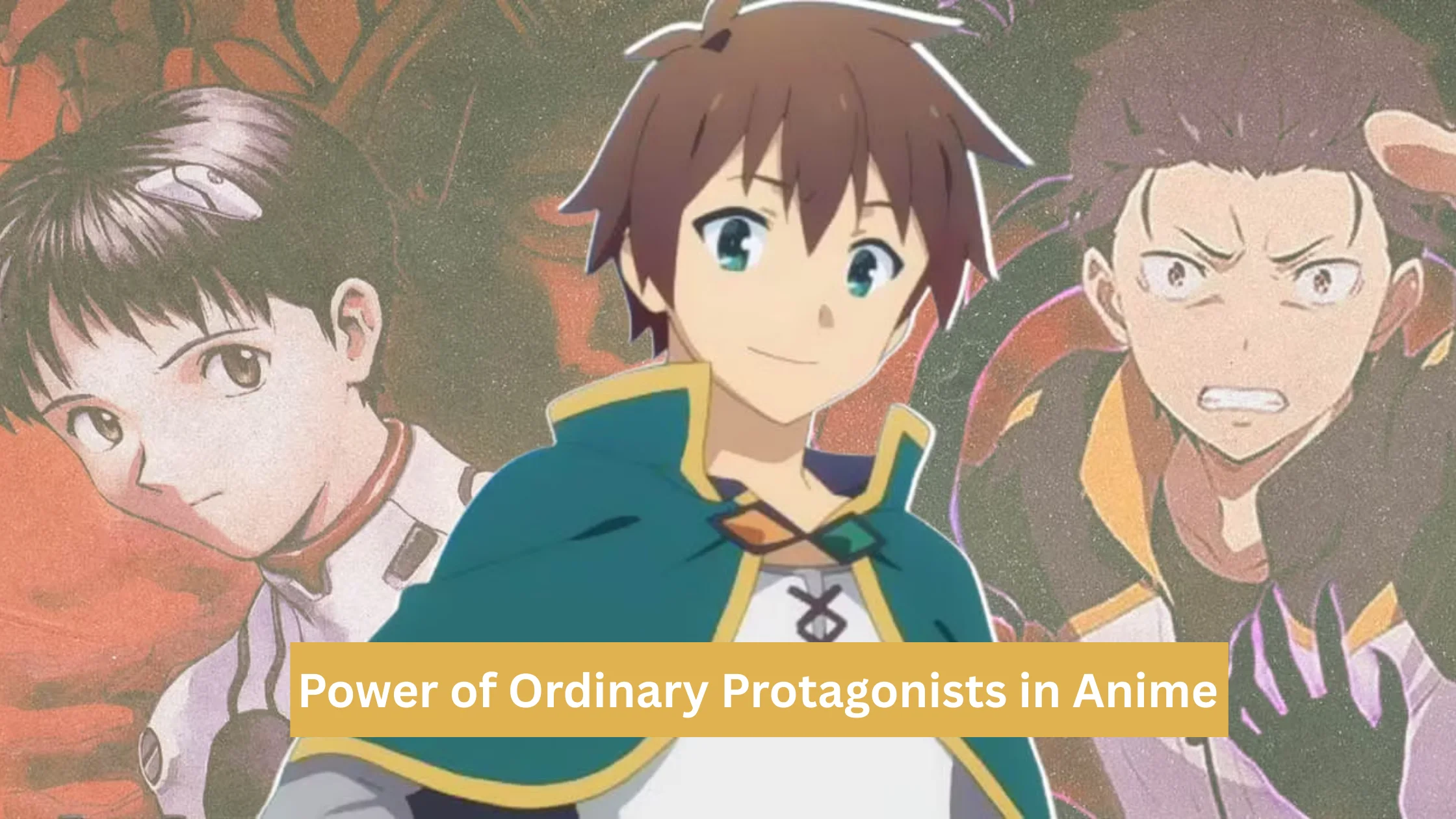
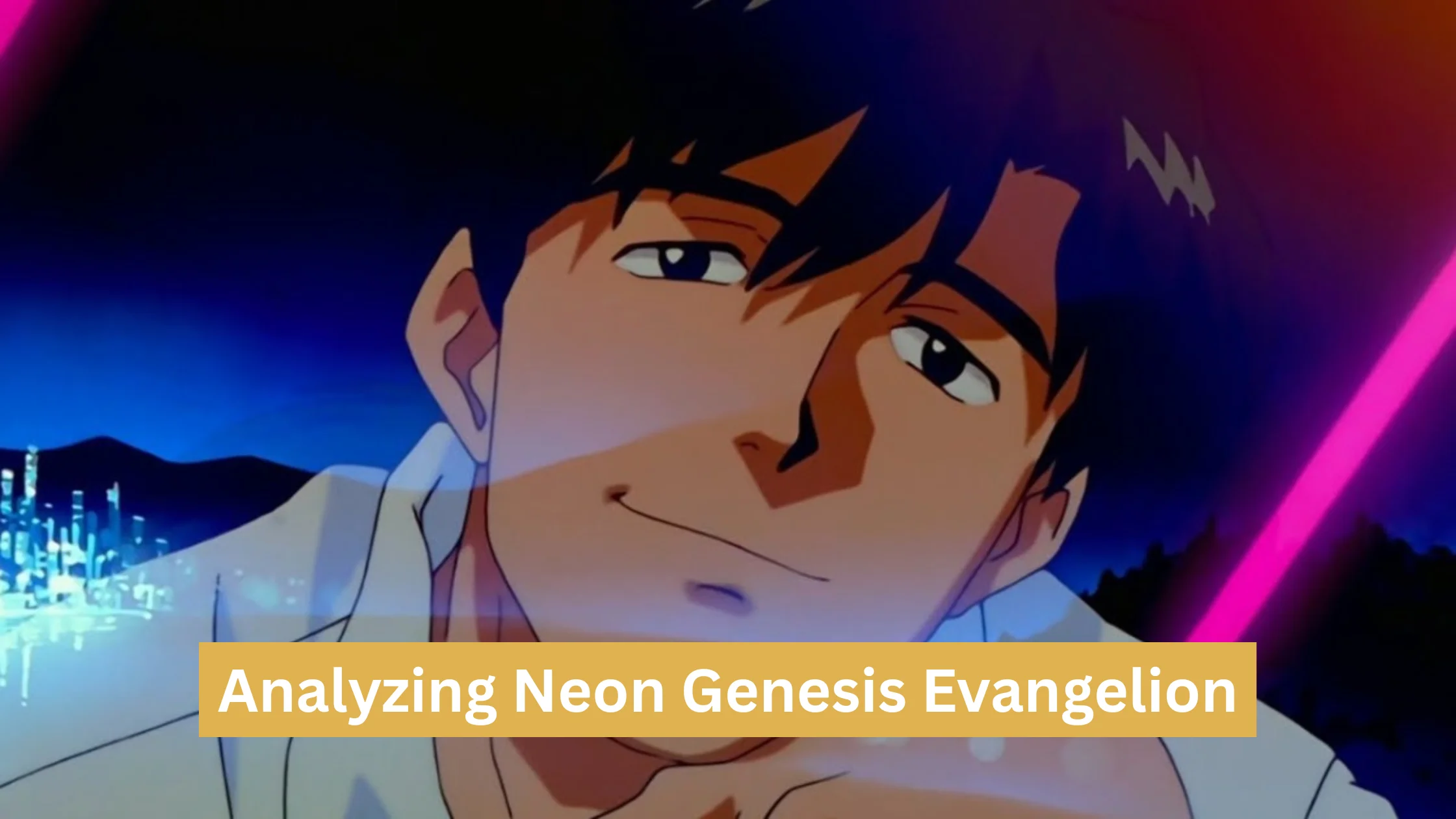
A strong example appears in Neon Genesis Evangelion. Shinji Ikari does not leap into battle with confidence. He hesitates. He doubts himself. He even runs away. Instead of celebrating growth through action, the series examines fear and emotional fragility. Shinji does not want to be a hero. He pilots the Eva because he feels pressured. This refusal reshapes the entire tone of the story.
Later, Death Note pushed rejection even further. Light Yagami begins with a godlike opportunity. He could follow a righteous path. Instead, he builds his own moral system. He rejects the traditional heroic arc and embraces control. His journey becomes a descent rather than a rise.
Another fascinating case is Attack on Titan. At first, Eren Yeager seems like a standard revenge driven hero. Yet as the narrative unfolds, his path twists. He questions ideals. He challenges allies. Eventually, he steps into morally grey territory that blurs hero and antagonist.
These historical examples show that rejection is not new. However, it has grown more deliberate over time. Studios increasingly explore protagonists who refuse destiny or redefine it on their own terms.
Character Growth Alternatives
When protagonists reject the hero’s journey, growth does not disappear. It simply changes shape.
Traditional heroes grow stronger through training and hardship. Anti-traditional protagonists often grow through reflection. They question themselves. They confront internal fears rather than external monsters.
In Mob Psycho 100, Shigeo “Mob” Kageyama holds overwhelming psychic power. Yet he does not chase glory. He wants emotional stability and normal friendships. His growth focuses on self acceptance instead of battlefield dominance.
Likewise, March Comes in Like a Lion centers on Rei Kiriyama, a professional shogi player. He does not seek heroic triumph. He struggles with depression and isolation. His progress feels quiet and deeply personal. Each small step forward carries weight.
These alternatives expand what growth means in anime. Strength may look like vulnerability. Victory may mean choosing peace over conquest. Instead of defeating an ultimate villain, the protagonist may learn to forgive themselves.
This shift resonates with viewers who crave realism. Not everyone wants to save the world. Many simply want to navigate it with dignity.
Narratives Driven by Anti-Heroes
When protagonists reject the hero’s journey, they often drift into anti-hero territory. These characters operate outside conventional morality. Yet they still anchor the narrative.
Take Code Geass: Lelouch of the Rebellion. Lelouch seeks justice, but he embraces manipulation and sacrifice to reach his goals. He does not train to become a shining warrior. Instead, he builds strategy and accepts morally questionable actions.
Similarly, Black Lagoon follows characters who survive through crime and violence. They reject heroic ideals entirely. However, their humanity appears in flashes of loyalty and vulnerability.
Anti-hero driven narratives challenge viewers. They force audiences to question allegiance. Should we root for someone who bends rules or breaks them? The tension between empathy and discomfort becomes part of the experience.
Interestingly, these stories still follow arcs. They simply shift the moral center. Growth might involve deeper corruption or painful realization. The protagonist may not become better. They may become more honest about their flaws.
This approach keeps anime unpredictable. When the hero rejects the path, anything can happen.
Impact on Fan Culture
When protagonists refuse the hero’s journey, fan culture reacts strongly. Discussions ignite across forums and social platforms. Some viewers celebrate complexity. Others miss the clarity of traditional arcs.
Characters like Light Yagami or Lelouch inspire heated debates. Fans analyze motives and justify choices. Polls ask whether they were right or wrong. Cosplay communities embrace morally grey icons because they feel layered and dramatic.
Moreover, rejection of the hero’s journey invites fan reinterpretation. Alternate endings flourish. Fan fiction explores redemption paths or darker outcomes. The absence of a fixed heroic structure gives fans creative freedom.
This shift also changes merchandise trends. Instead of selling pure symbols of justice, studios market morally ambiguous figures. Posters highlight intensity rather than optimism.
Fan culture thrives on conversation. Protagonists who reject destiny provide endless material. They spark essays, reaction videos, and theory threads. The uncertainty keeps communities engaged long after episodes air.
Studio Storytelling Risks
When studios decide to let a protagonist reject the hero’s journey, they take a real risk. Traditional structures feel safe. Audiences understand them. Producers can predict merchandise appeal and long term engagement. However, once the central character steps away from destiny or moral clarity, the path becomes uncertain.
Studios know that viewers often expect payoff. They want the hero to rise. They want emotional closure. When a series denies that expectation, backlash can follow. We saw strong reactions during the later arcs of Attack on Titan. Some viewers praised the bold shift in Eren’s character. Others felt betrayed because the story no longer aligned with heroic ideals.
Financial stakes also matter. Shonen titles built around perseverance and friendship tend to sell consistently. They create clear icons. On the other hand, morally conflicted protagonists may divide audiences. That division can affect ratings and streaming numbers.
Yet risk often leads to innovation. Studios like Studio Trigger and MAPPA have shown willingness to explore unconventional arcs. They invest in bold direction and complex scripts. This approach attracts viewers who crave something different.
Moreover, rejecting the hero’s journey can create stronger critical recognition. Reviewers often praise series that challenge structure. Awards and festival screenings sometimes favor daring narratives over formulaic ones.
So while the financial gamble exists, the creative reward can be significant. Studios that embrace anti-traditional arcs position themselves at the edge of evolving storytelling. They show confidence in audiences who appreciate depth over predictability.
Genre Subversion
Rejecting the hero’s journey often leads to genre subversion. At first glance, a series may look like a typical fantasy or action adventure. However, once the protagonist refuses the expected path, the genre begins to bend.
Consider Puella Magi Madoka Magica. It appears to follow the magical girl formula. A young heroine receives a contract and prepares to fight evil. Yet the narrative quickly dismantles that bright expectation. Hope turns heavy. Sacrifice becomes permanent. The journey does not celebrate empowerment in the usual way.
Similarly, The Rising of the Shield Hero starts with a classic summoned hero setup. However, Naofumi faces betrayal almost immediately. Instead of embracing noble ideals, he grows cynical. His arc questions trust and heroism rather than glorifying them.
Genre subversion works because it plays with audience assumptions. Viewers think they know the path. Then the story shifts. That shift creates tension and curiosity. What happens when the chosen one refuses to save everyone? What if the mentor figure fails? What if destiny itself becomes suspect?
By subverting genre expectations, anime keeps storytelling fresh. Even familiar settings feel unpredictable. The fantasy world remains magical, yet the emotional core feels grounded in doubt and complexity.
Viewer Response and Polling
Viewer response to protagonists who reject the hero’s journey often splits into passionate camps. Some fans feel energized by unpredictability. Others feel uncomfortable when moral clarity disappears.
Online polls frequently rank anti-heroes among the most memorable characters. Lelouch from Code Geass: Lelouch of the Rebellion consistently scores high in popularity charts. Despite his ruthless strategies, fans admire his intelligence and emotional burden.
On the other hand, characters like Light from Death Note inspire heated debates. Some viewers initially support his mission to eliminate crime. As his methods grow extreme, opinions shift. Poll results often reflect that tension. Popularity does not always equal approval.
Social media amplifies these reactions. Reaction videos capture shock when a protagonist makes a morally dark choice. Forums fill with analysis posts. Hashtags trend after controversial episodes.
Interestingly, rejection of the hero’s journey often increases engagement. When stories follow predictable arcs, discussion fades quickly. When arcs twist, conversation expands. Fans dissect symbolism and speculate about motives. The uncertainty fuels long term interest.
Polling data also shows generational shifts. Younger audiences who grew up with complex narratives tend to embrace morally grey leads. They value nuance over clear binaries. As a result, studios notice this change and continue experimenting.
Viewer response therefore becomes both feedback and inspiration. It shapes how far creators push future anti-hero arcs.
Critical Analysis
Critics often examine rejected hero journeys through psychological and cultural lenses. They ask why audiences connect with flawed protagonists. They explore how these narratives reflect modern anxieties.
One interpretation suggests that traditional hero arcs represent clear moral systems. In contrast, anti-hero narratives mirror a world that feels uncertain. Economic pressure, social change, and global conflict create ambiguity. Viewers may find honesty in protagonists who struggle rather than triumph.
From a narrative theory perspective, rejecting the hero’s journey disrupts the comfort of cyclical storytelling. Joseph Campbell’s framework emphasizes transformation through acceptance of destiny. Anime that rejects this framework proposes an alternative. Growth may occur through resistance. Meaning may arise from questioning fate.
Critics also highlight emotional realism. Not every person embraces responsibility with enthusiasm. Fear and hesitation feel authentic. When characters like Shinji in Neon Genesis Evangelion withdraw instead of charging forward, viewers see vulnerability rarely shown in traditional heroes.
However, some analysts argue that constant subversion risks losing narrative cohesion. Without structure, stories may drift. The challenge lies in balancing rejection with purpose. Even anti-heroes need direction. Chaos alone does not sustain engagement.
Ultimately, critical analysis recognizes rejection as evolution rather than rebellion. Anime does not abandon storytelling principles. It reshapes them to explore deeper psychological territory.
Prospects for Future Anti-Hero Anime
Looking ahead, the future of protagonists who reject the hero’s journey appears promising. Streaming platforms expand global access. Diverse audiences seek layered characters. As a result, studios feel encouraged to experiment further.
We may see hybrid arcs that blend traditional and anti-traditional elements. A character might begin by rejecting destiny yet gradually redefine heroism on personal terms. This nuanced balance could attract both classic fans and those craving complexity.
Technological advances also support subtle storytelling. Improved animation allows detailed facial expressions and atmospheric lighting. These tools enhance internal conflict without heavy dialogue.
Moreover, cross cultural collaboration could influence future narratives. International co productions may introduce new perspectives on morality and leadership. The concept of heroism differs across societies. Anime can explore those contrasts through unconventional protagonists.
Merchandising strategies will likely adapt as well. Instead of marketing pure heroes, studios might highlight character depth. Art books, interviews, and behind the scenes documentaries can emphasize psychological layers.
Most importantly, audience maturity continues to grow. Viewers who started with classic shonen titles now seek stories that reflect adulthood. They appreciate protagonists who question purpose and resist simplistic solutions.
Therefore, anti-hero anime will not replace traditional hero arcs. Instead, it will stand beside them. The industry benefits from variety. As long as creators remain bold, rejection will remain a powerful narrative tool.
Conclusion
When protagonists reject the hero’s journey anime gains new emotional depth and narrative freedom. Instead of climbing toward predictable triumph, these characters question destiny and reshape it. Their hesitation, moral conflict, and resistance reflect a world that feels complex rather than clear cut.
Historical examples prove that rejection is not a passing trend. From psychological dramas to strategic thrillers, anti-traditional arcs continue to influence fan culture and critical discussion. Studios take risks, yet they often earn creative rewards.
Ultimately, the rejection of the hero’s journey does not destroy storytelling. It expands it. By challenging expectations, anime invites viewers to rethink what heroism truly means. And sometimes, walking away from destiny becomes the most powerful journey of all.