
Anime has always been more than colorful fights and fantasy worlds. Over the years, it has quietly become a space where complex human experiences find expression. One such experience is disability. From physical challenges to sensory differences and psychological conditions, anime has explored disability in ways that feel emotional, symbolic, and sometimes deeply personal. While not every portrayal is perfect, anime has played a meaningful role in shaping conversations around inclusion and empathy.
This article explores how disability representation in anime has evolved. We will look at positive examples, narrative symbolism, emotional realism, and the ongoing dialogue between creators and fans. More importantly, we will examine why these portrayals matter and how they continue to influence audiences around the world.
Examples of Positive Representation
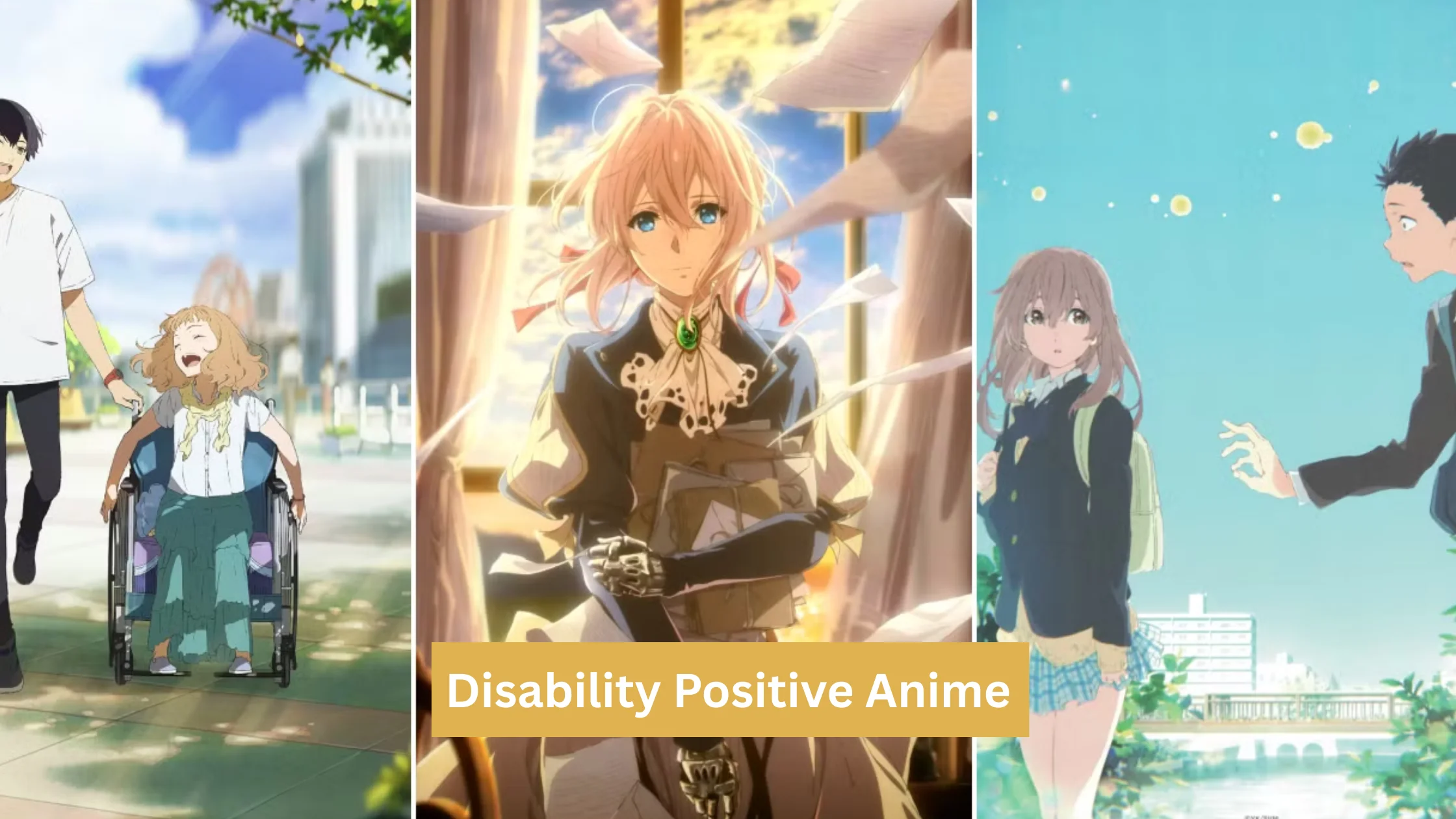
Anime has delivered several powerful examples of respectful and meaningful disability representation. These stories often focus on characters who live with disabilities without reducing them to their conditions.
One well-known example is A Silent Voice, which centers on a deaf character navigating friendship, bullying, and forgiveness. The story avoids treating deafness as a tragedy. Instead, it shows daily communication struggles and emotional resilience. The character exists as a full person with flaws, dreams, and agony.
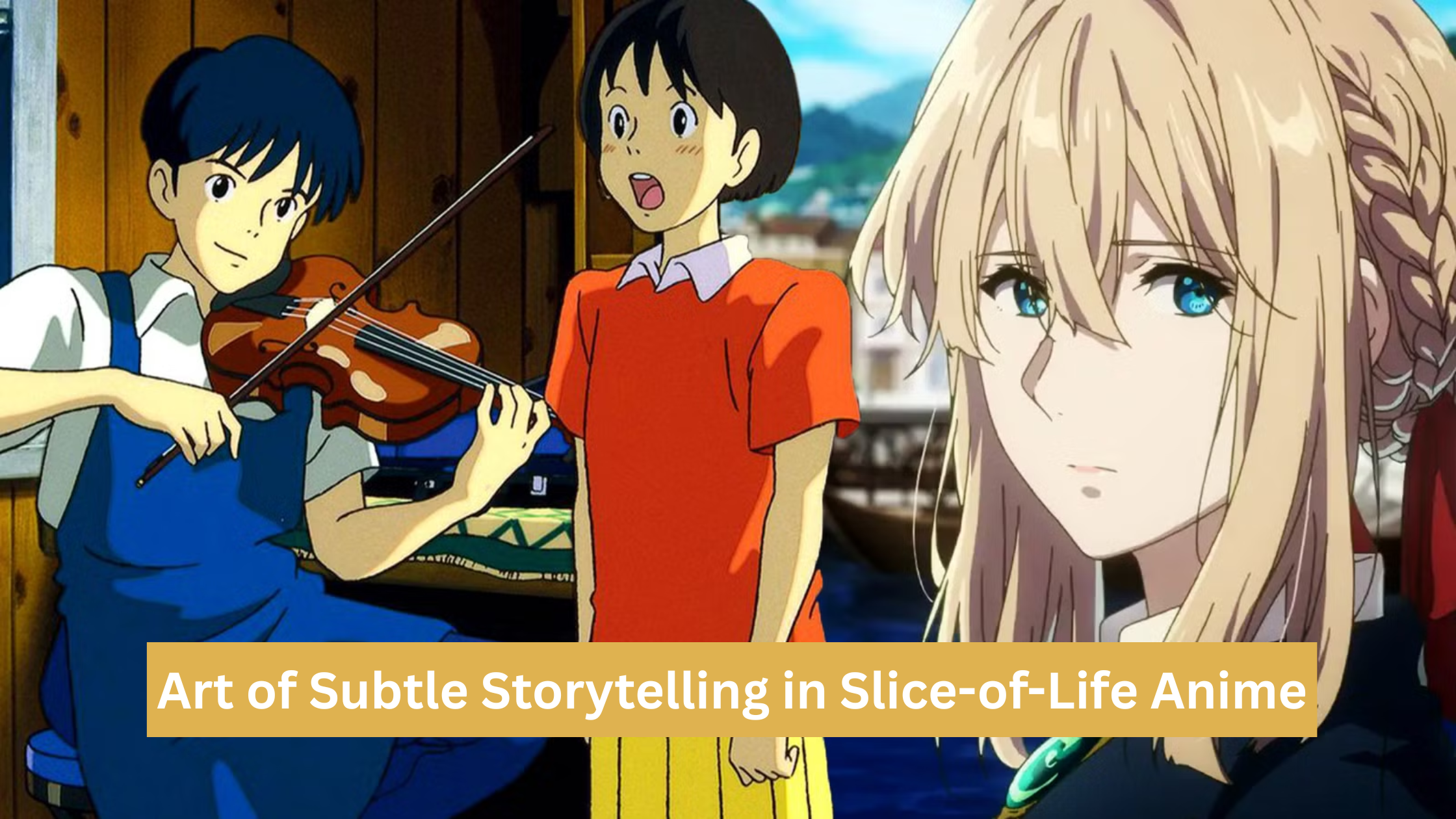
Another example can be found in Violet Evergarden. Violet lives with physical injuries and emotional trauma from war. Her mechanical arms are not used as a spectacle. They reflect her past and her slow journey toward emotional understanding. The anime respects her pain while celebrating her growth.
Sports anime have also contributed positively. Characters with injuries or physical limitations are often shown adapting rather than quitting. These portrayals highlight perseverance while acknowledging realistic limitations.
Positive representation works best when disability is treated as part of a character’s life rather than their entire identity. Anime succeeds when it focuses on humanity first.
Symbolism Behind Disabilities
In anime, disability is often layered with symbolism. Creators use physical or sensory limitations to represent emotional wounds, social isolation, or internal conflict.
Blindness may symbolize trust or perception beyond sight. Characters who cannot see often develop heightened emotional awareness. Hearing loss may represent communication barriers between individuals or generations. Mobility limitations sometimes reflect a character’s fear of moving forward in life.
This symbolic approach can be powerful when handled carefully. It allows stories to explore abstract ideas through concrete experiences. However, symbolism must not erase realism. When anime balances metaphor with lived experience, the result feels meaningful rather than exploitative.
Symbolism also helps audiences engage emotionally. Viewers may not share the same disability, but they recognize the underlying emotional struggles. This connection fosters empathy and reflection.
Impact on Story Progression
Disability in anime often influences how stories unfold. Instead of following traditional power progression, these narratives move inward. Growth becomes emotional rather than physical.
Characters may face obstacles that cannot be solved through training alone. They must learn patience, communication, or self-acceptance. This shift changes pacing and tone. Stories become more reflective and grounded.
For example, a character with a chronic condition may need to plan carefully. This creates tension without relying on combat. Everyday decisions gain narrative weight.
Disability can also shape relationships. Friends and family must adapt, misunderstand, or grow together. These interactions drive character development in subtle ways.
When disability impacts story progression naturally, it enriches the narrative. It reminds viewers that strength comes in many forms.
Emotional Nuance and Reality
One of anime’s strengths lies in emotional storytelling. When it addresses disability honestly, it captures moments that feel deeply real.
Simple scenes can carry immense weight. A character struggling to express themselves. A pause before asking for help. A quiet moment of frustration. These experiences resonate because they mirror real life.
Anime often uses silence, close framing, and minimal dialogue to convey these emotions. This approach allows viewers to sit with discomfort rather than rush past it.
Importantly, emotional nuance includes joy as well. Characters with disabilities laugh, love, and succeed. Their lives are not defined solely by hardship.
This balanced emotional portrayal helps normalize disability. It shifts the focus from pity to understanding.
Critiques of Stereotypical Portrayals
Despite progress, anime has not always portrayed disability responsibly. Some tropes continue to draw criticism.
One common issue is the “tragic character” trope. Disability is sometimes used only to evoke sympathy or justify suffering. These characters exist to teach others a lesson rather than live their own stories.
Another problem is unrealistic recovery. Characters may suddenly overcome disabilities through willpower or magic. While hopeful, this can erase real challenges faced by disabled individuals.
There are also cases where disability becomes a visual gimmick. Exaggerated traits or comic relief undermine seriousness.
Criticism from fans and advocates has pushed studios to improve. Conversations around representation have grown louder and more informed. While flaws remain, awareness continues to shape better storytelling.
Disabled Heroes in Sports Anime
Sports anime offers a unique space for disability representation. These stories already focus on physical limits and teamwork, making them ideal for exploring adaptive strength.
Characters may compete with prosthetics, injuries, or chronic conditions. Instead of being sidelined, they often become strategic thinkers or emotional anchors for teams.
What makes sports anime effective is its respect for effort. Victories feel earned. Losses feel meaningful. Disability is not erased, but neither is it treated as weakness.
These stories also highlight accessibility issues. Training spaces, rules, and expectations must adapt. This reflects real-world sports conversations.
Through sports anime, viewers learn that competition is not about perfection. It is about resilience and community.
Accessibility Campaigns
Anime has increasingly become part of broader accessibility discussions. Some studios collaborate with advocacy groups to raise awareness.
Subtitles and sign language representation have improved. Visual storytelling techniques help communicate without reliance on dialogue.
Merchandising and events have also become more inclusive. Anime conventions now consider mobility access and sensory-friendly spaces.
While not perfect, these efforts signal progress. Anime’s global reach gives it power to influence attitudes beyond entertainment.
Accessibility campaigns remind audiences that inclusion is ongoing work.
Animation Challenges
Portraying disability accurately presents technical challenges. Animators must study movement, expressions, and communication methods carefully.
Small details matter. How a character walks. How they use assistive tools. How they react to their environment.
Mistakes can feel disrespectful. Accuracy requires research and consultation. This takes time and resources.
However, when done well, animation becomes a powerful educational tool. It visualizes experiences that many viewers have never encountered.
The challenge is not a limitation. It is an opportunity for growth and creativity.
Fan Reception and Advocacy
Fans play a significant role in shaping disability representation in anime. Online discussions analyze characters, scenes, and symbolism in depth.
Advocacy groups often highlight both successes and failures. Fan art and essays celebrate characters who feel authentic and inspiring.
Criticism from fans has led to changes in future adaptations. Creators listen more than ever before.
This dialogue shows how fandom can be a force for positive change. It transforms passive consumption into active engagement.
When fans feel seen, they become invested advocates.
Comparing Global Trends
Anime does not exist in isolation. Comparing its approach to disability with Western animation reveals interesting contrasts.
Anime often leans toward introspection and symbolism. Western media may focus more on explicit representation and dialogue.
Both approaches have strengths. Anime excels at emotional subtlety. Western works often emphasize advocacy and visibility.
As global collaboration increases, these styles influence each other. Hybrid storytelling emerges.
This exchange enriches representation worldwide. It encourages creators to learn from different cultural perspectives.
Conclusion
Exploring disability representation in anime reveals a medium capable of empathy, growth, and reflection. While missteps exist, progress is undeniable. Anime has moved beyond simplistic portrayals toward stories that respect complexity and humanity.
Disability in anime is no longer just a narrative device. It is a lived experience portrayed with care, symbolism, and emotional depth. These stories matter because they shape how audiences understand difference.
As creators listen to feedback and fans continue advocating, representation will keep evolving. Anime’s strength lies in its ability to tell human stories in imaginative ways.
By embracing inclusive storytelling, anime does more than entertain. It builds understanding, one character at a time.