
Cosplay Roots in Japan
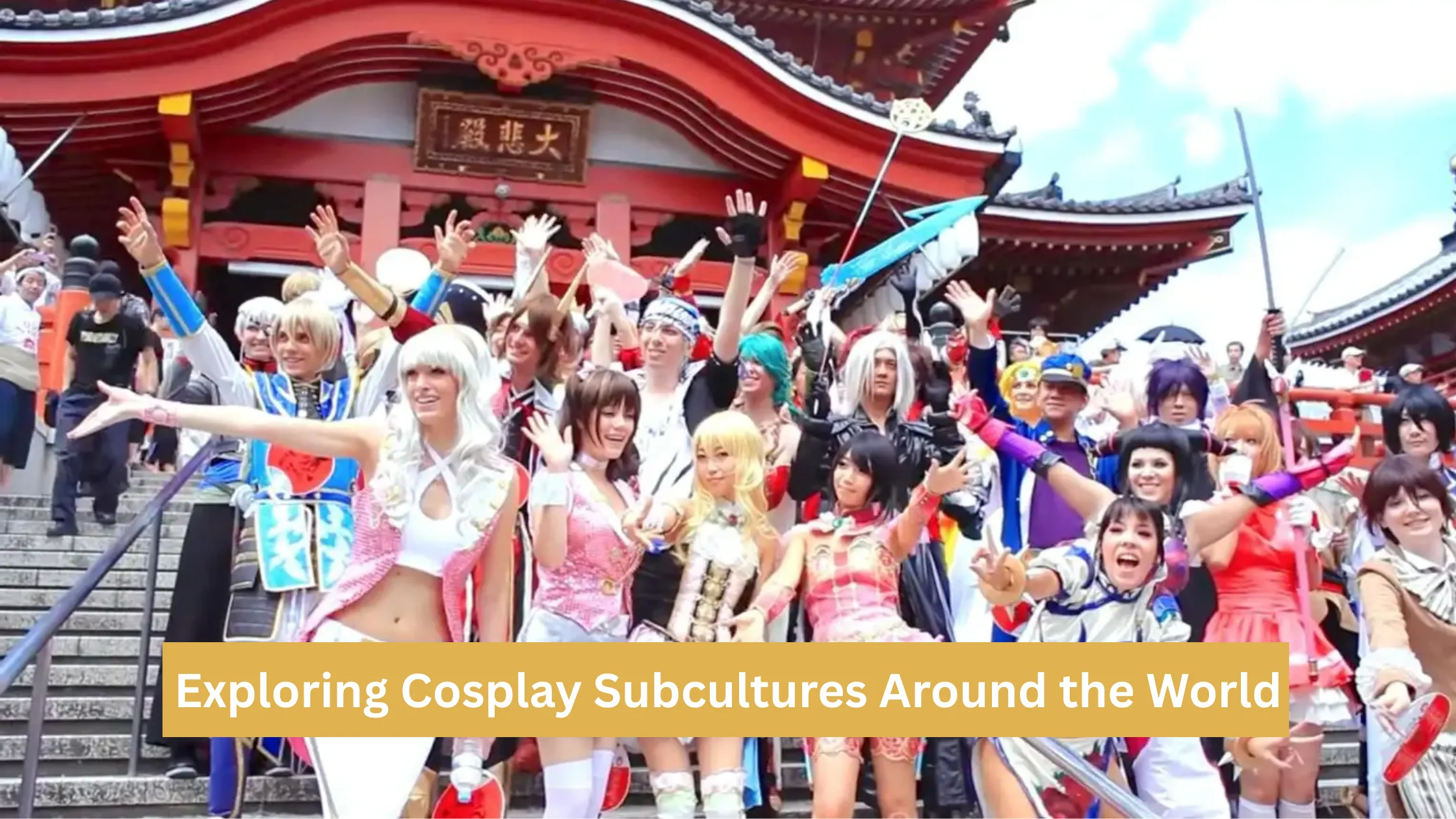
Cosplay subcultures began in Japan as a niche hobby, but it quickly grew into a cultural movement. The word itself blends costume and play, which already hints at its deeper meaning. From the beginning, cosplay was not just about wearing an outfit. It was about stepping into a character’s world and expressing admiration through performance.
Early cosplay culture developed alongside anime and manga fandoms in the late twentieth century. Events like Comic Market in Tokyo became gathering spaces where fans could meet, trade, and showcase their creativity. At first, costumes were simple and handmade with limited resources. However, passion mattered more than perfection.
Japanese cosplay also reflects cultural values. Attention to detail, respect for source material, and dedication to craft are highly valued. Many cosplayers spend months studying character designs and personality traits. This effort turns cosplay into a form of visual storytelling.
Over time, cosplay spread beyond conventions. Photo studios, themed cafés, and public events welcomed cosplayers. What started as a fan activity became a visible part of pop culture. Japan laid the foundation, but the world soon followed, adapting cosplay to local cultures and creative styles.
North American Trends
Cosplay in North America developed with a different rhythm but the same passion. While Japanese cosplay focused on precision and character accuracy, North American scenes leaned toward individuality and reinterpretation. Creativity often mattered more than strict adherence to the original design.
Comic conventions played a major role in this growth. Events like large fan expos became safe spaces where cosplayers could experiment freely. Superheroes, anime characters, and video game icons shared the same halls. This mix encouraged crossover styles and bold design choices.
Another defining trend is craftsmanship visibility. Many cosplayers openly share progress photos, tutorials, and material lists. This openness builds community and helps newcomers learn without pressure. It also highlights cosplay as a serious creative skill rather than a casual hobby.
Performance also gained importance. Skits, themed photoshoots, and interactive poses allow cosplayers to bring characters to life. Social interaction becomes part of the experience.
Overall, North American cosplay celebrates self-expression. It embraces diversity in body types, gender identity, and interpretation. This inclusive approach helps cosplay feel welcoming, dynamic, and constantly evolving.
European Cosplay Scenes
European cosplay scenes blend tradition, artistry, and innovation. Across different countries, cosplay reflects local culture while staying connected to global fandoms. This diversity gives European cosplay a unique identity that feels both familiar and fresh.
Many European cosplayers emphasize craftsmanship. Historical costume traditions influence armor building, fabric choice, and tailoring techniques. As a result, handmade costumes often showcase exceptional detail and durability. Medieval aesthetics frequently merge with fantasy and anime designs, creating visually striking results.
Conventions across Europe also feel more community-focused. Smaller regional events encourage interaction rather than competition. Cosplayers exchange tips, collaborate on group themes, and support each other’s work. This environment helps beginners grow without pressure.
Photography plays a strong role as well. European locations such as castles, old streets, and natural landscapes serve as dramatic backdrops. These settings elevate cosplay photos into storytelling art rather than simple portraits.
While styles differ between countries, the shared focus on creativity unites the scene. European cosplay thrives on balance. It respects tradition while welcoming experimentation. This combination keeps the culture grounded yet forward-looking.
Competitions and Conventions
Competitions and conventions form the heartbeat of global cosplay culture. These events give cosplayers a stage to showcase their skills while connecting with like-minded fans. From small local gatherings to massive international expos, each event offers a different experience.
Cosplay competitions often focus on craftsmanship, performance, or both. Judges look at costume construction, accuracy, and stage presence. However, winning is not always the main goal. Many participants value feedback, exposure, and personal growth more than trophies.
Conventions also create shared memories. Hallway photos, group meetups, and spontaneous performances add to the excitement. Panels and workshops allow cosplayers to learn new techniques or hear from experienced creators. This educational aspect strengthens the community.
Another important element is accessibility. Many events now offer beginner categories or non-competitive showcases. These options reduce pressure and encourage participation from all skill levels.
Overall, conventions act as cultural hubs. They bring together creativity, fandom, and friendship. Through these gatherings, cosplay transforms from an individual hobby into a shared celebration of imagination and effort.
Influential Creators
Influential creators play a major role in shaping cosplay subcultures worldwide. These individuals set trends, inspire techniques, and help define what cosplay can become. Their impact often extends far beyond costumes alone.
Many influential cosplayers gained recognition through consistent craftsmanship and storytelling. Instead of focusing only on accuracy, they bring emotion and personality into their work. This approach helps audiences connect with characters on a deeper level.
Social media amplifies their influence. Platforms allow creators to share behind-the-scenes content, tutorials, and creative struggles. As a result, followers see the full journey, not just the finished costume. This transparency makes cosplay feel more approachable and less intimidating.
Some creators also collaborate with brands, conventions, or studios. These partnerships elevate cosplay into a professional creative field. However, many influential figures continue to support community values by mentoring newcomers and promoting inclusivity.
Ultimately, influential creators act as bridges. They connect fandoms, cultures, and skill levels. Through passion and consistency, they prove that cosplay is both an art form and a shared global language.
Studio Support for Cosplayers
Anime studios increasingly recognize the value of cosplay communities. Over time, support for cosplayers has shifted from informal acknowledgment to structured collaboration. This change reflects how deeply cosplay connects fans to their favorite stories.
Some studios now provide official reference materials. High-quality character sheets, fabric details, and color guides help cosplayers achieve accurate designs. This transparency builds trust and encourages creative participation. It also reduces guesswork for complex costumes.
In addition, studios often invite cosplayers to promotional events. Premieres, exhibitions, and anniversary celebrations feature fan-made costumes alongside official displays. This inclusion validates cosplay as part of the anime ecosystem rather than a separate hobby.
Licensing policies have also evolved. Clearer guidelines allow fans to share their work online without fear of copyright issues. As a result, creativity flourishes across platforms.
Overall, studio support strengthens mutual respect. Cosplayers promote series through passion and visibility. Studios respond by offering recognition and resources. This balanced relationship helps cosplay culture grow while staying connected to its creative roots.
Social Media Impacts
Social media has reshaped cosplay culture across the world. Platforms allow creators to share work instantly, which transforms cosplay from a local activity into a global conversation. As a result, styles and techniques spread faster than ever before.
Cosplayers use social media to document every step of creation. Progress photos, fabric choices, and problem-solving moments create relatable stories. This process builds trust and keeps audiences engaged beyond final reveals.
Algorithms also influence visibility. Certain aesthetics gain popularity quickly, which can create trends but also pressure. However, many creators push back by emphasizing authenticity over perfection. This balance keeps cosplay diverse.
Live streams and short-form videos add another layer. Real-time interaction allows cosplayers to answer questions, teach skills, and connect personally with fans. These tools strengthen community bonds.
At the same time, social media raises challenges. Comparison culture and burnout exist. Despite this, positive spaces continue to grow through supportive hashtags and collaborative content.
Overall, social media acts as both a showcase and a support system. It expands cosplay’s reach while reshaping how creativity is shared and valued.
Representation and Diversity
Representation and diversity have become central topics in global cosplay culture. As cosplay spreads across regions, it reflects a wider range of identities, body types, and cultural backgrounds. This shift challenges outdated ideas about who can portray certain characters.
Cosplay encourages personal interpretation. Many creators adapt characters to reflect their own identity while preserving core traits. This approach emphasizes respect rather than imitation. As a result, cosplay becomes more inclusive and welcoming.
Gender-neutral and gender-bent cosplays also play a role. They allow participants to explore creativity without rigid boundaries. These interpretations often spark meaningful conversations about self-expression and freedom.
Communities now actively support diversity through guidelines and event policies. Many conventions promote inclusive spaces and address discrimination directly. Online platforms also amplify underrepresented voices, helping them gain recognition.
However, challenges remain. Gatekeeping and bias still exist in some spaces. Yet, continued advocacy and visibility encourage positive change.
In the end, representation strengthens cosplay culture. It reminds fans that creativity belongs to everyone. By embracing diversity, cosplay becomes richer and more connected across the world.
Safety and Ethics Issues
As cosplay communities grow, conversations about safety and ethics become increasingly important. Large conventions and online platforms bring excitement, but they also require clear boundaries and shared responsibility.
Personal safety is a key concern. Crowded events can create uncomfortable situations if respect is not maintained. Many conventions now enforce consent policies. These rules remind attendees that costumes are not invitations for unwanted attention.
Online spaces also present ethical challenges. Image misuse, harassment, and impersonation affect many cosplayers. In response, communities promote reporting tools and encourage crediting original creators. These practices protect creative ownership.
Costume choices raise ethical questions as well. Cultural sensitivity matters, especially when designs draw from real traditions. Responsible cosplayers research context and avoid harmful stereotypes. This awareness strengthens mutual respect.
Event organizers play a vital role by providing safe environments. Clear codes of conduct and trained staff help address issues quickly.
Ultimately, ethical cosplay thrives on empathy. When participants prioritize respect, cosplay remains joyful, expressive, and safe for everyone involved.
Predictions for New Cosplay Tech
Technology is set to redefine cosplay in exciting ways. As tools become more accessible, creativity will rely less on budget and more on imagination. This shift opens doors for newcomers and experienced creators alike.
Wearable technology is gaining attention. Programmable lights, sound effects, and motion sensors allow costumes to react in real time. These features enhance immersion and bring characters to life beyond static visuals.
3D printing continues to evolve. Faster printing and improved materials make detailed props easier to produce. Custom-fit armor and accessories become more precise, reducing waste and trial errors.
Virtual and augmented reality may also shape cosplay experiences. Digital overlays could enhance photoshoots and convention displays. Hybrid cosplay may combine physical costumes with digital enhancements.
Sustainability will influence future tech choices. Eco-friendly materials and reusable components gain importance as creators become more environmentally aware.
Overall, cosplay technology will focus on expression rather than spectacle. Innovation will support storytelling, comfort, and inclusivity. The future of cosplay looks interactive, responsible, and deeply creative.
Conclusion
Cosplay has grown far beyond its early roots to become a global creative movement. What began as a fan-driven expression of love for anime and pop culture now connects communities across continents. From Japan’s meticulous craftsmanship to North America’s bold interpretations and Europe’s artistic fusion, each region adds its own voice to cosplay culture.
Along the way, social media, conventions, and emerging technology have reshaped how cosplayers create and share their work. At the same time, conversations around diversity, safety, and ethics have helped the community mature. These discussions ensure cosplay remains welcoming and respectful.
Looking ahead, innovation will continue to expand creative possibilities. Yet the heart of cosplay will stay the same. It is about passion, storytelling, and human connection. As long as fans keep celebrating characters in their own unique ways, cosplay will continue to evolve while staying true to its joyful spirit.