
Anime has always explored differences. From outsiders with mysterious powers to quiet characters navigating inner struggles, the medium thrives on stories about standing apart. In recent years, however, a more meaningful shift has taken place. Disability positive anime no longer treats disability as a weakness to overcome or a tragedy to erase. Instead, it places empowerment at the center of the narrative.
Rather than using disability as a plot device, these stories focus on agency, identity, and growth. Characters live with physical, sensory, cognitive, or emotional differences, yet their journeys are defined by choice and resilience rather than pity. As audiences grow more aware and inclusive, anime has begun responding with deeper representation.
This evolution reflects a broader cultural change. Viewers want stories that feel honest. They want characters who struggle realistically and succeed on their own terms. Disability-positive anime meets that need by telling stories that are grounded, emotional, and profoundly human.
Unique Character Powers and Disabilities
One of anime’s most distinctive strengths is its ability to blend metaphor with reality. Disability-positive anime often uses this balance to explore difference without erasing lived experience.
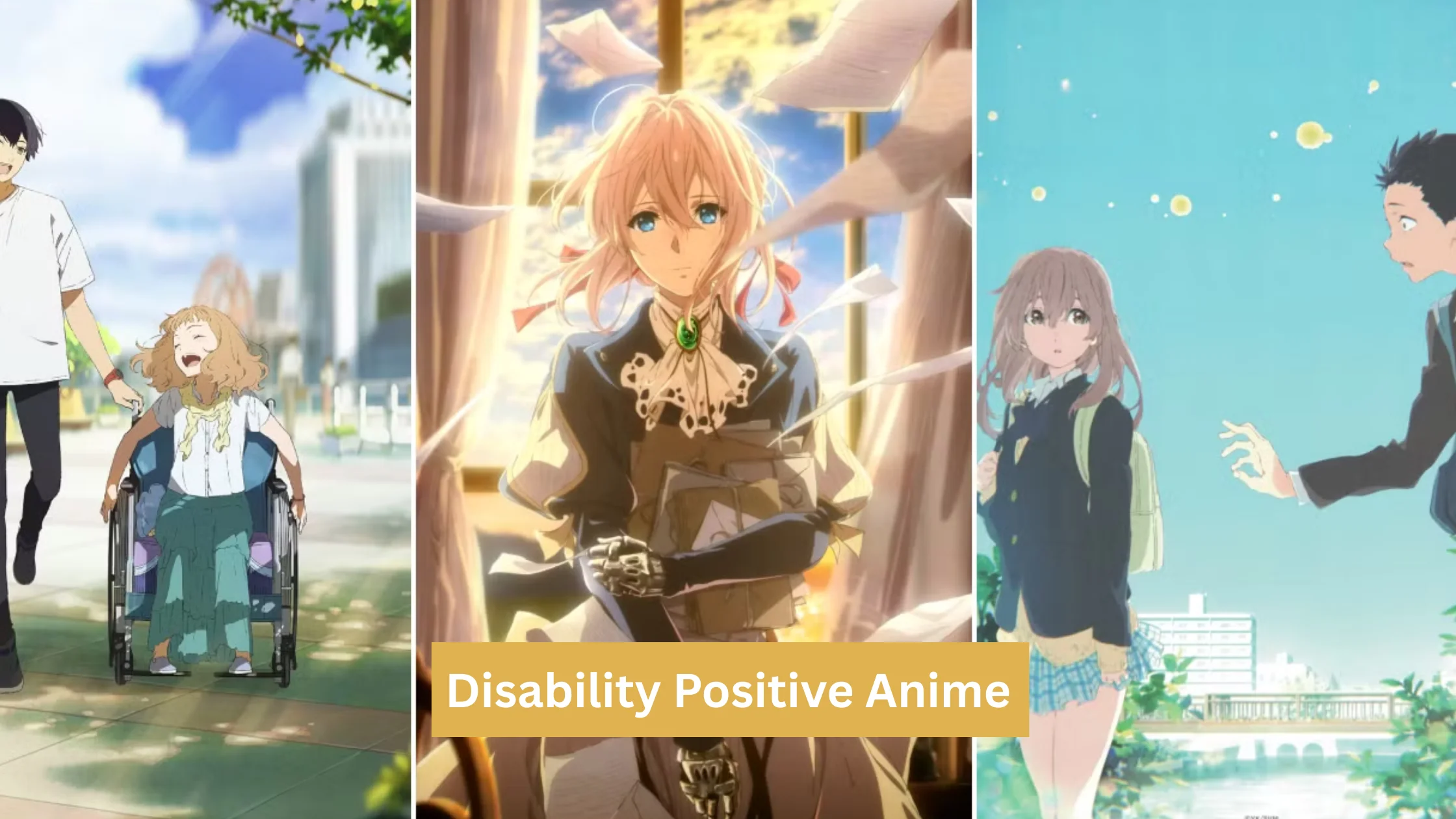
In some stories, characters possess unique abilities that exist alongside disabilities rather than replacing them. A character might have heightened perception while living with sensory sensitivity. Another may rely on assistive technology while excelling in strategy or creativity. These portrayals avoid the harmful trope of “superhuman compensation” where disability is magically canceled out.
Instead, power and limitation coexist. Characters adapt. They learn. They fail. Their disabilities influence how they interact with the world, but they do not define their worth. This approach reinforces a powerful message: strength does not mean normalcy.
Importantly, anime often visualizes internal experiences. Sound design, pacing, and framing can reflect sensory overload, mobility challenges, or communication barriers. These creative choices help audiences understand disability as an everyday reality rather than a dramatic twist.
By treating disability as part of character identity, anime transforms difference into depth.
Representation Versus Tokenism
Meaningful representation requires intention. Disability-positive anime succeeds when characters feel fully realized rather than symbolic.
Tokenism occurs when disability is included for appearance alone. A character exists to signal diversity but lacks agency, development, or narrative importance. These portrayals often fall into stereotypes or serve only to motivate able-bodied characters.
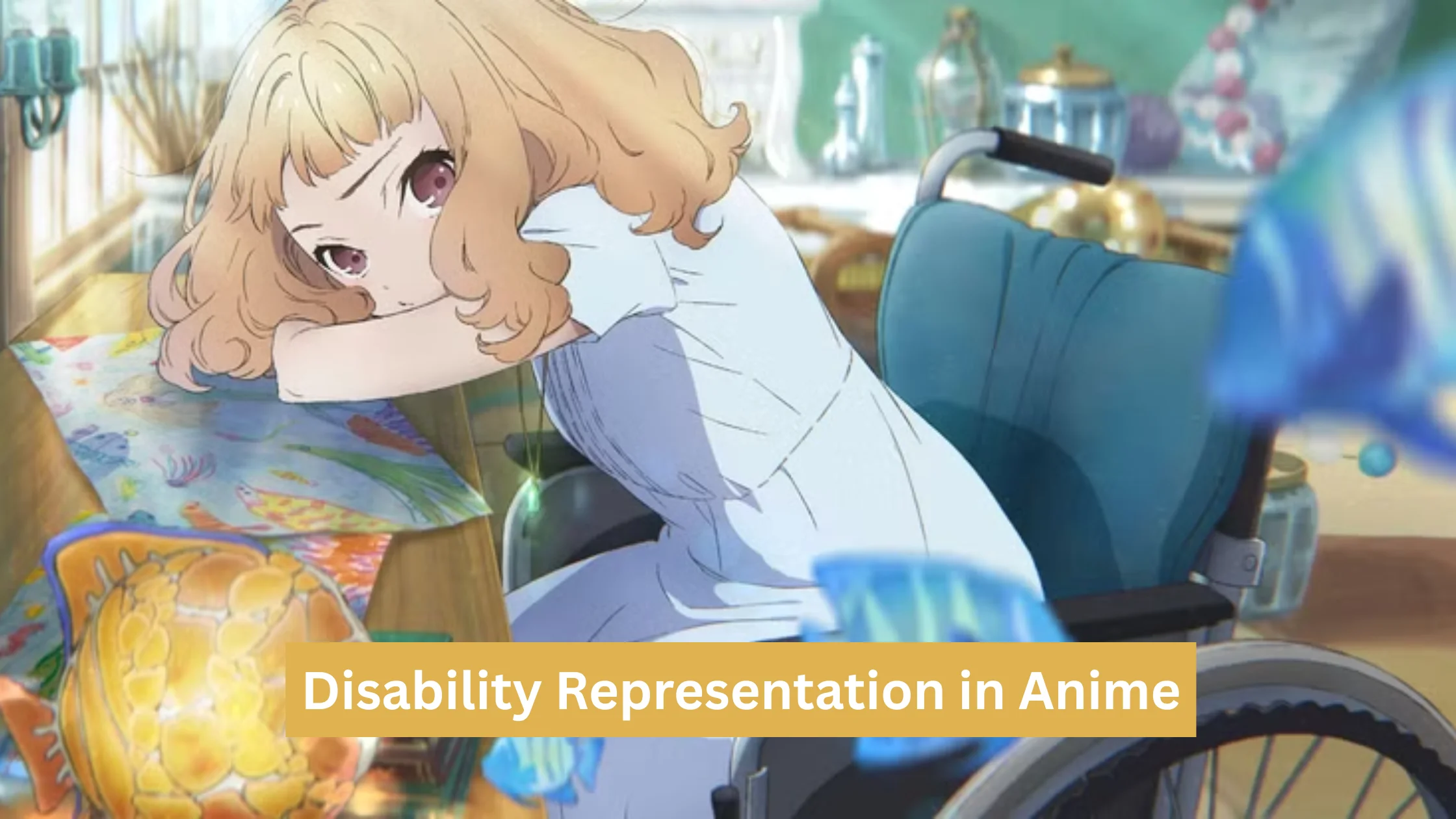
In contrast, authentic representation centers disabled characters within the story. They make decisions. They experience relationships, conflict, humor, and ambition. Their disability influences their journey, but it does not consume it.
Well-written anime avoids framing disability as something to be cured. Growth comes from self-acceptance and community rather than transformation into normal. This distinction matters deeply to viewers who rarely see themselves reflected on screen.
When representation is done well, it creates connection. Audiences recognize truth in the small details. Daily routines. Frustrations. Quiet victories. These moments build trust between the story and its viewers.
Studio Research for Accurate Portrayal
Behind every strong disability-positive anime is careful research. Studios that handle these stories responsibly invest time in understanding lived experience.
Creators consult medical professionals, disability advocates, and individuals with firsthand knowledge. This research informs character behavior, assistive tools, and environmental design. Accuracy is not about perfection. It is about respect.
Visual storytelling plays a key role here. How a character navigates space. How sound fades or sharpens. How communication unfolds. These choices require sensitivity and awareness.
Studios that prioritize research also tend to avoid sensationalism. They resist exaggeration and instead focus on authenticity. This grounded approach strengthens emotional impact and prevents harmful misconceptions.
As audiences become more informed, expectations rise. Anime studios that commit to accuracy earn credibility and long-term respect.
Fan Campaigns for Awareness
Fans have played a significant role in promoting disability-positive anime. Online communities often amplify stories that resonate emotionally and socially.
Viewers share personal connections. They discuss representation openly. Fan campaigns highlight why certain portrayals matter and how they reflect real experiences. These discussions extend beyond fandom into broader conversations about inclusion.
Social media has made advocacy visible. Hashtags, essays, and video analyses draw attention to underrepresented narratives. Fans also push back against insensitive portrayals, encouraging studios to do better.
This feedback loop matters. Studios now recognize that audiences care deeply about representation. Disability-positive anime gains longevity not just through storytelling, but through community support. When fans feel seen, they become advocates.
Character Arcs Centered on Empowerment
Empowerment in disability-positive anime is subtle yet powerful. It is not about sudden triumph or dramatic transformation. It is about agency.
Characters learn how to navigate the world on their own terms. They build confidence through experience rather than validation. Growth comes from adapting systems, not changing themselves.
These arcs often emphasize collaboration. Friends, mentors, and communities play supportive roles without overshadowing the protagonist. Independence and interdependence coexist.
Failure is treated with care. Setbacks are part of the journey, not proof of limitation. This realistic approach deepens emotional resonance and avoids inspiration clichés. Empowerment becomes a process rather than an endpoint.
Comparison with Global Animation
When comparing disability-positive anime with global animation, clear differences emerge in tone and focus. Western animation often frames disability through educational messaging or explicit moral lessons. While well intentioned, this approach can feel instructive rather than immersive.
Anime tends to integrate disability more naturally into the narrative world. Instead of stopping to explain, it shows daily life unfolding. The audience learns through observation. This subtlety allows viewers to engage emotionally without feeling guided toward a specific conclusion.
Another distinction lies in pacing. Anime frequently gives space to silence, reflection, and routine. These quiet moments mirror real experiences of navigating the world with a disability. Global animation sometimes favors faster storytelling, which can oversimplify complexity.
That said, cross-cultural influence is growing. As anime gains global popularity, international creators adopt its nuanced methods. Likewise, anime studios are learning from global conversations around accessibility and inclusion. This exchange strengthens representation across mediums.
Emotional Resonance with Viewers
Disability-positive anime resonates deeply because it reflects real emotional landscapes. Viewers do not connect through spectacle alone. They connect through honesty.
These stories validate feelings that are often overlooked. Frustration. Isolation. Determination. Pride. For disabled viewers, recognition can be profoundly moving. For others, it builds empathy and understanding.
Emotion emerges through small details. A pause before speaking. A character choosing rest over endurance. A moment of quiet self-acceptance. These scenes linger because they feel true.
Importantly, the anime does not ask viewers to feel sorry for the characters. Instead, it invites them to walk alongside them. This shared experience fosters respect rather than pity.
When empowerment is central, emotion becomes a bridge between story and audience.
Notable Voice Actor Contributions
Voice acting plays a crucial role in disability-positive anime. Performance adds layers that visuals alone cannot convey.
Seiyuu brings authenticity through tone, rhythm, and restraint. A voice may hesitate, soften, or strain in ways that reflect internal experience. These choices shape how audiences perceive the character’s world.
In some cases, casting decisions receive particular attention. Studios increasingly value sensitivity and preparation. Voice actors research conditions, consult experts, and adjust performances accordingly.
Strong performances avoid exaggeration. They capture vulnerability without dramatizing it. This balance ensures that disability is portrayed as lived reality rather than performance. When voice acting aligns with thoughtful writing, the result feels deeply human.
Merchandising and Advocacy Collaborations
Merchandising around disability-positive anime is evolving. Rather than focusing solely on collectibles, some studios partner with advocacy groups and accessibility initiatives.
Collaborations may include awareness campaigns, inclusive events, or educational materials. Merchandise designs sometimes highlight assistive devices or symbolic imagery rather than idealized versions of characters.
These efforts signal responsibility. They show that representation extends beyond the screen. For fans, supporting such merchandise feels meaningful rather than transactional.
Advocacy partnerships also broaden the audience. They introduce anime to communities who may not traditionally engage with it, creating new points of connection.
When done thoughtfully, merchandising becomes an extension of empowerment rather than exploitation.
Predicted Evolution in Disability-Positive Anime
The future of disability positive anime looks promising. As creators gain confidence, representation is becoming more varied and intersectional.
Upcoming stories may explore disabilities alongside age, culture, gender, and class. Rather than spotlighting difference, anime may normalize it further. Characters will exist without needing to justify their presence.
Technology will also influence storytelling. Improved sound design, visual accessibility, and immersive techniques can deepen representation. However, the heart of these stories will remain human.
Most importantly, disabled creators and consultants are likely to play larger roles. Their voices will shape narratives from the ground up. Empowerment will continue to move from theme to foundation.
Conclusion
Disability positive anime represents a meaningful shift in storytelling. By centering empowerment, these stories move beyond stereotypes and tokenism. They present disability as a lived experience shaped by choice, community, and identity.
Through careful research, authentic voice acting, and emotionally grounded narratives, anime builds connection rather than spectacle. Viewers are invited to understand, not judge. As fan advocacy grows and studios respond with greater responsibility, representation continues to evolve.
The future promises deeper nuance, broader inclusion, and stories that reflect real lives with honesty and respect. Disability positive anime proves that strength is not defined by ability alone. It is defined by resilience, agency, and the freedom to exist fully on one’s own terms.