
Introduction: Why Isekai Is So Popular Today
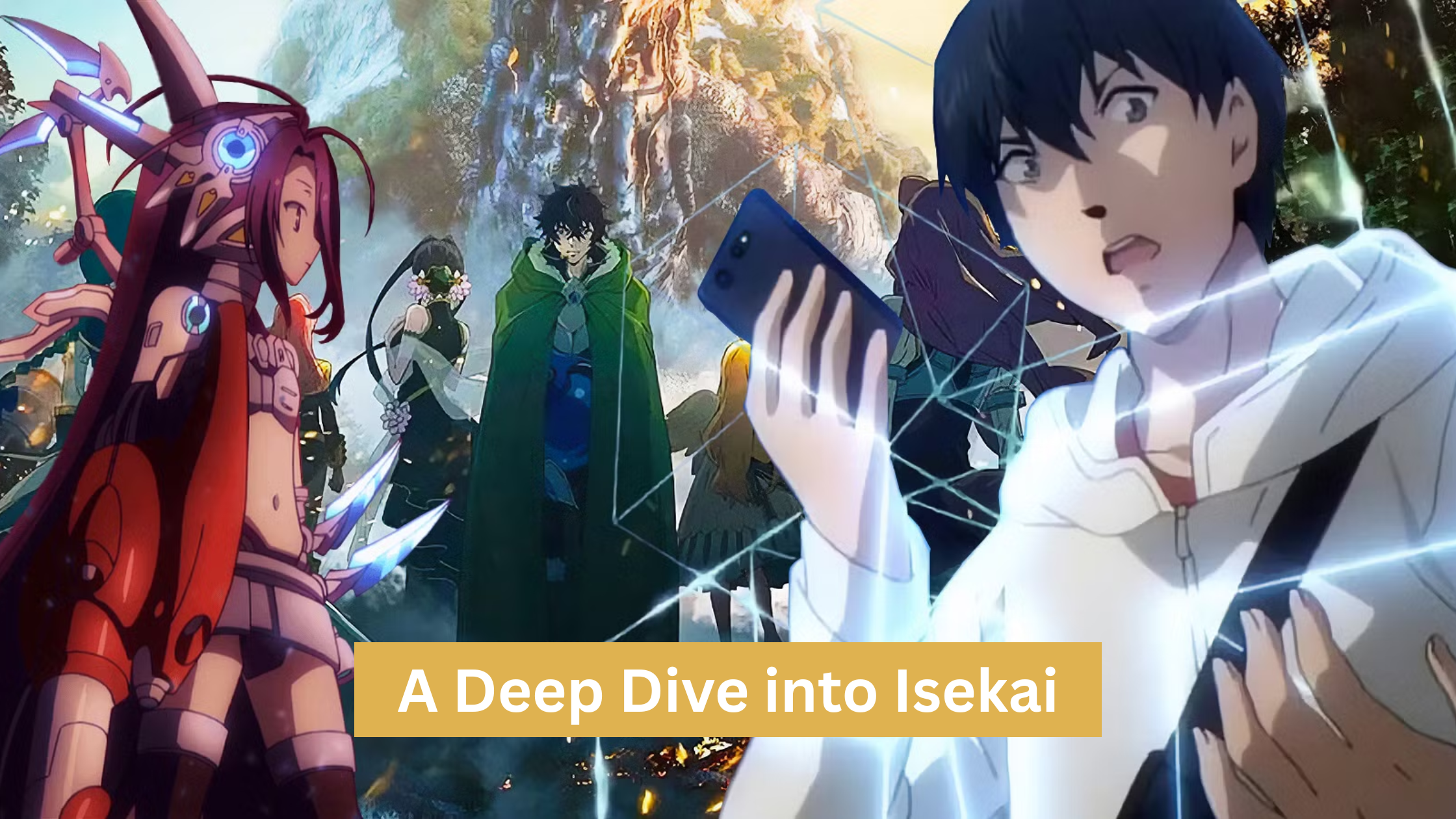
“Isekai,” meaning “another world” in Japanese, has become one of anime’s most dominant genres in the 21st century. From fantasy realms filled with magic to digital universes inspired by video games, isekai stories transport ordinary characters into extraordinary worlds — and fans can’t seem to get enough.
But why has it become so popular? The answer lies in its blend of escapism, power fantasy, and emotional depth. Audiences love seeing relatable characters — often introverted or struggling in real life — find purpose and strength in alternate realities. It’s a fantasy of rebirth and transformation, one that resonates deeply in a fast-paced, stressful modern world.
Today, deep dive into isekai dominates streaming charts and anime discussions alike, but it’s also divisive. While some celebrate it as a creative powerhouse, others see it as repetitive and overused. To understand this phenomenon, let’s trace its roots, evolution, and ongoing impact on anime culture.
Early Isekai Classics
Before the explosion of modern isekai titles, a few pioneering series paved the way. Inuyasha (2000) remains one of the most beloved early examples — Kagome, a modern high school girl, is pulled into Japan’s feudal era through a magical well. It blended romance, adventure, and time travel long before “isekai” became a buzzword.
Then came Digimon Adventure, introducing young viewers to the idea of being transported into a digital realm. Unlike traditional fantasy worlds, the “Digital World” combined technology and mythology, appealing to a new generation of fans growing up with computers and games.
Other notable early examples include Escaflowne, Magic Knight Rayearth, and Spirited Away, which subtly incorporated the “other world” concept through mythic storytelling. These early titles laid the groundwork for the genre’s defining themes: rebirth, personal growth, and the tension between two realities.
By the mid-2000s, the seeds planted by these classics blossomed into the isekai boom we know today.
Modern Wave: Re:Zero, Shield Hero, Konosuba
The modern isekai wave began in the 2010s, marked by blockbuster hits that redefined the genre. Re:Zero – Starting Life in Another World flipped the script by introducing psychological torment — Subaru’s repeated deaths and revivals added emotional weight to the otherwise light-hearted genre.
The Rising of the Shield Hero introduced moral complexity. Naofumi’s betrayal and redemption arc highlighted themes of resilience and justice, making it a fan favorite for its grounded storytelling.
Meanwhile, Konosuba took a comedic approach. Instead of epic heroism, it gave fans a dysfunctional party, endless gags, and a parody of isekai tropes themselves.
This modern evolution showed how flexible isekai could be — from tragic and dark to hilarious and self-aware. These titles also benefited from digital platforms like Crunchyroll and Netflix, which helped spread the genre to international audiences.
Each series reflected a different side of isekai’s appeal — making it impossible to ignore in today’s anime landscape.
Common Tropes: Overpowered MCs, Game Worlds & Fantasy Settings
If you’ve watched more than two isekai anime, you’ve probably noticed the patterns:
- Overpowered Main Characters (OP MCs): Protagonists like Kirito (Sword Art Online) or Rimuru (That Time I Got Reincarnated as a Slime) often begin weak but quickly gain god-like powers.
- Game-Influenced Worlds: Many isekai settings resemble RPGs — complete with levels, guilds, magic systems, and quests.
Fantasy Kingdoms & Magic: Castles, dragons, and enchanted forests remain staple visuals.
- Harem or Romantic Subplots: Relationships often add comedic or emotional layers to the narrative.
While these tropes have become clichés to some, they also provide comfort and familiarity for fans. They create a recognizable structure that allows writers to experiment with new twists — whether it’s dark psychological storytelling (Re:Zero) or slice-of-life humor (Jobless Reincarnation).
Tropes, when done right, are part of what makes isekai fun — and endlessly adaptable.
Why Fans Love Isekai: Escapism & Adventure
For fans, isekai represents ultimate escapism. It gives ordinary characters — often outcasts or misunderstood individuals — a chance to start over in a world where they finally matter.
This “rebirth fantasy” appeals deeply to viewers dealing with real-world pressure, loneliness, or unfulfilled dreams. Watching someone gain strength, purpose, and community in a fantastical world feels empowering and hopeful.
Additionally, isekai offers unmatched adventure and imagination. It blends magic, mythology, and modern storytelling in ways that spark the imagination. Each world is a fresh sandbox — from the medieval settings of Re:Zero to the lighthearted absurdity of Konosuba.
The best isekai series connect emotionally because they remind us that personal growth and courage can happen anywhere — even in another world.
In short, isekai’s popularity isn’t accidental. It’s a genre that speaks to human longing for transformation, purpose, and freedom.
Why Critics Dislike It: Clichés & Lack of Originality
Despite its massive following, isekai often draws criticism for being formulaic. Many series follow identical setups: protagonist dies, reincarnates, gains powers, gathers allies, and defeats evil. For some viewers, this repetition has dulled the genre’s charm.
Critics argue that the “OP protagonist” trope eliminates tension and character development. Others feel that overreliance on game mechanics or fan service cheapens the emotional experience.
Furthermore, the isekai market has become oversaturated. With dozens of similar titles released every season, even passionate fans admit that originality has taken a hit.
However, this doesn’t mean the genre is doomed. Many creators are now subverting clichés — using humor, darker tones, or deeper themes to rejuvenate the format.
While not every isekai is groundbreaking, the genre’s popularity ensures constant experimentation — and that’s where innovation thrives.
Best Isekai Recommendations for New Viewers
If you’re new to isekai and wondering where to start, here are must-watch picks that showcase the genre’s range:
- Re:Zero – Starting Life in Another World: Emotional depth, psychological struggle, and intense world-building.
- Konosuba: A hilarious parody that celebrates and mocks isekai tropes simultaneously.
- The Rising of the Shield Hero: Gritty, mature storytelling about betrayal, justice, and redemption.
- Jobless Reincarnation (Mushoku Tensei): Deep character development and stunning animation.
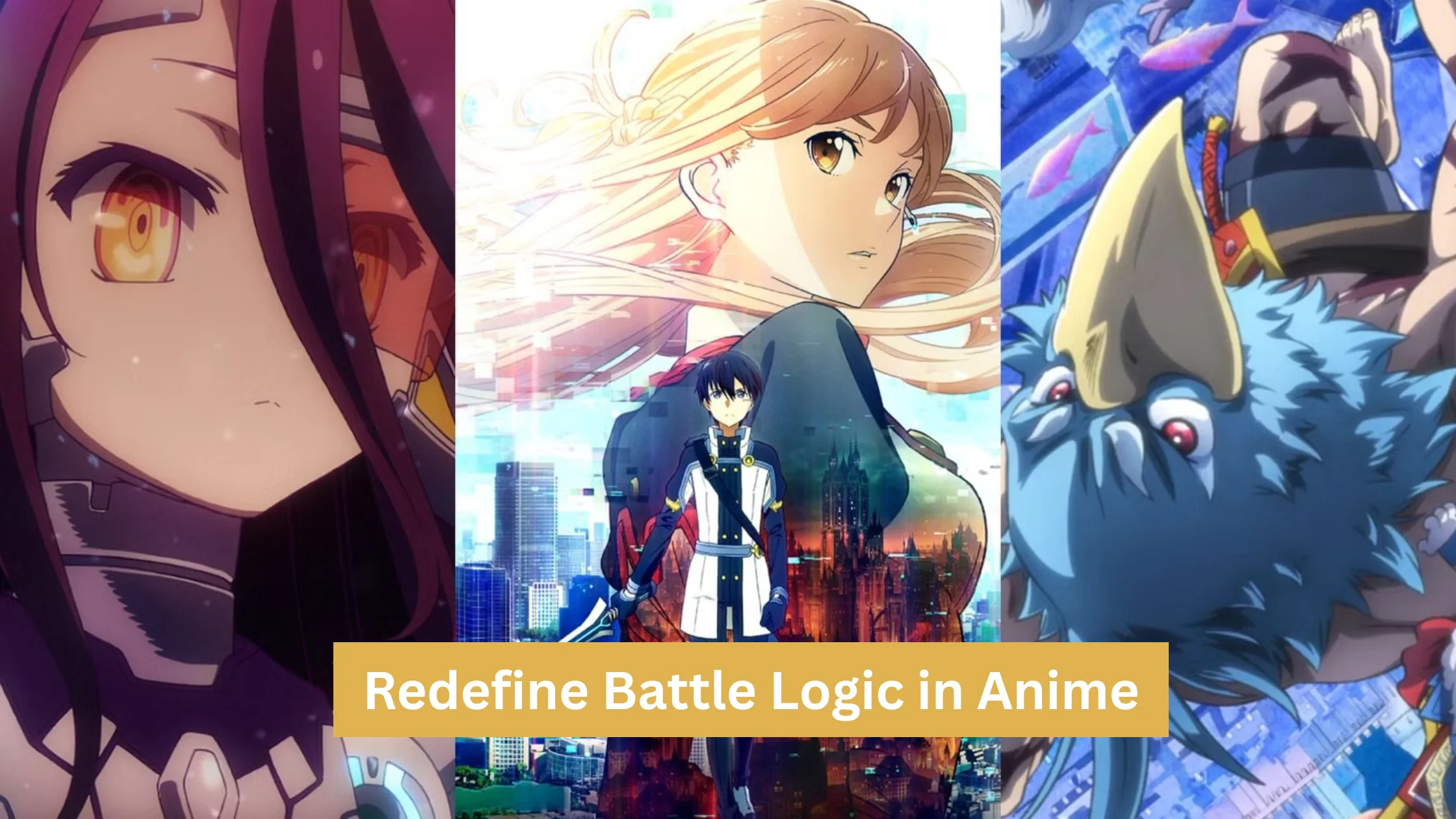
- No Game No Life: Strategic battles, colorful visuals, and high-stakes mind games.
- That Time I Got Reincarnated as a Slime: A wholesome, lighthearted adventure with an unexpectedly powerful protagonist.
Each of these series offers a different flavor of isekai — from dark and emotional to comedic and uplifting. Whether you crave action, introspection, or humor, there’s an isekai world waiting for you.
The Future of Isekai Storytelling
The future of isekai lies in reinvention. While many titles still follow the same “transported to another world” formula, new creators are exploring deeper themes.
Modern series are experimenting with reverse isekai, where characters from fantasy worlds enter our reality — as seen in Re:Creators and The Devil is a Part-Timer. Others blend genres like horror (Re:Zero), romance (The Saint’s Magic Power is Omnipotent), or slice of life (I’ve Been Killing Slimes for 300 Years).
The rise of light novels and web serials ensures that fresh voices keep reshaping the genre. With global streaming and AI-assisted animation tools, the creative potential is limitless.
Isekai’s evolution will depend on creators daring to tell new stories — stories that focus on emotional complexity, world ethics, and identity, rather than just power progression.
If that happens, isekai will continue to thrive, not as a trend — but as a cornerstone of modern anime.
Wrap-Up: A Balanced View of the Genre
Love it or hate it, isekai is here to stay. It’s a genre that mirrors both the best and worst aspects of modern storytelling — offering grand adventures alongside repetitive tropes. But its core appeal remains timeless: the dream of starting over in a new world, free from limits.
Isekai’s greatest strength lies in its flexibility. It can be tragic, comedic, romantic, or deeply philosophical — and that diversity ensures it continues to evolve. For every predictable “reincarnated hero” story, there’s another that challenges expectations and redefines what isekai can be.
As fans, we can appreciate the genre’s creativity while calling for more originality. After all, even within overused formulas, powerful storytelling and emotional authenticity still shine through.
In the end, isekai isn’t just about escaping reality — it’s about reimagining it. Whether you find it repetitive or revolutionary, one thing is certain: the allure of stepping into another world will always captivate our imagination.