
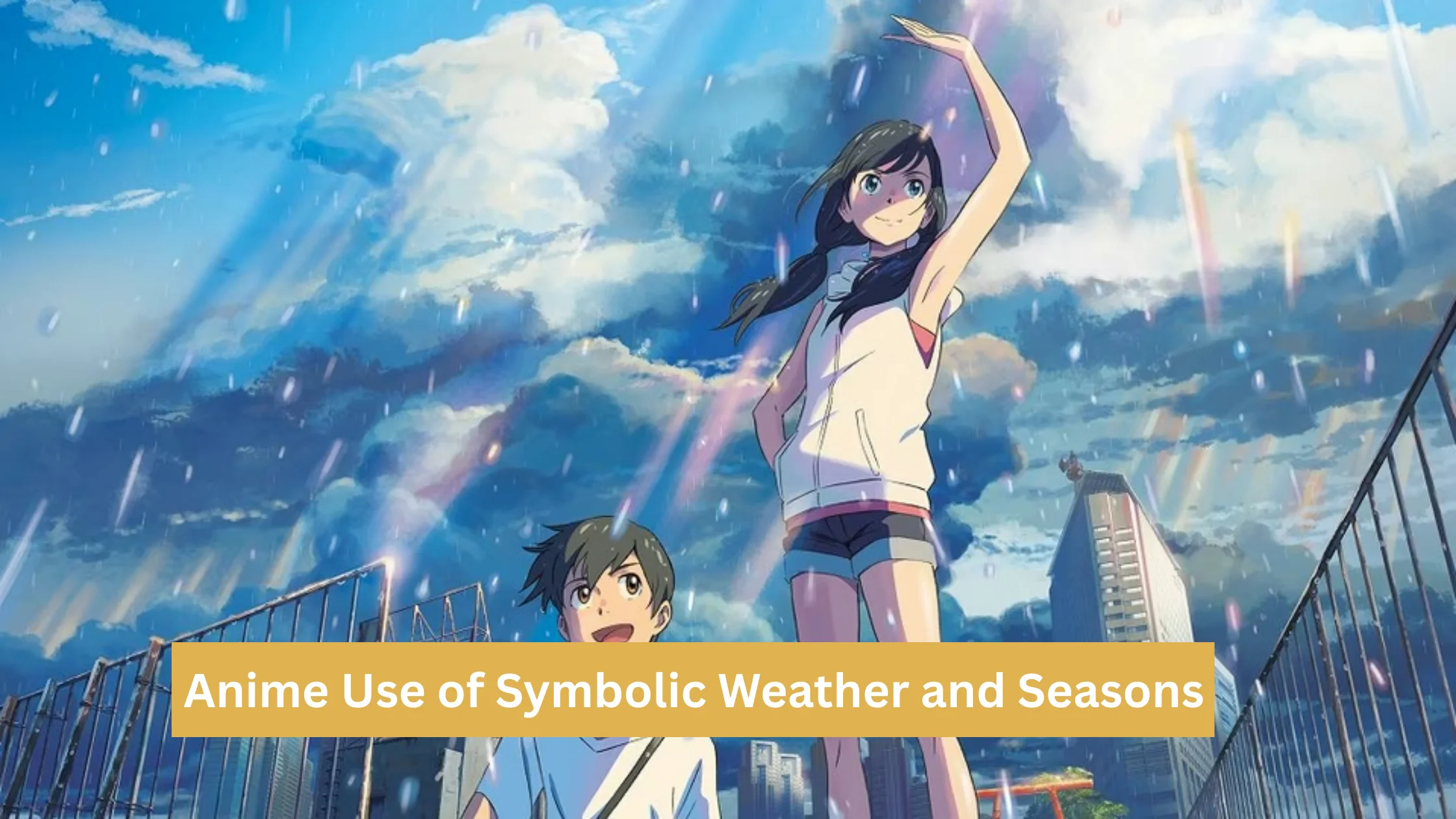
Weather and seasons are not just background details in anime. They are emotional tools. A sudden rainstorm can signal heartbreak. Cherry blossoms can mark beginnings and endings at the same time. Snow can represent isolation or quiet healing. Over decades, anime has developed a visual language where climate and emotion move together.
This connection is not accidental. It comes from deep cultural roots and careful artistic choices. Anime creators understand that viewers feel weather before they analyze it. A gray sky sets a mood instantly. A warm summer sunset brings nostalgia without a single line of dialogue.
By anime use symbolic weather and seasonal transitions, anime tells stories that feel alive. The environment becomes part of the narrative. In many cases, it becomes a silent character itself.
Historical Roots in Japanese Poetry
To understand why anime uses weather so symbolically, we must look at Japanese poetry and classical literature. For centuries, nature has been a primary emotional language in Japan.
Traditional poetry forms such as waka and haiku rely heavily on seasonal references. A single image of autumn leaves or spring rain can express longing, loss, or renewal. These seasonal markers, known as kigo, allow poets to convey emotion indirectly.
This tradition shaped Japanese storytelling long before anime existed. Literature, theater, and later film all carried this sensitivity forward. When anime emerged as a modern medium, it naturally inherited this approach.
Rather than explaining emotions directly, anime often lets the environment speak. A quiet snowfall can replace dialogue. A humid summer day can mirror emotional tension. These choices feel intuitive to Japanese audiences because they reflect cultural storytelling habits.
Anime continues this poetic legacy by translating classical symbolism into moving images.
Seasonal Backgrounds in Slice-of-Life Anime
Slice-of-life anime relies heavily on seasonal progression. These stories focus on everyday experiences, making the passage of time essential.
Spring often represents new beginnings. School terms start. Friendships form. Characters step into unfamiliar worlds. Soft colors and gentle lighting reinforce this sense of possibility.
Summer brings intensity. Festivals, fireworks, and long days create emotional highs. At the same time, heat can amplify conflict or restlessness. Summer episodes often feel energetic yet fleeting.
Autumn introduces reflection. Falling leaves and shorter days encourage characters to look inward. Decisions feel heavier. Relationships shift subtly.
Winter slows everything down. Snow-covered streets and quiet interiors create space for introspection. Loneliness and warmth coexist.
By aligning story arcs with seasons, slice-of-life anime feels grounded and relatable. Viewers recognize their own lives in these rhythms.
Weather as Emotional Symbolism
Weather in anime rarely exists without meaning. Rain, wind, sunlight, and storms are chosen carefully to reflect inner states.
Rain frequently accompanies emotional release. Characters cry under rain because it hides vulnerability. Storms often arrive during moments of chaos or conflict.
Clear skies signal resolution or clarity. A sudden break in clouds can mark emotional acceptance. Sunlight through windows often accompanies moments of understanding.
Fog represents confusion or uncertainty. Snow can symbolize both isolation and peace, depending on context. Wind may suggest change or restlessness.
These symbols work because they are universal. Viewers do not need explanation. They feel the message instinctively.
Anime trusts its audience to read these visual cues, making storytelling more immersive and emotionally resonant.
Animation Techniques for Realism
To make symbolic weather effective, anime studios invest heavily in realism. The more believable the environment, the stronger the emotional impact.
Animators study how light reflects on wet pavement. They observe how snow falls differently in calm versus windy conditions. Rain is animated with varying density and rhythm to match mood.
Color palettes shift with seasons. Spring uses soft pastels. Summer favors saturated tones. Autumn leans toward warm browns and oranges. Winter often uses cool blues and whites.
Background animation is layered carefully. Moving clouds, drifting petals, or falling leaves add subtle motion. These details create an atmosphere without distraction.
Realism allows symbolism to feel natural rather than forced.
Soundtrack to Match the Seasons
Music plays a crucial role in reinforcing seasonal emotion. Composers adjust instrumentation and tempo to match environmental tone.
Spring themes often use light piano or strings. Summer tracks feel rhythmic and open. Autumn music slows down and becomes more reflective. Winter soundtracks favor minimalism and silence.
Ambient sounds matter too. Cicadas define summer. Wind through trees marks autumn. Footsteps in snow emphasize quiet isolation.
When sound and visuals align, the emotional message becomes powerful. Viewers feel immersed rather than guided.
Notable Weather-Driven Episodes
Some anime episodes are remembered primarily for their use of weather. These episodes demonstrate how the environment can carry narrative weight.
A single rainy episode may define a relationship turning point. A snowstorm episode might isolate characters, forcing emotional honesty. Festival episodes under summer skies often become nostalgic highlights.
These episodes linger in memory because they combine story and setting seamlessly. Weather does not decorate the scene. It defines it.
Impact on Merchandise and Fashion
Anime’s use of symbolic weather and seasons extends beyond the screen and into merchandise and fashion. Seasonal imagery strongly influences how fans connect with characters and moments. As a result, studios and brands design products that reflect specific climates and moods.
Spring-themed merchandise often features soft colors, cherry blossoms, and school uniforms. These items evoke freshness and emotional beginnings. Summer collections highlight festival outfits, beachwear, and light fabrics. They capture energy and nostalgia tied to warm days.
Autumn-inspired goods lean into scarves, coats, and earthy tones. These designs feel calm and reflective. Winter merchandise often focuses on sweaters, mufflers, and snow-covered visuals. They suggest comfort and emotional warmth.
Limited seasonal releases feel special because they mirror the anime’s emotional timing. Fans are not just buying products. They are preserving feelings associated with specific moments and environments.
Viewer Emotional Resonance
Weather and seasons resonate deeply with viewers because they mirror real life experiences. Everyone has memories tied to certain times of year. Anime taps into this shared emotional memory.
A rainy scene might remind viewers of personal loss or quiet reflection. A summer festival episode may trigger nostalgia for youthful freedom. Snowfall scenes often feel intimate and still.
Because anime uses weather subtly, viewers feel emotions rather than analyze them. The environment creates mood without explanation. This emotional shorthand makes stories feel personal.
Seasonal symbolism also encourages rewatching. Fans return to episodes during similar times of year. Watching a winter episode in winter deepens its impact. This cyclical connection strengthens emotional attachment.
Studio Choices in Storyboard
Storyboarding is where symbolic weather truly takes shape. Studios plan environmental details early in production to align with narrative intent.
Directors decide when to show skies instead of faces. They choose framing that emphasizes rain streaks or drifting petals. Wide shots often highlight seasonal change. Close-ups use weather as texture and atmosphere.
Timing matters. A sudden storm may interrupt a scene deliberately. A quiet snowfall may extend a moment of silence. These choices guide emotional pacing.
Studios known for strong environmental storytelling invest extra time in this stage. They understand that weather is not decoration. It is narrative structure.
Seasonal Trends in Anime Release Schedules
Seasonal symbolism also influences anime release schedules. Studios often align premieres with thematic seasons.
Spring releases tend to focus on youth, romance, and new beginnings. Summer seasons favor action, adventure, and high-energy stories. Autumn brings darker tones and psychological depth. Winter releases often feature introspective or emotionally heavy narratives.
This alignment enhances viewer experience. Watching a story that matches the season feels natural. It deepens immersion and emotional relevance.
Streaming platforms have expanded global access, but seasonal planning remains important. Studios still consider how climate and mood interact with storytelling.
Conclusion
Anime’s use of symbolic weather and seasons is a powerful storytelling tradition rooted in culture, poetry, and emotional awareness. By blending the environment with narrative, anime creates experiences that feel deeply human.
Rain, snow, sunlight, and seasonal change become emotional languages that speak without words. Through careful animation, sound design, and storyboarding, studios transform weather into a narrative force. Viewers respond because these symbols reflect real memories and emotions.
Seasonal imagery also shapes merchandise, fashion, and release strategies, extending its influence beyond the screen. As anime continues to evolve, its relationship with nature remains essential. Weather and seasons remind us that stories, like life, move in cycles of change, growth, and reflection.