
Introduction: Why Anime Theories Capture
Few things unite anime fans like a good anime theories. From hidden foreshadowing to wild crossovers, anime theories transform casual viewing into detective work — connecting dots, analyzing symbolism, and questioning everything.
Anime storytelling often thrives on mystery. Unlike Western shows that explain everything, Japanese anime loves to imply and suggest. That’s why fans dive deep into clues, Easter eggs, and dialogue lines that might reveal hidden truths or alternate timelines.
Whether it’s Attack on Titan’s cryptic ending, Naruto’s shadowy Akatsuki plots, or the endless One Piece treasure debates, fan theories are what keep communities alive long after the credits roll. Platforms like Reddit, TikTok, and YouTube have become digital campfires where millions gather to discuss what could be — not just what is.
In this article, we’ll break down the most mind-blowing anime theories that redefined how fans think, watch, and obsess — showing how speculation has become an art form in itself.
Why Fans Love Anime Theories
Anime theories are the lifeblood of the fandom world because they combine two things fans adore — creativity and discovery.
For many, crafting or dissecting theories feels like joining an ongoing puzzle set by the creators themselves. Anime studios like MAPPA, Studio Pierrot, and Ufotable often drop subtle hints that fuel speculation — a visual clue here, a cryptic quote there.
The appeal lies in participation. Fans feel like part of the storytelling process, especially when a theory turns out to be true. Remember when fans predicted Itachi’s true motives in Naruto years before it was revealed? That thrill of “I called it!” makes theorizing addictive.
Moreover, anime universes are vast and emotionally layered. They invite deeper interpretation — what does freedom mean to Eren Yeager? What drives Luffy’s unshakable optimism? Every unanswered question opens the door to endless speculation, turning fandoms into global think tanks.
Attack on Titan: Was Eren Always Destined to Fall?
Perhaps no anime sparked more intense theorizing than Attack on Titan. Eren Yeager’s transformation from hero to villain — or tragic anti-hero — had fans debating for years: Was his fate predetermined?
One leading fan theory suggests that Eren was caught in an infinite time loop, reliving the same tragic cycle of destruction to bring freedom to Eldia. Hints of this appear in the show’s recurring imagery — birds, mirrors, and reflective surfaces — symbolizing repetition and entrapment.
Another popular take is that Eren knew his downfall was inevitable. By embracing it, he became both savior and destroyer — embodying freedom in its most destructive form. Reddit threads like r/ShingekiNoKyojin exploded with frame-by-frame analyses, pointing out hidden scenes where Eren’s body language subtly mirrors earlier episodes.
Even after the manga ended, the community debated whether Eren’s “freedom” was real or just another illusion. This ambiguity is exactly why Attack on Titan remains a masterclass in fan theory fuel — every scene, every silence feels deliberate.
One Piece: The Void Century & The Will of D.
Few mysteries in anime history have rivaled One Piece’s Void Century and the enigmatic Will of D. For over two decades, fans have tried to decode their meaning — and Oda-sensei seems to enjoy teasing them.
According to one dominant fan theory, the “D” symbolizes Dawn — representing those who bring light to a world ruled by corruption and lies. This ties to the recurring theme of inherited will — the idea that people like Gol D. Roger, Monkey D. Luffy, and Trafalgar D. Water Law share an ancient purpose.
The Void Century, a 100-year period erased from history, is often linked to a lost civilization that opposed the World Government. Some fans believe the One Piece treasure is not gold, but truth itself — the knowledge of that lost era.
On forums and TikTok edits, theories connect Joy Boy’s message, Poneglyphs, and Laugh Tale into a narrative of revolution and rebirth. While the truth remains hidden, the theorizing itself has become a tradition — a celebration of curiosity that keeps the One Piece fandom sailing strong.
Naruto: Tobi’s Identity Was Always Hidden in Plain Sight
When Naruto Shippuden aired, one question consumed fans worldwide: Who is Tobi?
From early arcs, sharp-eyed fans noticed clues that hinted at Tobi’s true identity. His speech patterns, one-eyed mask, and knowledge of the Sharingan led some to suspect Obito Uchiha long before the official reveal.
Forums like NarutoBase and MyAnimeList lit up with frame-by-frame discussions — fans comparing Obito’s fighting style, chakra nature, and even his emotional tone. One famous theory suggested that Tobi represented the “death” of Obito’s innocence, symbolizing how loss and grief can create monsters.
What made this theory so satisfying was its accuracy — and how much emotional depth it added after the reveal. Tobi wasn’t just a villain; he was a reflection of what Naruto could have become if he’d lost hope.
This perfectly shows why anime theories matter — they push fans to read between the lines, understanding not just who characters are, but why they became that way.
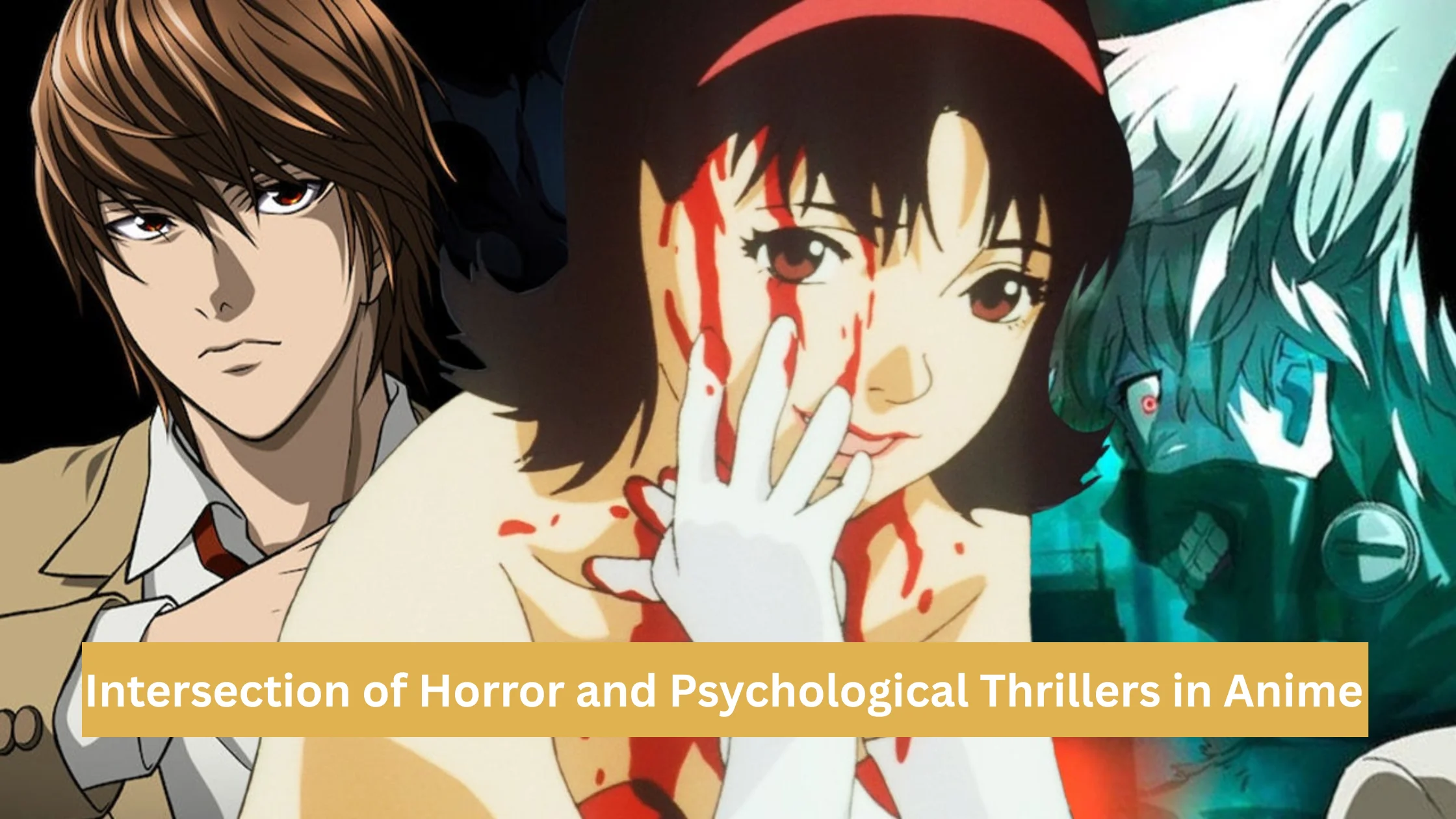
Death Note: What If Near Failed?
Imagine an alternate timeline where Near failed to stop Light Yagami. This chilling fan theory explores how the world might have changed under Kira’s permanent rule.
Fans argue that with L and Near gone, Light would have evolved from shadowy vigilante to divine dictator, rewriting society’s moral code under fear of the Death Note. Some theorists even speculate that Light would lose his humanity completely — becoming an emotionless god figure worshiped by millions.
There’s also a fascinating idea that Misa Amane would have turned against Light, realizing she was merely a pawn. Others believe Matsuda — one of the few with emotional ties to Light — would eventually lead a rebellion.
This theory thrives because Death Note invites “what if” scenarios. It’s a psychological sandbox — fans love exploring how morality bends when power becomes absolute.
Even years later, discussions around Light’s alternate endings remain some of the most popular threads in r/DeathNote.
Demon Slayer: Did Tanjiro’s Family Hide Secrets?
Not every fan believes the Kamado family were ordinary villagers. A growing theory suggests that Tanjiro’s family had secret ties to the Demon Slayer Corps or even descended from Sun Breathing users.
The evidence? Subtle. The family’s deep knowledge of herbs and healing, the iconic Hanafuda earrings, and their unusual resistance to demon attacks. Some fans think Tanjiro’s father, Tanjuro, was aware of Muzan Kibutsuji’s existence — his ritual-like dance under the fire moon symbolizing a forgotten legacy.
Reddit discussions connect this theory to the Sun Breathing lineage that began with Yoriichi Tsugikuni, arguing that the Kamados were his distant descendants, unknowingly carrying the flame of humanity’s hope.
While not confirmed, the clues left by author Koyoharu Gotouge are enough to keep the fandom buzzing — proof that even short, conclusive stories like Demon Slayer can inspire deep speculation.
Wild Crossovers: One Piece x Naruto, Pokémon x Digimon
Every fandom dreams of crossovers, and anime fans are no exception.
Some of the most viral fan theories imagine shared universes — like One Piece and Naruto existing on the same planet, separated by oceans and time. Fans point to similar themes of inherited will, friendship, and freedom.
Then there’s the legendary Pokémon x Digimon theory, which suggests both series originated from the same digital experiment gone wrong — one creating biological creatures, the other digital ones.
While officially impossible, these crossover theories thrive because they’re playful and community-driven. They show how creativity unites fans beyond canon — reminding us that sometimes, imagination itself is the real “shared universe.”
Reddit’s Role in Spreading Fan Theories
Reddit has become the nerve center of anime theorizing. Subreddits like r/AnimeTheories, r/OnePiece, and r/TitanFolk have birthed some of the internet’s most viral discussions.
Users post screenshots, fan art, and detailed timelines, dissecting every frame and line of dialogue. Community-driven analysis often predicts story twists months (or even years) before they happen — as seen with Attack on Titan’s ending and Naruto’s masked villains.
Reddit also democratizes theorizing — anyone, from casual fan to lore expert, can contribute. Upvotes reward creativity and logic, encouraging fans to dig deeper. This collaborative speculation keeps anime alive between seasons and fosters a global sense of connection.
Foreshadowing vs Overthinking: The Fine Line
Anime creators are masters of foreshadowing — but fans sometimes take it too far.
There’s a delicate balance between spotting clever hints and reading too much into a scene. For instance, some thought every background object in Attack on Titan symbolized death. Others debated Demon Slayer’s floral motifs for hidden messages that were simply aesthetic.
Still, this overthinking isn’t a flaw — it’s part of the fun. The fact that fans care enough to analyze every detail proves how deeply anime storytelling resonates. Even when wrong, theories enrich fandom discussions and keep creativity alive.
Wrap-Up: Why Theories Keep Fans Hyped
The beauty of anime lies in its mystery — and theories keep that magic alive long after the final episode.
Fan speculations aren’t just wild guesses; they’re acts of love. They show how deeply viewers connect with characters, symbolism, and storytelling. Whether predicting Eren’s destiny, Luffy’s treasure, or Light’s alternate ending, every theory represents thousands of hours of collective imagination.
Moreover, anime thrives on ambiguity. Series like Attack on Titan, Naruto, and One Piece intentionally leave gaps for fans to fill — not because the creators forgot, but because they want us to think.
Reddit threads, TikTok edits, and YouTube essays continue this creative dialogue — turning anime from passive viewing into an interactive experience.
In the end, anime theories do more than explain stories — they extend them. They make fans part of the narrative, shaping how future audiences interpret the same scenes. That’s the real magic: the world of anime never truly ends. It simply evolves — one theory at a time. If you like Anine ArenaX article please share with your friends.