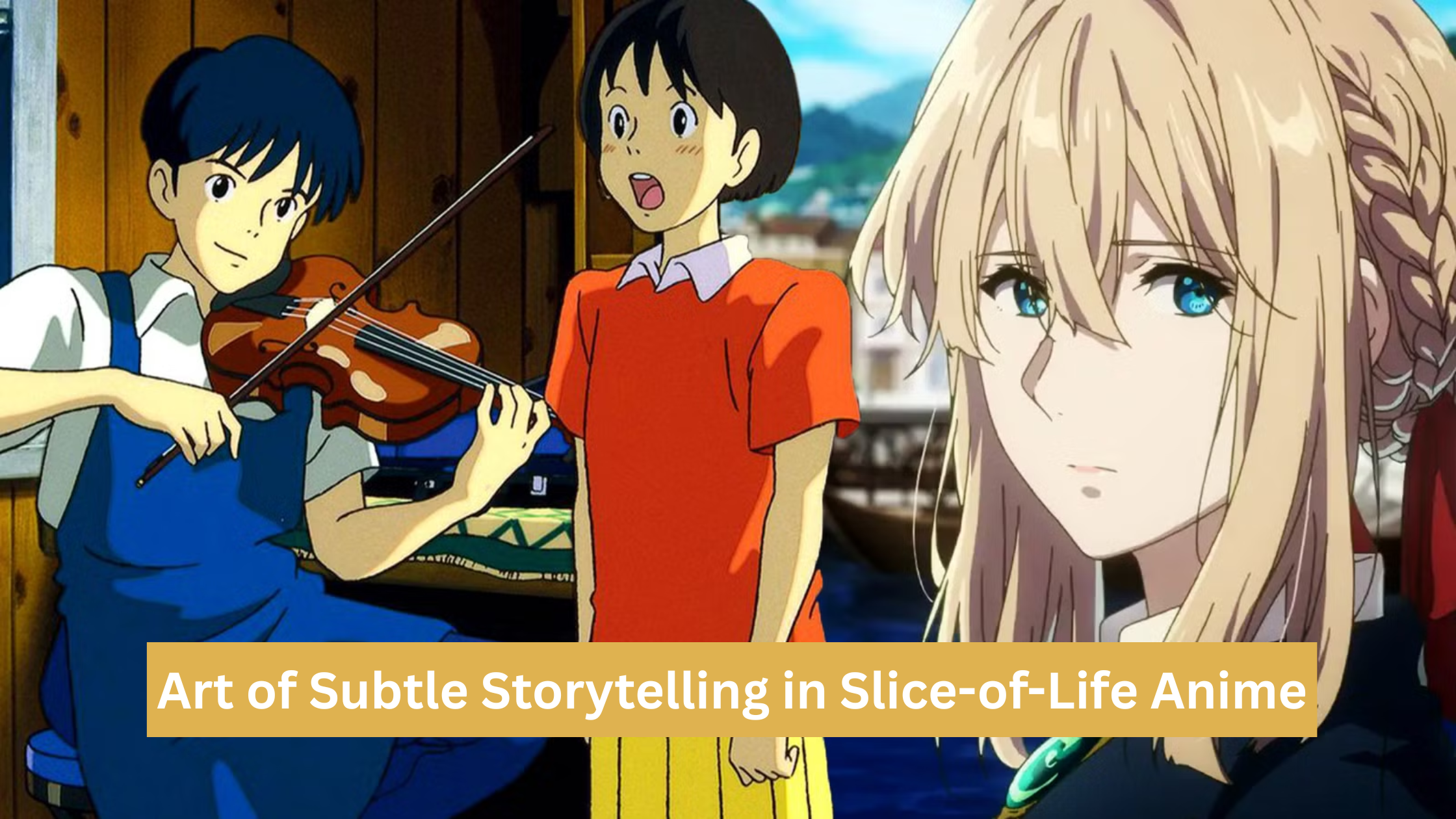


Anime has always been more than just a source of entertainment. Beneath its bright visuals and expressive characters, it often carries deep philosophical questions — the kind that make viewers pause and think about life, purpose, and identity. One of the most fascinating themes explored across different genres is existentialism — the search for meaning in a world that often feels meaningless.
In anime, existentialism isn’t treated like a distant academic concept. It’s woven into the struggles of everyday characters, whether they’re fighting monsters, trapped in a time loop, or simply trying to grow up. Through its emotional storytelling and visual metaphors, anime offers a unique way to explore the human condition — one that’s both entertaining and profoundly reflective.
In this article, we’ll dive deep into how anime interprets existentialism, what philosophical ideas inspire it, and why this medium is so effective at turning fiction into a mirror of our own inner journey.
What Existentialism Means in Media
At its core, existentialism is a philosophy centered on the individual’s search for meaning in a seemingly indifferent or absurd world. It asks questions like: Why do we exist? What gives our life value? Are we truly free, or are we trapped by our choices and circumstances?
When adapted into media — whether film, literature, or anime — existentialism often manifests as characters confronting emptiness, uncertainty, or isolation. These stories don’t necessarily provide clear answers; instead, they encourage audiences to question their own beliefs.
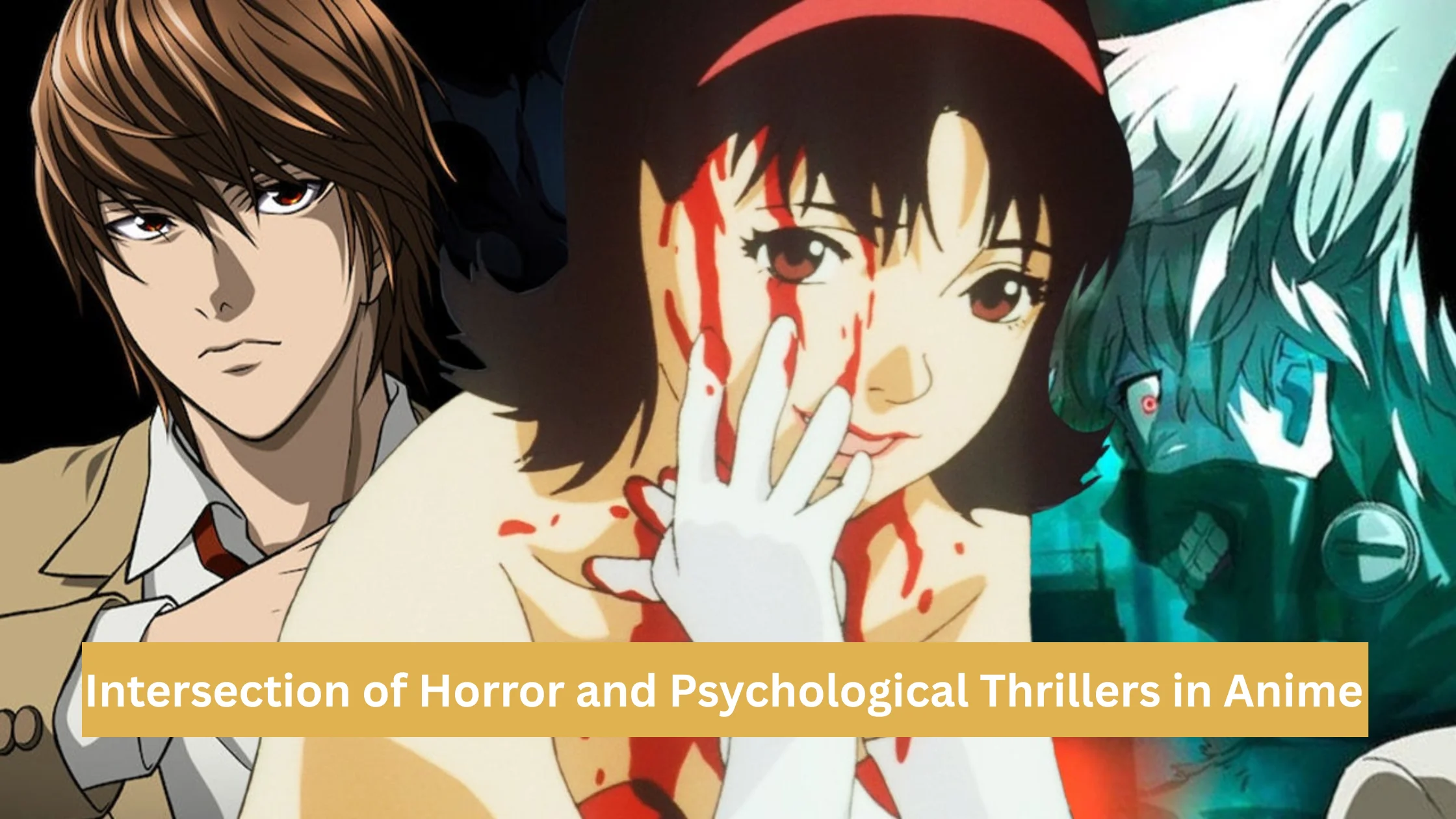
In anime, existential themes often appear subtly. You’ll find them in psychological thrillers like Paranoia Agent, slice-of-life dramas like March Comes in Like a Lion, or even in action-packed epics like Attack on Titan. Each explores what it means to live authentically, face despair, and keep moving forward despite not knowing why.
Unlike Western media, which sometimes presents existentialism through cynicism, anime tends to balance despair with hope. It acknowledges life’s chaos but insists that meaning can still be created through connection, compassion, and self-discovery.
Philosophical Influences in Anime Writing
Many anime creators are deeply inspired by Western and Eastern philosophical ideas, blending them seamlessly into their narratives. The influence of thinkers like Jean-Paul Sartre, Albert Camus, and Friedrich Nietzsche can often be felt in the tone and symbolism of modern anime.
For instance, Hideaki Anno’s Neon Genesis Evangelion is almost synonymous with existentialist storytelling. Through Shinji Ikari’s mental breakdowns and loneliness, Anno examines the pain of existing without purpose, the fear of rejection, and the desperate search for identity. Similarly, Serial Experiments Lain explores human consciousness and digital isolation — ideas that mirror Sartre’s notion of “existence preceding essence.”
But Japanese philosophy also plays a major role. Zen Buddhism’s ideas about impermanence and self-awareness align naturally with existential thought. Shows like Mushishi and Natsume’s Book of Friends highlight this harmony, presenting meaning not as something to be discovered, but as something to be experienced in the present.
In anime, philosophy isn’t lectured — it’s lived through the emotions, struggles, and growth of its characters.
How Absurdist Humor Reveals Truth
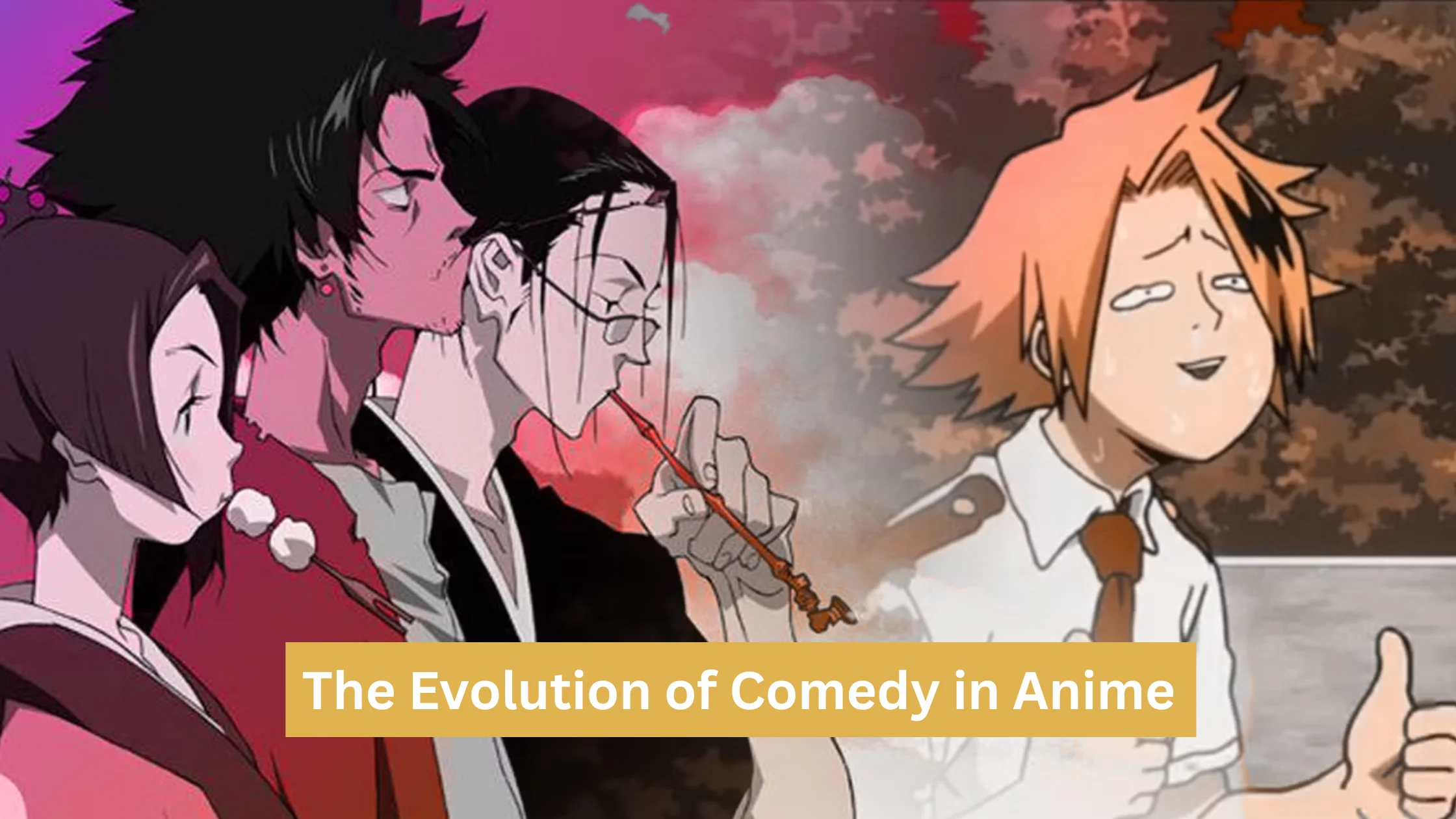
Existentialism doesn’t always appear through somber storytelling. Sometimes, anime uses absurdity and humor to expose deeper truths. This approach mirrors Albert Camus’s view of the absurd — the conflict between humanity’s desire for meaning and the universe’s silence.
Take The Tatami Galaxy, for example. The protagonist constantly replays his college life in absurd, comedic ways, trying to find the “perfect” version of himself. Yet, the more he seeks meaning, the more lost he becomes. The series uses humor and repetition to highlight the futility of overthinking — reminding viewers that life isn’t meant to be solved, but lived.
Similarly, Konosuba pokes fun at the isekai genre while subtly commenting on escapism itself. Its comedic tone hides an underlying truth: people often dream of different worlds because they struggle to find fulfillment in their own.
Absurdist humor allows anime to tackle heavy ideas with accessibility. It invites laughter first, and reflection second — making philosophy feel human and relatable.
Symbolism of Identity Crises
One of anime’s favorite existential tools is the identity crisis. Characters often question who they are, what they stand for, and whether their existence has purpose.
In Paranoia Agent, the characters’ fractured identities symbolize society’s collective anxiety and self-denial. Ghost in the Shell takes this even further, questioning the nature of consciousness itself: if a soul can exist inside a machine, what truly defines a human being?
Anime often uses visual symbolism to represent these crises. Mirrors, reflections, empty rooms, and fragmented imagery often illustrate a character’s inner disconnection. For instance, Shinji’s repeated “Who am I?” moments in Evangelion aren’t just dialogue — they’re visualized through abstract dreamscapes that mirror the chaos inside his mind.
Identity in anime isn’t static. It’s fluid, fragile, and constantly evolving — just like in real life. And through these explorations, viewers are reminded that searching for oneself is not a weakness, but a deeply human experience.
Mob Psycho 100’s Coming-of-Age Core
Among modern anime, Mob Psycho 100 stands out as a surprisingly profound example of existential storytelling wrapped in humor and heart. At first glance, it’s about a boy with psychic powers navigating middle school. But beneath the flashy fights lies a story about self-worth and purpose.
Mob’s greatest struggle isn’t external enemies — it’s his internal conflict between his emotions and identity. Despite his godlike powers, Mob feels ordinary and directionless. His journey becomes a metaphor for growing up: learning to accept imperfection and finding meaning beyond abilities or expectations.
Each season of Mob Psycho 100 subtly explores existential themes of individuality, control, and freedom. The show suggests that life’s value isn’t in extraordinary achievements but in ordinary human connections — friendship, empathy, and acceptance.
Through Mob, the series delivers one of the most optimistic interpretations of existentialism: meaning isn’t given to us; we create it through love and effort.
Storytelling Through Nihilism and Rebirth
Some anime embrace nihilism — the belief that life has no inherent meaning — but then use it as a foundation for rebirth and growth. This emotional transformation makes anime’s take on existentialism more dynamic and life-affirming.
In Texhnolyze and Ergo Proxy, bleak settings depict worlds stripped of meaning. Humanity decays, societies collapse, and yet, small sparks of hope remain. Characters who face total despair often find liberation in accepting the absurd — choosing to live despite the void.
A standout example is Made in Abyss, which explores the beauty and horror of existence simultaneously. Its protagonists journey deeper into the Abyss, a literal descent into darkness that symbolizes humanity’s relentless curiosity and resilience.
Anime transforms nihilism into a canvas for self-reconstruction. It doesn’t glorify despair — it uses it as a catalyst for understanding why living still matters.
Soundtrack’s Emotional Reinforcement
In anime, music isn’t just background — it’s an emotional guide. Existential storytelling often relies on soundtracks to express what words cannot. The melancholy piano notes of Your Lie in April, the haunting silence in Neon Genesis Evangelion, or the ambient hum of Serial Experiments Lain — all enhance the psychological depth of their narratives.
Composers like Yoko Kanno, Hiroyuki Sawano, and Joe Hisaishi masterfully capture the nuances of existential emotion. A swelling violin might symbolize longing; a quiet refrain might represent surrender. The right score can make an introspective scene unforgettable.
Soundtracks also mirror the emotional rebirth that often concludes existential stories. When the music shifts from despair to warmth, it signals that the character — and perhaps the viewer — has found a new sense of peace.
Comparative Analysis with Western Existential Works
When compared to Western existential media, anime stands out for its emotional accessibility. Western works like Fight Club, The Truman Show, or Blade Runner often depict existential crises with irony or bleakness. Anime, on the other hand, leans toward empathy and renewal.
Where Camus’ “Myth of Sisyphus” embraces the absurd, anime might reinterpret that same philosophy as a celebration of perseverance. For example, Attack on Titan questions freedom and purpose just as Sartre did — yet it also finds beauty in humanity’s defiance against fate.
Even stylistically, anime’s use of color, silence, and symbolism offers a more layered form of introspection. By merging philosophy with visual artistry, it turns abstract concepts into emotionally tangible experiences.
This synthesis allows anime to communicate complex ideas without alienating viewers — making philosophy accessible through relatable characters and universal emotions.
Viewer Reflection and Emotional Effect
The power of existential anime lies in its ability to make viewers feel philosophy rather than just think about it. When audiences watch characters question life, they’re invited to confront their own uncertainties.
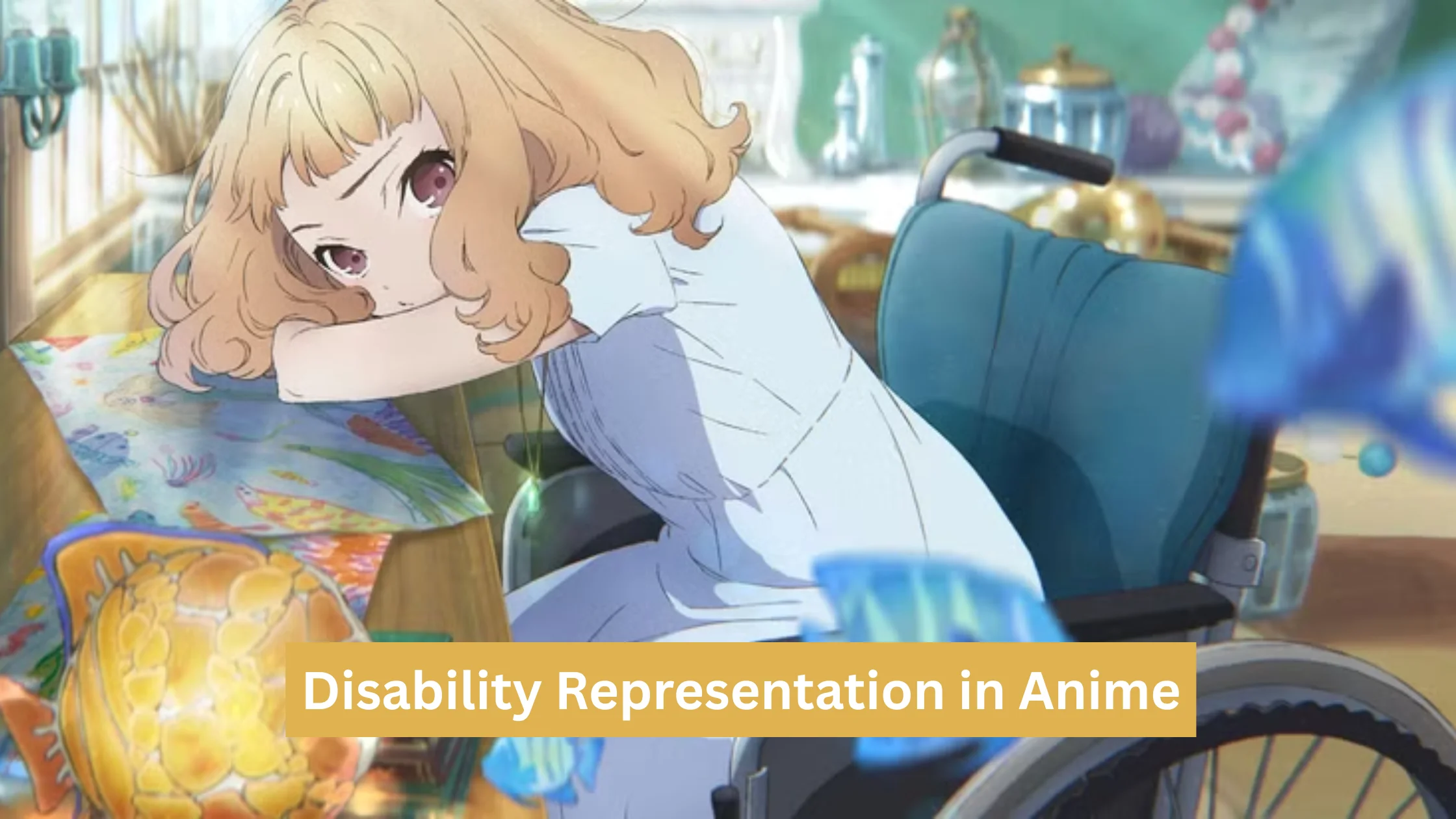
For many, anime becomes a form of emotional catharsis. Series like March Comes in Like a Lion or A Silent Voice resonate because they explore loneliness, guilt, and forgiveness — experiences everyone shares in some form. These stories remind viewers that it’s okay to be lost, that purpose doesn’t arrive overnight, and that vulnerability is part of growth.
Anime’s emotional sincerity helps transform existential dread into self-awareness. Instead of leaving viewers hopeless, it encourages them to keep searching, keep connecting, and keep evolving.
Why Anime is Perfect for Philosophical Introspection
Anime as a medium is uniquely suited to exploring existentialism. Its combination of visual expression, emotional storytelling, and flexible genres allows creators to depict inner struggles with unmatched creativity.
Through animation, abstract concepts can become concrete — a collapsing world can represent depression, a glowing light can symbolize self-acceptance. These metaphors resonate universally, transcending language and culture.
Moreover, anime’s balance between realism and surrealism makes it a perfect vehicle for philosophical introspection. It can present pain and beauty side by side, showing that life’s contradictions are what make it meaningful.
Ultimately, anime helps us face the same question that haunts every existential thinker: What makes life worth living? And through its stories, it gently suggests that the answer lies within us.
Conclusion: Meaning Born from Fiction
Anime’s exploration of existentialism proves that animation can be deeply human. Behind every giant robot, magical girl, or high school student lies a story about someone searching for meaning — just like us.
From the isolation of Evangelion to the healing journey of Mob Psycho 100, anime shows that existence isn’t about having all the answers. It’s about learning to live authentically, embracing both the absurd and the beautiful moments that shape us.
These stories remind us that meaning isn’t found — it’s created. Through courage, compassion, and connection, even the most uncertain lives can find purpose.
In the end, anime doesn’t tell us what to believe. It invites us to look inward, to question, to feel — and to realize that sometimes, fiction teaches us more about reality than we ever expected.