
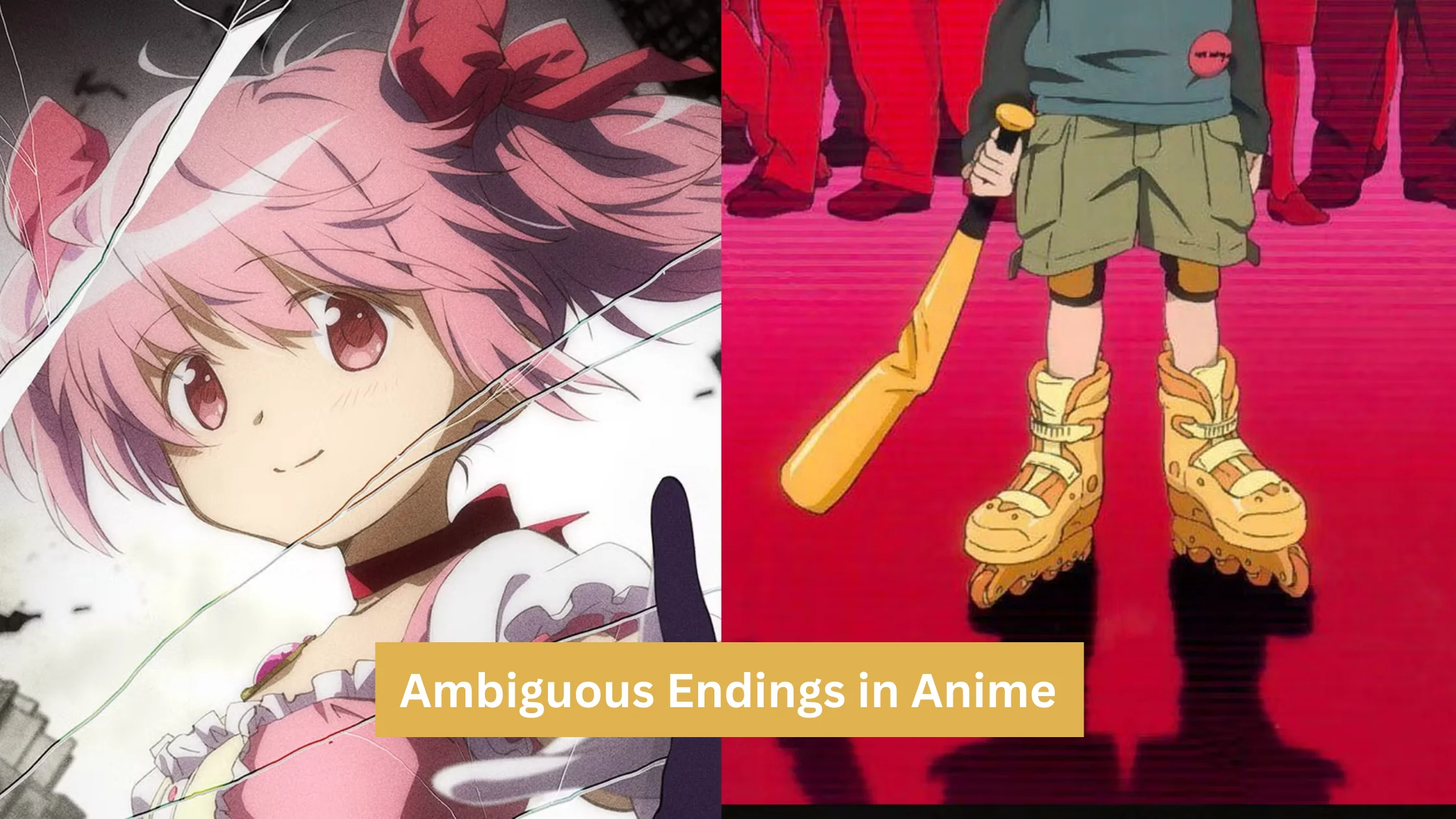
Anime endings can be deeply satisfying, heartbreakingly sad, or intentionally unclear. Among these, ambiguous endings often spark the strongest reactions.
Some viewers admire their artistic courage, while others feel frustrated by the lack of closure. Yet, these endings continue to appear across genres and decades.
To understand why, we need to explore where ambiguity in anime comes from and how it shapes the viewer’s experience.
Definition and History of Ambiguous Endings
An ambiguous ending leaves key story elements open to interpretation. Instead of clearly answering every question, it invites viewers to reflect and decide meaning for themselves. The fate of a character may be uncertain. A relationship might remain unresolved. The final scene could suggest multiple outcomes without confirming any.
In anime, ambiguity has existed for decades. Early television anime often faced production limits, sudden cancellations, or tight episode counts. As a result, many stories ended without full resolution. Over time, creators began to see this limitation as an opportunity rather than a flaw.
During the rise of experimental anime in the late twentieth century, ambiguity became a deliberate artistic choice. Directors used open endings to mirror real life, where not everything is explained. Instead of tying stories neatly, they focused on emotional truth. This approach resonated with viewers who enjoyed deeper reflection.
Today, ambiguous endings appear across romance, psychological thrillers, science fiction, and slice-of-life anime. They are no longer accidents. They are creative statements.
Key Series with Controversial Conclusions
Some anime are remembered almost entirely for how they ended. These conclusions divided audiences and fueled endless debate.
Psychological series often embrace ambiguity. Their endings may blur reality and imagination, leaving viewers unsure what truly happened. For some fans, this uncertainty adds depth. For others, it feels like betrayal after long emotional investment.
Romance anime also frequently use open endings. Characters may part ways without confirming their feelings. A final glance or silent smile replaces confession. Supporters argue that this reflects realistic emotions. Critics say it avoids commitment.
Science fiction anime sometimes end with unanswered questions about timelines, identities, or worlds. These endings encourage rewatching and theory-building. However, they can also feel overwhelming to casual viewers.
What unites these controversial conclusions is their lasting impact. Years later, fans still discuss them. That alone shows their power.
Studio Motivations for Open Endings
Studios choose ambiguous endings for many reasons, both creative and practical. One major factor is source material. When anime adapts ongoing manga or novels, the ending may intentionally pause rather than conclude. Leaving things open allows flexibility for future seasons.
Budget and scheduling also matter. If a studio cannot guarantee continuation, an open ending avoids committing to a final outcome that might later contradict the original story.
Creative vision plays a huge role as well. Some directors believe stories do not need clear answers. They want viewers to feel emotions rather than receive explanations. Ambiguity encourages personal interpretation and discussion.
There is also a strategic side. Open endings keep audiences talking. Discussions lead to sustained interest, which can benefit merchandise sales and long-term popularity.
In many cases, ambiguity is not laziness. It is a calculated storytelling decision.
Fan Interpretations and Theories
Few things ignite fan creativity like an unclear ending. Ambiguous conclusions turn viewers into active participants. Instead of passively accepting the story, fans analyze clues, symbols, and dialogue.
Online forums fill with theories. Some viewers search for hidden meanings in background details. Others connect themes across episodes to support their interpretations. Fan videos, essays, and artwork often explore multiple possible endings.
This process creates strong community bonds. Fans may disagree, but they share a common fascination. Even frustration becomes part of the experience.
However, not all viewers enjoy this. Some prefer emotional closure. They feel unresolved endings place too much burden on the audience. For them, storytelling should provide answers, not questions.
This divide explains why ambiguous endings inspire both love and anger in equal measure.
Impact on Sequel Anticipation
Ambiguous endings often leave the door open for sequels. When a story does not fully conclude, fans naturally hope for continuation. This anticipation can last for years.
In some cases, studios use ambiguity to test audience interest. Strong fan demand may lead to additional seasons, movies, or spin-offs. The unclear ending becomes a bridge rather than a stop.
Yet, this approach carries risk. If no sequel arrives, viewers may feel misled. What once felt intriguing can turn into disappointment.
Successful ambiguous endings usually stand on their own. Even without continuation, they feel complete emotionally. When an ending relies too heavily on future content, it often faces backlash.
Balance is key. Ambiguity should enrich the story, not replace its conclusion.
Artistic Freedom in Storytelling
Ambiguous endings give creators a rare kind of freedom. Instead of explaining every detail, writers and directors can focus on mood, theme, and emotion. This approach treats anime not just as entertainment but as an artistic medium.
Many creators believe that clear answers can limit interpretation. When everything is explained, the story ends the moment the credits roll. Ambiguity keeps it alive. Viewers continue thinking, feeling, and questioning long after the final episode.
This freedom allows anime to explore complex ideas like identity, memory, trauma, and existential doubt. Real life rarely offers clean resolutions, and ambiguous endings reflect that reality. Characters may grow without achieving their goals. Conflicts may soften rather than disappear.
From an artistic standpoint, these endings trust the audience. They assume viewers are capable of reflection. For creators, that trust is powerful. It allows anime to stand alongside literature and cinema as a serious form of storytelling rather than simple escapism.
Critiques from Reviewers
While fans debate passionately, critics often analyze ambiguous endings through a different lens. Some reviewers praise them for originality and emotional depth. They argue that ambiguity respects the intelligence of the audience and avoids predictable conclusions.
However, criticism is equally common. Reviewers sometimes feel that unclear endings mask weak writing. If character arcs feel unfinished or themes feel underdeveloped, ambiguity can appear like an excuse rather than a choice.
Another frequent critique is tonal inconsistency. If a series builds toward resolution for many episodes, an open ending can feel jarring. Critics often point out when ambiguity clashes with the story’s earlier promises.
Despite this, even negative reviews acknowledge impact. Ambiguous endings are rarely forgettable. Whether praised or criticized, they generate conversation. In the world of media, that lasting presence often matters more than universal approval.
International Audience Reactions
Reactions to ambiguous endings vary widely across cultures. In Japan, open-ended storytelling is more culturally familiar. Many viewers accept quiet conclusions and unresolved emotions as natural.
International audiences sometimes struggle more. Viewers raised on Western storytelling often expect clear answers and definitive outcomes. When those expectations are unmet, frustration follows.
That said, global anime fandom has evolved. As audiences grow more experienced, appreciation for ambiguity has increased. Many international fans now seek out anime known for complex endings.
Streaming platforms have also changed the conversation. Easy rewatching allows viewers to revisit episodes and reinterpret clues. This has made ambiguous endings more accessible and enjoyable worldwide.
Ultimately, cultural expectations shape reactions, but strong emotional storytelling can cross borders. When ambiguity feels meaningful, it resonates regardless of location.
Examples of Endings That Became Iconic
Some ambiguous endings have become legendary. They are discussed years later, referenced in essays, and debated endlessly online.
These endings succeed because they feel intentional. Visual symbolism replaces dialogue. Music carries emotional weight. Final scenes linger rather than conclude.
Often, these endings align perfectly with the anime’s themes. A story about identity may end with a question. A series about connection may end with separation. The ambiguity reinforces the message instead of weakening it.
Iconic ambiguous endings also respect character journeys. Even if outcomes are unclear, growth is visible. Viewers may not know what happens next, but they understand how the characters have changed.
That emotional clarity is what transforms confusion into admiration.
Predicting Future Ambiguous Trends
Looking ahead, ambiguous endings are likely to remain a strong presence in anime. As audiences mature, demand for layered storytelling continues to grow.
Future anime may blend ambiguity with partial closure. Major themes may resolve while smaller questions remain open. This approach balances satisfaction with reflection.
Technology and streaming data may also influence trends. Studios can track audience responses and adjust storytelling risks accordingly. If ambiguity continues to drive discussion and engagement, creators will keep exploring it.
We may also see more genre-crossing ambiguity. Even action-heavy or fantasy series may experiment with quieter, open-ended conclusions.
Ambiguity is no longer niche. It is becoming a core storytelling tool.
Conclusion
Ambiguous endings in anime challenge viewers to think, feel, and interpret rather than simply consume. While they divide opinion, their lasting impact is undeniable. These endings encourage discussion, inspire creativity, and keep stories alive long after they end.
When handled with care, ambiguity adds emotional depth and artistic value. It reflects real life, where answers are rarely clear and growth often comes without closure. Not every anime benefits from an open ending, but when the themes, characters, and tone align, ambiguity becomes powerful.
Love them or hate them, ambiguous endings have earned their place in anime storytelling. They remind us that sometimes the most meaningful conclusions are the ones we discover ourselves.