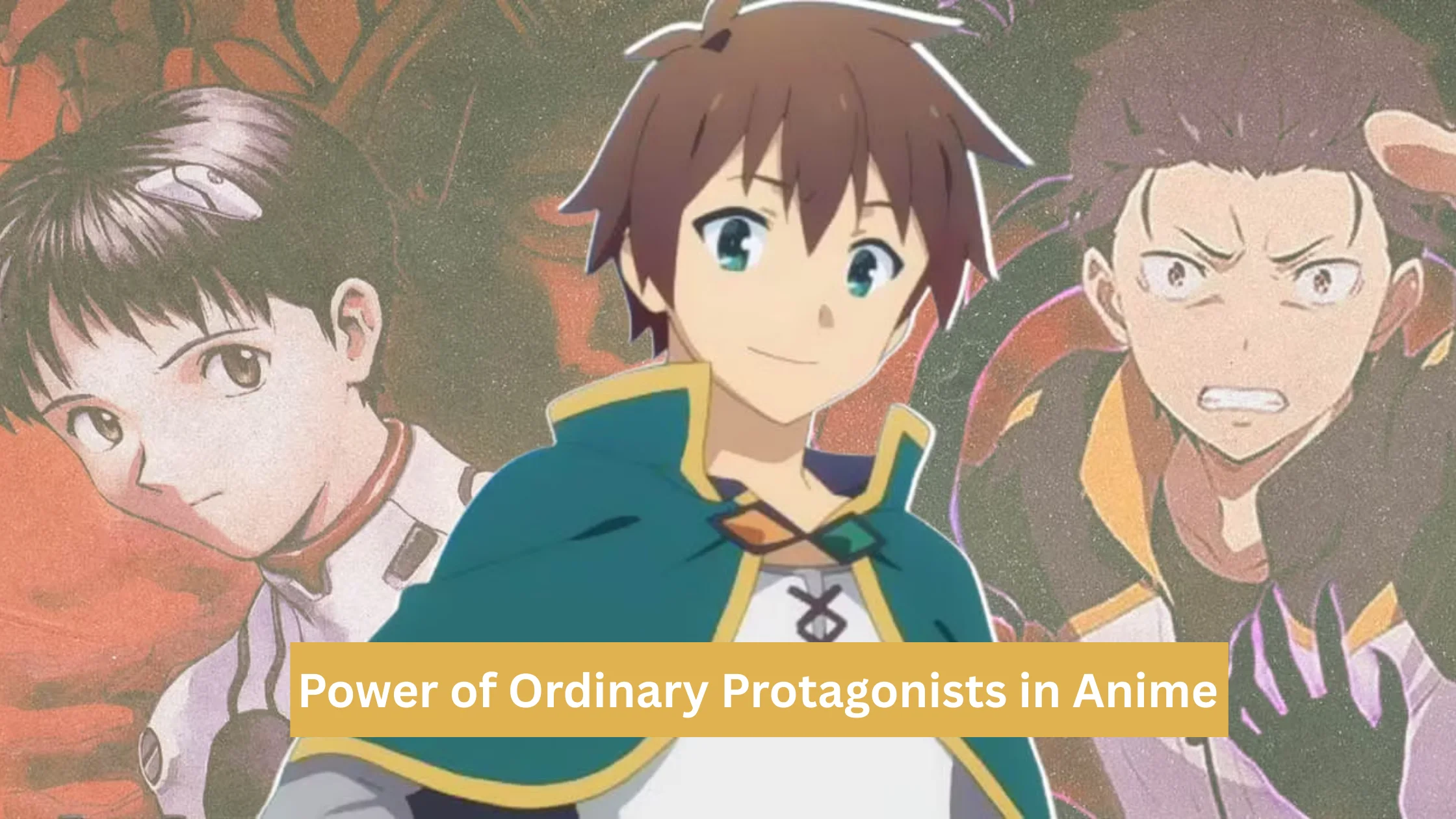
Anime has always been known for epic battles, mystical destinies, and heroes born to save the world. However, over time, a quieter yet powerful shift has taken place. More stories now focus on ordinary people instead of chosen ones.
These protagonists do not start with special powers, royal bloodlines, or ancient prophecies. Instead, they begin with everyday lives, familiar problems, and relatable emotions.
This change has reshaped how audiences connect with anime stories. By focusing on realism, emotional depth, and personal growth, ordinary protagonists have become some of the most memorable characters in the medium.
Their strength does not come from destiny. It comes from choice, persistence, and human vulnerability.
Historical Contrast to Chosen Ones

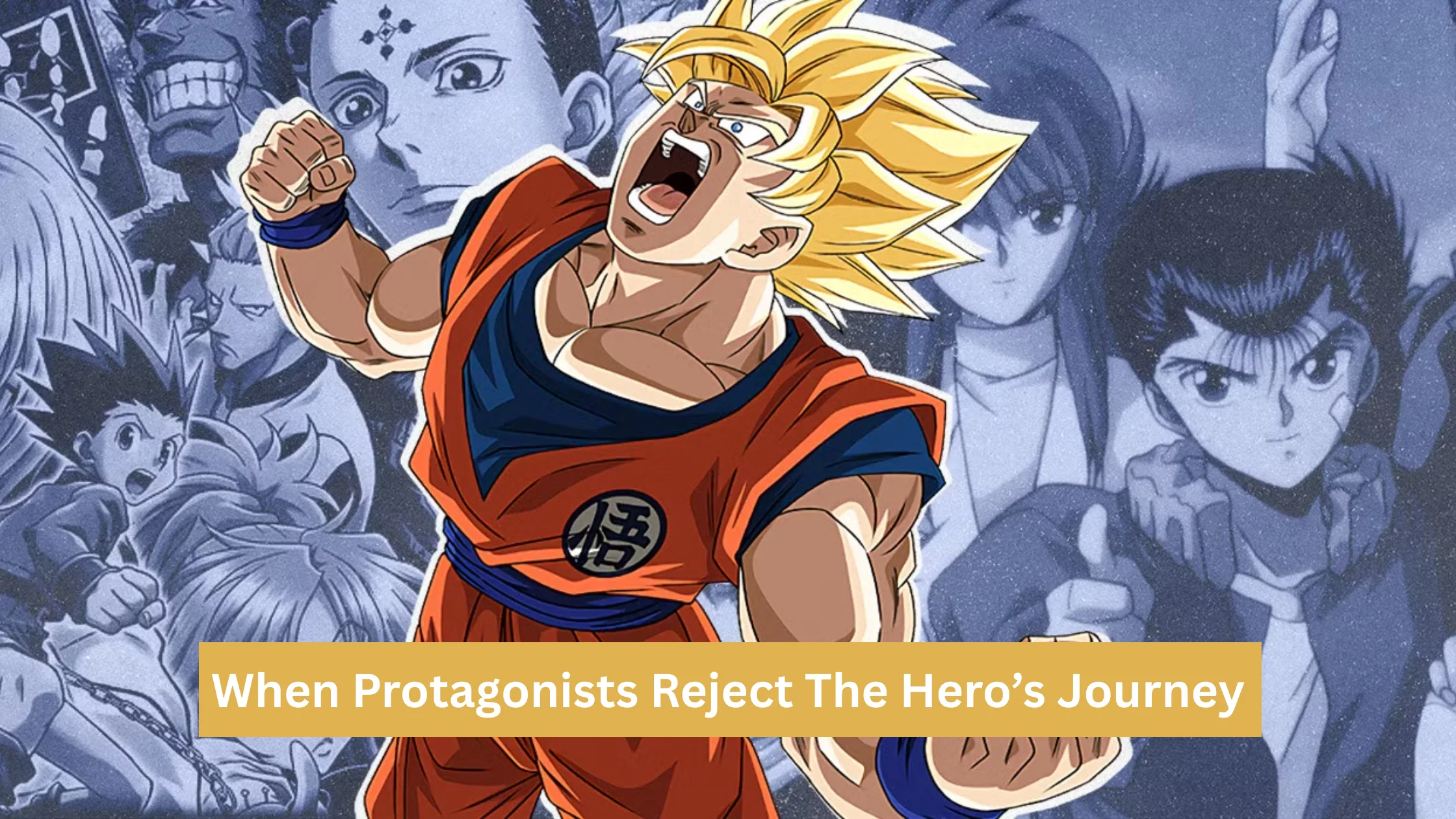
For many years, anime followed the classic chosen one formula. A young hero discovers a hidden power. A prophecy confirms their destiny. A great enemy waits to be defeated. This structure worked well because it created instant stakes and clear direction. Viewers knew the hero mattered because fate said so.
However, as anime evolved, creators began questioning this approach. Stories started exploring what happens when there is no prophecy. No divine selection. No guarantee of success. Ordinary protagonists emerged as a response to formula fatigue.
Unlike chosen heroes, these characters are not special at the start. They attend school. They struggle with confidence. They make mistakes. Their importance grows slowly through experience rather than destiny. This shift allowed anime to feel more personal and grounded.
By removing fate from the equation, writers created room for tension rooted in uncertainty. Failure became possible.
Growth felt earned. Victory felt meaningful because it was not guaranteed. This historical contrast marked a turning point in anime storytelling and opened the door for more human narratives.
Everyday Struggles as Drama Sources
Ordinary protagonists do not fight gods on day one. Instead, they face challenges that feel familiar. Academic pressure. Financial stress.
Social anxiety. Family expectations. These struggles may seem small compared to world-ending threats, yet they carry deep emotional weight.
Anime uses these everyday problems as powerful sources of drama. A failed exam can feel devastating. A broken friendship can hurt more than a physical wound. A missed opportunity can change a life’s direction. These moments resonate because viewers have lived through similar experiences.
By focusing on realistic conflict, anime creates tension without exaggeration. Stakes become emotional rather than cosmic. Progress feels slow and authentic. Even minor victories matter because they represent personal growth.
This approach also allows anime to explore mental health in subtle ways. Burnout. Self-doubt. Loneliness. Fear of failure.
These themes naturally emerge when characters are grounded in reality. As a result, ordinary struggles become storytelling strengths rather than limitations.
Emotional Relatability for Viewers
One of the greatest strengths of ordinary protagonists is emotional relatability. Viewers see themselves reflected in these characters. Their insecurities feel familiar. Their hopes feel personal. Their failures feel honest.
When a character struggles to speak up or fears being left behind, audiences connect instantly. There is no distance created by supernatural power or royal status. The character feels like a real person navigating life.
This relatability builds strong emotional investment. Viewers root for these protagonists not because they are destined to win, but because they are trying their best. Every step forward feels rewarding. Every setback feels painful.
Because of this connection, emotional moments hit harder. A quiet realization can be more powerful than an explosive battle. A simple choice can feel life-changing. Ordinary protagonists remind viewers that small decisions shape who we become.
Storytelling Driven by Ordinary Choices
In stories with chosen heroes, the plot often moves because fate demands it. In contrast, ordinary protagonist stories move forward through choice. Every action matters because nothing is predetermined.
These characters must decide whether to try again or give up. Whether to help someone or walk away. Whether to be honest or stay silent. Each choice shapes the narrative and reveals character depth.
This storytelling approach emphasizes agency. Protagonists are not pushed by destiny. They push themselves. Mistakes lead to consequences. Growth requires reflection. Change happens gradually.
By focusing on ordinary choices, anime creates realistic pacing. Progress feels uneven. Success comes with sacrifice. These stories reflect real life, where growth rarely follows a straight path.
This method also allows for deeper character development. Instead of power-ups, characters gain understanding. Instead of destiny, they build purpose.
Impact on Fan Culture
Ordinary protagonists have significantly influenced anime fan culture. Fans often relate more deeply to characters who struggle realistically. Online discussions focus on emotional moments rather than power scaling.
Cosplay choices reflect this shift as well. Fans enjoy portraying characters who feel approachable and human. Fan art often highlights quiet scenes rather than dramatic battles.
These protagonists also inspire personal reflection. Viewers share stories about how certain characters helped them through difficult times. The connection feels personal rather than aspirational.
As a result, fandom becomes more emotionally driven. Communities form around shared experiences. Anime becomes a source of comfort as much as entertainment.
Writing Techniques for Grounded Characters
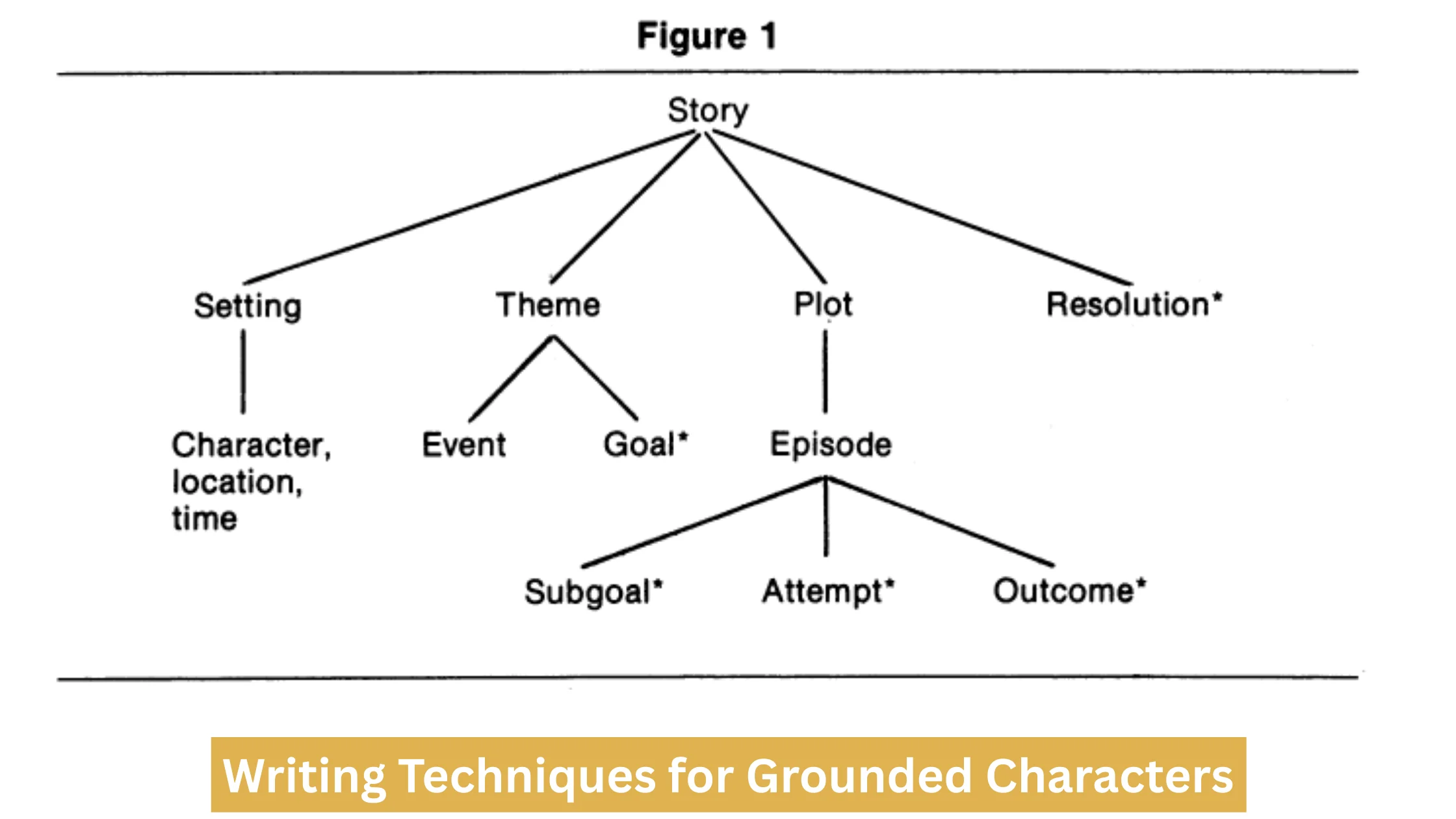
Creating a believable ordinary protagonist requires careful writing. Writers focus on internal conflict rather than spectacle. Thoughts and emotions receive as much attention as actions.
Dialogue plays a key role. Conversations feel natural and sometimes awkward. Silence is used effectively. Not every emotion is explained outright.
Pacing is slower but intentional. Small moments receive space to breathe. Growth happens through repetition and reflection rather than sudden transformation.
Writers also avoid making characters too perfect. Flaws remain consistent. Progress feels gradual. Setbacks are not erased quickly. These techniques help characters feel real and relatable.
Studio Favorites for Realism
Certain anime studios have built strong reputations for handling ordinary protagonists in anime with remarkable sensitivity and restraint.
Their creative focus leans toward emotional authenticity rather than spectacle. Instead of dramatic power reveals or exaggerated conflicts, these studios highlight small moments that quietly define a character’s journey.
Visual realism plays a major role in this approach. Studios known for grounded anime storytelling invest heavily in atmosphere.
Natural lighting, lived-in backgrounds, and familiar locations such as classrooms, apartments, or quiet streets help anchor stories in reality. Silence is often used deliberately, allowing emotions to breathe without constant dialogue or music.
Direction also reflects this philosophy. Camera angles remain intimate. Pacing slows during reflective scenes.
Character expressions linger just long enough to reveal internal struggle. This subtle craft strengthens the audience’s connection to relatable anime protagonists.
By valuing restraint over excess, these studios attract viewers searching for sincerity. Critics frequently praise their work for honesty and emotional precision. Their success proves that realism, when handled with care, can be just as powerful as fantasy.
Critical and Commercial Success
Anime centered on ordinary protagonists often enjoy a rare balance of critical praise and steady commercial performance. Critics frequently highlight these series for their emotional realism, thoughtful pacing, and layered character development.
Instead of relying on spectacle, they earn recognition through mature storytelling that explores everyday fears, relationships, and personal growth. This depth resonates with award panels that value narrative substance over flashy visuals.
From a commercial perspective, the success of relatable anime protagonists comes from trust rather than hype. Viewers return because the stories feel honest. They see parts of their own lives reflected on screen, which builds long-term loyalty.
These anime tend to age gracefully, since themes like self-doubt, ambition, and belonging remain relevant across generations.
While merchandise tied to grounded anime may appear modest compared to action-driven franchises, the emotional attachment is often stronger.
Fans invest in characters, not just designs. Word-of-mouth plays a major role, as audiences recommend these series to friends seeking meaningful anime storytelling instead of constant escalation.
Ultimately, the combination of critical respect and consistent audience support proves that quiet narratives can thrive. Ordinary protagonists show that commercial success does not require excess, only sincerity and strong writing.
Subversion of Genre Expectations
By placing ordinary characters at the center, anime subverts genre expectations. Sports anime focus on teamwork rather than talent. Romance anime emphasize communication over destiny. Slice-of-life stories highlight growth rather than resolution.
This subversion keeps genres fresh. Viewers never know what to expect. Familiar settings feel new when approached through realism.
Ordinary protagonists prove that innovation does not require abandoning tradition. It simply requires rethinking perspective.
Predictions for Future Protagonist Styles
Looking ahead, ordinary protagonists in anime are poised to play an even stronger role in shaping storytelling trends. As viewers become more selective, there is a clear shift toward relatable anime protagonists who feel emotionally real rather than larger than life.
Audiences no longer connect only with power fantasies. Instead, they gravitate toward characters who struggle, doubt, and grow in believable ways.
Future anime is likely to blend realism with genre elements more thoughtfully. Supernatural abilities or sci-fi settings may still exist, yet they will serve as background rather than the core identity of the hero.
The focus will remain on grounded anime storytelling, where everyday decisions carry emotional weight. Even when destiny appears, creators will emphasize personal choice and moral responsibility over prophecy.
We can also expect greater attention to internal conflict. Mental health, identity, and social pressure will shape character arcs just as much as external threats. Studios that specialize in realistic anime characters are already proving that quiet growth can be as compelling as epic battles.
As animation technology improves, visuals may become more immersive, but the heart of these stories will stay human.
Ordinary protagonists will continue to remind viewers that heroism does not require special powers. It begins with resilience, empathy, and the courage to move forward despite uncertainty.
Conclusion
Ordinary protagonists have transformed anime storytelling by shifting focus from destiny to humanity. Their struggles feel real. Their growth feels earned. Their stories reflect everyday life in powerful ways.
By removing the safety net of fate, anime allows characters to fail, learn, and evolve naturally. This creates emotional depth that resonates deeply with viewers. Fans do not just watch these characters. They grow alongside them.
As anime continues to evolve, ordinary protagonists will remain essential. They remind us that heroism does not require prophecy or power. Sometimes, the strongest stories come from people who simply choose to move forward, one small step at a time.