Why Representation in Anime Matters
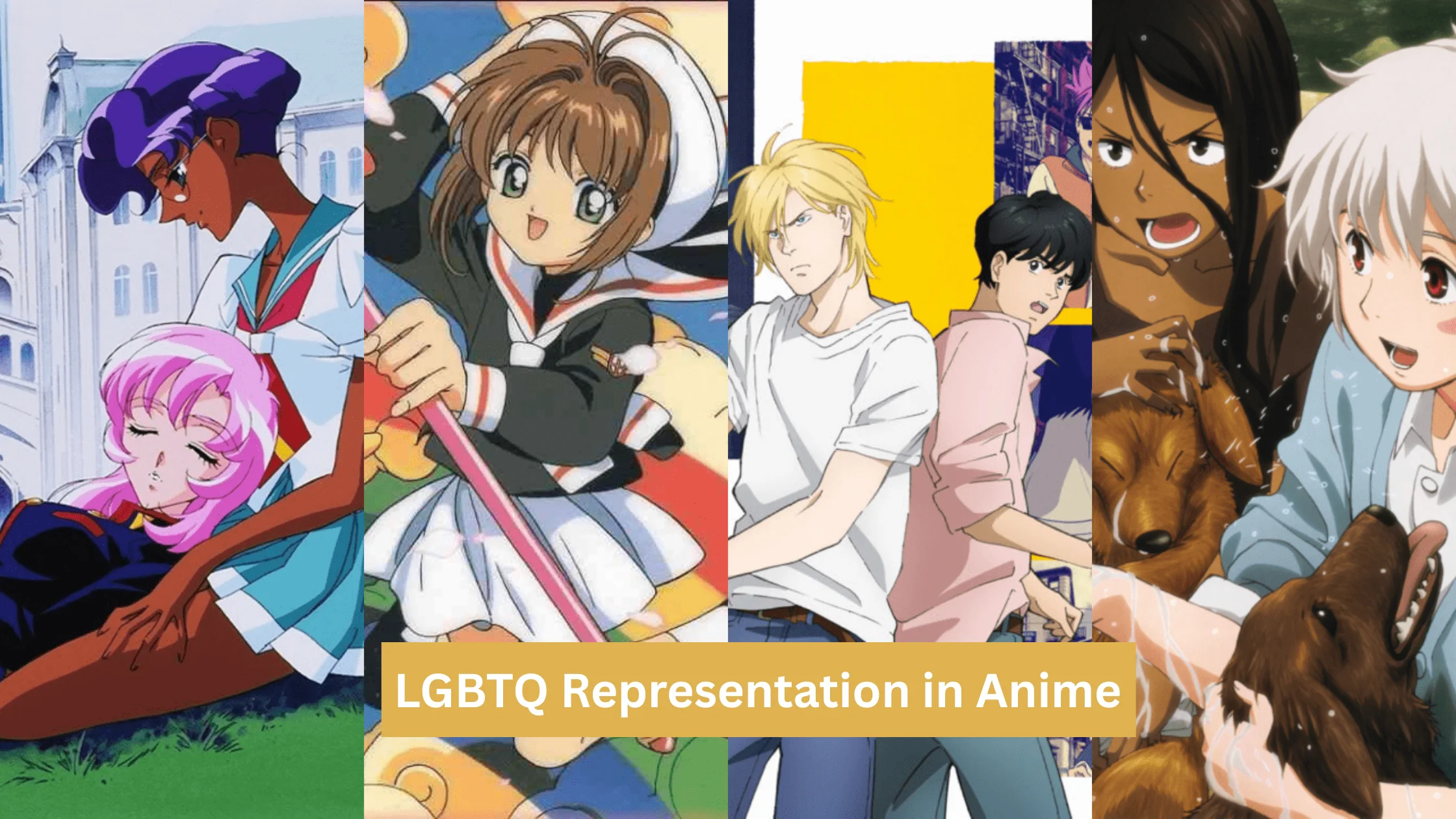
Anime has always been a medium that reflects emotions more intensely than reality. It exaggerates joy, fear, love, and pain in ways that feel deeply personal. Over the years, this emotional openness has made anime a powerful space for exploring identity, including LGBTQ+ representation in anime and manga.
However, representation did not always arrive in thoughtful or respectful ways. Early portrayals often relied on stereotypes or humor rather than empathy.
Today, that landscape is changing. Modern anime is slowly moving beyond labels and tropes, offering characters who feel real instead of symbolic. These stories do not exist only to explain sexuality or gender. Instead, they allow LGBTQ characters to live, struggle, grow, and love just like anyone else.
This shift matters because anime reaches audiences across cultures and generations. When representation improves, it shapes how viewers understand difference and acceptance. Rather than limiting LGBTQ characters to specific genres, anime now places them naturally within romance, drama, fantasy, and slice-of-life stories.
This article celebrates that evolution. It explores how anime has moved past rigid genre stereotypes and toward richer, more human storytelling that resonates far beyond the screen.
Historic Progression in Anime
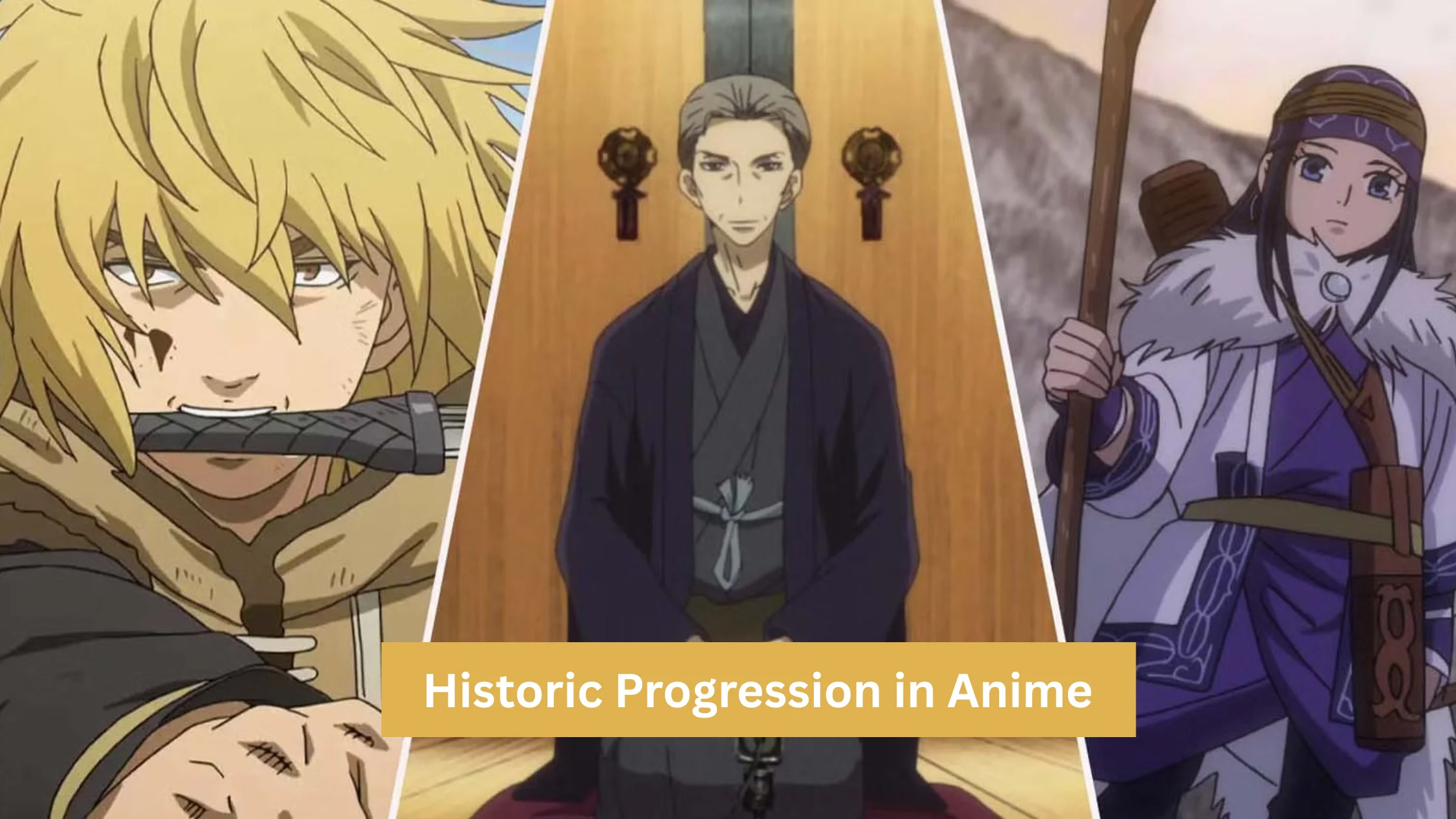
The journey of LGBTQ+ representation in anime and manga has been gradual and complex. In early decades, queer-coded characters often appeared as exaggerated side figures. Their identities were hinted at rather than openly discussed. Many were used for comedic relief or shock value, reinforcing misunderstanding instead of clarity.
As anime matured, creators began experimenting with more emotional depth. The 1990s and early 2000s introduced stories that explored same-sex attraction through symbolism and subtext. While still cautious, these narratives allowed viewers to sense genuine emotion beneath the surface.
Later, social awareness and global conversations influenced storytelling choices. Anime began addressing identity more directly, though not without hesitation. Characters started expressing confusion, self-doubt, and longing rather than fitting fixed roles. These portrayals felt quieter but more authentic.
Streaming platforms further accelerated this change. With broader audiences and fewer restrictions, studios gained freedom to tell nuanced stories. LGBTQ characters no longer existed only in niche genres. Instead, they became part of everyday narratives.
This historical progression shows growth rather than perfection. Anime continues learning how to represent diversity with care, honesty, and respect.
Breaking Old Tropes and Clichés
For a long time, LGBTQ characters in anime were confined to predictable roles. They were often portrayed as overly dramatic, comedic, or mysterious figures whose identities existed only to surprise the audience.
These tropes made characters feel more like symbols than people. As a result, many viewers struggled to connect with them on an emotional level.
In recent years, anime creators have started to challenge these outdated patterns. Instead of relying on exaggerated behavior, writers now focus on personality first.
Sexuality or gender identity becomes one part of a character rather than their entire definition. This shift allows LGBTQ characters to feel grounded and relatable.
Breaking clichés also means rejecting forced tragedy. Earlier stories often suggested that queer happiness was temporary or impossible. Modern anime increasingly pushes back against this idea.
Characters are allowed moments of joy, stability, and quiet confidence. Their struggles exist, but they are not punished simply for who they are.
Another important change is variety. There is no longer a single way to portray LGBTQ identity. Characters can be introverted, ambitious, flawed, or hopeful. By embracing this diversity, anime moves beyond stereotypes and closer to reality.
This evolution proves that strong storytelling does not rely on shortcuts. When creators let characters exist naturally, representation becomes meaningful rather than performative.
Realistic Coming-Out Stories
Coming-out stories in anime have grown more thoughtful over time. Earlier portrayals often rushed the moment or treated it as a dramatic twist. However, modern anime understands that coming out is not a single scene. Instead, it is an ongoing emotional process shaped by fear, hope, and trust.
Many recent series focus on internal conflict before external reactions. Characters wrestle with self-acceptance long before they speak to others. This approach feels honest because it mirrors real experiences. Doubt, denial, and quiet longing often appear before confidence does. As a result, viewers feel invited into the character’s inner world.
When characters do come out, reactions vary. Some receive immediate support. Others face confusion rather than rejection. This balanced portrayal avoids extremes. It shows that acceptance can be imperfect yet sincere. Friends may stumble with words but still try to understand. Families may need time instead of offering instant approval.
Importantly, these stories avoid framing coming out as a requirement for happiness. Some characters choose privacy. Others share selectively. Anime now respects that identity does not demand explanation to everyone.
By slowing down the narrative and honoring emotional nuance, realistic coming-out stories build empathy. They remind viewers that courage is quiet as often as it is bold. In doing so, anime turns personal moments into shared understanding.
Intersectionality in Anime
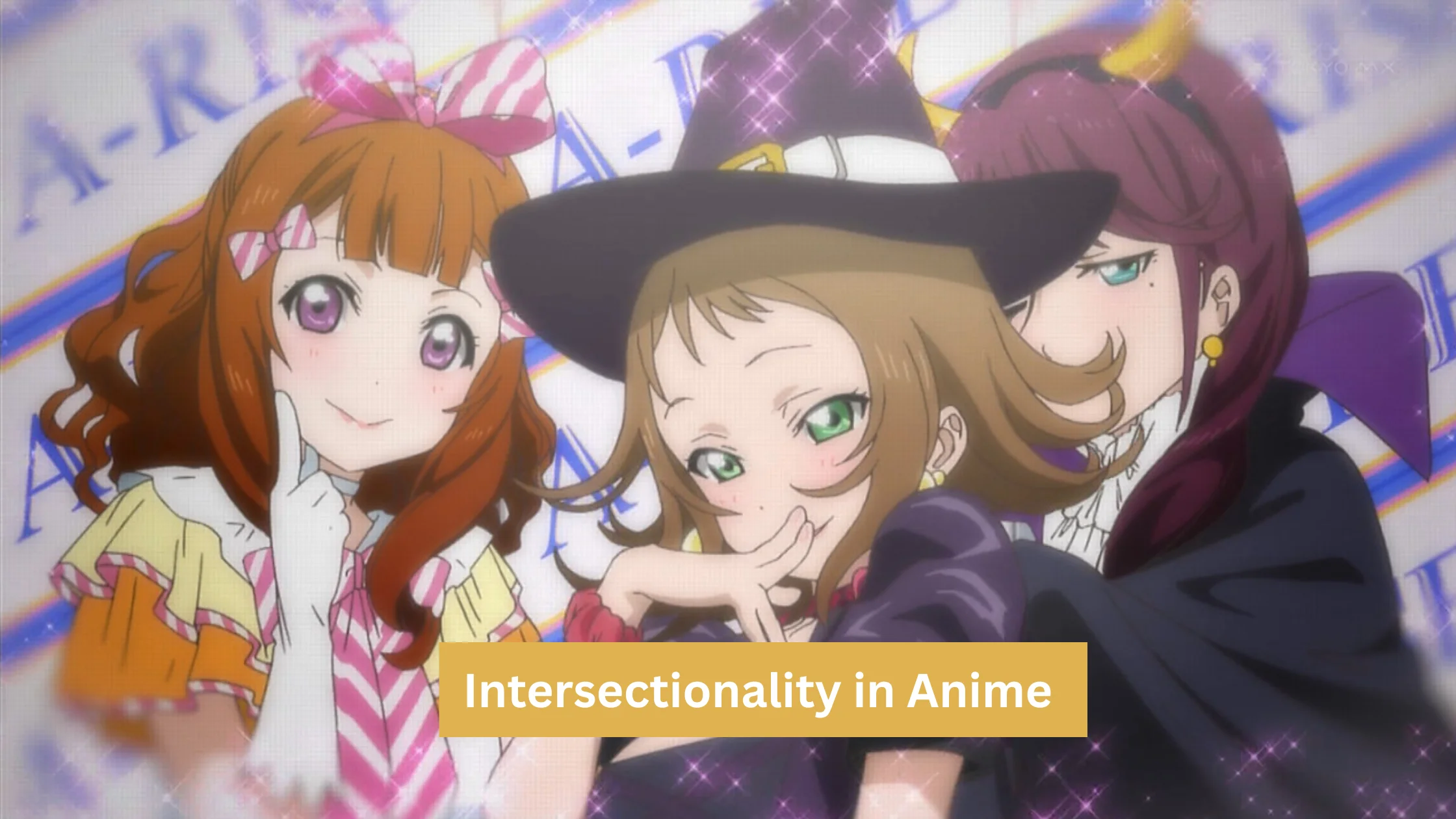
Intersectionality has become an increasingly important part of LGBTQ+ representation in anime. Rather than isolating identity to a single trait, modern stories explore how sexuality and gender intersect with class, culture, disability, and mental health. This layered approach reflects real life more accurately and adds emotional depth to characters.
Anime now shows that experiences within the LGBTQ+ community are not universal. A queer character from a rural background faces different pressures than one in a large city. Economic status influences freedom of expression. Cultural expectations shape how openly characters can live. These overlapping factors create tension that feels grounded rather than exaggerated.
Some series highlight how gender identity intersects with body image or trauma. Others explore the challenges of navigating both queerness and social marginalization. These narratives avoid presenting identity as a solved puzzle. Instead, they show it as an evolving experience shaped by environment and relationships.
Intersectionality also expands representation beyond familiar archetypes. Characters are no longer defined by a single struggle. They exist as complex individuals with conflicting needs and layered identities. This complexity strengthens storytelling and prevents tokenism.
By embracing intersectionality, anime moves beyond surface-level inclusion. It acknowledges that identity is multifaceted and deeply personal. This shift not only improves representation but also invites broader audiences to see themselves reflected in meaningful ways.
Fan Advocacy Initiatives
Fans have played a powerful role in pushing LGBTQ+ representation in anime forward. While studios create the content, audiences amplify its impact. Online communities discuss characters, challenge stereotypes, and celebrate meaningful portrayals. Over time, this collective voice has influenced how stories are told and which projects gain visibility.
Fan advocacy often begins with discussion. Social media threads, video essays, and forums analyze representation with care. Fans call out harmful clichés while also praising respectful storytelling. These conversations travel quickly and reach creators faster than ever before.
Creative participation is another key force. Fan art, fan fiction, and cosplay allow viewers to expand on queer narratives that may feel limited on screen. Some fans reimagine characters with clearer identities. Others explore relationships that were only hinted at. This creative engagement keeps representation alive beyond official releases.
Organized efforts have also emerged. Fans support inclusive studios through streaming choices and merchandise purchases. Campaigns promote lesser-known series with strong LGBTQ+ themes. Convention panels and community events create safe spaces for shared appreciation.
Most importantly, advocacy builds accountability. Studios now recognize that audiences care deeply about authentic representation. As a result, fan-driven pressure continues to shape a more inclusive and thoughtful anime landscape.
Studio Collaboration Examples
As LGBTQ+ representation gained visibility, collaboration between studios, writers, and cultural consultants became more common. These partnerships helped creators move beyond surface-level inclusion and toward more authentic storytelling. Rather than relying on outdated tropes, studios began working together to share perspectives and creative responsibility.
One form of collaboration appears in shared talent. Directors and writers known for sensitive character work are often invited across projects. Their experience helps shape nuanced queer narratives without making identity feel forced or symbolic. Animation teams also collaborate closely with scriptwriters to ensure visual language supports emotional truth.
Another important shift involves consulting voices from within the LGBTQ+ community. Some studios now involve advisors during story development. This helps avoid harmful misrepresentation and adds realism to dialogue, relationships, and personal struggles. Even subtle changes in tone or pacing can make a difference.
Cross-studio inspiration also matters. When one anime handles representation well, others take notice. Success encourages similar approaches across the industry. This quiet influence spreads inclusive practices without direct imitation.
These collaborations show growth within anime production culture. Representation is no longer treated as a trend. Instead, it becomes a shared responsibility. Through teamwork and openness, studios create stories that feel honest, respectful, and emotionally grounded.
International Comparisons
When comparing LGBTQ+ representation in anime with global animation, clear differences and shared challenges emerge. Japanese anime often approaches queer themes with emotional subtlety. Instead of loud declarations, many stories focus on inner conflict, quiet acceptance, and personal growth. This contrasts with Western animation, which tends to favor direct messaging and explicit identity labels.
In Western media, representation is often tied to activism and visibility. Characters openly state their identities, and stories emphasize social acceptance. Anime, however, frequently explores queerness through subtext, symbolism, and evolving relationships. This slower approach can feel refreshing to some viewers, while others wish for clearer representation.
Cultural context plays a major role. Japan’s social norms influence how stories address identity. Rather than framing queerness as political, anime often presents it as a natural part of human experience. Love, confusion, and longing take priority over labels.
At the same time, international audiences influence anime more than ever. Streaming platforms expose creators to global feedback. As a result, newer anime balance subtle storytelling with clearer emotional affirmation.
These cross-cultural contrasts enrich the medium. Anime does not need to mirror Western styles to be impactful. By blending introspection with global awareness, anime offers a unique and meaningful lens on LGBTQ+ experiences worldwide.
Critical Reception and Awards
As LGBTQ+ representation in anime has grown more thoughtful, critical reception has shifted in a positive direction. Earlier works were often ignored by award bodies or discussed only within niche communities.
However, modern anime that handle queer identities with care now receive wider recognition from critics, festivals, and academic circles.
Reviewers increasingly praise anime that portray LGBTQ+ characters as emotionally complex rather than symbolic. Stories that focus on internal struggle, healing, and everyday life resonate strongly with critics who value authenticity.
Instead of judging these series solely on representation, critics evaluate them as complete narratives with strong writing, direction, and character development.
Several anime featuring queer themes have earned nominations and awards at international animation festivals. These recognitions validate the idea that inclusive storytelling enhances artistic quality rather than limiting it.
Soundtracks, voice acting, and visual storytelling in such series are often highlighted for their emotional impact.
Audience reception also plays a role in critical success. Positive fan discussions, strong streaming numbers, and long-term cultural relevance influence how critics view these works. When viewers connect deeply with characters, critics take notice.
Overall, growing critical acclaim shows a shift in mindset. LGBTQ+ representation is no longer treated as a risky addition. Instead, it is recognized as a meaningful narrative strength that elevates anime on a global stage.
Key Turning Point Series
Every major shift in representation can be traced back to a few defining works. In anime, certain series became turning points by proving that LGBTQ+ stories could succeed both creatively and commercially. These anime did not rely on shock value. Instead, they centered on human emotions, quiet struggles, and sincere relationships.
What made these series influential was their approach. Queer characters were not written as lessons or symbols. They were allowed to be flawed, uncertain, joyful, and scared. Their identities mattered, but they did not consume the entire narrative. This balance helped audiences connect naturally.
Several turning point series also expanded who these stories were for. Rather than targeting only niche viewers, they reached mainstream audiences. As a result, studios realized that inclusive storytelling could attract wider viewership without alienating fans.
These anime also inspired creators behind the scenes. Writers and directors gained confidence to pitch stories that explored identity without apology. Newer works began building on this foundation, offering greater diversity in age, gender expression, and relationship dynamics.
Most importantly, these turning point series changed expectations. Viewers began asking for better representation rather than settling for stereotypes. That demand continues to shape modern anime storytelling and sets a higher standard for the future.
Predictions for Future Representation
Looking ahead, LGBTQ+ representation in anime is likely to become even more layered and confident. As audiences grow more diverse, creators are responding with stories that move beyond explanation and into lived experience. Rather than focusing on identity as a conflict, future anime will treat it as one part of a character’s everyday life.
Several trends are already emerging:
- More LGBTQ+ characters in non-romance genres
- Stories focused on adulthood rather than only youth
- Increased inclusion of non-binary and asexual identities
- Subtle representation without constant labeling
Streaming platforms and global audiences are also shaping this shift. With fewer restrictions and broader reach, studios feel freer to explore stories that once felt risky. At the same time, creators are listening more closely to community feedback, which helps avoid harmful clichés.
Another important change involves creators themselves. More openly queer writers, animators, and directors are entering the industry. Their personal experiences naturally lead to more authentic storytelling. This internal change may prove more impactful than any external trend.
Overall, the future points toward normalization. Representation will feel less like a statement and more like reality. When that happens, anime will truly reflect the diversity of the world it entertains.
Conclusion
LGBTQ representation in anime has traveled a long and uneven road. From coded subtext and rigid stereotypes to thoughtful and emotionally grounded stories, the medium has grown alongside its audience. While progress has not been perfect, the direction is clear and encouraging.
What makes modern representation powerful is its humanity. Characters are no longer defined only by identity. They experience love, fear, ambition, and doubt just like anyone else. This shift allows viewers to connect on a deeper level, regardless of background.
Anime’s strength has always been its ability to explore complex emotions through creative storytelling. By embracing inclusive narratives beyond genre stereotypes, it continues that tradition. As more voices join the conversation, anime becomes not only more representative but also more honest.
In the end, celebration comes not from perfection, but from effort, growth, and the willingness to listen. That is where anime’s future truly shines.
Read More: