Classic Titles Featuring Trauma Arcs
Anime has long explored human suffering and the path to recovery, often using trauma as a core narrative driver.
Classic titles such as Neon Genesis Evangelion, Tokyo Magnitude 8.0, and Grave of the Fireflies exemplify how anime can portray emotional distress with nuance and depth.
In Evangelion, Shinji Ikari’s struggles with abandonment, self-worth, and interpersonal connection offer viewers a lens into complex psychological trauma.
Meanwhile, Grave of the Fireflies captures the harrowing impact of war on children, presenting raw, unfiltered emotional experiences.
Other series, like Your Lie in April and March Comes in Like a Lion, focus on the quieter, more intimate side of trauma.
The protagonists face loss, grief, and mental strain, and the series gradually explores their coping mechanisms.
These stories often avoid melodrama, instead showing how daily life, relationships, and small victories contribute to recovery.
By examining both physical and emotional trauma, these anime provide a holistic perspective. Viewers witness characters confronting their fears, navigating guilt, and learning to trust again.
Trauma arcs serve as catalysts for character growth, setting the stage for transformative narratives. Furthermore, these classics have influenced countless newer anime, proving that stories about struggle and recovery resonate universally.
Trauma-driven storytelling also allows creators to explore societal issues, such as war, abuse, and social isolation, without alienating audiences.
By framing these experiences in relatable characters and settings, anime creates a bridge between fiction and real human experiences, allowing viewers to engage empathetically with complex emotional journeys.
Visual Symbolism of Pain
In anime, trauma is often expressed visually, allowing viewers to feel a character’s inner turmoil without relying solely on dialogue.
Pain can manifest through color palettes, environmental design, and character posture, creating an immersive emotional experience. For instance, muted tones or washed-out colors often accompany scenes of grief or isolation, subtly signaling despair.
Shadows and fragmented frames can reflect fractured mental states, while claustrophobic compositions emphasize emotional entrapment.
Series like Paranoia Agent and Texhnolyze employ distorted or surreal imagery to externalize psychological pain. Characters may appear physically smaller within vast, oppressive environments, symbolizing helplessness and insignificance.
Tears, scars, or symbolic objects—like broken instruments or abandoned toys—often serve as visual markers of past trauma. These details encourage viewers to interpret emotional weight rather than having it explicitly stated, creating a more immersive storytelling experience.
Even in lighter anime, visual cues can convey subtle emotional struggles. For example, in March Comes in Like a Lion, empty spaces in a room, disorganized belongings, or repeated use of rain and muted backgrounds reflect depression and loneliness, adding depth to seemingly everyday moments.
Moreover, visual symbolism allows anime to balance realism and abstraction. While grounded in human experience, creators can use exaggerated, surreal, or symbolic imagery to emphasize mental states, memories, or flashbacks.
This approach ensures that trauma is represented sensitively, avoiding melodramatic clichés while still evoking empathy.
Ultimately, visual storytelling transforms pain from a narrative concept into a lived experience.
By combining composition, color, and symbolic objects, anime communicates emotional depth that resonates with viewers, inviting them to understand trauma beyond words.
Real-World Influences
Anime creators often draw inspiration from real-world experiences to craft authentic portrayals of trauma. Historical events, social issues, and psychological research inform storylines, making characters’ struggles resonate with viewers on a deeper level.
For instance, themes of war, natural disasters, and personal loss frequently appear in anime, grounding fantastical or dramatic narratives in reality.
One clear example is Grave of the Fireflies, where the devastating effects of World War II on children illustrate trauma in its most harrowing form. Director Isao Takahata blends historical accuracy with emotive storytelling, showing how loss, hunger, and displacement shape young minds.
Similarly, modern slice-of-life anime like March Comes in Like a Lion incorporate real-world social pressures, family dynamics, and mental health challenges to reflect trauma in everyday life.
Cultural context also plays a significant role. Japanese societal values, such as perseverance (gaman) and community support, often influence how characters process trauma and recovery.
Anime may depict characters leaning on friends, mentors, or family while balancing the cultural expectation of enduring hardship quietly. These nuances make trauma portrayal distinctively Japanese yet universally relatable.
Even outside of direct historical events, creators often consult psychologists or study behavioral science to ensure emotional realism. This research informs character reactions, coping mechanisms, and interpersonal interactions, ensuring they feel believable.
Subtle behaviors, like hesitation before social engagement or recurring anxiety in certain environments, reflect genuine psychological patterns.
By grounding trauma in real-world influences, anime bridges the gap between fiction and lived experience.
Audiences are not just entertained—they are invited to understand, empathize, and reflect on the emotional realities that shape human behavior.
Emotional Realism in Writing
Emotional realism is a cornerstone of trauma-focused anime. Writers carefully craft dialogue, internal monologues, and interactions to reflect the authentic complexity of human emotions.
Trauma is rarely presented as a single, easily solved problem. Instead, it unfolds gradually, with characters exhibiting conflicting feelings, setbacks, and small victories, mirroring the non-linear path of real-life recovery.
For example, in Your Lie in April, the protagonist’s grief over his mother’s death is intertwined with music and personal relationships.
His struggle to return to the piano doesn’t happen overnight—it is fraught with hesitation, self-doubt, and emotional outbursts.
The series captures the subtle interplay between loss, memory, and artistic expression, allowing viewers to experience trauma alongside the character rather than at a distance.
Similarly, Anohana: The Flower We Saw That Day illustrates the lingering effects of guilt and unresolved trauma in a group of friends.
Dialogue and interactions reveal layers of denial, anger, and eventual acceptance. The realistic pacing of these emotional arcs ensures that viewers can identify with the characters’ struggles, increasing empathy and engagement.
Writers often use show-don’t-tell techniques to enhance emotional realism. Instead of explicitly stating that a character is suffering, subtle cues—avoiding eye contact, repetitive actions, or hesitations in speech—communicate distress more powerfully.
Coupled with careful pacing and narrative focus on internal states, this approach immerses audiences in the psychological landscape of trauma.
By prioritizing emotional realism, anime transforms traumatic experiences into narratives that are relatable, instructive, and deeply moving.
Characters feel human, their growth feels earned, and viewers are invited to explore the nuanced process of healing rather than simply witnessing dramatic events.
Role of Support Characters
Support characters play a crucial role in trauma-focused anime, often acting as emotional anchors, catalysts for growth, and mirrors reflecting the protagonist’s inner struggles.
These characters are not just background figures; they provide context, guidance, and a safe space for healing while maintaining their own depth and agency.
In March Comes in Like a Lion, the three Kawamoto sisters exemplify nurturing support. Their consistent empathy and understanding allow the protagonist, Rei, to confront his depression and trauma.
They offer advice, encouragement, and simple human warmth, emphasizing that recovery often thrives through interpersonal connections rather than solitary struggle.
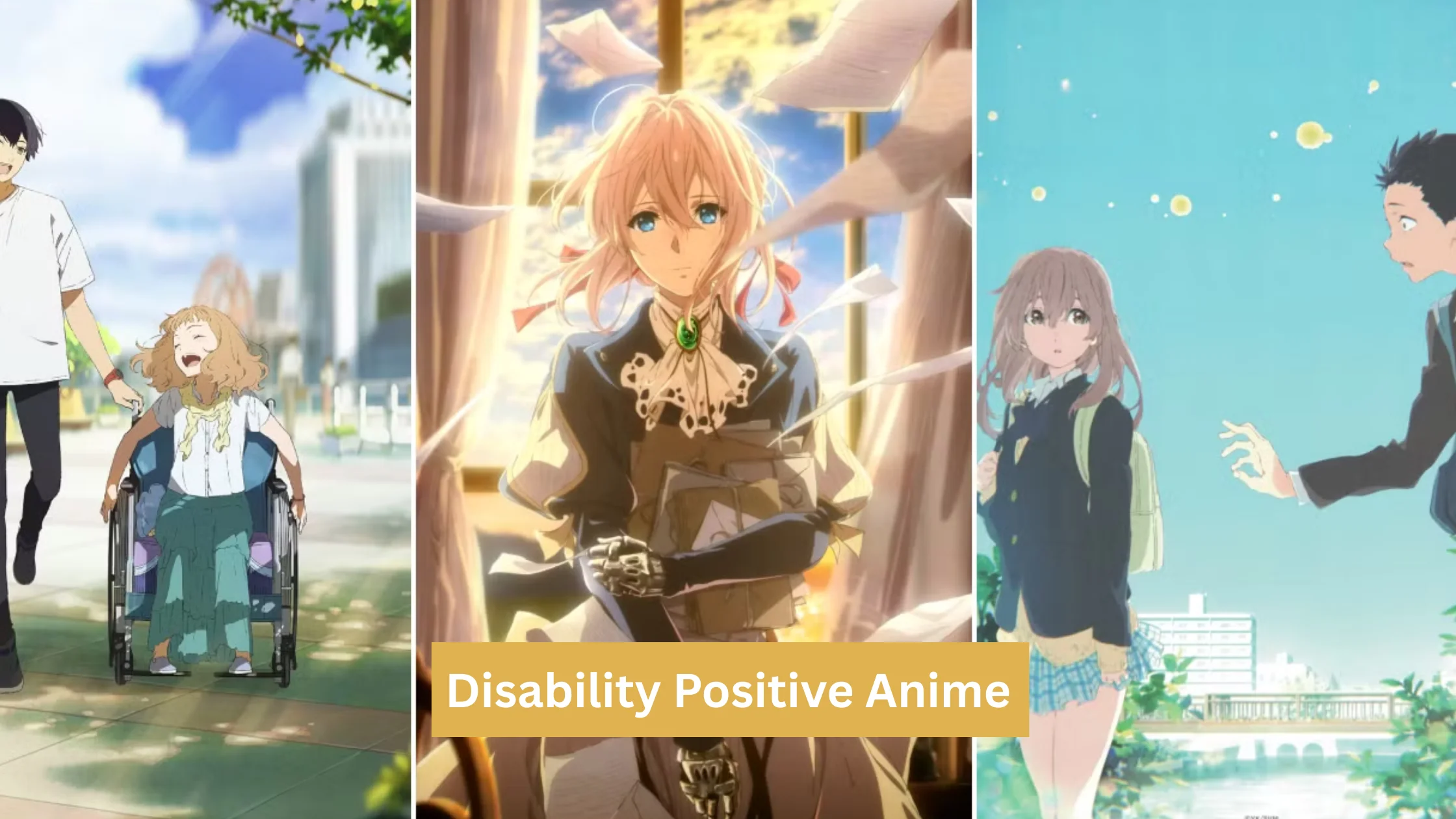
Similarly, in A Silent Voice, Shoya’s journey of atonement and healing is deeply intertwined with the support of Shoko and other classmates.
They challenge him, forgive him, and reflect the consequences of his past actions, helping both the protagonist and viewers grapple with guilt, redemption, and personal accountability.
Support characters also serve as narrative foils, highlighting different coping mechanisms and emotional resilience. For instance:
- Some embody stability, showing calmness in crisis.
- Others exhibit flawed coping, revealing that healing is rarely linear.
- Certain characters act as catalysts for confrontation, pushing protagonists to face uncomfortable truths.
By presenting a spectrum of responses to trauma, anime underscores that recovery is a shared journey influenced by social bonds.
These interactions make the protagonist’s growth feel authentic and the emotional stakes more compelling.
Ultimately, well-written support characters transform trauma narratives into dynamic ecosystems of care, conflict, and reflection.
They remind viewers that healing is rarely a solo endeavor and that empathy, patience, and human connection are essential elements in overcoming emotional pain.
Audience Empathy Responses
One of the most compelling aspects of trauma-centered anime is its ability to evoke empathy from viewers, bridging the gap between fiction and real-life emotional experiences.
By immersing audiences in the protagonist’s pain, struggles, and gradual recovery, these stories encourage deep emotional investment rather than passive viewing.
Anime often uses perspective shifts, internal monologues, and visual symbolism to place viewers inside the character’s mind.
In Your Lie in April, Kousei’s grief after losing his mother is conveyed through fragmented visuals, dissonant piano sequences, and muted color palettes, creating a palpable sense of loss and confusion.
Audiences experience the disorientation and weight of trauma alongside him, fostering a strong empathetic connection.
Similarly, Fruits Basket explores the emotional scars of multiple characters affected by family trauma and social isolation.
By showing their vulnerabilities and coping strategies, viewers recognize shared human fears and insecurities, which strengthens engagement.
Key techniques that enhance empathy include:
- Slow pacing during emotionally heavy scenes, allowing reflection.
- Relatable reactions, even if the character’s circumstances are extreme.
- Juxtaposition of trauma with moments of warmth, highlighting hope and recovery.
These narrative choices not only make characters believable but also invite viewers to reflect on their own experiences or those of others, enhancing emotional literacy.
Some audiences report feeling catharsis or comfort in seeing struggles addressed thoughtfully, while others gain awareness of psychological challenges they might not have personally encountered.
Ultimately, anime’s treatment of trauma transforms storytelling into an interactive emotional journey.
By eliciting empathy, these narratives encourage compassion, understanding, and sometimes even personal growth, making trauma-centric anime resonate long after the credits roll.
Soundtrack’s Use in Healing Moments
In trauma-centered anime, music is far more than background filler—it is a narrative tool that conveys emotion, emphasizes recovery, and guides viewers through a character’s inner journey.
Carefully chosen soundtracks can amplify vulnerability, underscore pivotal moments of growth, and provide subtle cues that signal hope or emotional release.
For instance, in March Comes in Like a Lion, the piano and soft strings mirror Rei’s mental state. During his darkest moments, minimalistic, melancholic tones highlight isolation and despair.
As he slowly opens up to friendships and support, the music shifts to gentler, uplifting motifs, subtly signaling healing without a single word. This auditory storytelling creates a seamless bridge between internal struggle and narrative progression.
Anime often uses silence strategically, contrasting it with sound to accentuate emotional gravity. A scene depicting a character confronting their trauma might begin with ambient silence, punctuated only by soft piano notes or natural sounds like rain, emphasizing introspection.
When recovery begins, the soundtrack introduces harmonic layers or hopeful melodies, helping viewers feel a sense of relief and closure alongside the character.
Other examples include Anohana: The Flower We Saw That Day, where recurring theme songs tie emotional memories to specific characters.
These melodies evoke nostalgia, sorrow, and gradual acceptance, reinforcing the psychological arcs of trauma and healing.
Key aspects of soundtrack use in trauma anime include:
- Emotional mirroring: matching musical tone to the character’s internal state.
- Transition cues: signaling shifts from despair to hope.
- Memory reinforcement: recurring motifs remind viewers of unresolved or healing moments.
By weaving sound thoughtfully into the narrative, anime transforms the viewing experience into an immersive emotional journey, where music becomes a silent guide, allowing audiences to feel the intricacies of trauma and recovery deeply.
Psychological Research on Anime
Anime that explores trauma and recovery has not only captivated audiences but also caught the attention of psychologists and media researchers.
Studies increasingly examine how viewers emotionally engage with characters facing mental health challenges and how this engagement can foster empathy, self-reflection, and even coping strategies.
Research indicates that narrative immersion—where viewers relate deeply to a character’s experience—can enhance understanding of complex psychological issues.
For example, when a protagonist struggles with anxiety, depression, or past trauma, audiences often recognize similar feelings within themselves, making the anime a mirror for introspection.
Series like Your Lie in April or A Silent Voice have been highlighted in studies for portraying emotional authenticity, showing that fictional stories can meaningfully impact real-world empathy.
Moreover, trauma-focused anime frequently employ visual metaphors and symbolism to externalize internal struggles, a technique supported by cognitive psychology.
By translating abstract emotions into concrete visual elements—like stormy skies, fragmented reflections, or color shifts—viewers can process complicated feelings vicariously, safely observing coping mechanisms without personal risk.
Psychologists also emphasize the role of supportive relationships depicted on screen. Characters who model communication, vulnerability, and resilience can guide viewers in understanding constructive recovery behaviors.
Studies suggest that repeated exposure to these narratives may improve emotional literacy, helping audiences recognize, validate, and navigate their own experiences of distress.
Finally, some research explores the therapeutic potential of anime in clinical or educational settings.
When paired with discussion or reflection exercises, watching trauma-focused anime can foster conversation about mental health, reduce stigma, and encourage proactive emotional coping.
In essence, psychological research supports the idea that anime is not just entertainment; it is a tool for exploring human emotion, understanding trauma, and appreciating the nuances of recovery through compelling storytelling.
Studio Approaches to Sensitive Topics
Studios producing trauma-focused anime often tread carefully, balancing emotional impact with ethical responsibility.
Creating narratives around mental health, abuse, or loss requires thoughtful planning, as mishandling sensitive content can alienate viewers or inadvertently perpetuate harmful stereotypes.
Some studios prioritize collaboration with consultants, including psychologists, social workers, or trauma specialists, to ensure that depictions remain respectful and realistic.
For instance, anime that addresses PTSD or bullying often reflects research-informed behaviors, such as realistic coping mechanisms, emotional responses, and gradual recovery. This careful approach enhances authenticity, making stories resonate more deeply with audiences.
Visual storytelling is another critical tool. Studios often use color palettes, lighting, and framing to convey internal states without explicit dialogue. Darker hues may symbolize despair, while muted tones capture numbness or emotional withdrawal.
Conversely, bright or warm colors signal hope, connection, or healing, subtly guiding viewers through a character’s emotional arc.
Narrative pacing also reflects sensitivity. Rather than forcing rapid resolutions, many studios allow trauma arcs to unfold gradually, giving characters room to struggle, reflect, and grow.
Support characters often play a pivotal role, modeling healthy relationships and demonstrating that recovery is a process rather than an instantaneous transformation.
Notable examples include Kyoto Animation, renowned for its empathetic character development in Vivy: Fluorite Eye’s Song and A Silent Voice, and P.A. Works, which balances aesthetic beauty with emotional realism in series like Shirobako and Angel Beats!
These studios understand that trauma isn’t merely plot fodder—it’s a lens to explore human resilience.
In essence, studios that treat sensitive topics thoughtfully create safer spaces for viewers, elevate narrative depth, and contribute to broader cultural understanding of trauma and recovery.
Their careful approach ensures that anime can educate, empathize, and entertain simultaneously.
Examples of Positive Recovery Stories
Anime often uses trauma arcs not just to depict pain, but to highlight recovery and resilience, showing that healing is possible even after profound hardship.
Positive recovery stories focus on growth, hope, and the small victories characters achieve along the way.
One standout example is A Silent Voice (Koe no Katachi), where Shoya Ishida’s journey explores guilt, bullying, and self-loathing. Through interactions with Shoko and other classmates, he gradually confronts his past mistakes and learns empathy.
The anime carefully balances emotional realism with hope, making the recovery process feel authentic rather than simplified.
Another powerful example is March Comes in Like a Lion (3-gatsu no Lion), where Rei Kiriyama deals with family trauma and social isolation.
His gradual healing occurs through meaningful relationships with the Kawamoto sisters, who provide emotional grounding and support. The anime’s visual and auditory cues, such as quiet domestic moments and subtle music, emphasize Rei’s small steps toward self-acceptance, reminding viewers that recovery is nonlinear.
Similarly, Vivy: Fluorite Eye’s Song integrates trauma with purpose. While the protagonist faces existential pressure and past regrets, she finds meaning through her mission to protect humanity, showing how agency and purpose aid emotional healing.
Other series, like Orange and Fruits Basket, explore grief, guilt, and abuse but provide hopeful resolutions, demonstrating that support networks, empathy, and self-reflection are key to recovery. These narratives reinforce that trauma need not define a person’s future.
In these anime, the balance between struggle and hope is essential. Characters experience setbacks, but each small victory, conversation, or act of self-care contributes to emotional growth.
Viewers not only witness recovery but often feel inspired and emotionally validated, making these stories both cathartic and memorable.
Conclusion
Anime has a unique ability to explore trauma and recovery in ways that resonate deeply with viewers. Through carefully crafted character arcs, visual symbolism, and thoughtful sound design, these stories portray pain with honesty while offering hope for healing.
Supportive relationships, moments of reflection, and incremental victories highlight that recovery is rarely linear but always meaningful.
By blending real-world psychological insights with artistic storytelling, anime not only entertains but also encourages empathy, self-reflection, and emotional awareness.
Studios that tackle sensitive themes with nuance create experiences that linger long after the final episode, allowing audiences to connect with characters on a profoundly human level.
Ultimately, anime demonstrates that trauma is part of life, but so is resilience. Through these narratives, viewers learn that while the past may shape us, it does not define our future.
Stories of recovery in anime inspire, comfort, and remind us of the enduring strength of the human spirit.