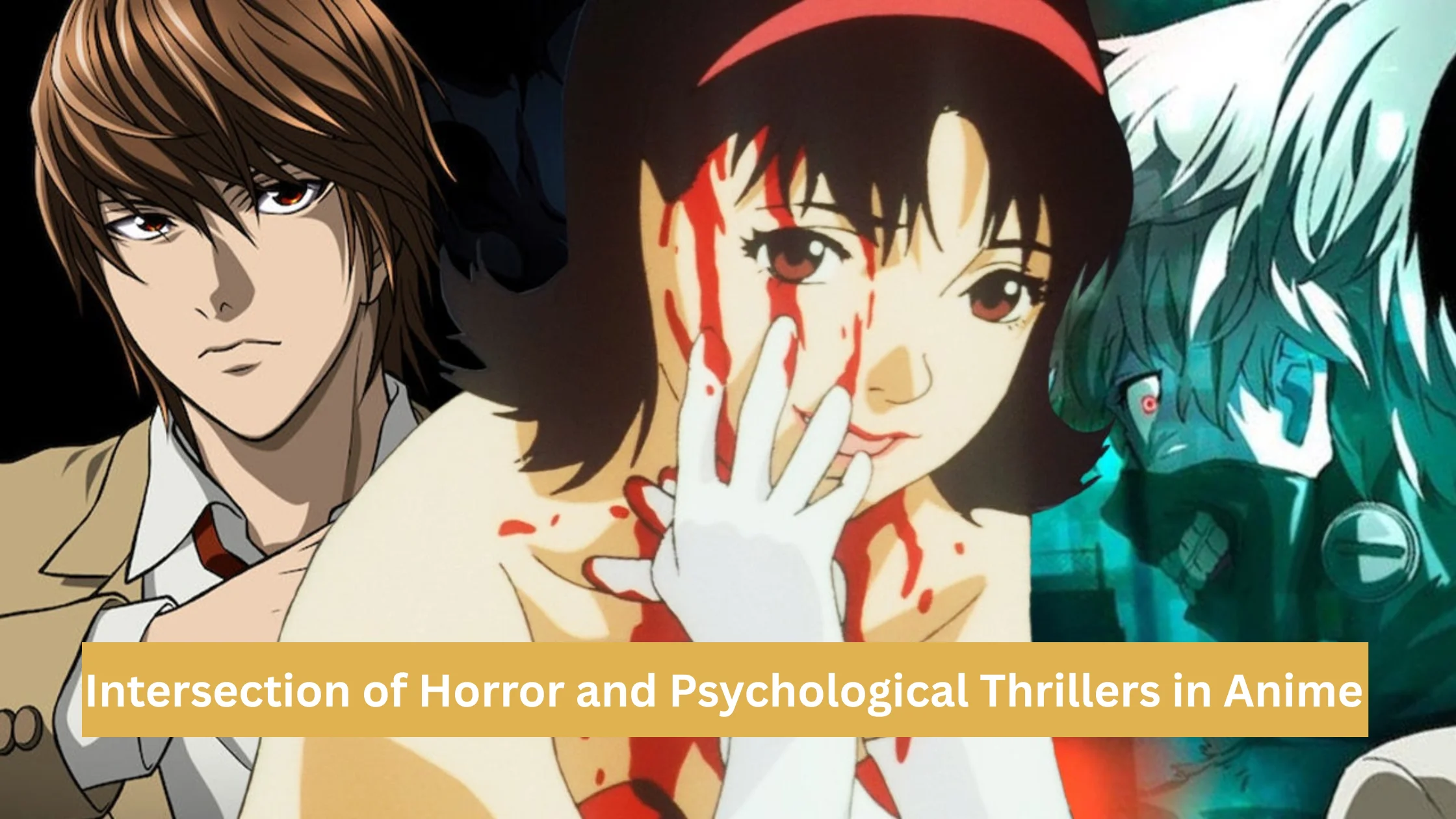
Anime has always been more than flashy fights or emotional romance. Over the decades, one of its most compelling strengths has been its ability to explore fear in deeply personal ways.
When horror and psychological thrillers intersect in anime, the result is a genre that does not rely solely on monsters or gore. Instead, it crawls into the viewer’s mind, planting discomfort that lingers long after the episode ends.
Unlike traditional horror, anime psychological thrillers focus on internal conflict. Fear often comes from isolation, identity loss, moral ambiguity, and unseen threats. This unique blend has helped anime carve a space where terror feels intimate rather than distant.
Let’s explore how this genre evolved, why it works so well in animation, and where it might be heading next.
Historical Context of Horror Anime
Horror in anime did not emerge overnight. Early Japanese animation took inspiration from folklore, ghost stories, and post-war anxieties. Traditional tales of yokai, curses, and spirits laid the foundation for later psychological storytelling.
During the 1980s and 1990s, anime began experimenting with darker themes. Titles like Akira and Perfect Blue shifted focus from supernatural scares to psychological breakdowns. These works reflected societal stress, urban alienation, and fear of losing control in a rapidly modernizing Japan.
As anime matured, creators realized that fear could be subtle. Instead of shocking visuals, they used atmosphere, silence, and unreliable narrators. This shift marked the beginning of anime’s psychological horror identity.
Key Psychological Themes
Psychological horror anime draws its power from the human mind rather than visible monsters. Instead of sudden scares, it builds fear slowly by exploring thoughts, emotions, and inner conflict. This approach makes the experience more intense because viewers recognize these fears from real life.
One major theme is the fear of losing one’s identity. Characters often struggle to understand who they are as their sense of self begins to break apart. This may happen due to trauma, technology, or social pressure. When a character can no longer trust their own memories or emotions, every situation feels unstable. Anime like Serial Experiments Lain shows how frightening it can be to exist without a clear sense of self.
Another powerful theme is obsession and guilt. Many characters become trapped by past actions or hidden desires. These emotions do not fade with time. Instead, they grow stronger and begin to control behavior. Guilt creates paranoia, while obsession narrows the character’s world until nothing else matters. This mental trap becomes more terrifying than any physical danger.
Psychological horror anime also emphasizes isolation and alienation. Characters are often separated from society or feel misunderstood by those around them. Even crowded spaces feel empty. This loneliness amplifies fear and makes small disturbances feel overwhelming.
Common psychological themes include:
- Loss of individuality and self-identity
- Obsession driven by guilt or regret
- Social isolation and emotional distance
- Fear of manipulation or constant observation
Series such as Paranoia Agent and Serial Experiments Lain use these themes to create tension that feels personal. Instead of escaping fear, viewers are invited to confront it within themselves.
Sound Design’s Role in Horror Anime
Sound design is one of the most powerful tools in horror anime, often working quietly in the background while shaping the viewer’s emotional response. Instead of relying on loud jump scares, many psychological thrillers use silence and subtle audio cues to build unease. A faint hum, distant footsteps, or an unnatural echo can create tension long before anything appears on screen.
Silence itself plays a major role. Extended quiet moments force viewers to anticipate danger, making their imagination more active. When sound finally returns, it feels heavier and more unsettling. Background noise is often distorted or looped, which mirrors the mental instability of the characters and blurs the line between reality and illusion.
Music in horror anime is used with intention rather than frequency. Slow, minimal compositions often reflect emotional breakdown instead of physical threats. In many scenes, music fades just as fear peaks, allowing discomfort to settle in without distraction.
Voice acting adds another psychological layer. Small changes in pitch, breath control, or pauses in speech can suggest fear, guilt, or paranoia. These subtle performances make characters feel fragile and real. In psychological horror anime, sound does not support the story. It tells the story by guiding emotions, revealing inner conflict, and turning ordinary moments into deeply unsettling experiences.
Animation Choices for Suspense
Suspense in horror anime is often created through what is not shown rather than what is revealed. Many directors rely on visual restraint to let tension grow naturally.
Long still shots and minimal movement slow the rhythm of a scene and give viewers time to sense danger. Tight framing limits what can be seen, which increases uncertainty and discomfort.
Lighting is used with great care. Dim environments, harsh contrasts, and heavy shadows hide details and distort familiar spaces.
Faces may be partially concealed, forcing viewers to search for emotion or intent. This lack of clarity keeps the mind uneasy.
Character animation also plays a psychological role. Slightly unnatural movements, delayed reactions, or warped proportions suggest mental instability.
These subtle choices create a feeling that something is wrong, even before the story confirms it.
Influence from Live-Action Horror
Psychological horror anime has been deeply shaped by live-action cinema from both Japan and the West.
Japanese horror films are known for their slow pacing and lingering unease, and this approach carried into anime storytelling.
Instead of relying on shock, many series build fear through atmosphere, silence, and emotional discomfort.
At the same time, Western thrillers introduced narrative ideas such as unreliable narrators and ethical uncertainty.
These concepts encouraged anime creators to blur the line between reality and perception. As a result, viewers are often left questioning what is real and what exists only in the character’s mind.
Animation expands on these influences in unique ways. Surreal imagery, distorted spaces, and symbolic visuals allow inner fears to take physical form.
Dreams and hallucinations feel natural within animated worlds, making psychological tension more immersive and unsettling.
Studio Favorites for Psychological Thrillers
Over the years, a few anime studios have earned strong reputations for crafting psychological thrillers that linger in the mind long after the final episode.
These studios tend to value creative risk over mass appeal, which allows them to explore darker themes with confidence.
Instead of relying on familiar formulas, they give directors and writers the freedom to experiment with pacing, structure, and emotional tone.
Studios that excel in psychological horror often share similar creative priorities:
- Director-driven storytelling that reflects a clear artistic vision
- Limited exposition that encourages viewers to interpret meaning on their own
- Heavy use of visual symbolism to express internal conflict
- A focus on emotional unease rather than overt violence
This approach does not always lead to mainstream success, yet it builds loyal audiences. Viewers drawn to psychological depth appreciate being challenged rather than comforted.
As a result, these studios develop cult followings and influence future creators who want to explore fear through introspection rather than spectacle.
Viewer Cult Followings
Psychological horror anime often develops cult followings rather than mass appeal. These fans engage deeply with symbolism, theories, and hidden meanings.
Online discussions keep these series alive long after airing. Viewers debate interpretations and share emotional reactions. This engagement strengthens the genre’s reputation as intellectually stimulating rather than purely entertaining.
Fans often rewatch these anime, discovering new details each time. The layered storytelling rewards patience and curiosity.
International Reception
Globally, psychological horror anime has gained recognition for its sophistication. Western audiences often praise its emotional complexity and willingness to challenge comfort zones.
Streaming platforms have helped niche titles reach international viewers. As cultural barriers fade, more audiences embrace slower pacing and abstract narratives.
This global appreciation reinforces anime’s role as a serious storytelling medium rather than simple animation.
Case Study: A Breakthrough Series
One breakthrough psychological horror anime demonstrated how fear can exist without monsters. It focused on everyday settings that gradually became unsettling.
The series avoided clear answers. Instead, it trusted viewers to connect the dots. Characters felt real, flawed, and fragile.
Its success proved that audiences crave psychological depth. Horror does not need constant violence to be effective. Emotional realism can be just as terrifying.
Future Predictions for the Genre
The future of horror and psychological thrillers in anime appears both bold and introspective. As global audiences become more media-aware, creators are responding with stories that prioritize emotional depth over shock value.
Viewers now seek narratives that challenge perception and reflect real inner struggles, which opens the door for more layered storytelling.
Several trends are likely to shape the genre moving forward:
- More experimental narrative structures that blur reality and imagination
- Deeper exploration of mental health, trauma, and identity
- Hybrid genres that merge psychological horror with science fiction or drama
- Stronger emphasis on emotional realism and character psychology
While advances in animation technology will allow for more immersive visuals, the core strength of the genre will remain rooted in human fear and vulnerability.
Psychological horror thrives when it reflects the mind, not the monster. As long as creators stay curious about human behavior, this genre will continue to evolve and resonate.
Conclusion
The intersection of horror and psychological thrillers in anime represents one of the medium’s most powerful achievements. By focusing on inner fear rather than surface-level shocks, anime creates stories that stay with viewers long after the screen goes dark.
Through sound, visuals, symbolism, and emotional honesty, this genre transforms fear into reflection. It challenges audiences to confront discomfort instead of escaping it.
As anime continues to evolve, psychological horror will remain essential. Not because it scares easily, but because it understands fear at its deepest level.