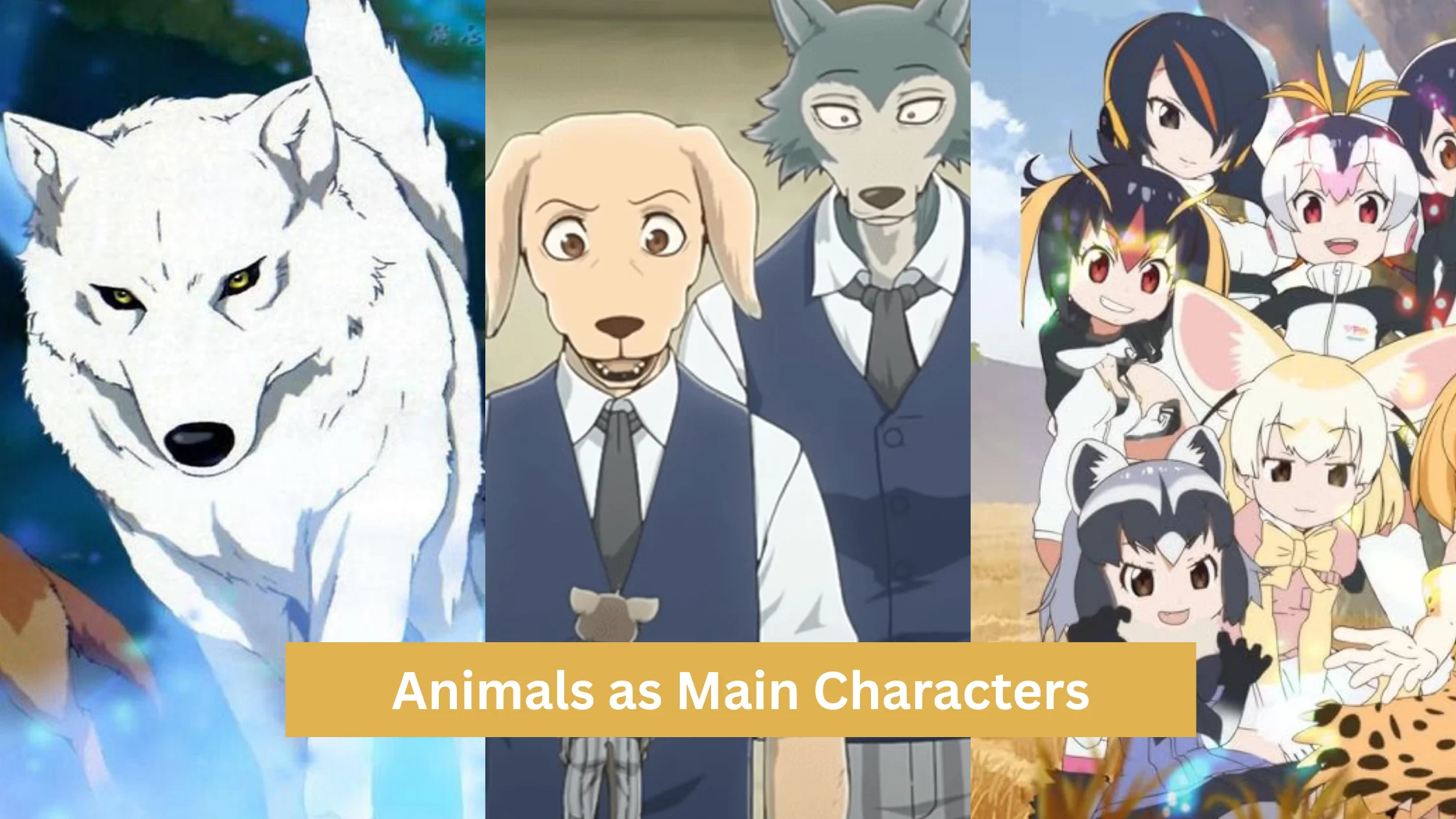
Anime has always pushed creative boundaries. While many series focus on human heroes, magical warriors, or futuristic pilots, some of the most emotionally powerful stories place animals at the center of the narrative. These anime do more than entertain. They explore identity, survival, morality, and society through non-human perspectives. As a result, animal-led anime storytelling feels fresh, symbolic, and deeply human at the same time.
Animals as main characters allow creators to strip away social masks. They let stories speak honestly about fear, love, loss, and belonging. Over the decades, this storytelling approach has evolved from folklore-inspired tales to complex modern narratives with global appeal.
Let us explore how anime uses animals not as sidekicks, but as central voices that redefine storytelling.
Roots in Japanese Folklore
The foundation of animal-centered anime storytelling begins with Japanese folklore. Long before animation existed, animals played essential roles in myths, legends, and oral storytelling across Japan. These stories shaped cultural beliefs and later influenced anime creators.
In traditional folklore, animals often possessed intelligence, emotions, and spiritual power. Foxes known as kitsune were tricksters capable of shape-shifting. Tanuki represented humor and adaptability. Cranes symbolized loyalty and gratitude. These animals were not decorations. They carried lessons about human behavior.
As anime developed, creators naturally drew inspiration from these folk traditions. Early animal characters often reflected spiritual or moral ideas rather than realism. This approach allowed anime to tell meaningful stories without directly confronting social issues. Instead, animals became mirrors for human behavior.
Even today, traces of folklore remain visible. You can see them in mystical animal guardians, talking creatures, and spirit animals that guide protagonists. These roots give animal anime a cultural depth that separates it from Western cartoons.
Bipedal vs. Realistic Animal Anime
One of the most fascinating aspects of animal-led anime is how differently animals are portrayed. Some walk and speak like humans. Others behave exactly like real animals. Both approaches serve distinct storytelling goals.
Bipedal animal anime often focus on society and identity. These characters wear clothes, live in structured communities, and face social struggles similar to humans. This style allows anime to discuss topics like discrimination, class systems, and coexistence in a symbolic way. The animal form softens difficult themes while making them more approachable.
On the other hand, realistic animal anime focus on survival, instincts, and the natural world. These stories often avoid dialogue and rely heavily on visual storytelling. The emotions feel raw because characters react purely through action and expression.
Neither style is better. Instead, each offers unique narrative strength. Bipedal animals help explore social systems. Realistic animals highlight nature, struggle, and the cycle of life. Together, they show how flexible animal storytelling can be in anime.
Metaphorical Storytelling Uses
Animals in anime often function as metaphors rather than literal characters. This is one of the strongest reasons creators choose them as protagonists.
When animals take the lead, stories can discuss sensitive issues without direct confrontation. A predator-prey relationship can symbolize social hierarchy. A lone animal searching for a home can represent alienation. A hybrid creature may reflect identity conflict.
Because animals exist outside human rules, viewers accept exaggerated symbolism more easily. Emotions feel universal rather than personal. This helps stories resonate across cultures and age groups.
Animal metaphors also encourage introspection. Viewers project their own experiences onto the characters. The result is a deeply personal viewing experience that feels different for every audience member.
This metaphor-driven approach is why animal anime often stays with viewers long after the series ends.
Family-Friendly vs. Mature Themes
One common misconception is that animal anime is always meant for children. In reality, animal protagonists appear in both family-friendly and mature narratives.
Family-oriented animal anime often focus on friendship, teamwork, and emotional growth. These series use gentle pacing and colorful visuals to create comfort. Animals help younger viewers connect with lessons about kindness and responsibility.
However, many animal anime explore darker themes. Survival, violence, loss, and moral ambiguity are common. Because animals feel innocent, these stories hit harder emotionally. The contrast between cute designs and harsh realities creates unforgettable storytelling.
This range proves that animals are not limiting characters. Instead, they allow creators to tell stories across emotional spectrums while maintaining universal appeal.
Animation Styles for Animals
Animating animals presents unique challenges. Unlike humans, animals move differently, express emotion subtly, and rely heavily on body language. Anime studios have developed various animation styles to handle this complexity.
Some series aim for realistic motion, carefully studying animal behavior. Others embrace stylization, exaggerating expressions for emotional clarity. Both approaches require deep artistic understanding.
Fur textures, eye movements, and posture play a critical role. Small details communicate fear, curiosity, or aggression. When done well, animal animation feels alive rather than cartoonish.
Sound design also enhances animation. Footsteps, breathing, and environmental sounds replace dialogue in many scenes. This creates immersive storytelling that relies on atmosphere rather than words.
Leading Studios in Animal Anime
Several anime studios have consistently excelled in animal-focused storytelling. Their work proves that animals can carry emotional and narrative weight.
These studios often invest heavily in research, animation quality, and sound design. They understand that animal protagonists require a different creative approach than human-led stories.
Many of these studios also blend fantasy and realism. They create worlds that feel magical yet grounded. This balance helps animal anime appeal to both casual viewers and critical audiences.
Their influence has shaped how animal stories are told in modern anime and inspired global creators.
Global Appeal and Accessibility
Animal-led anime transcends language and cultural barriers. Since animals communicate through behavior rather than complex dialogue, stories feel universal.
International audiences easily connect with themes of survival, family, and belonging. Cultural differences fade because emotions remain shared. This makes animal anime highly accessible across regions.
Streaming platforms have further expanded this reach. Viewers from different backgrounds discover animal anime and interpret it through their own cultural lens. This diversity of interpretation strengthens the genre’s global impact.
Animal protagonists act as cultural bridges, connecting viewers through shared emotional experiences.
Symbolism of Animals
Each animal carries symbolic meaning that adds layers to storytelling. These symbols often draw from folklore, psychology, and cultural associations.
Predators may represent fear or power. Herbivores often symbolize vulnerability or innocence. Birds suggest freedom. Wolves reflect loyalty and isolation. These symbols help viewers quickly understand characters without lengthy exposition.
Anime creators use these associations intentionally. Character design becomes storytelling in itself. Even background animals can hint at future events or emotional shifts.
This symbolic richness is one reason animal anime feels so meaningful. Every visual choice carries purpose.
Notable Character Arcs
Animal protagonists often experience some of the most memorable character arcs in anime. Their journeys feel raw and honest because they strip away social complexity.
These characters grow through survival, loss, and self-discovery. They learn trust. They face fear. They adapt or perish. The stakes feel real because the world does not bend to them.
Unlike many human protagonists, animals rarely receive special treatment. Their growth feels earned rather than granted. This realism creates deep emotional investment.
Many viewers remember animal characters years after watching because their struggles feel universal and timeless.
Cultural Impact of Animal Anime
Animal anime has left a lasting cultural impact. It has influenced merchandise, art, and storytelling trends. It has shaped how audiences view animation as a serious medium.
These stories prove that animation is not limited by age or genre. They challenge assumptions and expand creative possibilities. Animal protagonists have helped anime gain recognition as meaningful storytelling rather than simple entertainment.
They also inspire discussions about nature, coexistence, and humanity’s relationship with the environment. In an increasingly disconnected world, animal anime reconnects viewers with fundamental truths about life.
Conclusion
Animals as main characters have transformed anime storytelling in profound ways. Rooted in folklore yet evolving with modern themes, animal-led anime offers emotional depth, symbolic richness, and universal appeal. These stories speak without shouting. They teach without preaching. They entertain while encouraging reflection.
By stepping outside human perspectives, anime finds new ways to explore what it truly means to live, struggle, and belong. Animal protagonists remind us that storytelling does not need words to be powerful. Sometimes, a silent gaze or a single step forward tells the strongest story of all.
As anime continues to evolve, animal-centered narratives will remain essential. They represent creativity at its purest and emotion at its most honest.