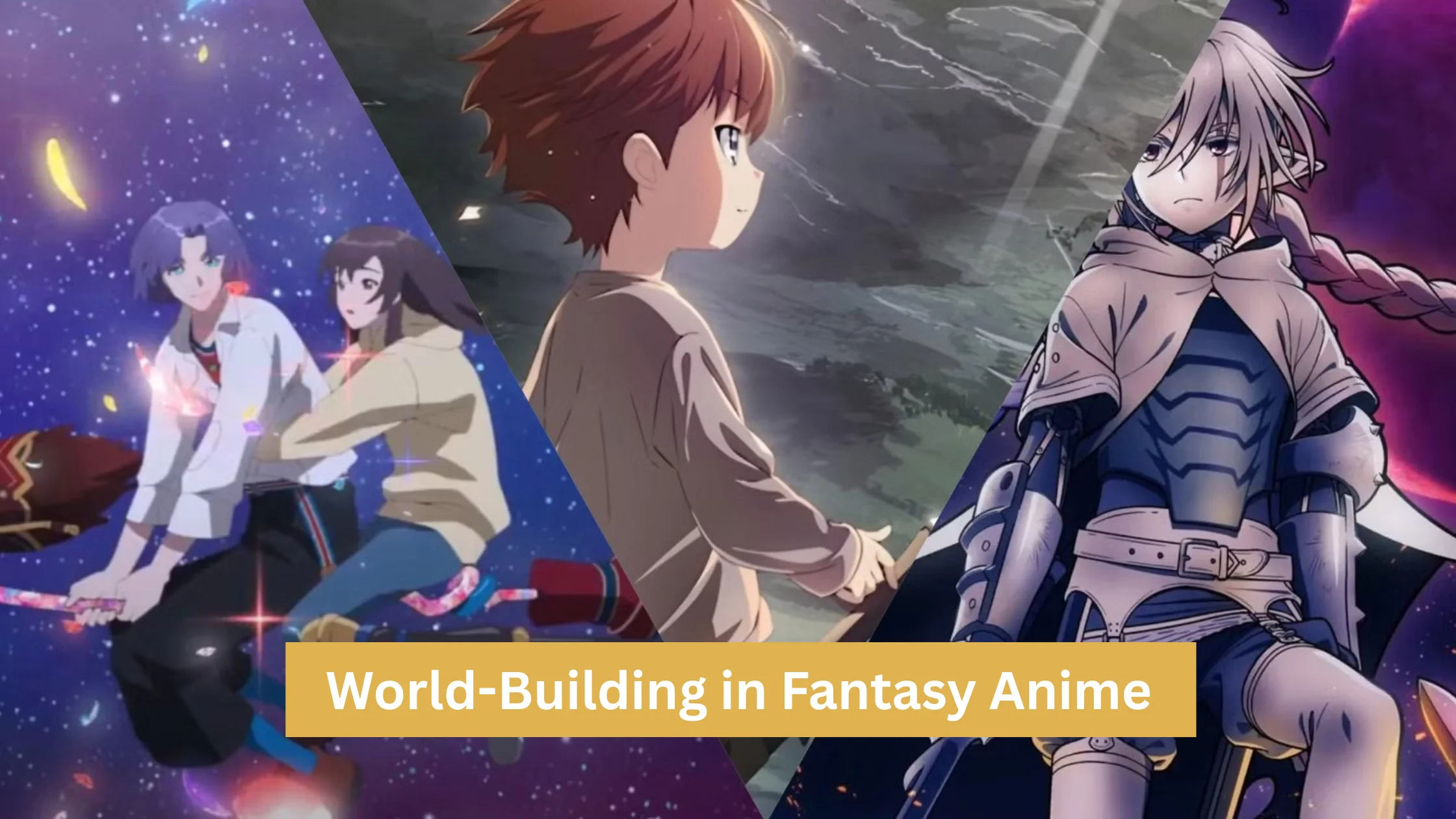
Fantasy anime lives or dies by its world building. Viewers can forgive simple plots or familiar character tropes, but they rarely forgive a world that feels hollow. When an anime creates a believable fantasy setting, audiences stay invested.
They explore its cultures. They remember its rules. They imagine living inside it. That is the power of strong world building in fantasy anime.
At the same time, world-building is one of the hardest storytelling challenges. Too much detail overwhelms the audience. Too little makes the world feel empty. Some anime achieve a perfect balance while others struggle despite stunning visuals.
In this article, we explore how fantasy anime builds immersive worlds, what techniques work best, and where creators often go wrong.
Importance of Coherent Lore
Every strong fantasy anime begins with coherent lore. Lore is not just history. It is the invisible structure holding the world together. It defines how nations formed, why magic exists, and what conflicts shape daily life.
When lore feels consistent, viewers sense it even if every detail is never explained. Series like Fullmetal Alchemist: Brotherhood succeed because the rules of alchemy are clear from the start. Equivalent exchange is not just a magic rule. It shapes politics, war, and morality.
Coherent lore also gives emotional weight to events. When a kingdom falls or a sacred relic is destroyed, the moment matters because the audience understands its history. Without this foundation, fantasy anime risks becoming a sequence of flashy scenes with no lasting impact.
Strong lore answers silent questions. Why does this society value strength? Why are certain creatures feared? When those answers align, the world feels alive.
Visual Design of Other Worlds
Fantasy anime relies heavily on visual storytelling. Before a character speaks, the environment already communicates culture and mood. Architecture, clothing, and landscapes tell a story without dialogue.
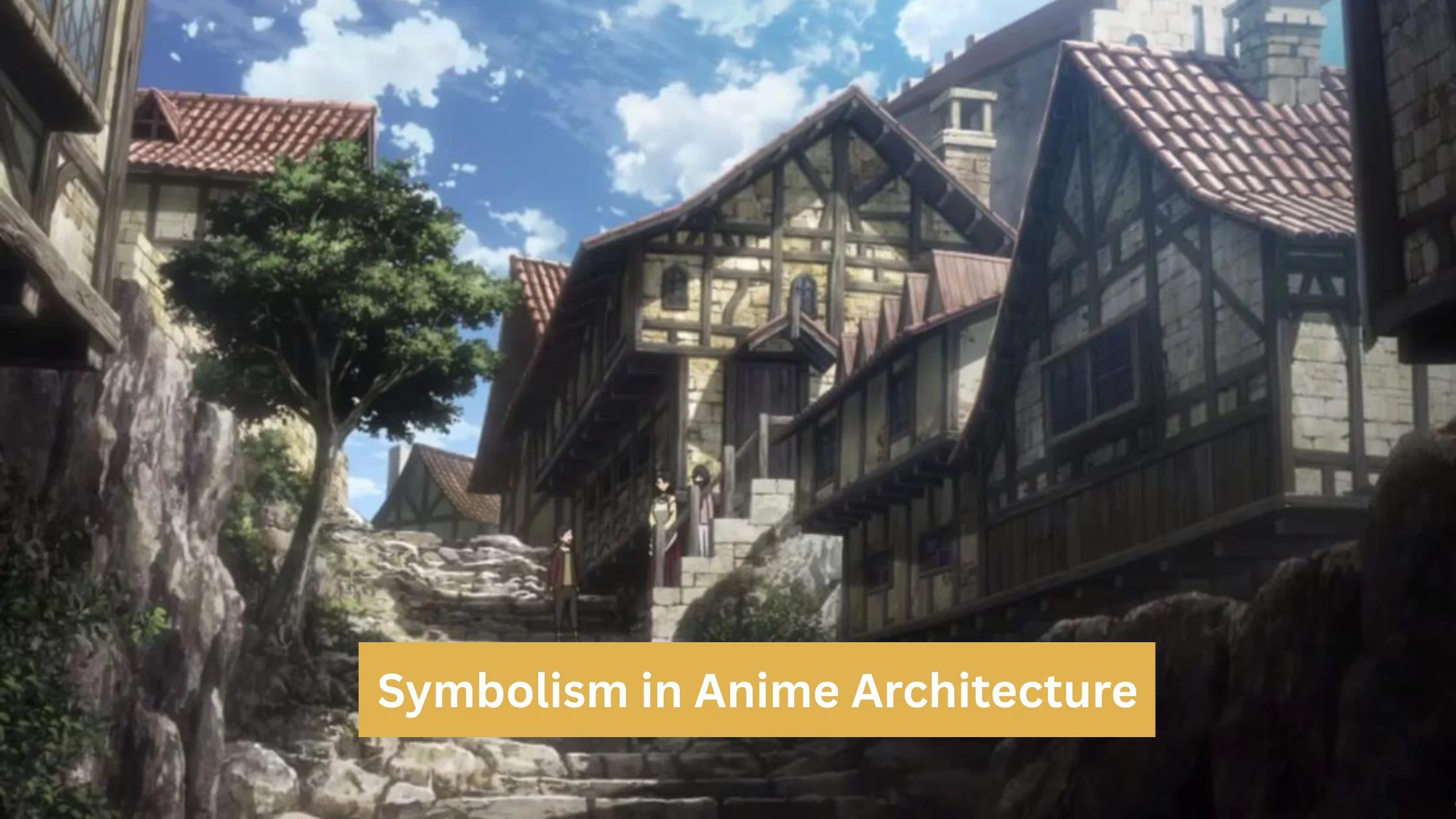
Consider how castles differ across fantasy anime. Some are clean and radiant, suggesting order and power. Others are worn and uneven, hinting at decay or corruption. These choices are deliberate. Visual design anchors viewers in the world instantly.
Natural environments also matter. Vast deserts suggest survival struggles. Dense forests imply mystery and danger. Floating islands create a sense of wonder and instability. Through visuals alone, anime guides emotional expectations.
Color palettes play a subtle role too. Warm tones feel welcoming. Muted colors suggest realism. Dark hues hint at tragedy. Effective fantasy anime uses visuals not as decoration but as narrative language.
Integrating Real-Life References
One reason fantasy anime worlds feel believable is their connection to reality. Creators often borrow from real cultures, geography, and history. This grounding gives fantasy settings familiarity without losing imagination.
Many fantasy cities resemble medieval Europe, feudal Japan, or ancient trade hubs. These inspirations influence social structure, clothing, and governance. Even when the world is fictional, viewers recognize its logic.
Real-life references also help explain behavior. Markets feel lively because they resemble real ones. Religious rituals feel authentic because they mirror real traditions. When fantasy draws from reality, it avoids feeling random.
However, successful integration requires subtlety. Direct copying feels lazy. Thoughtful adaptation feels immersive. The best fantasy anime transforms real influences into something new rather than recreating them exactly.
Avoiding Exposition Overload
One of the most common pitfalls in fantasy anime is exposition overload. Some series attempt to explain everything immediately. Characters talk endlessly about history, politics, and magic systems. Instead of immersion, viewers feel lectured.
Effective world-building trusts the audience. It reveals information gradually through action and consequence. Rather than explaining a law, show a character punished for breaking it. Instead of narrating a war, show its aftermath.
Anime like Attack on Titan master this approach. Early episodes reveal the world slowly through mystery and tension. Viewers learn because they are curious, not because they are forced to listen.
When exposition feels natural, it strengthens engagement. When it overwhelms, it pushes viewers away. Balance is key.
Role of Maps and Artifacts
Maps and artifacts serve as anchors in fantasy anime. They provide physical reference points that make imaginary worlds feel structured and navigable.
Maps show political boundaries, dangerous zones, and travel routes. They help viewers understand scale and distance. When characters journey across regions, the audience follows mentally.
Artifacts add historical depth. Ancient weapons, forbidden books, and sacred relics hint at forgotten eras. These objects carry stories without long explanations. Their existence implies a rich past.
When used thoughtfully, maps and artifacts enhance immersion. When overused or unexplained, they become meaningless props. Context always matters more than quantity.
Consistency in Rules and Systems
Fantasy anime often introduces magic systems, power hierarchies, or supernatural laws. Consistency within these systems determines credibility.
If magic has limits, those limits must remain intact. If powers require sacrifice, characters should not bypass consequences conveniently. Inconsistent rules break immersion instantly.
Well-designed systems encourage creative storytelling. Characters must strategize rather than rely on sudden power boosts. Conflicts feel earned rather than forced.
Inconsistent systems create frustration. Viewers feel manipulated rather than engaged. Strong fantasy anime respects its own rules even when doing so complicates the plot.
Cross-Series World-Building Trends
Modern fantasy anime often builds worlds with long-term expansion in mind. Shared universes, sequels, and spin-offs are increasingly common.
This trend encourages deeper world-building. Creators design settings that can support multiple stories. Side regions become future settings. Minor factions gain importance later.
However, this approach carries risk. Overplanning can slow pacing. Not every detail needs future payoff. Successful anime balances immediate storytelling with long-term potential.
World-building should serve the story first. Expansion should feel organic rather than forced.
Studio Approaches to Fantasy
Different anime studios approach fantasy world-building in distinct ways. Some emphasize realism and structure. Others prioritize atmosphere and emotion.
Studios like Bones often focus on logical systems and political depth. Kyoto Animation emphasizes environment and emotional realism. Studio Ghibli blends fantasy with everyday life seamlessly.
These approaches shape how worlds feel. Some fantasy anime feel grounded and strategic. Others feel dreamlike and symbolic. Neither is superior. What matters is consistency in vision.
Understanding a studio’s style helps viewers appreciate why worlds feel the way they do.
Viewer Immersion Factors
Immersion is the ultimate goal of world-building. When viewers forget they are watching fiction, the world has succeeded.
Several factors contribute to immersion. Consistent tone prevents emotional whiplash. Sound design reinforces the atmosphere. Background details reward attentive viewers.
Character interaction with the world also matters. When characters react naturally to danger or wonder, the audience follows. If they treat extraordinary events casually, the world feels artificial.
Immersion grows when every element supports the same reality.
World-Building Mistakes in Anime
Even popular fantasy anime can struggle with world-building. Common mistakes include inconsistent rules, rushed explanations, and empty locations.
Another issue is scale confusion. When distances and timelines feel unclear, journeys lose meaning. Sudden changes in geography break continuity.
Some anime rely too heavily on familiar tropes without adding a unique identity. Generic kingdoms and unexplained magic systems blend together.
These mistakes do not always ruin a series, but they weaken its impact. Recognizing them helps creators and viewers appreciate stronger examples.
Conclusion
World building in fantasy anime is both an art and a discipline. It requires imagination grounded in logic. It demands restraint as much as creativity. When done well, it transforms stories into experiences.
Strong fantasy worlds feel lived in. They follow rules. They reflect real human behavior. They invite exploration beyond the screen. Weak worlds collapse under their own inconsistencies.
As anime continues to grow globally, world-building will remain a defining factor in its success. Viewers crave immersion. They want worlds that feel real enough to believe and fantastical enough to escape into.
Fantasy anime that respects its worlds earns lasting loyalty. Those that neglect this foundation fade quickly. In the end, world-building is not just background design. It is the soul of fantasy storytelling.
FAQs
What is World Building in Anime?
World building in anime is the creation of a detailed and immersive setting where the story takes place. It includes the environment, culture, history, and rules that shape the fictional world. Strong world building makes the story feel more real and engaging for viewers.
What Does World Building Mean in Anime?
In anime, world building means developing a consistent and believable universe for the story. It involves defining how the world works, including its systems, societies, and unique elements. Good world building helps audiences connect more deeply with the story and characters.
Read More:
Anime Crossovers and Collaborations